Explore Cyprus with Our Interactive Map

Explore our top stories and discover ideas worth your time.

Cyprus Corporate Tax System

Cyprus Corporate Tax System

The corporate income tax rate increased from 12.5% to 15% on January 1, 2026. This change aligns Cyprus with the OECD's Pillar Two global minimum tax framework. Parliament approved the comprehensive tax reform package on December 22, 2025, marking the most significant update to the Cyprus tax system in over two decades. Despite the rate increase, Cyprus maintains competitive positioning within the European Union. The 15% rate remains lower than most EU member states. The reform preserved key exemptions and deductions that define the Cyprus tax advantage. Companies earning profits before 2026 can still apply the previous 12.5% rate to retained earnings under specific conditions. Large multinational enterprises with annual revenues exceeding €750 million face additional considerations. These companies already operate under the Qualified Domestic Minimum Top-Up Tax, which took effect in 2025. The QDMTT ensures compliance with global minimum tax requirements while maintaining domestic competitiveness. Core Tax Exemptions That Remain Unchanged Cyprus continues to exempt dividend income from taxation. Companies receiving dividends from Cyprus resident or foreign entities pay zero corporate tax on this income. This exemption applies regardless of where the distributing company operates, subject to certain anti-abuse provisions. Capital gains from the sale of shares remain tax-free. Companies can dispose of securities, bonds, debentures, and other corporate titles without triggering corporate income tax. This creates significant advantages…

Read more
Cyprus Biodiversity Protection

Cyprus Biodiversity Protection

Cyprus holds exceptional biological diversity for an island of its size. The island hosts approximately 1,800 plant species, with 143 endemic taxa found only in Cyprus. Among animals, the island supports 385 bird species, 21 mammals, 24 reptiles, and 3 amphibians. Over 5,000 insect species have been documented. This diversity results from Cyprus's unique position at the crossroads of Europe, Asia, and Africa, combined with varied climate conditions and dramatic elevation changes from sea level to the 1,952-meter peak of Mount Olympus in the Troodos Mountains. The island's geological history as an uplifted oceanic plate rather than a continental fragment also contributed to the evolution of distinctive species. This combination of geographic isolation, habitat variety, and ancient history created conditions where unique life forms developed and thrived. Historical Background Cyprus's biodiversity reflects millions of years of natural evolution shaped by the island's complex geological formation. The Troodos Mountains rose from the ocean floor through tectonic forces, creating habitat diversity from coastal zones to alpine peaks. During the Late Pleistocene era, the island supported now-extinct megafauna including dwarf hippopotami and dwarf elephants, which died out after humans arrived around 10,000 BC. Human activity has shaped the Cypriot landscape for millennia. Neolithic settlers brought domesticated animals and began agriculture around 8,200 BC. Over thousands of years, traditional farming practices created a mosaic…

Read more
Filoxenia Cyprus Hospitality Tradition

Filoxenia Cyprus Hospitality Tradition

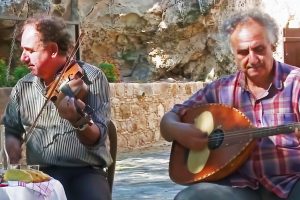
Cypriot culture places strong emphasis on hospitality, family, community and tradition. Filoxenia, meaning friendliness to strangers, respect for elders, and Orthodox Christian values are at the heart of everyday life. The Greek word philoxenia literally means friendship or love for strangers, representing more than simple politeness but rather a sacred tradition that has been around for thousands of years. This tradition goes way back to ancient Greece and the cult of pagan gods, with Zeus as the protector of travelers. Even now, especially in small mountain villages, you can still experience genuine hospitality that welcomes guests as honored members of the community rather than outsiders. The Myth Behind the Custom The tradition traces its roots to a legend about Zeus and Hermes who pretended to be poor travelers. They kept knocking on doors until an elderly couple opened their door. In return for some food and a roof over their heads, Zeus turned their shabby house into a fancy mansion. Since then, the ancient Greeks believed that any traveler or unexpected guest could be Zeus and should be given the best welcome. The ancient philosophers and poets valued philoxenia highly, as seen in Ovid's poem Metamorphoses and other classical texts. Hospitality was considered a moral obligation and spiritual duty rather than optional courtesy. Turning away travelers could bring divine punishment,…

Read more