Kataklysmos, the Festival of the Flood, represents one of Cyprus’s most distinctive cultural celebrations combining ancient pagan rituals with Orthodox Christian observance. The festival occurs 50 days after Easter, coinciding with Pentecost, when Orthodox Christians commemorate the descent of the Holy Spirit upon the apostles.
The name derives from the Greek word for flood, referencing both Noah’s biblical deluge and ancient water ceremonies honoring Aphrodite and Apollo. Water plays the central role, with coastal towns hosting elaborate festivities where locals and visitors engage in water fights, attend cross-throwing ceremonies, and participate in swimming competitions.
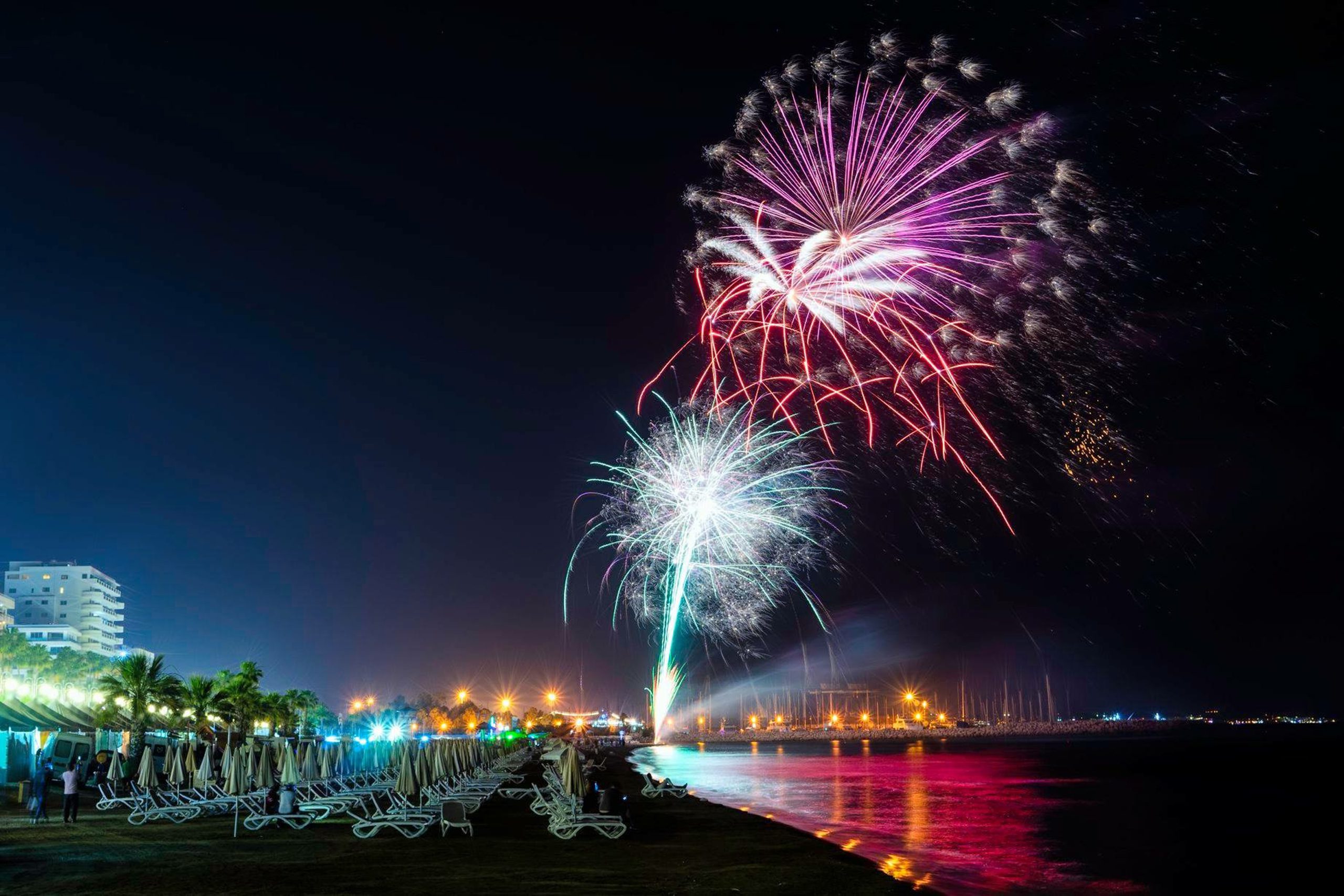
Larnaca holds the largest celebration, with events spanning six days along Foinikoudes promenade. The festival earned UNESCO recognition as part of Cyprus’s Intangible Cultural Heritage, acknowledging its unique blend of religious significance, folk traditions, and community celebration that has continued for over a century.
Historical Background
The festival’s roots extend to pre-Christian water ceremonies performed at coastal shrines dedicated to Aphrodite, the goddess of love who according to myth emerged from sea foam near Paphos. Ancient Cypriots held waterfront celebrations honoring Aphrodite and Apollo during late spring, practices that involved ritual bathing, offerings to the sea, and fertility rites connected to agricultural cycles. These pagan traditions emphasized water’s life-giving properties and its role in purification and renewal.
When Christianity spread across Cyprus in the first century AD, the church adapted these popular celebrations rather than eliminating them. The timing shifted to align with Pentecost, when the Holy Spirit descended as tongues of fire upon Christ’s disciples gathered in Jerusalem. This event, occurring 50 days after Christ’s resurrection, marks the birth of the Christian church and the apostles’ mission to spread the Gospel. The water symbolism transitioned from pagan fertility associations to Christian baptism and spiritual cleansing.
The connection to Noah’s flood added another layer of meaning. The biblical account describes God’s destruction of a corrupt world while preserving righteous Noah and his family through the ark’s salvation. This narrative of judgment and renewal resonated with Christian teachings about sin, repentance, and spiritual rebirth through baptism. The flood’s waters both destroyed and purified, creating theological parallels that made the ancient water celebrations compatible with Christian doctrine.
Traditional Activities and Folk Performances
The folk poetry competition known as tsiattista forms an essential cultural component. This improvisational art involves two performers alternating rhymed couplets in response to each other’s verses. The quatrains follow strict metrical patterns and must cleverly respond to the previous speaker’s content while introducing new themes or wordplay.
Subjects range from romantic themes to social commentary to humorous observations about daily life. Skilled practitioners earn respect within their communities, and the tradition maintains oral poetry skills that date to Byzantine times. UNESCO has separately recognized tsiattista as Intangible Cultural Heritage, acknowledging its importance to Cypriot culture.
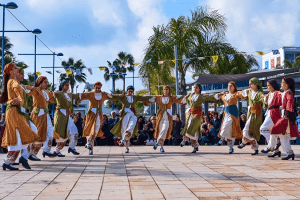
Traditional dance performances showcase Cypriot folk heritage through choreographed presentations of regional dances. The sousta, a couples dance with quick steps and turns, demonstrates courtship rituals through movement. Other traditional dances include the kartzilaumas with its facing partners and mirrored steps, and various line dances where participants hold hands or shoulders while following rhythmic patterns. Folk ensembles perform these dances in traditional costumes while musicians play violin, laouto, and traditional flutes.
The Karagiozis shadow puppet theater provides entertainment for children and adults through comic performances using articulated figures projected onto backlit screens. This art form, introduced during Ottoman rule, features the clever but poor protagonist Karagiozis who outwits wealthy and powerful adversaries through wit and cunning. The performances blend slapstick humor with social satire, addressing themes of poverty, class conflict, and justice through accessible entertainment. Modern Karagiozis performers adapt traditional stories to reference contemporary issues while maintaining the art form’s essential characteristics.
Water Games and Playful Traditions
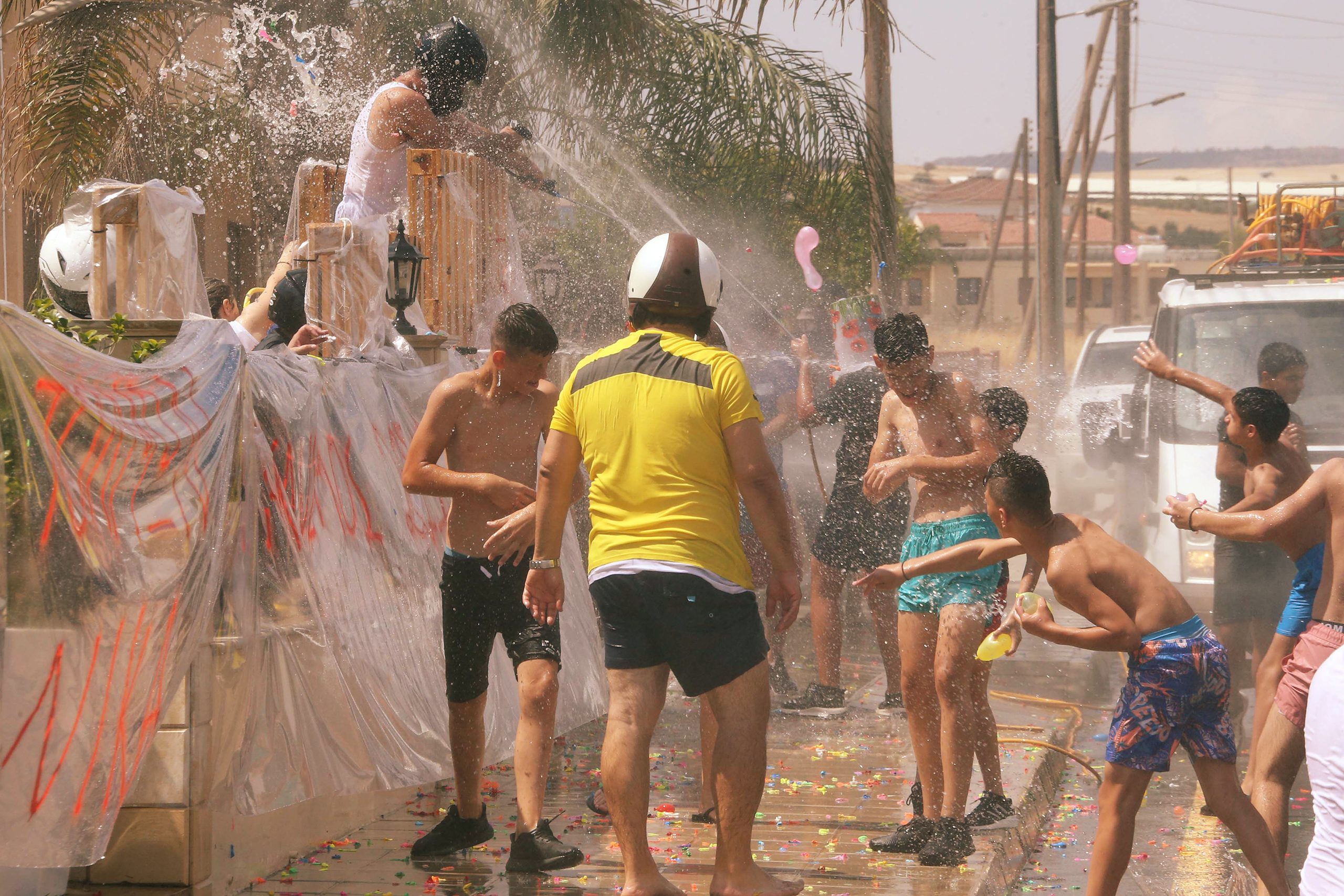
The most distinctive feature of Kataklysmos involves organized and spontaneous water fights throughout coastal areas. Children arm themselves with water guns, buckets, and bottles to ambush unsuspecting participants. Adults join the chaos, drenching friends and strangers alike with water from hoses, containers, and any available source. The soaking symbolizes purification and renewal, transforming what could be considered mischief into sanctioned ritual behavior.
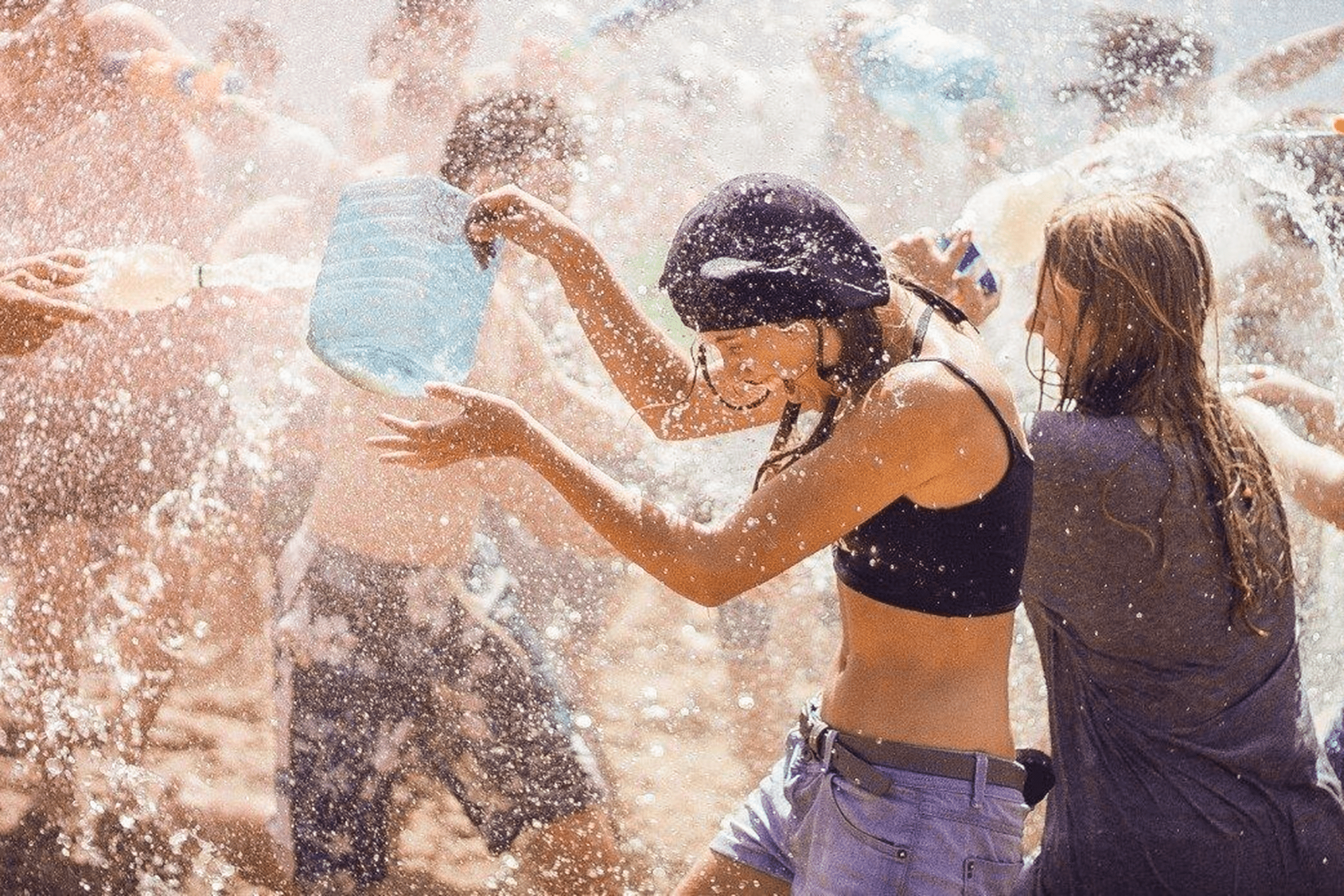
Organized water competitions include swimming races across designated courses in harbors or along beaches. Boat races feature traditional fishing vessels and modern sailboats competing for speed and skill. Water polo matches, diving competitions, and water skiing demonstrations add athletic dimensions to the festivities. Beach volleyball tournaments draw competitive teams and spectators to temporary courts set up on sand. These sporting events create structured competition within the broader celebration’s playful atmosphere.
The Larnaca Celebration and Its Special Features
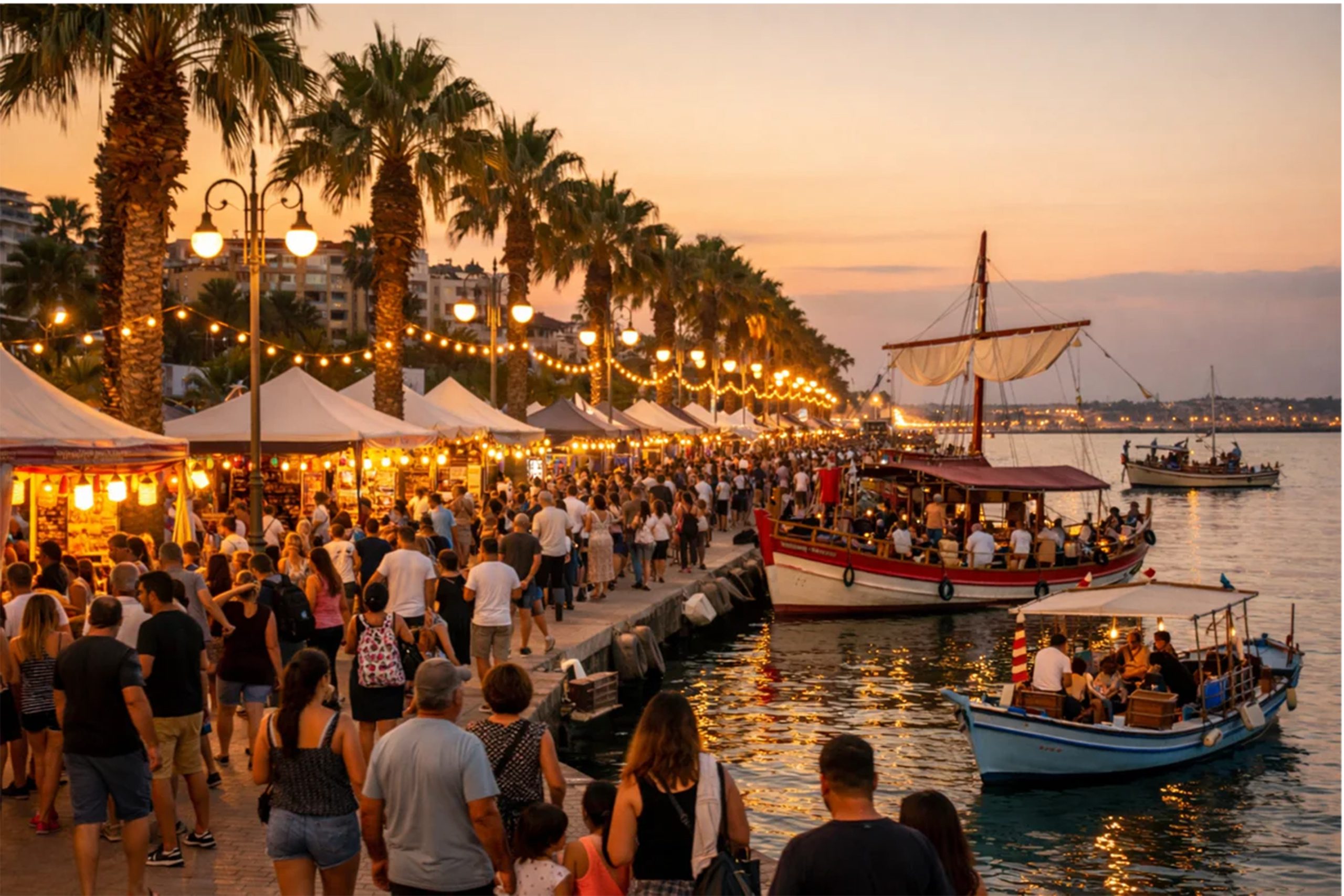
Larnaca’s festival dates to at least the 19th century, with official municipal organization beginning in 1918. The Foinikoudes promenade, lined with palm trees along the seafront, becomes the festival’s nerve center. Temporary stages host six days of performances ranging from children’s school presentations to celebrity concerts. The programming intentionally mixes traditional and modern entertainment, with Byzantine chants followed by rock bands, folk dance exhibitions preceding contemporary choreography, and local amateur performers sharing stages with professional artists.
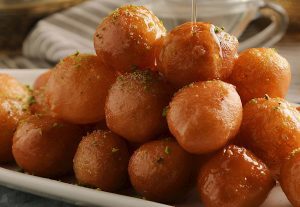
Craft stalls line the promenade selling handmade ceramics, textiles, jewelry, and souvenirs. Artisans demonstrate traditional techniques including pottery throwing, weaving, and metalwork, educating visitors about crafts that sustained village economies for generations. Food vendors offer an enormous variety of Cypriot specialties including loukoumades honey doughnuts, souvla grilled meat, fresh seafood, and traditional sweets like soutzoukos and kourabiedes cookies. The culinary abundance transforms the waterfront into an open-air feast that lasts from morning until late night.
A funfair occupies beach areas with carnival rides, games, and attractions for children and families. Ferris wheels offer views across Larnaca bay, bumper cars provide controlled chaos, and game booths challenge participants to win stuffed animals and prizes. The combination of religious observance, cultural preservation, athletic competition, and commercial entertainment creates a festival that serves multiple community needs simultaneously.
Traditional Foods and Festival Treats
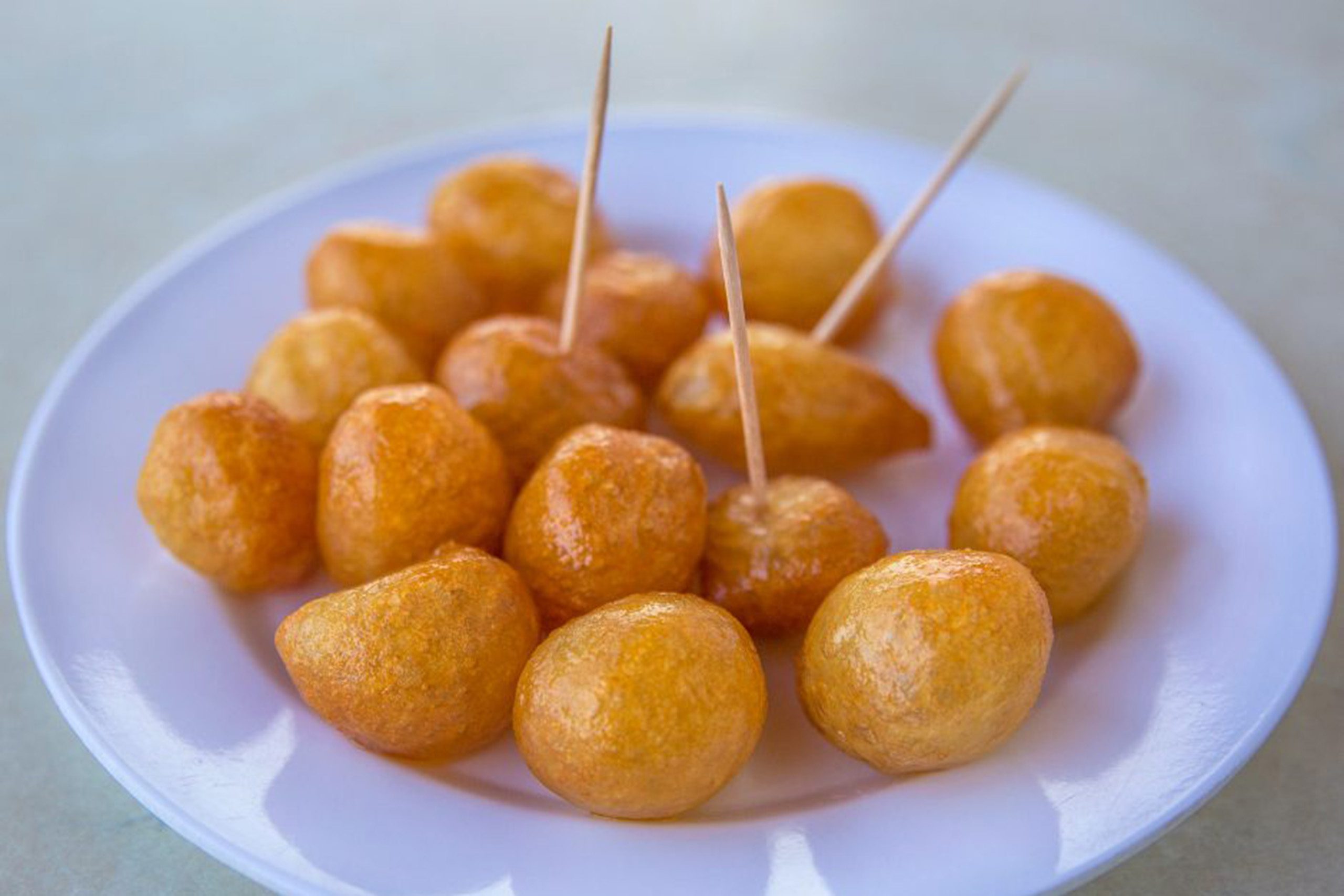
Loukoumades, small fried dough balls soaked in honey syrup and sprinkled with cinnamon and crushed walnuts, represent the quintessential Kataklysmos treat. Vendors prepare these fresh throughout the day, with the smell of frying dough attracting customers to stalls. The combination of crispy exterior, soft interior, and sweet coating creates an indulgent experience perfectly suited to festival atmosphere.
Porika refers to various nut-based confections and soutzoukos sold at festival stalls. Soutzoukos, made by repeatedly dipping strings of almonds or walnuts into thickened grape must, creates chewy candy resembling candles. The labor-intensive preparation makes soutzoukos special-occasion food rather than everyday consumption. Other traditional sweets include mahalepi, a rose-water flavored pudding topped with syrup, and glyka tou koutaliou, spoon sweets made from preserved fruits.
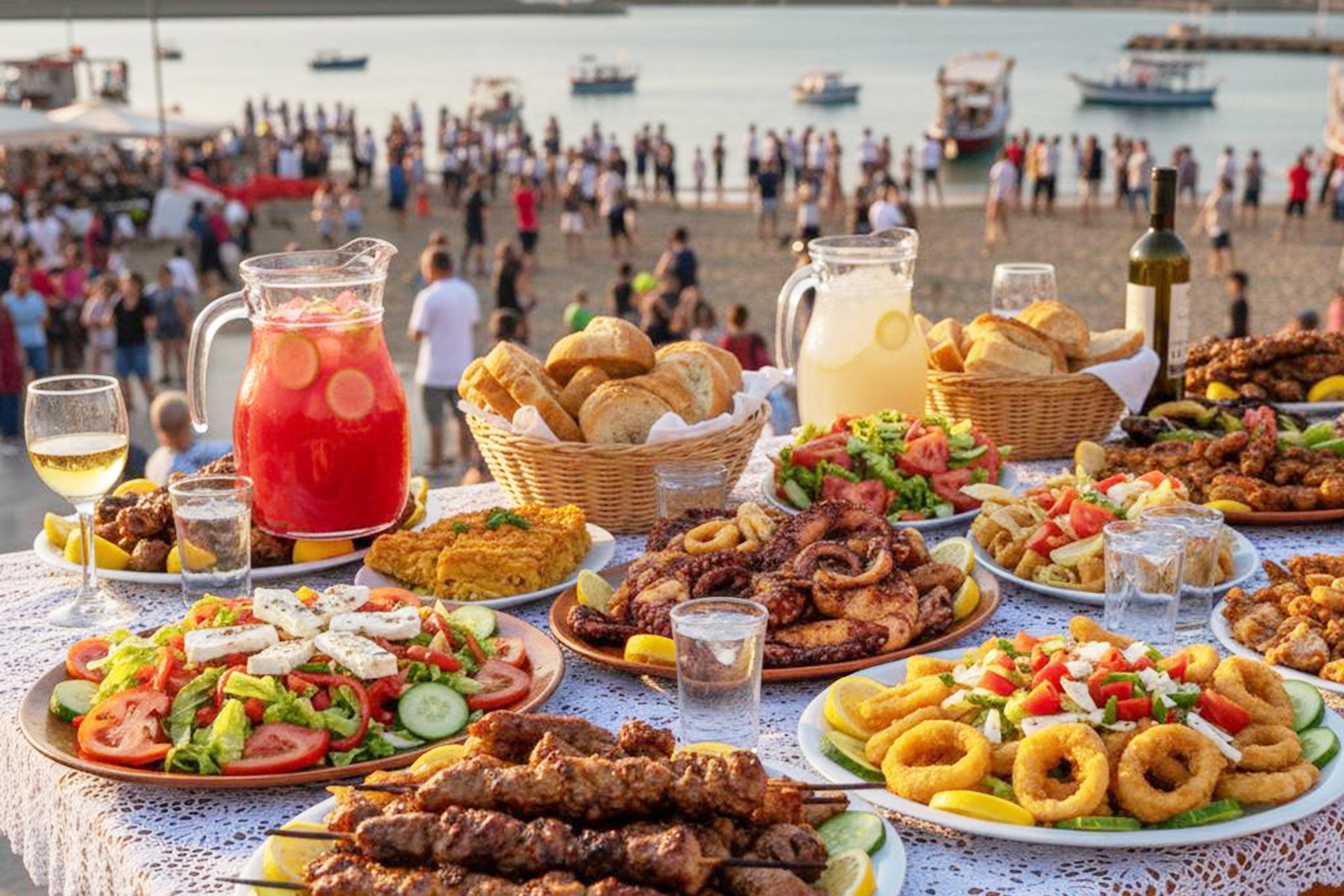
Fresh seafood features prominently given the coastal setting. Grilled octopus, fried calamari, and various fish preparations showcase Cyprus’s maritime culinary traditions. The festival timing in late spring or early summer coincides with good weather and abundant catches, making seafood both appropriate and available. Tavernas near festival venues create special menus emphasizing local specialties and traditional recipes.
Contemporary Celebrations and Cultural Continuity
Modern Kataklysmos incorporates elements unimaginable to earlier generations while maintaining core traditional practices. Large-scale concerts feature popular Greek and Cypriot musicians performing to thousands of attendees. Projection mapping transforms historic buildings into animated canvases telling stories through light and movement. Social media documentation creates virtual participation for Cypriots living abroad who follow festival events through friends’ posts and live streams.
Despite modernization, the essential character persists. Children still sing traditional Kataklysmos songs learned in schools. Families still gather at waterfronts to splash each other as symbolic purification. The Blessing of Waters ceremony still draws reverent crowds. Tsiattista competitions still showcase improvisational poetry skills. The balance between preservation and innovation allows the festival to remain culturally relevant across generations with different relationships to tradition and technology.
The festival’s UNESCO recognition in 2012 acknowledged its significance as living cultural heritage deserving preservation and promotion. This international validation encouraged municipal authorities to invest in comprehensive programming that educates younger Cypriots about festival history while creating experiences that engage contemporary sensibilities. The designation also attracted international tourism, introducing global audiences to distinctively Cypriot traditions.
Experiencing Kataklysmos as a Visitor
Tourists attending Kataklysmos should prepare for crowded conditions, particularly in Larnaca where tens of thousands gather for peak events. Booking accommodation well in advance ensures availability during this popular period. Comfortable walking shoes, sun protection, and waterproof bags for electronics prove essential given the water-based activities and outdoor venues.
Participation is encouraged and expected. Visitors should embrace the likelihood of getting wet, either from organized water fights or spontaneous splashing. Bringing extra clothes and towels allows recovery after aquatic encounters. The playful atmosphere welcomes strangers into communal celebration, breaking down barriers between locals and tourists through shared experience of ritual soaking.
The festival provides comprehensive introduction to Cypriot culture through concentrated exposure to religious practices, folk arts, traditional cuisine, and community values. The combination of solemn church ceremonies and raucous water battles demonstrates how Cyprus integrates sacred and secular, ancient and modern, into cohesive cultural expressions that define island identity.