Explore Cyprus with Our Interactive Map

Explore our top stories and discover ideas worth your time.

Waterfront Streets of Cyprus

Waterfront Streets of Cyprus

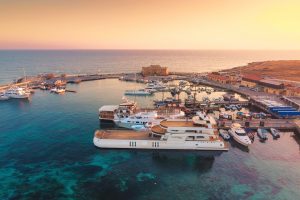
Cyprus waterfront streets stand as living examples of Mediterranean coastal architecture. These narrow lanes wind between stone homes and harbors where fishing boats bob in the water. The combination creates a picture that has defined Cypriot coastal life for centuries. The architecture reflects practical needs adapted over generations, with thick stone walls built to withstand salt air and coastal weather. Shutterstock-com Fishermen positioned their homes steps from the water, creating communities where daily life revolved around the sea. Today these streets preserve traditional building methods and materials while continuing to function as active neighborhoods. The stone structures, colorful boats, and winding pathways offer a direct connection to Cyprus's maritime heritage. Waterfront Architecture in Cyprus The relationship between Cyprus and the sea dates back thousands of years. Ancient ports like Paphos served as vital trade centers connecting the Mediterranean world. By the Bronze Age, Cypriot coastal settlements had already established sophisticated harbor systems. The Romans later expanded these facilities, recognizing the strategic importance of Cyprus as a maritime hub between Europe, Asia, and Africa. In-Cyprus-com Traditional waterfront architecture developed from practical necessity. Fishermen built their homes close to harbors where they moored their boats. Stone became the material of choice, quarried from the island's abundant limestone deposits. These structures were designed to withstand salt air and coastal weather. The proximity of…

Read more
Lines and Nets: Fishing Traditions of Cyprus

Lines and Nets: Fishing Traditions of Cyprus

Fishing has shaped life along the Cypriot coast for thousands of years. From small family boats setting out before sunrise to modern vessels working farther offshore, the way fish are caught reflects deeper stories about culture, sustainability, and identity. This article explores how artisanal and industrial fishing coexist in Cyprus, why certain marine species matter so deeply to local life, and how food, regulation, and global recognition are reshaping the island’s relationship with the sea. adobe-stock-com Understanding the Two Worlds of Fishing At its simplest, fishing in Cyprus today exists in two parallel worlds. One is artisanal fishing, rooted in tradition, small-scale effort, and close ties to local communities. The other is industrial fishing, shaped by modern technology, larger vessels, and wider markets. adobe-stock-com Artisanal fishing usually involves small boats operated by their owners, often with help from family members. These fishers work close to shore, rely on experience passed down through generations, and bring back relatively small catches that are sold fresh, often the same day. Industrial fishing, by contrast, uses larger, motorized vessels and mechanized gear to harvest greater volumes of fish, sometimes destined for processing or export rather than immediate local consumption. Both forms are legal and regulated, and both contribute to the island’s food supply. Yet they differ not just in scale, but in how they…

Read more

Veined Sainfoin of Cyprus

Veined Sainfoin of Cyprus

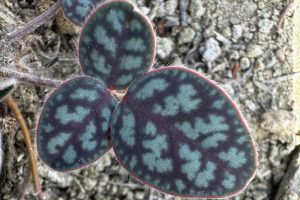
In the sunny landscapes of Cyprus, a little plant called veined sainfoin (Onobrychis venosa) adds pops of pink to rocky hillsides. This endemic wildflower, unique to the island, thrives in tough spots and has a story tied to Cyprus's natural history. But what makes its veiny leaves and blossoms so special? www.inaturalist.org What Exactly Is This Charming Cypriot Wildflower? Onobrychis venosa is a small, wild herb that's part of the legume family, like peas or beans. It's a perennial plant, meaning it comes back year after year, and it's found only in Cyprus, making it a true island native. How Did This Plant Bloom from Cyprus's Ancient Soils? The origins of Onobrychis venosa trace back to the island's geological past, where tectonic shifts and volcanic activity created diverse habitats over millions of years. First described in the early 19th century by botanists Desfontaines and Desvaux, it was named for its distinctive veined appearance. As Cyprus evolved in isolation in the Mediterranean, this plant adapted to dry, bushy slopes, becoming one of the island's endemic treasures. Picture This: A Low-Growing Beauty with Striking Veins This herb grows just 10 cm tall, spreading out wide with a short stem and alternate leaves that are compound and feather-like, marked by prominent veins that give it a textured look. Its flowers cluster in spikes,…

Read more