Historic churches scattered across Cyprus’s Troodos Mountains preserve Byzantine and post-Byzantine frescoes within humble rural buildings, creating stark contrasts between simple exteriors and elaborate interior decorations. UNESCO recognized ten of these structures in 1985 and 2001 as the Painted Churches in the Troodos Region, acknowledging their outstanding testimony to Byzantine civilization and well-conserved examples of rural religious architecture.
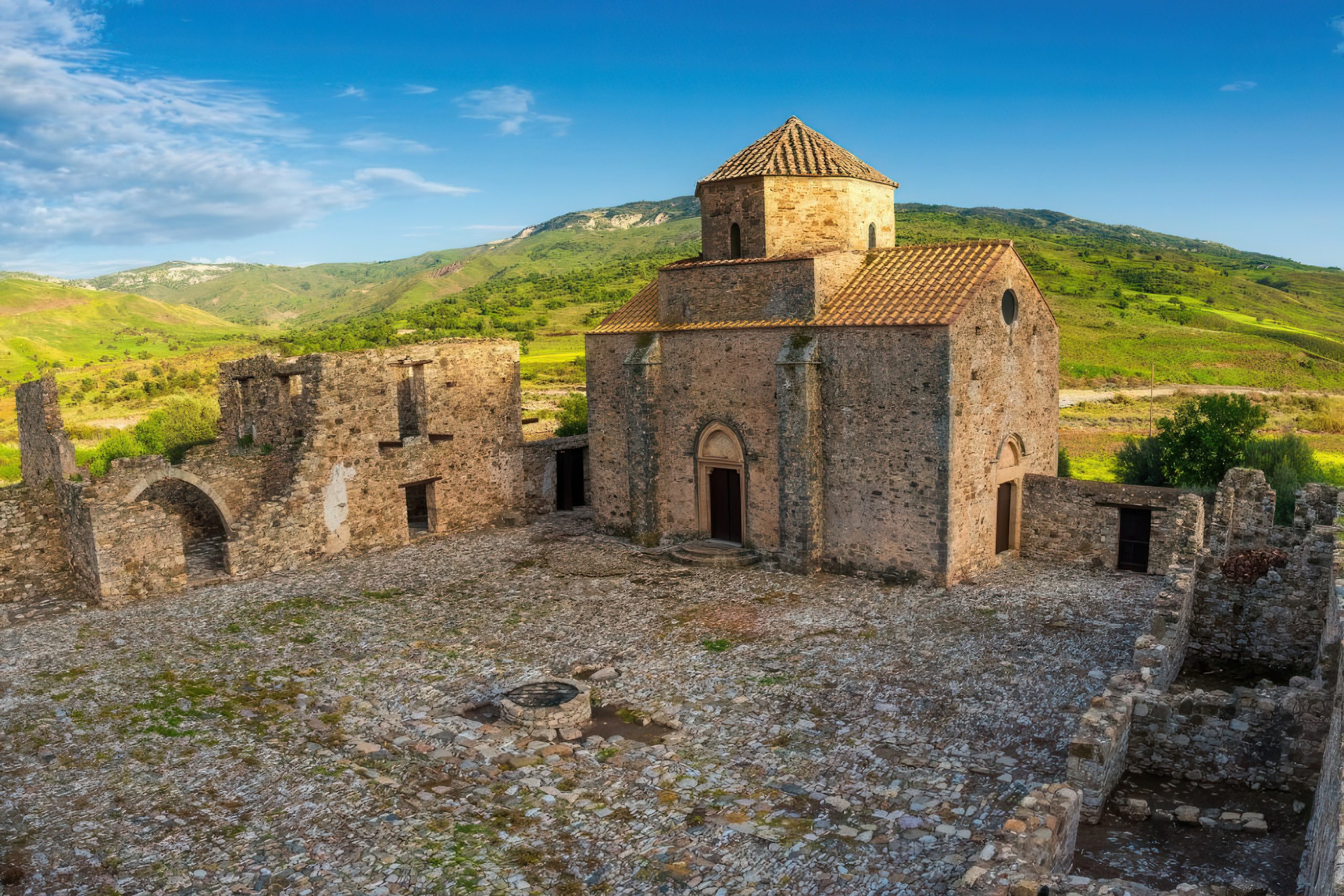
They range from small churches whose rural architectural style is in stark contrast to their highly refined decoration, to monasteries such as that of St John Lampadistis. The churches date from the early 11th to early 16th centuries, spanning 500 years of artistic evolution influenced by Byzantine, Frankish, Venetian, and local Cypriot traditions.
Steep wooden roofs with locally manufactured flat tiles protect the churches from the rain and occasional snow, architectural elements unique to Cyprus determined by its geography, history, and climate. Over 60 churches across Cyprus contain Byzantine wall paintings, but the Troodos concentration represents one of the greatest assemblages in the former Byzantine Empire.
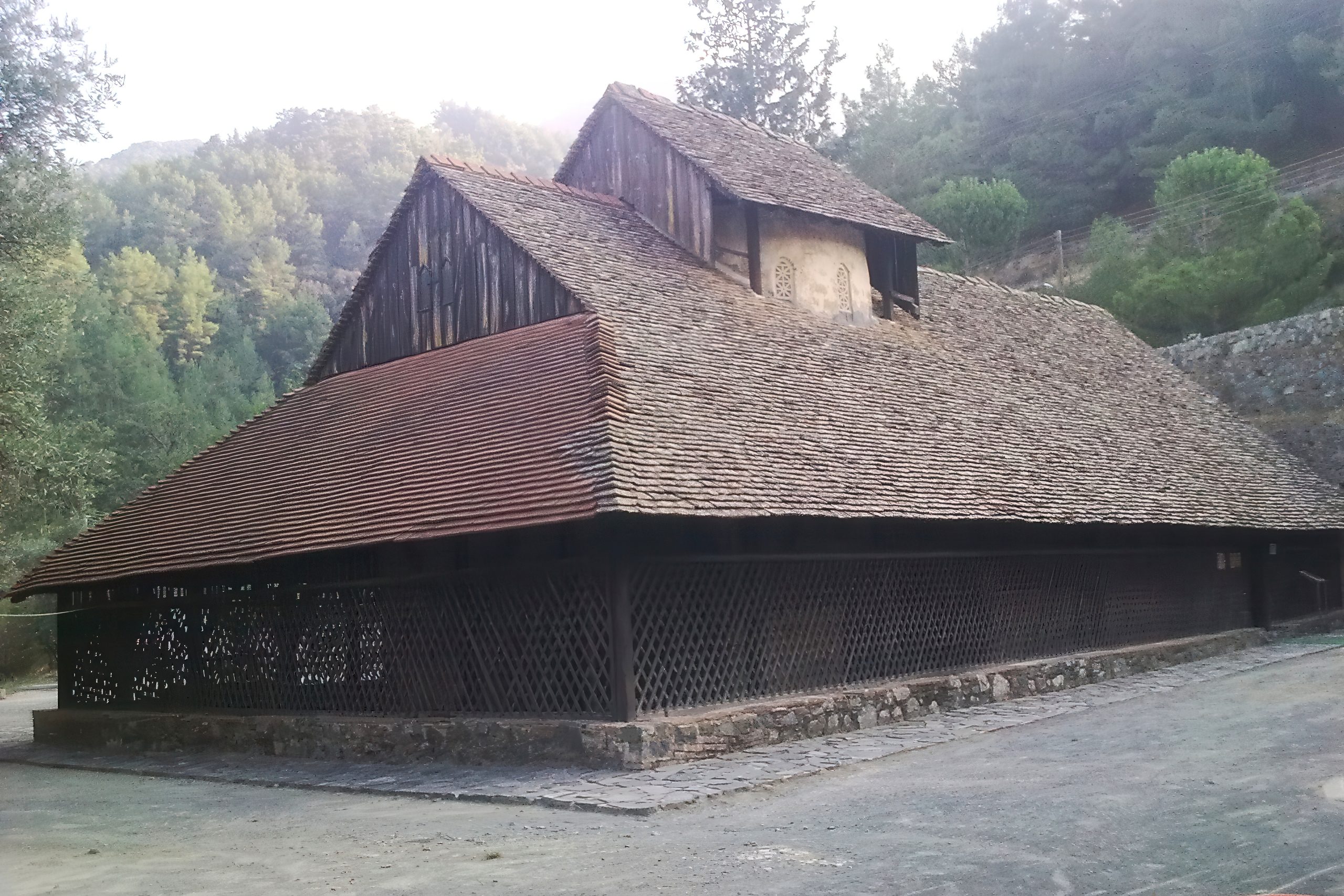
Agios Nikolaos tis Stegis and the Double Roof
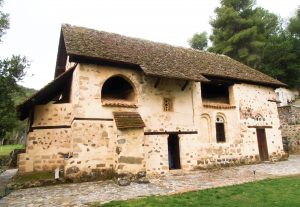
The Church of Saint Nicholas of the Roof in Kakopetria represents the oldest surviving katholikon in Cyprus, built in the 11th century. This church owes its name to its flat-tiled roof, which was built onto a pre-existing domed roof typical of Byzantine architecture. The distinctive double roof system became characteristic of Troodos churches, where steep-pitched wooden roofs covered original Byzantine masonry domes to protect them from mountain weather. Its interior walls host a series of frescoes dating from the 14th to the 16th centuries.
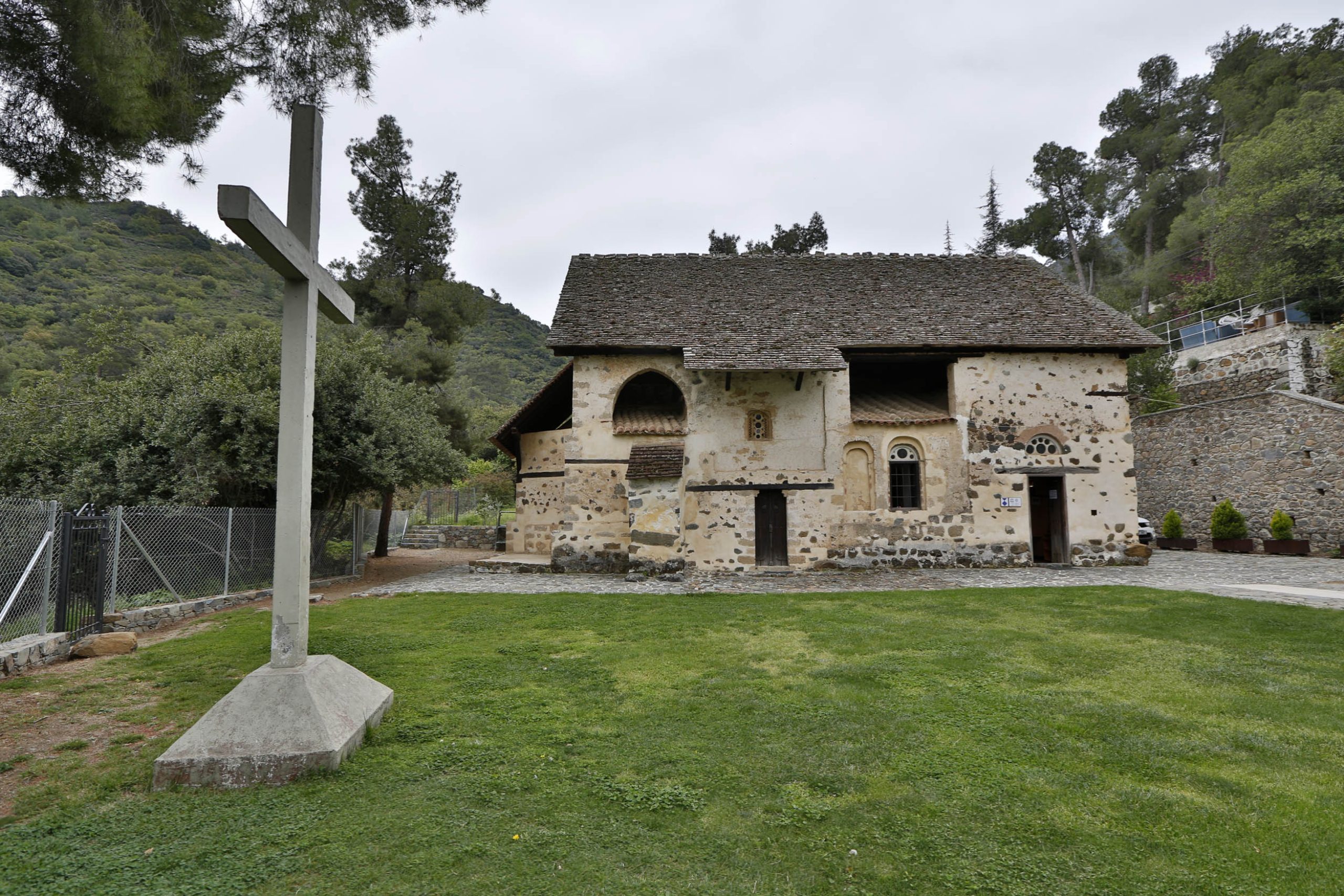
The church sits approximately 5 kilometers from Kakopetria village in a rural setting surrounded by pine forests. From outside, the structure appears as a simple stone building with a timber roof, giving no indication of the artistic treasures within. The interior preserves important examples of 11th century iconography alongside later additions, documenting continuous use and artistic patronage across five centuries. The wealth of dated inscriptions provides rare chronological documentation of Byzantine painting development, an uncommon feature in the Eastern Mediterranean during the Middle Ages.
Panagia Phorviotissa at Asinou
The Church of Panagia Phorviotissa, commonly called Asinou, stands in Nikitari village built between 1099 and 1105 by a local magistrate who took religious vows after his wife’s death. From the outside the Church of Panagia Prousiotissa Nikitari could easily be mistaken for a local rustic home. The modest stone exterior conceals one of Cyprus’s most sumptuous Byzantine churches with exceptional 12th century frescoes executed by Constantinople-trained artists.
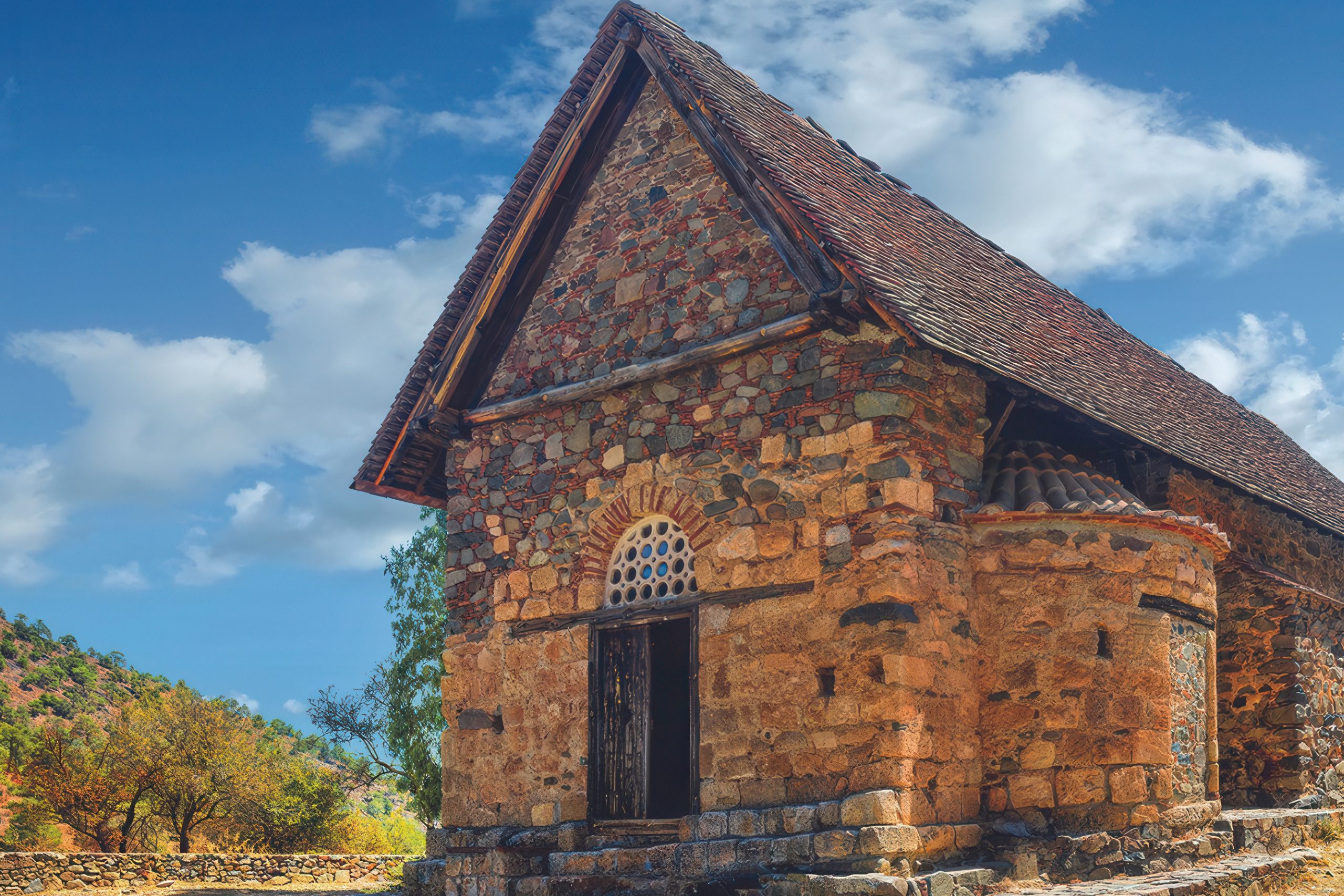
The church represents peak Comnenian period art, painted when the Byzantine Empire experienced cultural flowering under the Comnenus dynasty from 1081 to 1185.
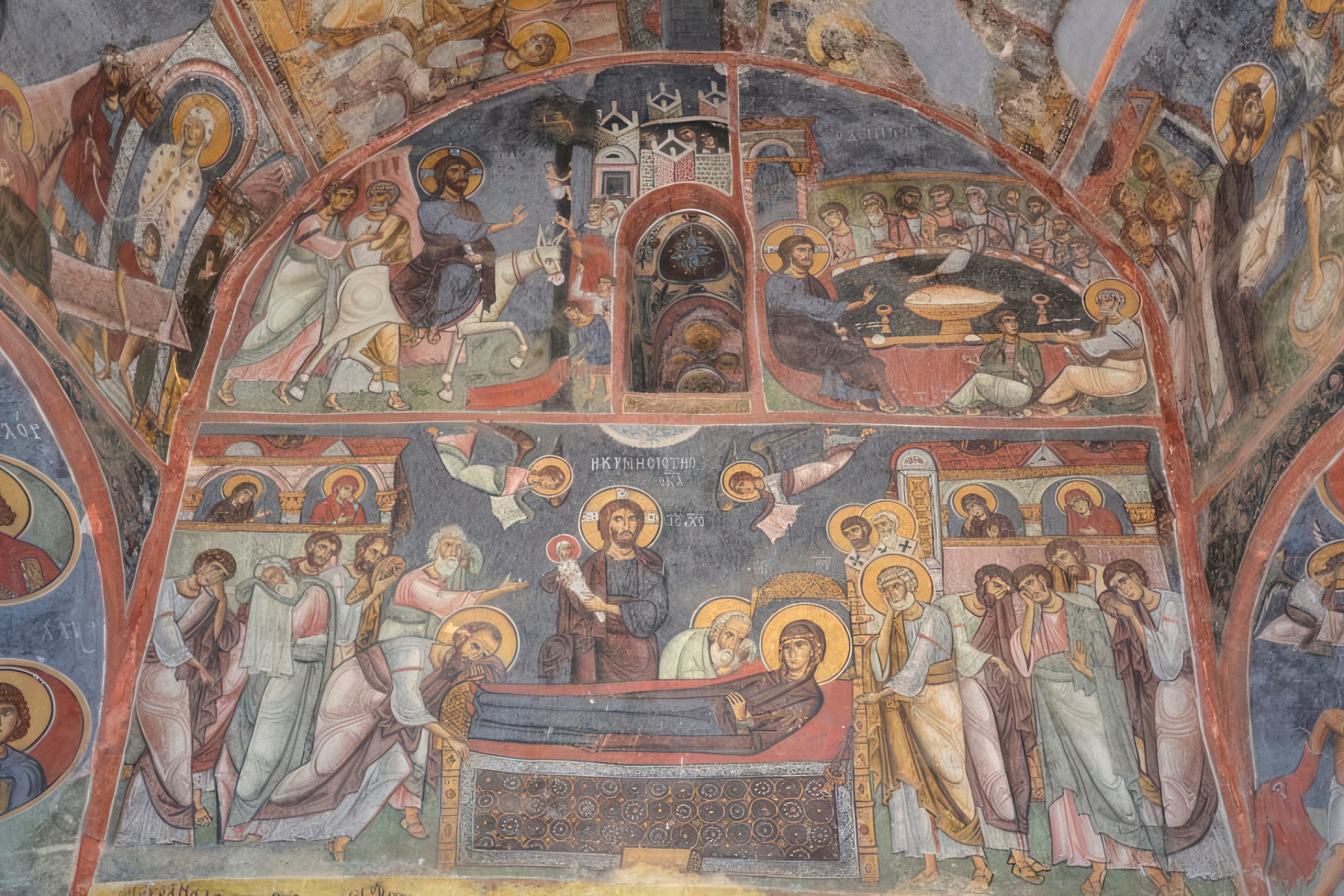
The frescoes cover interior walls and vaulted ceilings with biblical narratives, portraits of saints, and elaborate decorative patterns demonstrating metropolitan artistic standards in a remote mountain setting. The contrast between rural architecture and sophisticated decoration exemplifies the pattern UNESCO recognized across the Troodos painted churches.
Saint John Lampadistis Monastery Complex
The Saint John Lampadistis Monastery in Kalopanayiotis demonstrates the larger monastic end of the UNESCO site spectrum. The complex combines three churches under one massive timber roof, creating a unique architectural arrangement. The Church of Saint Herakleidios dates to the start of the 11th century, the Chapel of Saint John Lampadistis was added in the 12th century above the saint’s tomb, and a common narthex united both churches in the mid-15th century.
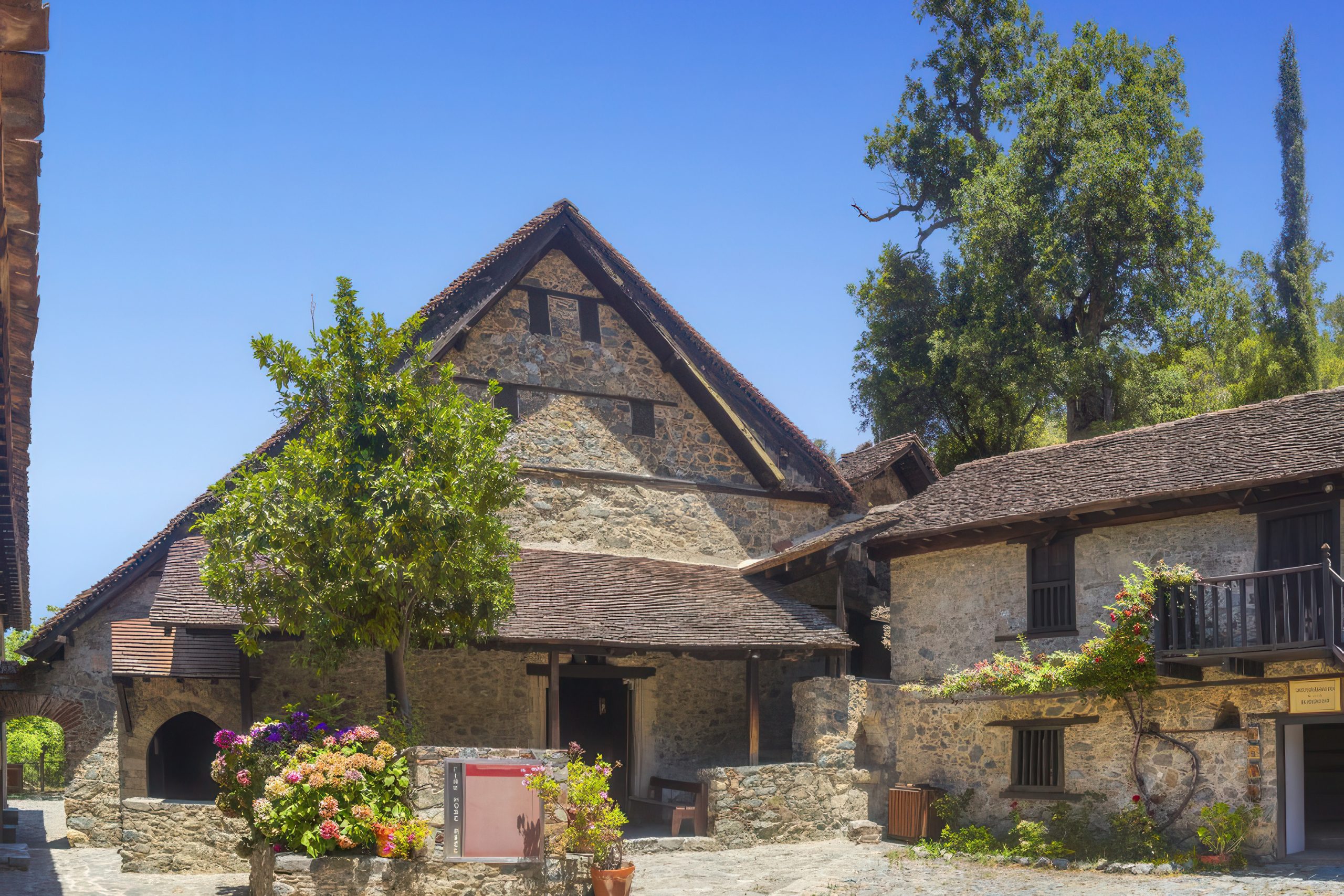
The monastery preserves frescoes from the 11th through 19th centuries, with particular significance attached to the 15th century narthex paintings executed by an artist who fled Constantinople after its 1453 fall to the Ottomans. These paintings follow Byzantine capital artistic trends though executed at lesser quality than metropolitan works. The Latin chapel added in the second half of the 15th century features Italo-Byzantine style combining Byzantine traditions with Italian Renaissance elements, reflecting Venetian rule influences.
Panagia tou Arakou Mountain Summit Church
Built on top of the second highest summit of the Troodos Mountains between Saranti and Lagoudera villages, Panagia tou Arakou represents one of Cyprus’s best-preserved Byzantine structures. This 12th century church contains wall paintings of exceptional artistic quality attributed to Constantinopolitan masters, placing it among the finest examples of Comnenian period art. The mountain setting provides dramatic backdrop while the remote location protected the frescoes from damage and modification.
The church’s importance extends beyond aesthetic qualities to historical documentation. An inscription mentions Emperor Alexis Comnene in dedication, providing precise dating and connection to Byzantine imperial patronage. The paintings were executed at the very time of Isaac Comnene’s fall and Cyprus’s sale to Guy de Lusignan in 1191, capturing a pivotal moment when the island transitioned from Byzantine to Frankish control.
Church of Timios Stavros in Pelendri
The Church of the Holy Cross in Pelendri village originated as a 12th century single-aisle domed structure with later additions creating a three-part building. The oldest section dates to 1178, with frescoes from the 12th through 14th centuries preserved across different architectural phases. The north aisle once served as private chapel for a local lord related to the King of Cyprus, demonstrating how rural churches accommodated both public worship and elite patronage.
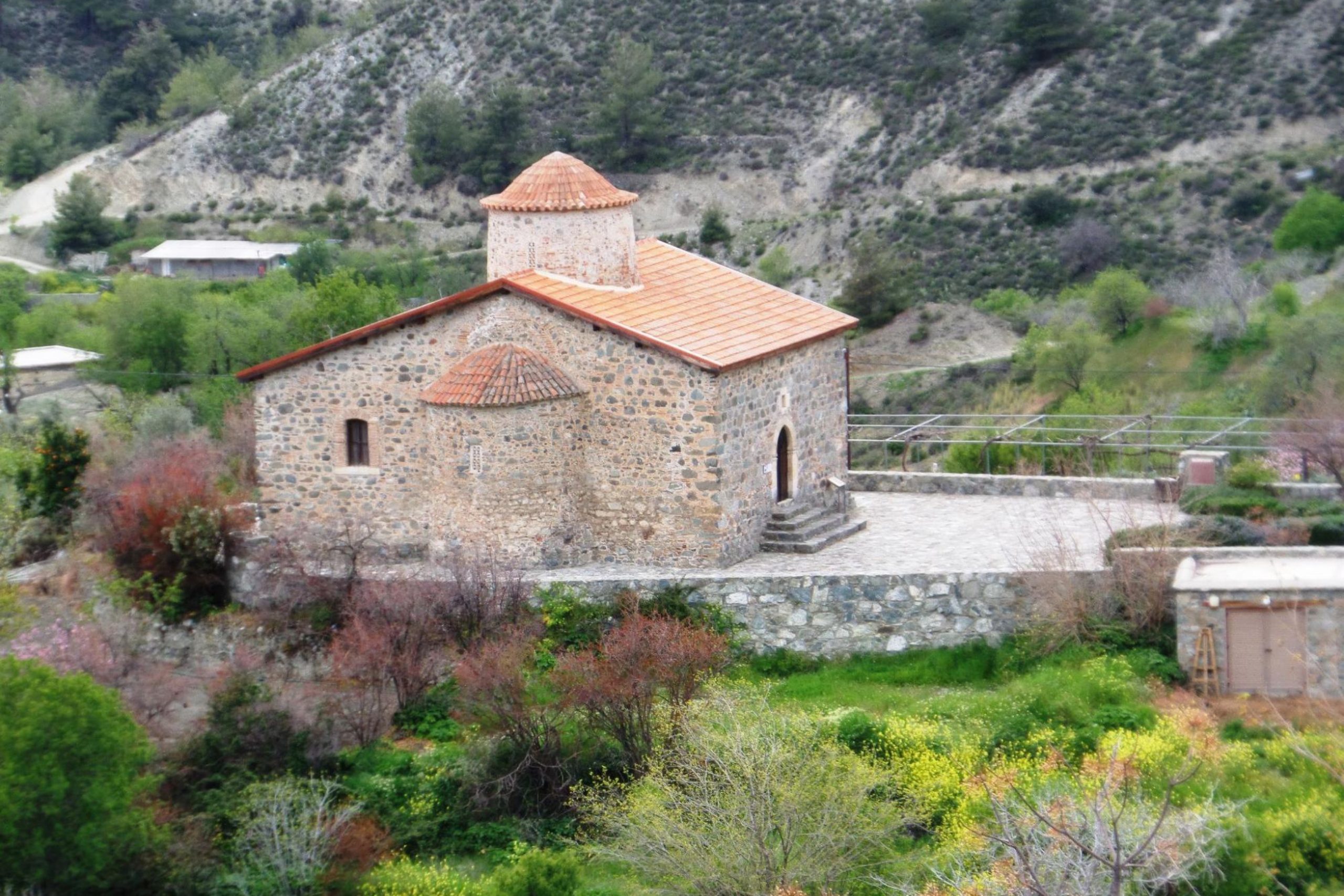
The church’s name connects to legends about Saint Helena, Constantine the Great’s mother, who spent time in Cyprus and reportedly brought relics including fragments of the True Cross. Many Cyprus churches bear the Timios Stavros name, reflecting the island’s claims to possess True Cross relics that attracted pilgrims and donations supporting church construction and decoration.
Unique Architectural Elements of Troodos Churches
The structures display elements that were specific to Cyprus and were determined by its geography, history and climate, including steep-pitched wooden roofs with flat hooked tiles, like Church of the Virgin Mary of Podithou in Troodos. This architectural solution addressed Cyprus’s mountain climate where occasional snow and heavy winter rains threatened masonry domes designed for drier Mediterranean lowlands.
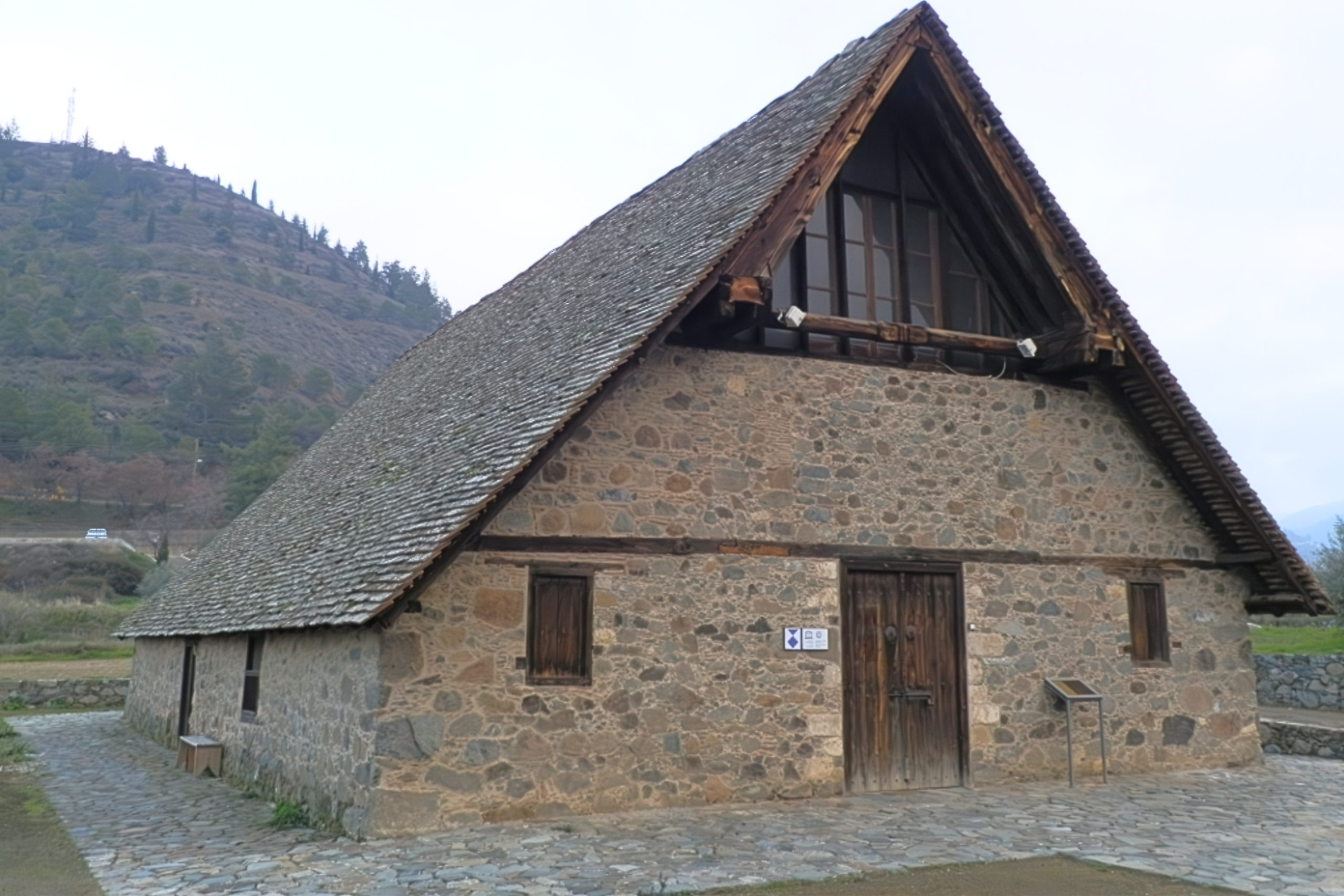
The steep pitch allows snow to slide off while the secondary roof creates air space that insulates the original dome. The flat hooked tiles, locally manufactured from Cypriot clay, interlock to create waterproof covering that withstands decades of weather exposure. The wooden roof structures use Cyprus pine from surrounding forests, creating fully local building systems adapted to specific environmental conditions.