Cyprus holds a collection of abandoned places that attract visitors interested in supernatural tales and historical mysteries. These locations range from ghost towns frozen in time to mountain hotels shrouded in dark legends and villages deserted by their residents.
The island’s troubled 20th century history, particularly the 1974 division, created numerous abandoned settlements that locals and visitors now associate with paranormal activity. These sites blend documented historical events with folklore, creating spaces where reality and supernatural stories overlap.
Historical Context
The modern haunted landscape of Cyprus emerged primarily from two sources. The 1974 Turkish invasion created instant ghost towns when residents fled their homes.
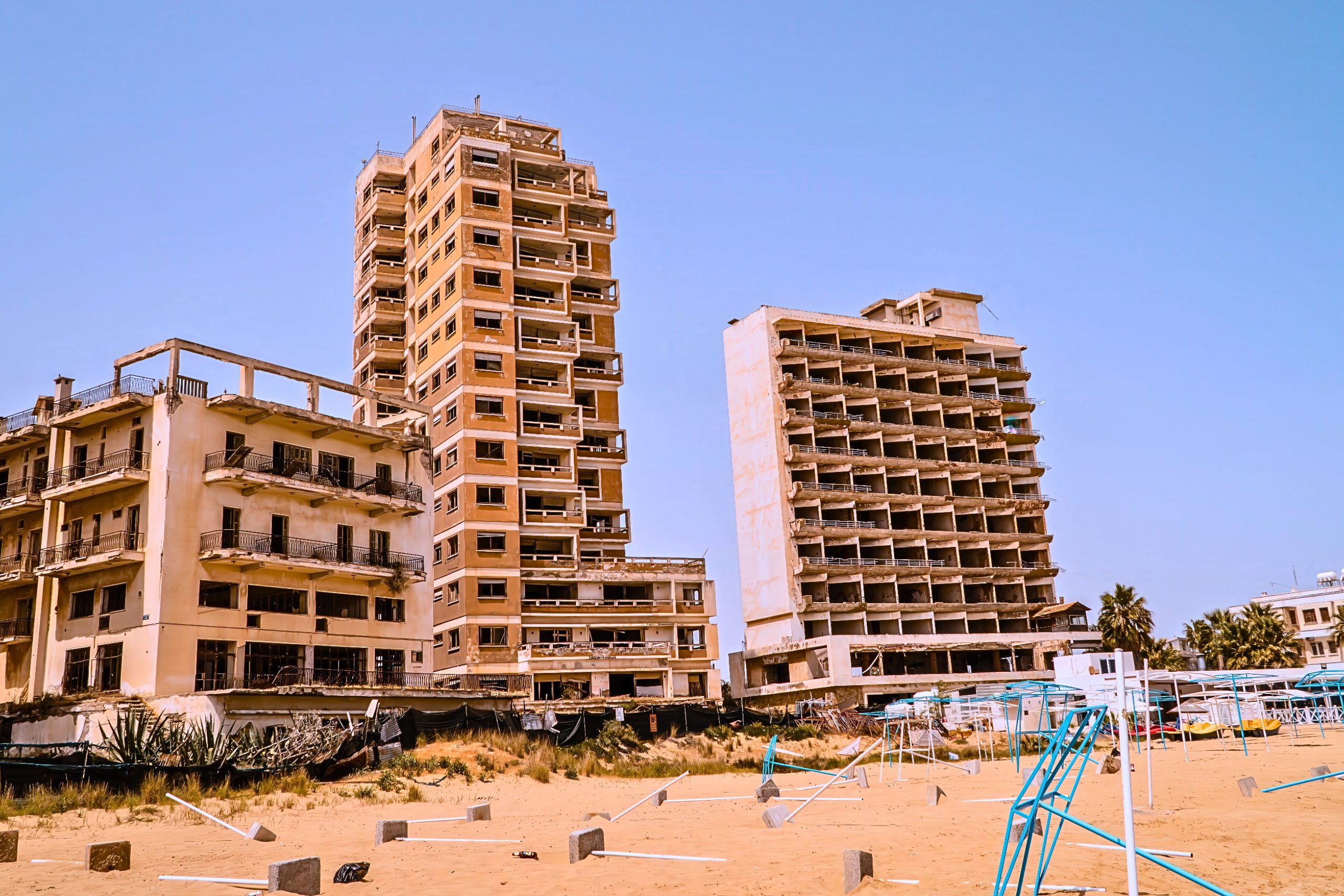
Varosha in Famagusta represents the most dramatic example, a once glamorous resort sealed off by military forces and left untouched for decades. The invasion displaced hundreds of thousands of people, leaving behind dozens of villages that remain empty today. Earlier events also contributed to abandoned sites.
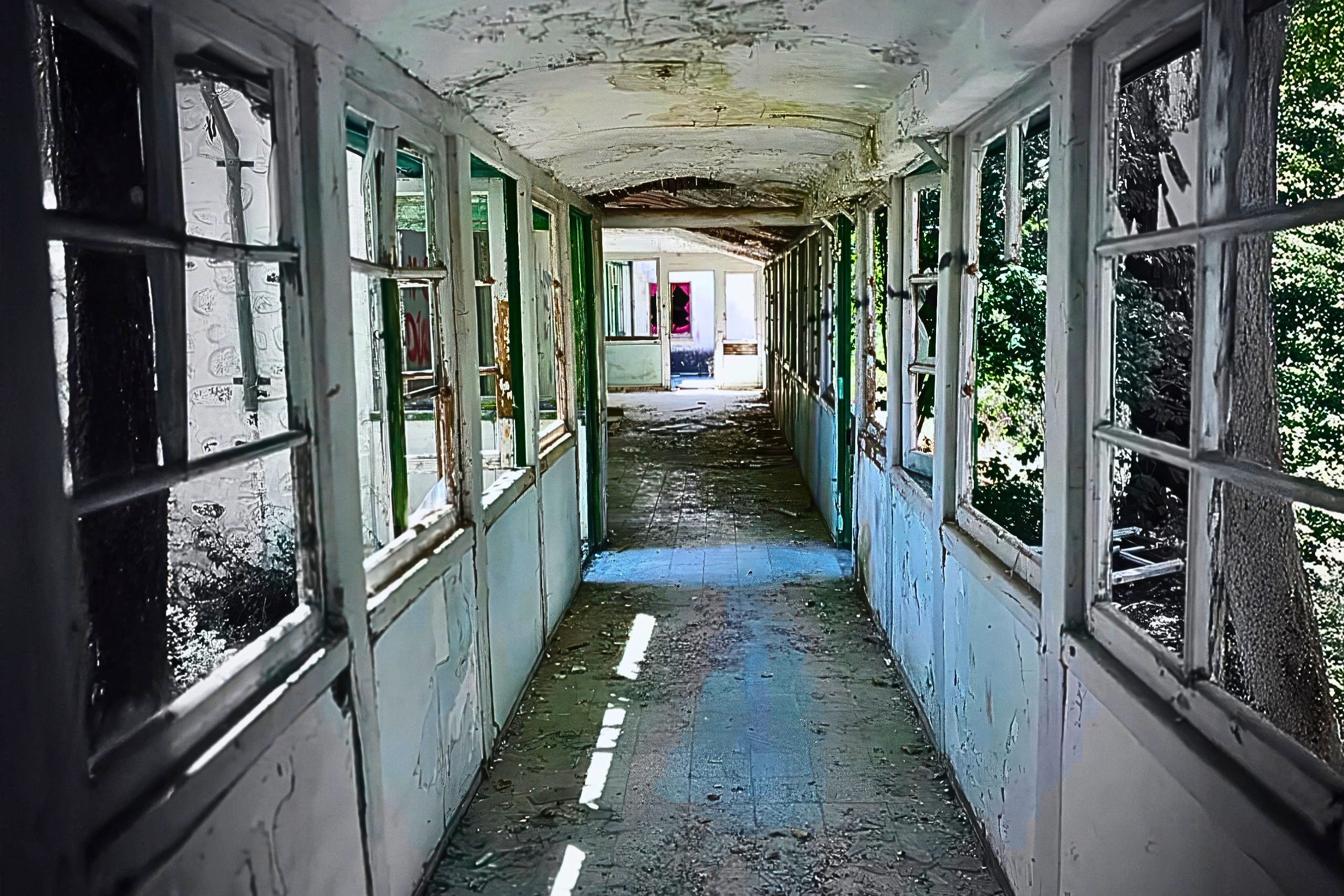
The intercommunal violence of the 1960s forced Turkish and Greek Cypriots to abandon mixed villages. Mining closures in the 1930s and natural disasters like earthquakes created additional deserted settlements. Each abandonment brought its own set of stories about what happened and what might remain.
Features of Cyprus most notorious haunted locations
Varosha stands as Cyprus most famous ghost town. Before 1974, this Famagusta district attracted celebrities like Elizabeth Taylor and Brigitte Bardot to its luxury hotels.
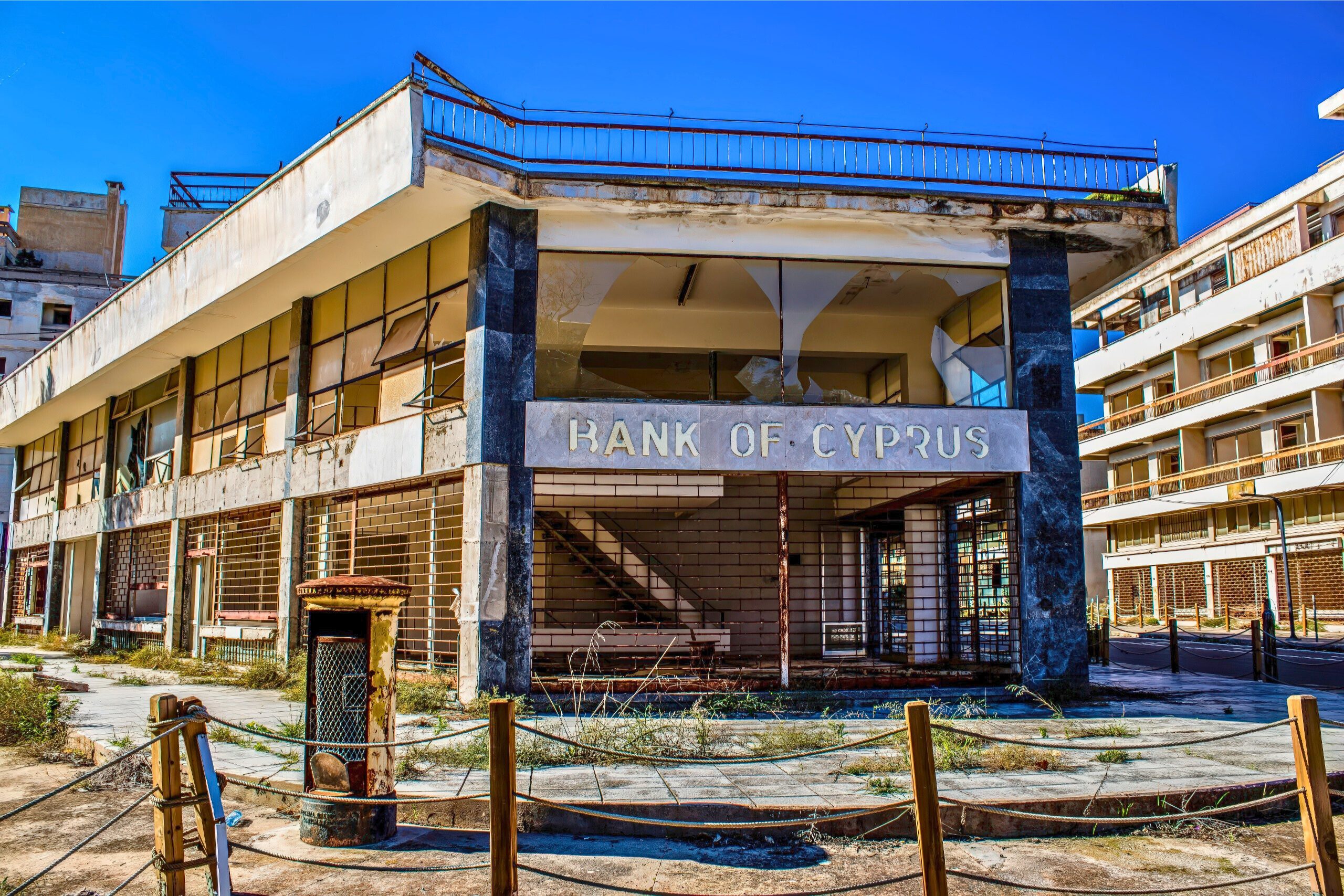
The Turkish military sealed it after the invasion, and it sat completely untouched until partial reopening in 2020. Military personnel stationed there reported unexplained voices in empty streets, mysterious lights in abandoned buildings, and footsteps with no visible source. The Aspelia Hotel gained particular notoriety for reports of phantom parties and music from the 1970s echoing through empty halls.
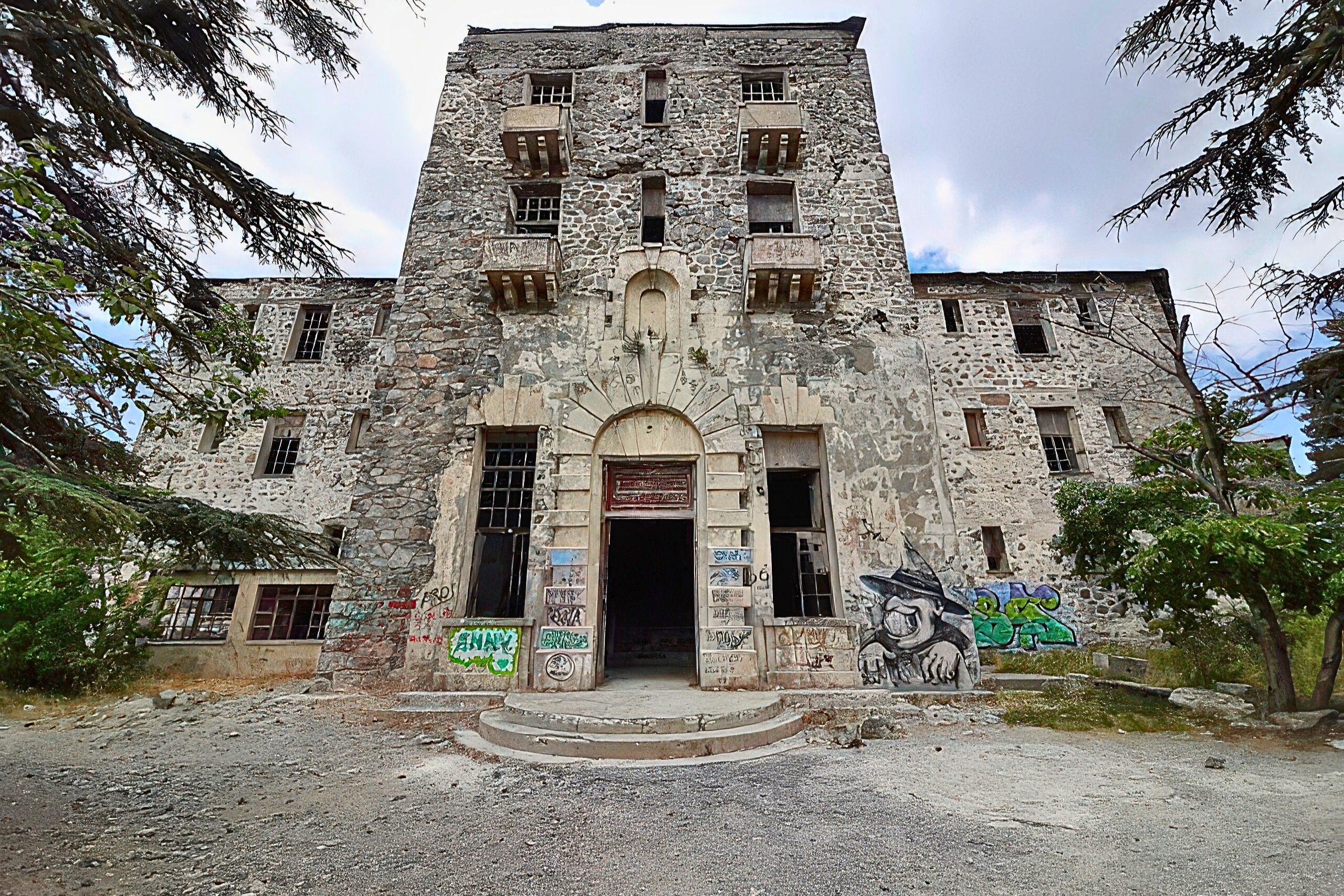
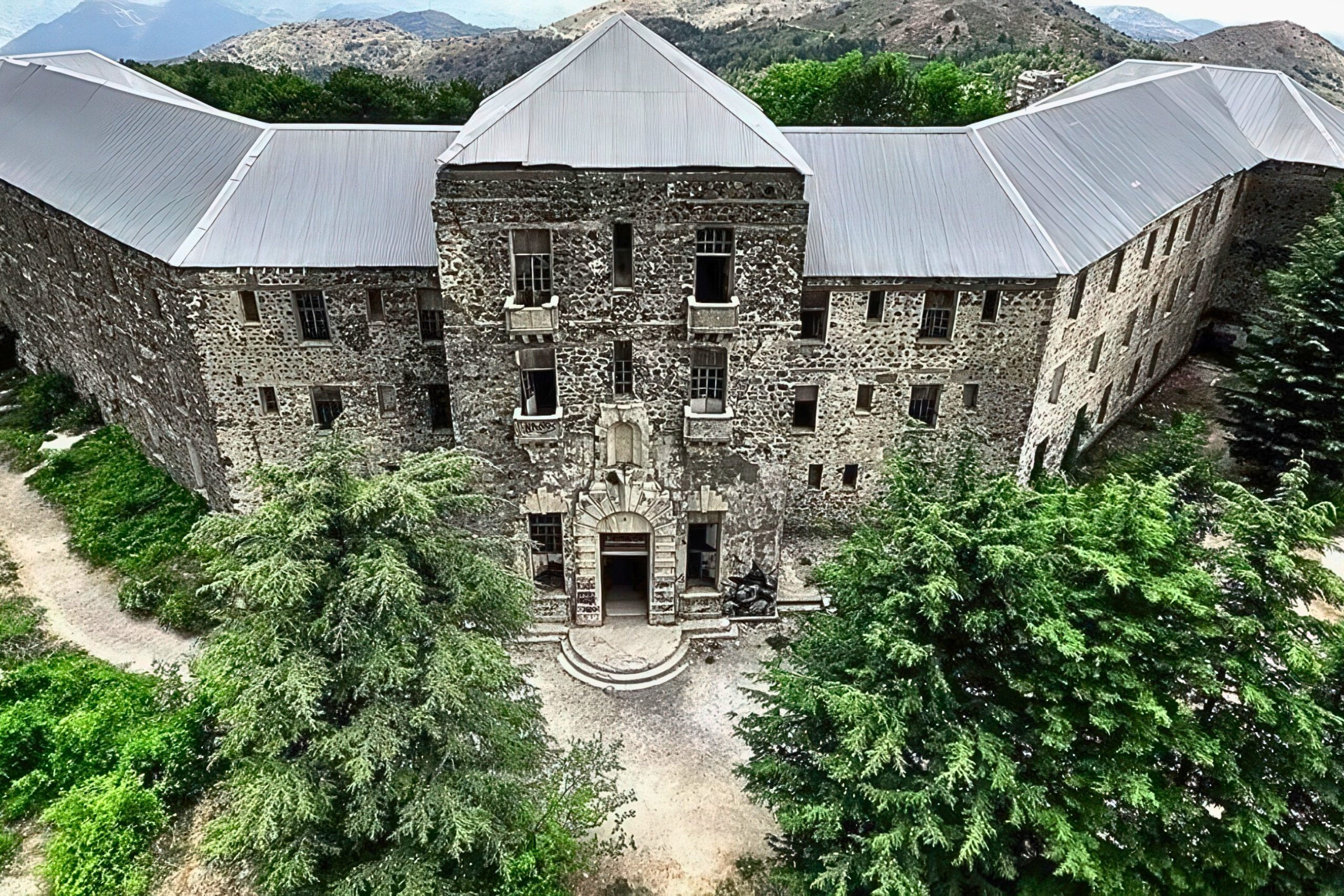
The Berengaria Hotel in the Troodos Mountains carries the most elaborate haunted reputation. Built in 1931 by Ioannis Kokkalos, it hosted royalty including King Farouk of Egypt. The hotel closed in 1984 after the owner’s three sons inherited it and allegedly failed to honor their father’s dying wish to manage it together. According to local legend, all three brothers died under mysterious circumstances. The eldest supposedly jumped from a waterfall, the second shot himself, and the third hanged himself. Locals claim their spirits still argue in the abandoned corridors. Other stories mention a manager who committed suicide, a woman found dead in the swimming pool, and a figure in white appearing at windows during sunset.
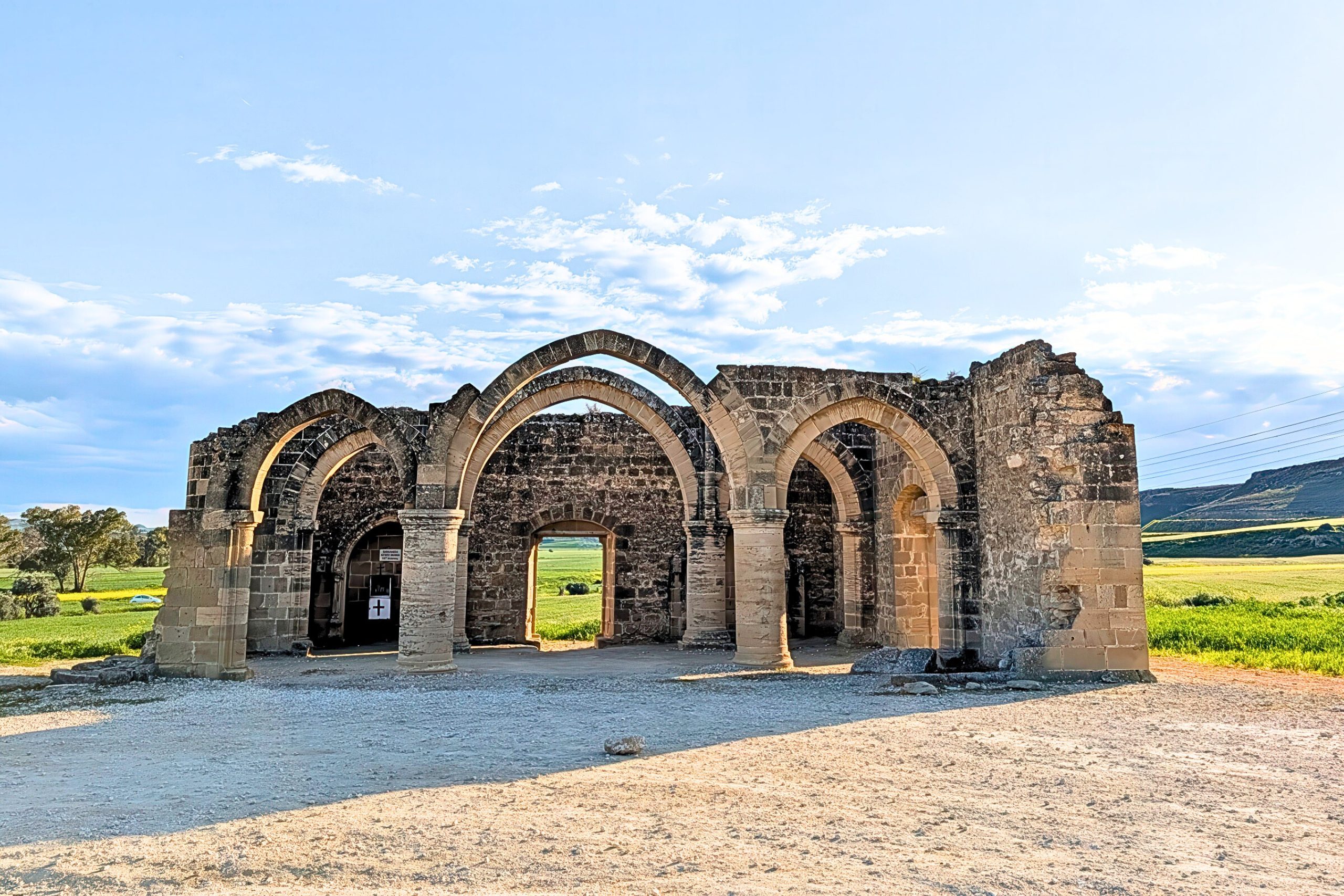
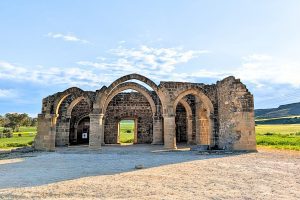
Agios Sozomenos village near Nicosia became a ghost town after 1974 when the Green Line cut through it. The ruins include a Gothic church from the 16th century dedicated to Agios Mamas. Visitors describe the site as particularly eerie during golden hour, when shadows create unsettling shapes among the crumbling walls. A cave church on the hilltop always has a candle burning, maintained by someone who visits regularly. Local legend claims you can still hear cries of victims when darkness falls and silence descends.
Interesting facts about supernatural beliefs in Cyprus
The Kalikantzaroi, mischievous goblins appearing during the 12 days of Christmas, feature prominently in Cypriot folklore. These creatures supposedly dwell beneath the earth and emerge to cause chaos until banished at Epiphany.
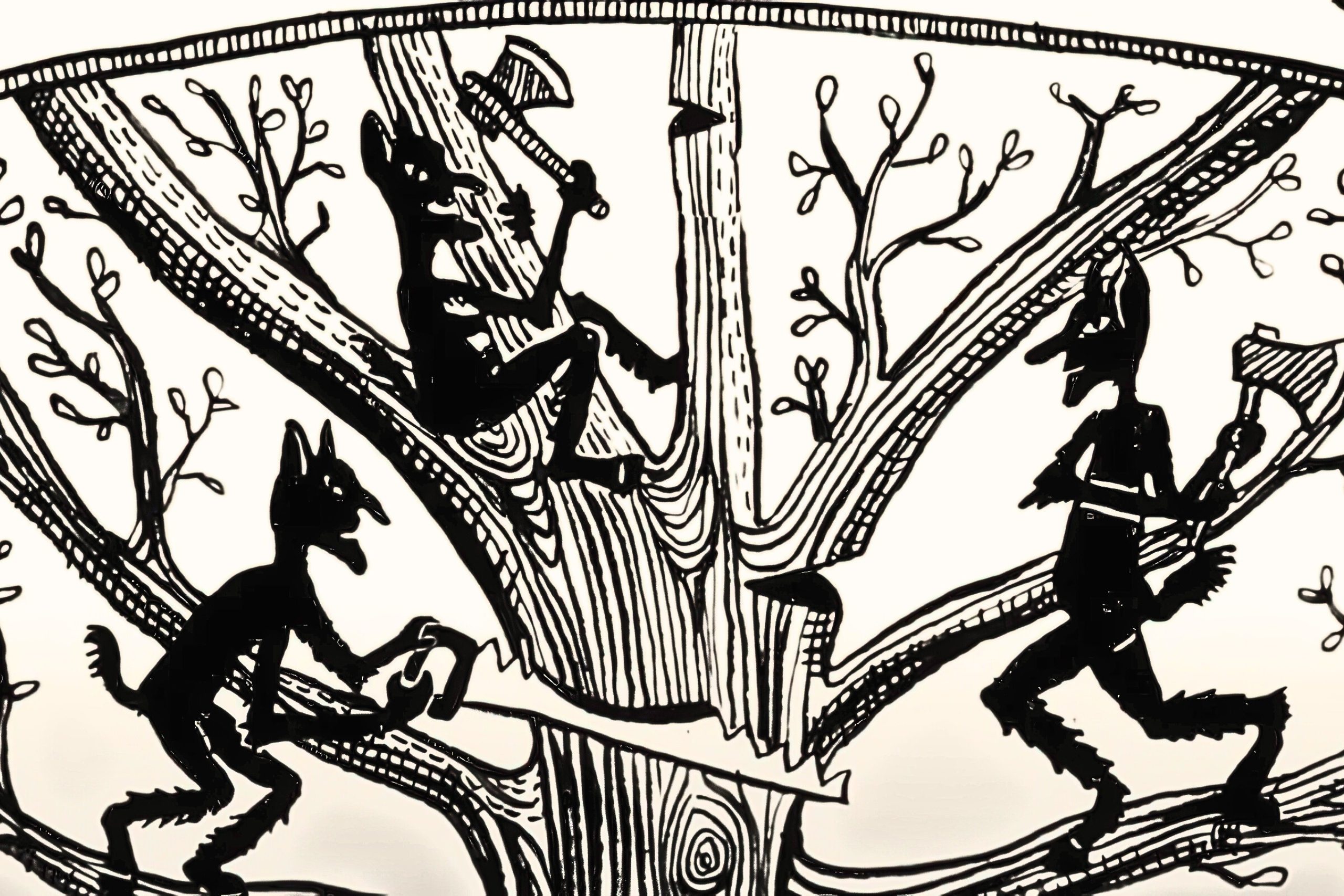
Cypriots traditionally prepare special doughnuts called kserotiana and throw them on roofs to distract the goblins. This belief connects to ancient winter festivals and continues in some villages today.
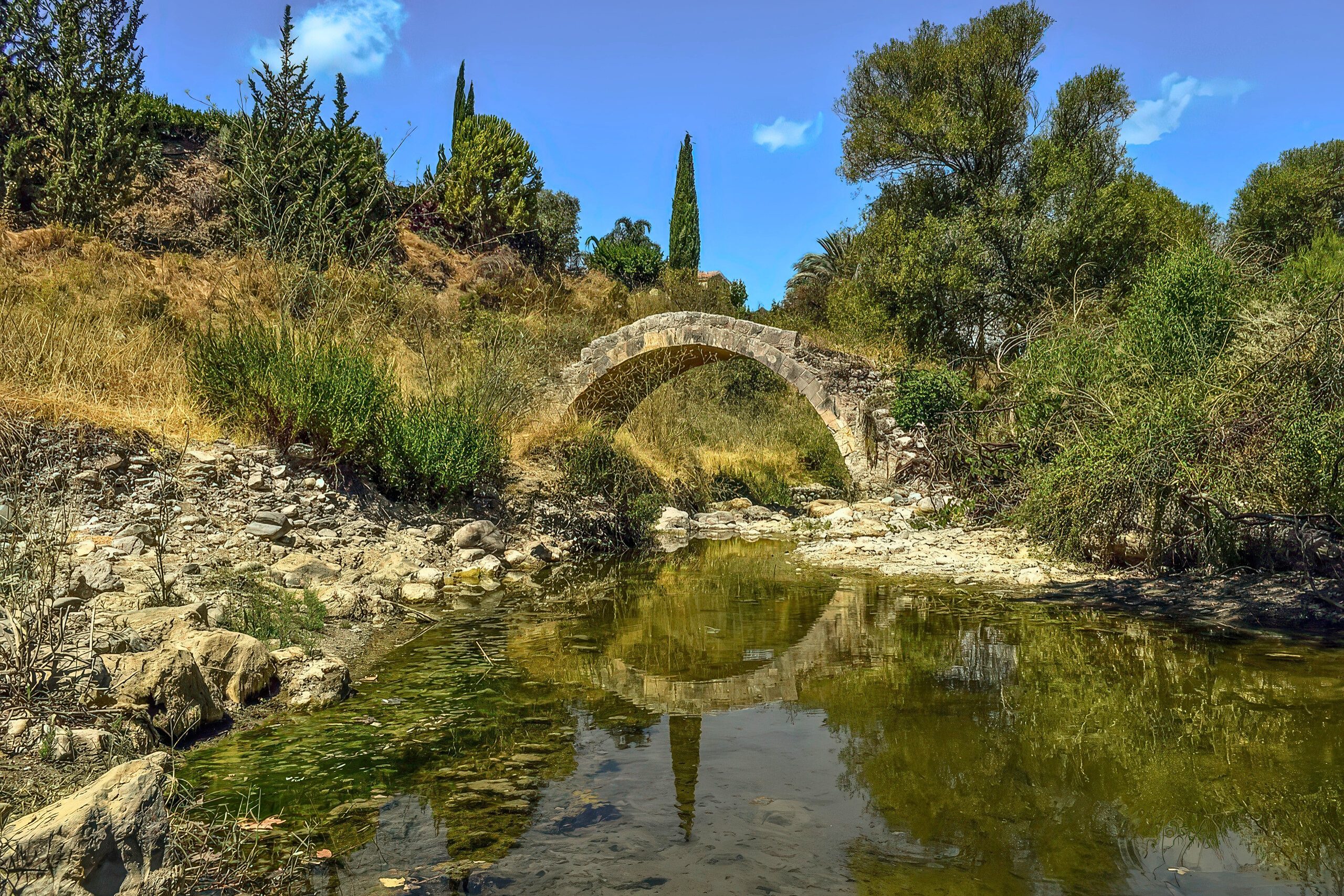
Skarfos Bridge in Paphos forests carries the tale of a bride who disappeared while crossing to meet her husband centuries ago. Locals claim a veiled woman walks across the bridge on moonlit nights but never reaches the other side. The bridge stands weathered but intact, with the story passed down through generations in nearby Simou village.
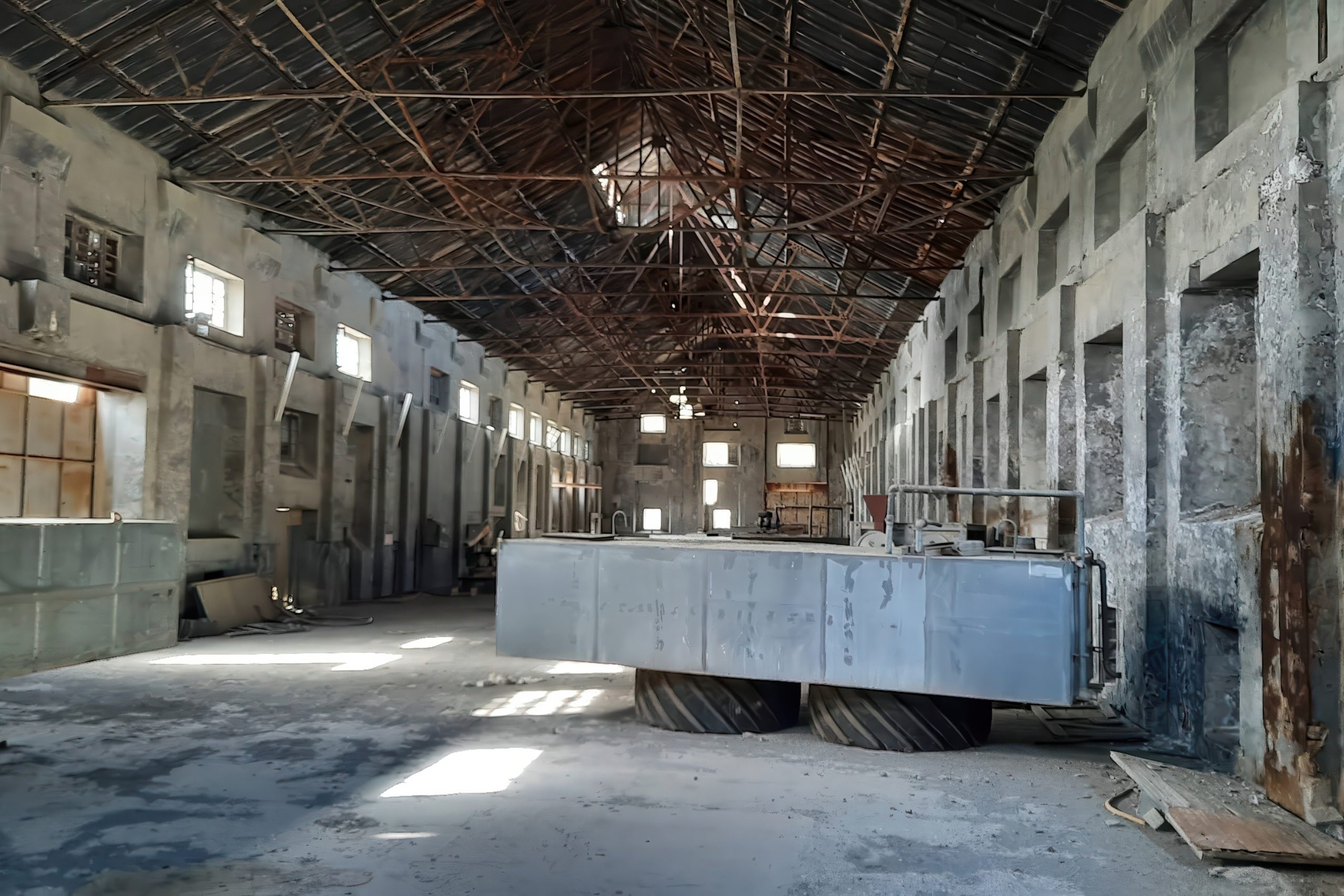
Mining villages like Skouriotissa and Amiantos were abandoned when operations ceased. Skouriotissa, founded in the 1920s by an American entrepreneur, sits near a UN peacekeeping base. The 16th century chapel of Panayia Skouriotissa remains accessible through friendly UN soldiers. These villages show how economic collapse creates physical spaces that folklore fills with supernatural explanations.
Modern attitudes toward haunted sites
Today these locations serve multiple purposes. Tourists visit for photography, historical interest, and the thrill of exploring abandoned spaces. Urban exploration enthusiasts document deteriorating buildings before they collapse completely. Local communities maintain complex relationships with these sites, viewing them as both cultural heritage and painful reminders.
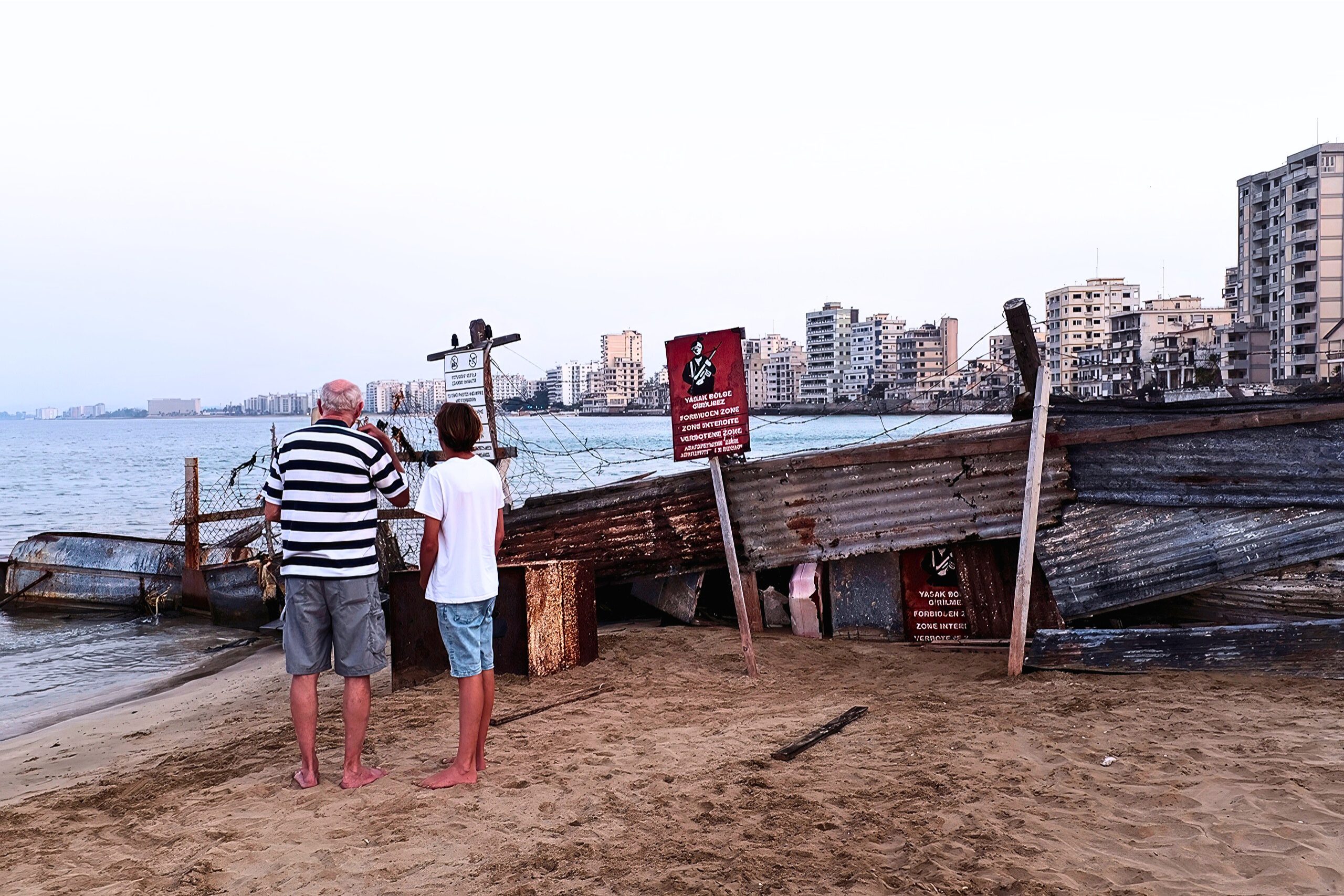
Varosha partially reopened in 2020, allowing civilians to visit designated areas. Nearly 400,000 people toured it within the first year. The experience confronts visitors with empty shops, cars left with keys inside, and nature reclaiming urban spaces. While some report supernatural experiences, others describe profound sadness at witnessing frozen moments from 1974.
Visiting abandoned and haunted sites responsibly
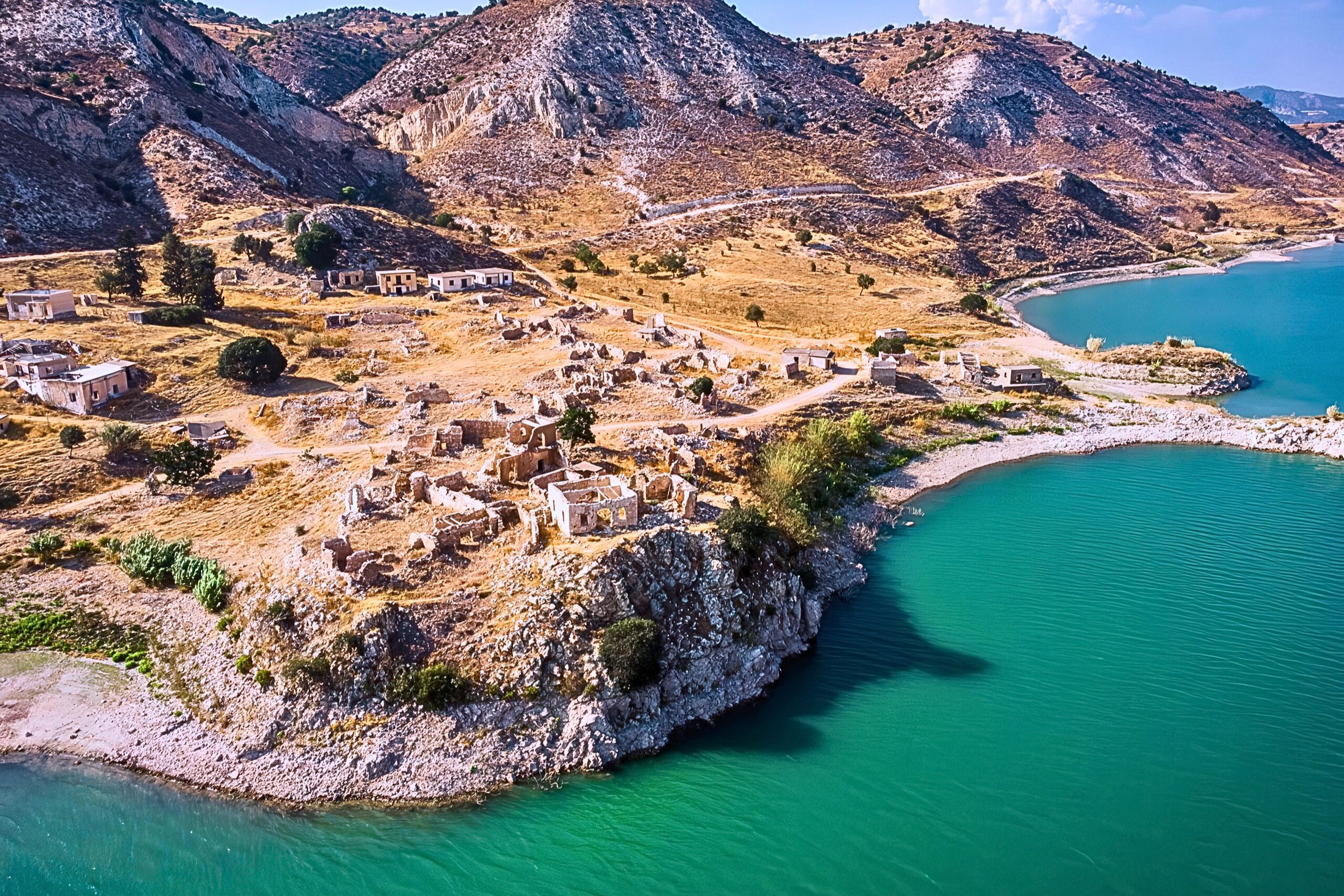
Several locations allow safe exploration. Agios Sozomenos provides accessible ruins with the Gothic church as the main attraction. Visitors reach it easily from Nicosia and can explore during daylight hours. The site works best for photography during sunrise or sunset when lighting enhances the atmosphere. Foinikas village near the Asprokremmos Reservoir shows how nature reclaims abandoned settlements. The Templar connection adds historical depth beyond supernatural stories. When reservoir levels drop, more ruins become visible.
Varosha requires crossing into the northern part of Cyprus. Tour companies offer guided visits to accessible areas, providing historical context alongside the visual impact. The experience combines post apocalyptic atmosphere with recent history education. For those interested in the Berengaria, viewing from outside remains safest until renovation completes. The mountain location offers beautiful forest scenery regardless of hotel access. Nearby Prodromos village provides accommodation and local perspectives on the legends.
Safety matters more than thrills. Abandoned buildings present real dangers from unstable structures, broken glass, and concealed hazards. Respecting property boundaries and following local guidance prevents legal issues and injuries. Many sites hold genuine historical significance and emotional weight for displaced communities.
The Importance of Preserving Cyprus’ Overlooked Places
These haunted and abandoned sites preserve crucial aspects of Cypriot identity. They represent the island’s complex history, its periods of prosperity and trauma, and the resilience of communities facing displacement. The supernatural stories provide frameworks for understanding events too difficult to process directly. They connect modern Cypriots to their recent past while acknowledging losses that remain unresolved.
The sites also demonstrate how physical spaces carry emotional weight. Empty buildings and deserted streets evoke stronger responses than historical accounts because they provide tangible evidence of absence. Walking through Varosha or standing before Berengaria creates direct connections to the people who fled or died, making history immediate rather than abstract. Cyprus maintains these locations as reminders, warnings, and spaces for reflection about the consequences of conflict, greed, and division.