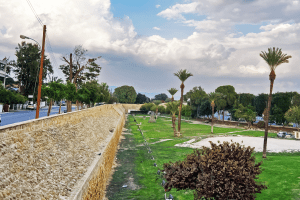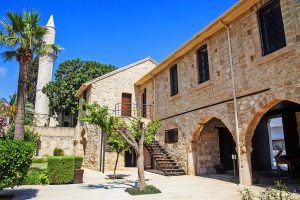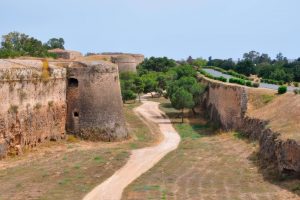
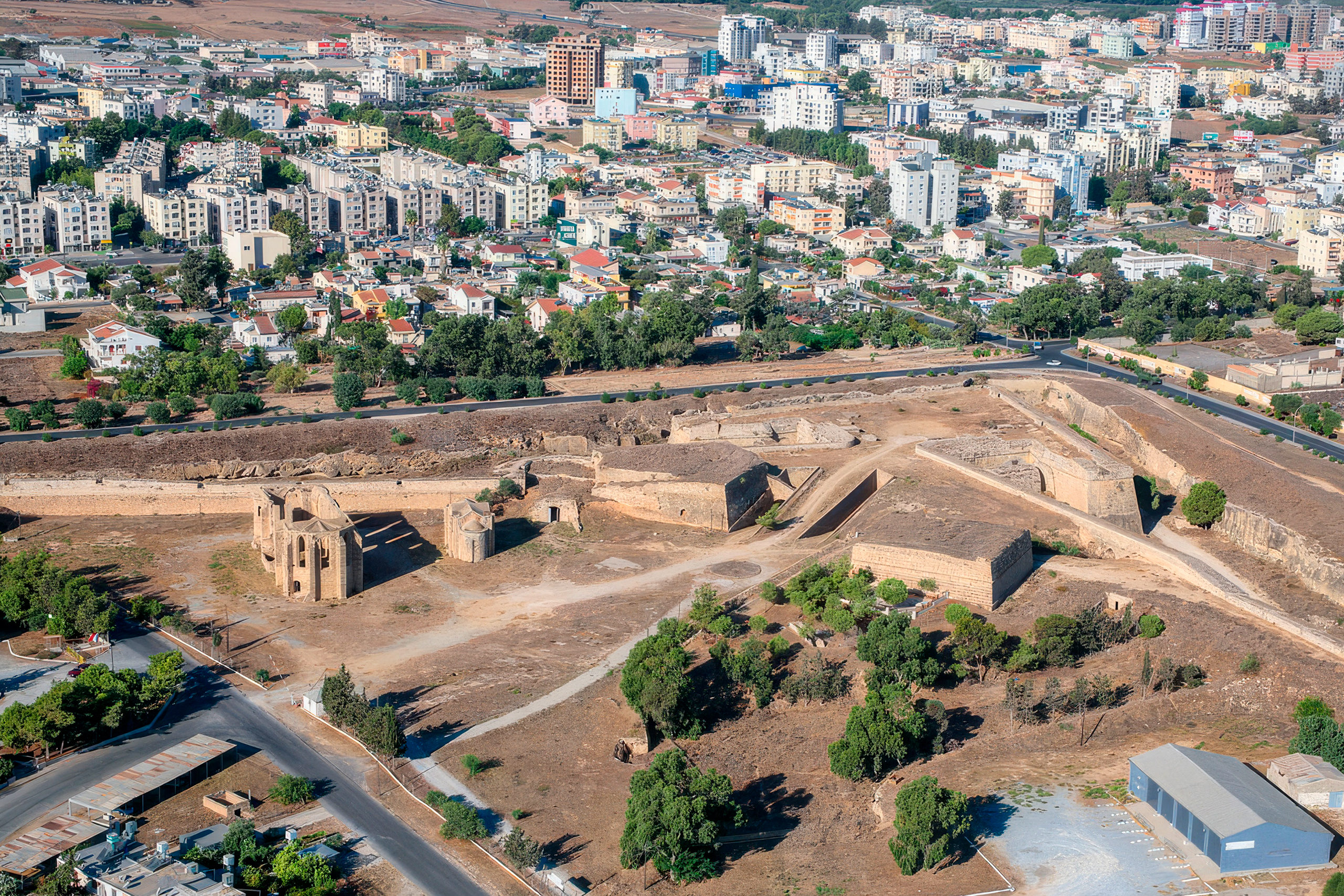
In the northwest corner of Famagusta’s historic walled city stands one of the Mediterranean’s most impressive examples of Renaissance military architecture. The Martinengo Bastion, also known as Tophane, represents a turning point in defensive technology and remains a testament to 16th-century engineering brilliance.
When the Republic of Venice took control of Cyprus in 1489, military engineers quickly recognized a serious problem. The existing fortifications throughout the island were outdated and vulnerable to modern artillery. Medieval walls, built tall and thin to defend against siege towers and scaling ladders, could not withstand the devastating impact of cannon fire.
Famagusta presented a particular challenge. As Cyprus’s main port and commercial hub, the city required strong defenses. Yet its northwest corner remained especially weak, creating a dangerous gap in the defensive perimeter. The Venetians understood that this vulnerability could prove fatal if the Ottoman Empire decided to expand its territory into Cyprus.
Giovanni Girolamo Sanmicheli Takes Command
In 1550, the Venetians brought in Giovanni Girolamo Sanmicheli, nephew of the renowned fortification architect Michele Sanmicheli of Verona, to redesign Famagusta’s defenses. The younger Sanmicheli arrived with experience in the latest military engineering techniques and an understanding of how warfare had evolved.
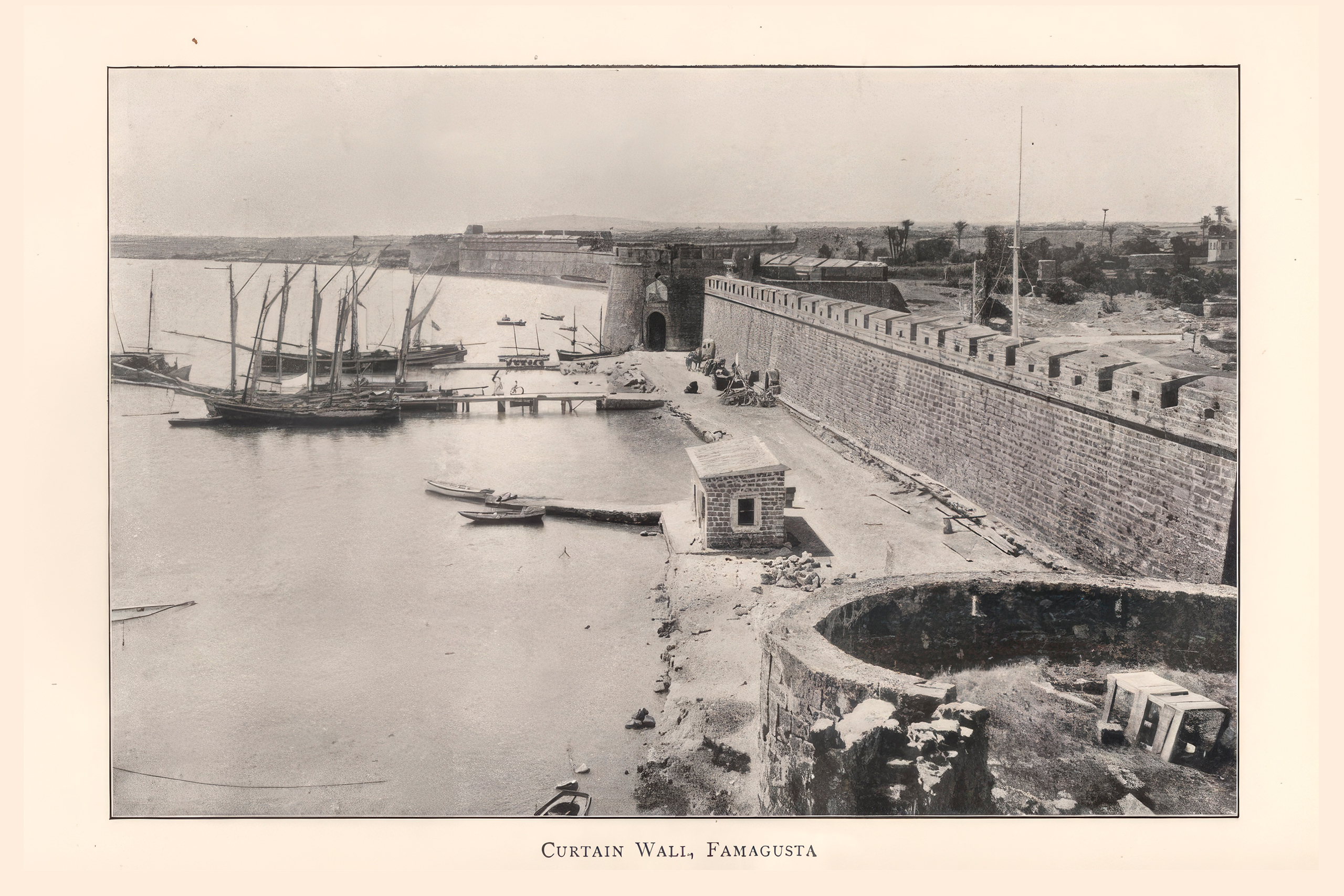
Construction took approximately nine years. Sanmicheli died in Famagusta in 1559 before seeing his masterwork completed, but his vision resulted in a bastion that would influence fortification design across Europe and even reach the Spanish colonies in America. The architectural design drew inspiration from Michelangelo’s fortifications of Florence, built in 1528, and showed clear parallels to Leonardo da Vinci’s theoretical studies on defensive structures.
Revolutionary Design Features
The Martinengo Bastion marked a fundamental shift in defensive philosophy. Unlike medieval fortifications, Renaissance military architecture embraced low, massive construction designed to deflect, absorb, and survive cannon bombardment rather than simply resist it.
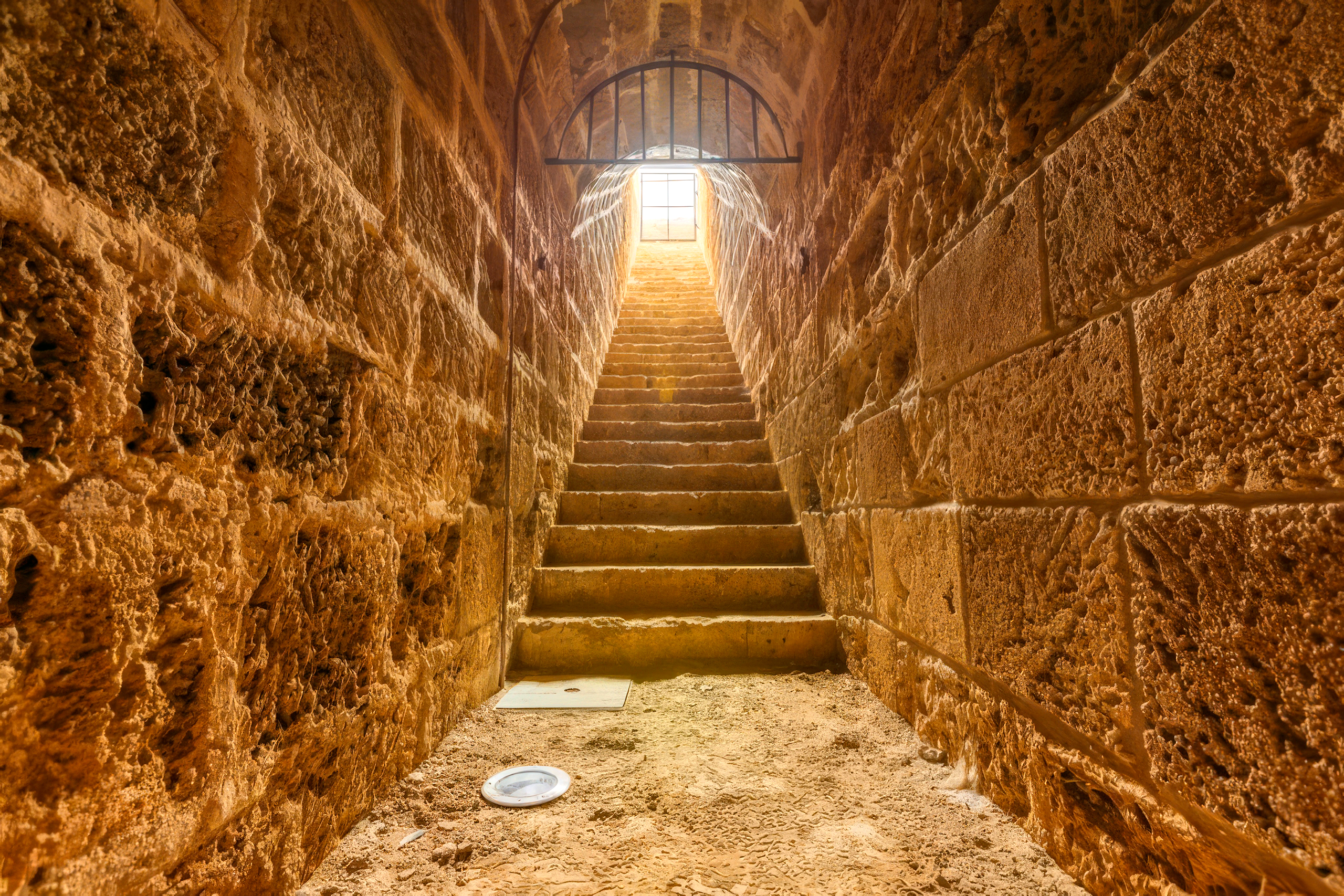
The bastion’s distinctive arrowhead shape, unique among Famagusta’s 14 bastions, pointed inland rather than outward. This design provided multiple tactical advantages. Defenders could direct artillery fire not only away from the walls but also along the defensive line itself if attackers managed to breach the moat. This created overlapping fields of fire that made any assault extraordinarily dangerous.
The structure covers over one square mile and features walls up to six meters thick. These massive walls incorporated earth as a primary material to absorb cannonball impacts. The bastion’s profile was deliberately built low, presenting a minimal target to enemy artillery while still maintaining commanding height over the surrounding moat.
Inside the bastion, engineers designed curved passageways connecting different sections, allowing rapid troop movement during battle. Double ramps permitted horses and wagons to quickly transport defenders, ammunition, and supplies to gun positions. Ventilation chimneys drew away gunpowder smoke, while dedicated storage spaces held barrels of powder and stacks of cannonballs.
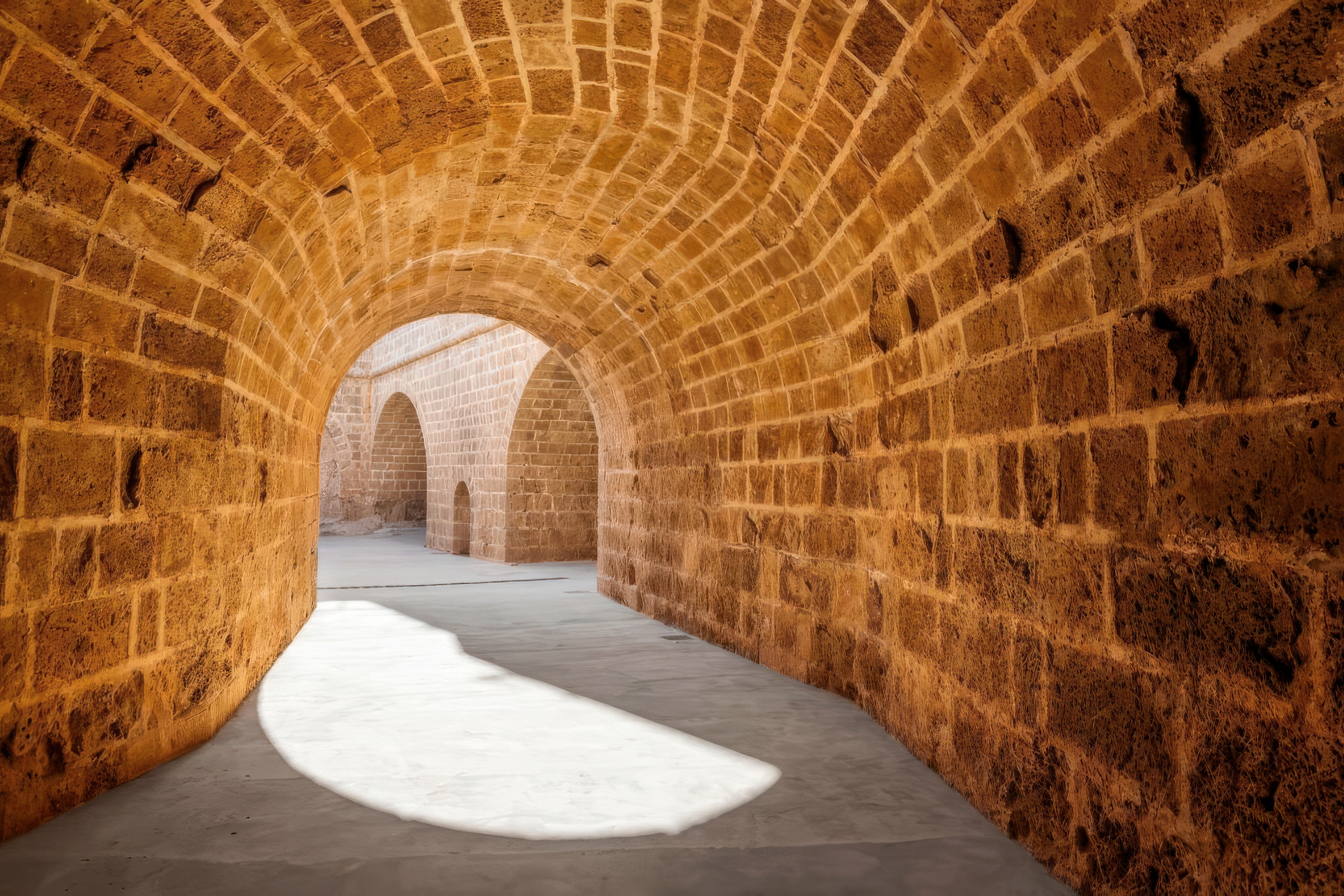
Two elevated positions called cavaliers rose behind the main bastion structure. These platforms allowed artillery to fire over the bastion walls, adding another layer to the defensive system. The bastion’s lower sections were integrated directly into bedrock, preventing enemies from tunneling underneath to plant explosives.
The Story Behind the Name
The bastion received its name during the Ottoman siege that began in 1570. Hiernino Martinengo, a popular Venetian commander, was dispatched with reinforcements to help defend Famagusta. Tragically, Martinengo died during the journey to Cyprus. His body was brought to Famagusta, and the impressive bastion was named in his honor, recognizing both his sacrifice and his importance to the Venetian forces.
The Ottoman Siege Tests the Defenses
The Martinengo Bastion faced its ultimate test when Ottoman forces invaded Cyprus in 1570. After capturing most of the island, including the capital Nicosia, the Ottomans turned their attention to Famagusta on September 15, 1570. What followed became one of history’s most grueling sieges.
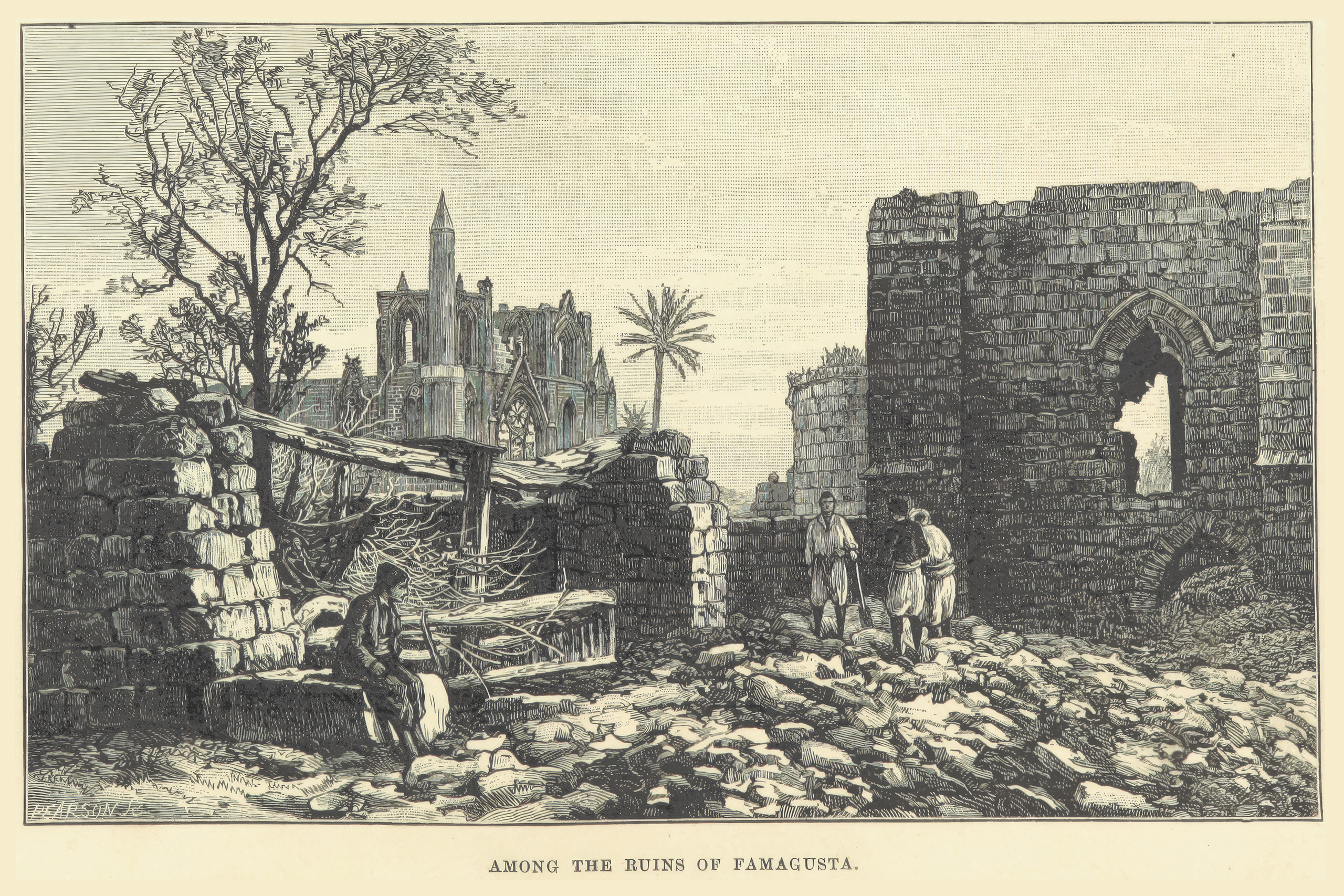
Despite facing vastly superior numbers, Famagusta held out for eleven months. The Martinengo Bastion proved so formidable that Ottoman commanders, following their standard tactical doctrine, refused to attack it directly. Instead, they focused on weaker sections of the city’s defenses. The bastion’s sophisticated design and solid construction meant it emerged from the siege with relatively little damage.
The siege cost the Ottoman forces an estimated 50,000 casualties. When the Venetian defenders finally surrendered in August 1571, running out of gunpowder and food, they had demonstrated exactly why the Martinengo Bastion design would become a model for fortifications worldwide.
A Lasting Military Legacy
The Martinengo Bastion represents a crucial moment in military architecture history. It stands at the transition point between medieval and Renaissance defensive technology, demonstrating how warfare’s evolution demanded radical new approaches to fortification design.
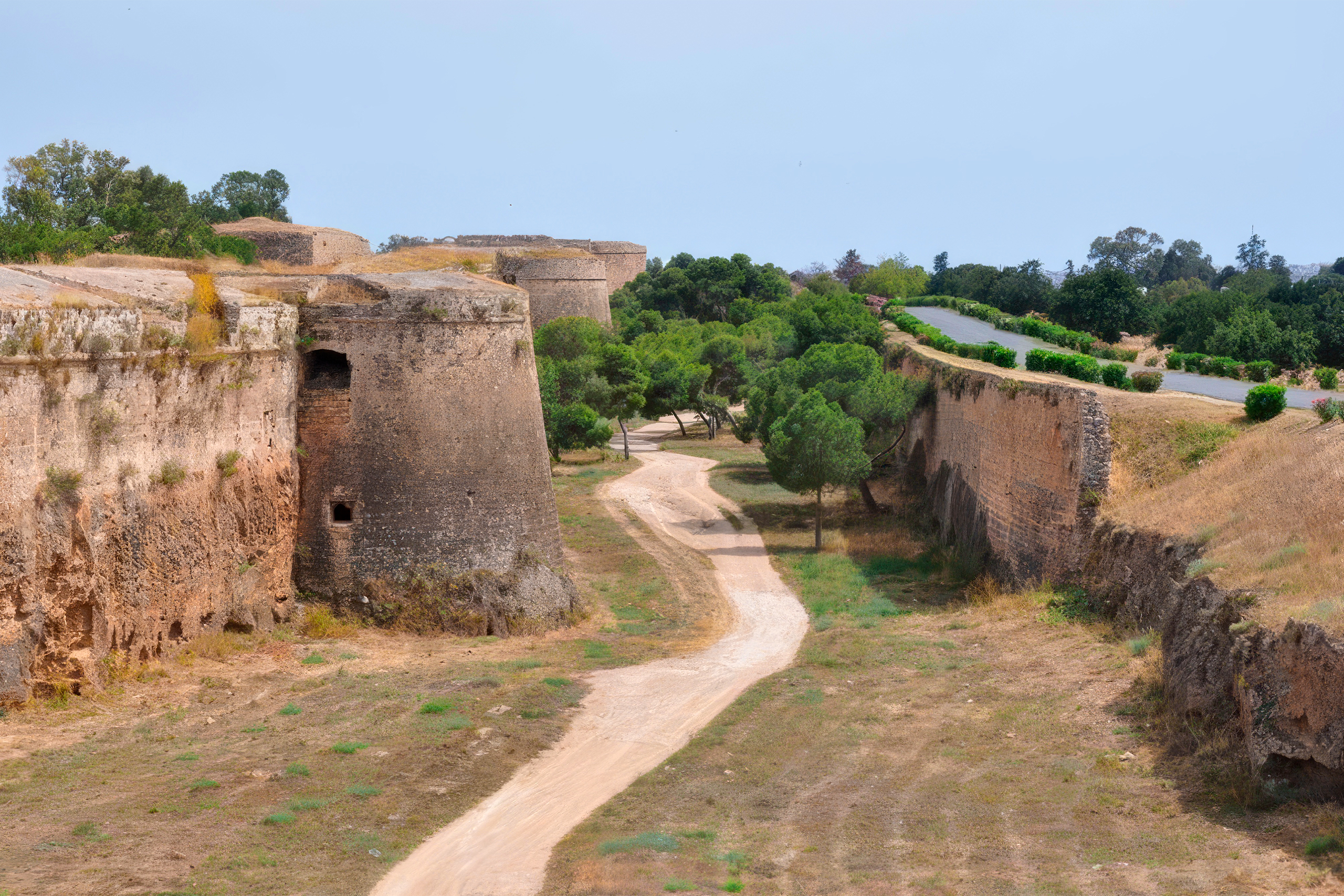
This design influenced military engineering for three centuries. Fortifications throughout Europe and the Spanish Empire in the Americas borrowed elements from the Martinengo model. The Republic of Venice even built the fortress of Palmanova in Italy in 1593, incorporating lessons learned from Famagusta’s defenses.
Preservation and Modern Access
One ironic result of the bastion’s excellent design is its remarkable preservation. Because Ottoman forces avoided attacking it directly, the structure survived the siege largely intact. Later occupiers maintained rather than modified the bastion, recognizing its continued defensive value.
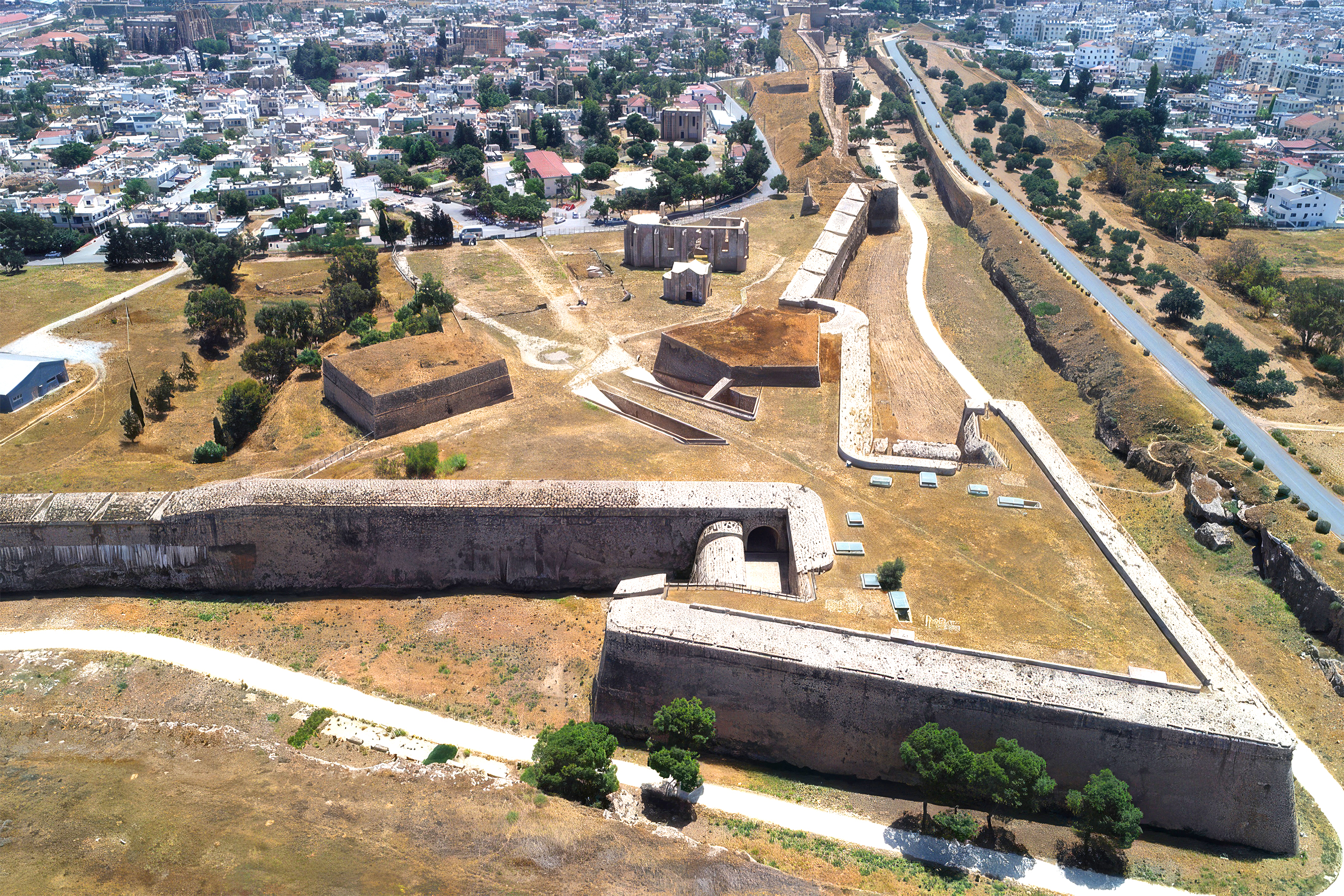
Recent restoration work funded by the United Nations Development Programme has strengthened the walls, repaired time-related damage, and improved visitor access. The restoration included enhanced drainage systems, new safety features, and better accessibility for visitors with disabilities.
Within the bastion grounds, visitors can explore two medieval churches that found protection behind these walls. The Armenian monastery of Ganchvor, built in 1364 by refugees from Cilicia, displays architectural styles distinct from other Famagusta structures. Nearby stands the Church of Our Lady of Mount Carmel, also dating to the 14th century.
The site remains somewhat off the main tourist routes, located at a distance from Famagusta’s city center. However, this relative isolation adds to the experience, allowing visitors to explore the massive fortification in a peaceful setting that contrasts with its violent history.
Understanding the Historical Impact
The Martinengo Bastion offers more than architectural interest. It represents a pivotal moment when military technology forced a complete rethinking of defensive strategy. The transition from tall medieval walls to low, massive Renaissance fortifications changed how cities protected themselves and how armies conducted sieges.
For visitors interested in military history, the bastion provides a tangible connection to this transformation. The thick walls, strategic positioning, and sophisticated internal design all demonstrate how engineers responded to the challenges posed by gunpowder artillery.
The site also tells a human story. From Sanmicheli’s vision to Martinengo’s sacrifice to the defenders who held out for eleven months against impossible odds, the bastion witnessed courage, innovation, and determination. Today it stands as one of the few remaining intact Renaissance bastions in the eastern Mediterranean, offering visitors a chance to walk through genuine military history and appreciate the engineering achievements that shaped warfare for centuries.