Explore Cyprus with Our Interactive Map

Explore our top stories and discover ideas worth your time.

Troodos Mineral Springs

Troodos Mineral Springs

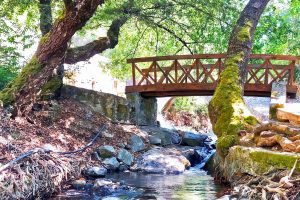
Deep in the Troodos Mountains, sulfur-rich waters rise from ancient rock, just as they have for thousands of years. These mineral springs have drawn healers, pilgrims, and travelers since antiquity. The most famous flows in Kalopanayiotis village, where thermal waters meet the Setrachos River beside a centuries-old Venetian bridge. shutterstock-com Mineral springs produce water containing dissolved substances that alter its taste and give it therapeutic value. Salts, sulfur compounds, and gases dissolve into the water during its underground passage. The springs in Cyprus are particularly rich in sulfur, with additional minerals including magnesium and calcium. Water temperature at these springs varies from pleasantly warm to quite hot. The therapeutic minerals become concentrated as groundwater moves through rock formations deep underground. When pressure builds, the heated, mineral-laden water finds paths to the surface through cracks and faults in the bedrock. The Troodos ophiolite system, formed approximately 90 million years ago during the Upper Cretaceous period, provides the geological foundation for these springs. This ophiolite represents a fragment of ancient ocean floor pushed upward by tectonic forces. As water circulates through these volcanic rocks, it collects the minerals that give the springs their healing properties. From Ancient Temples to Christian Monasteries The Kingdom of Solon controlled the Marathasa area in ancient times. Kings used the sulfur springs as their wellness resort, combining…

Read more
Bellapais Abbey – Cyprus, Europe

Bellapais Abbey – Cyprus, Europe

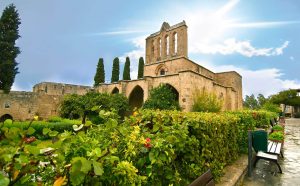
Bellapais Abbey is a 13th-century monastery ruin located in the village of Bellapais, about 5 kilometers from Kyrenia in the Turkish-occupied part of Cyprus. Built on a hillside at 220 meters above sea level, the abbey offers views across the coast to the Mediterranean Sea. This Gothic structure is considered one of the finest examples of medieval architecture in the Eastern Mediterranean and remains one of Cyprus's most visited historical sites. visaliv-com The site may have been known as Episcopia or Piscopia before the abbey was built, suggesting it served as a residence for the Bishop of Kyrenia and as a refuge during Arab raids in the 7th and 8th centuries. The elevated position and defensible location made it suitable for both religious and protective purposes during periods of coastal threats. Historical Background The first occupants known to settle at the site were Augustinian monks called the Canons Regular of the Holy Sepulchre, who fled Jerusalem in 1187 after the city fell to Saladin during the Crusades. These monks had previously been custodians of the Church of the Holy Sepulchre in Jerusalem, one of Christianity's holiest sites. King Aimery de Lusignan granted them land and founded the monastery between 1198 and 1205. The abbey was consecrated as the Abbey of St. Mary of the Mountain. In 1206, the Premonstratensians, also…

Read more
Freshwater Wetlands and Ponds Cyprus

Freshwater Wetlands and Ponds Cyprus

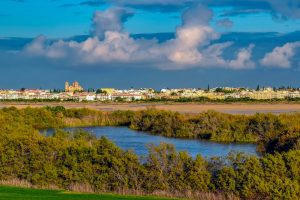
Freshwater Wetlands and Seasonal Ponds are temporary ecosystems in inland depressions across Cyprus, supporting amphibians, migratory waterfowl, and rare fish. These habitats form during winter rains, transforming dry basins into vibrant pools that host diverse life before evaporating in summer heat. Facebook.com They play a crucial role in the island's biodiversity, offering breeding grounds and stopovers in an otherwise arid landscape, highlighting nature's cyclical resilience. A Temporary Ecosystem Inland Freshwater wetlands and seasonal ponds in Cyprus represent ephemeral water bodies that appear in low-lying inland areas, filling with rainwater and runoff to create shallow, nutrient-rich habitats. These depressions, scattered across the Mesaoria Plains and Troodos foothills, range from small ponds of a few square meters to larger wetlands like the one at Paralimni, covering up to 2 square kilometers in wet seasons. wikipedia.org They support amphibians like the green toad, migratory waterfowl such as teals, and rare fish species adapted to fluctuating water levels. This temporary nature - flooding in winter (November-March) and drying in summer (June-September) - fosters a dynamic ecosystem where life cycles sync with rainfall, making them vital for species survival in Cyprus's semi-arid climate. Historical Formation and Evolution These ecosystems formed during the Holocene epoch around 10,000 years ago, as post-glacial climate shifts created depressions from river erosion and tectonic subsidence, per geological studies by the…

Read more