Explore Cyprus with Our Interactive Map

Explore our top stories and discover ideas worth your time.

Pilgrimage to Saintly Relics

Pilgrimage to Saintly Relics

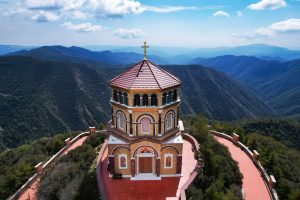
Pilgrimage to saintly relics in Cyprus is a heartfelt tradition where believers journey to tombs, monasteries, and churches to connect with holy figures like Saint Lazarus or pieces of the True Cross. These trips blend deep faith with hopes for healing and protection, turning the island's landscapes into paths of spiritual renewal. It's a practice that feels personal and alive, drawing people from near and far to experience a touch of the divine in everyday places. Basilica-ro A Journey of Faith and Connection Imagine setting out on a winding road through Cyprus's hills or coastal towns, driven not by sightseeing but by a quiet need for solace or thanks. That's the essence of pilgrimage to saintly relics here - a simple yet profound act where ordinary folks seek out the remains or sacred items of saints, believing they hold ongoing power. These aren't museum pieces; they're bridges to the holy, places where prayers feel heard and lives can shift. From bustling Larnaca to remote mountain monasteries, pilgrims come for everything from physical cures to emotional peace, making the island a living map of devotion. No fancy rituals required - just an open heart and a willingness to travel, turning the act of going into a form of worship itself. Roots in Ancient Beliefs and Miracles This tradition stretches back to…

Read more
Lefkara Lace (Lefkaritika)

Lefkara Lace (Lefkaritika)

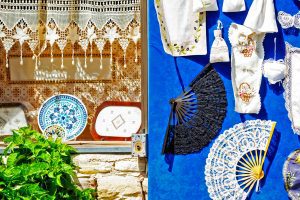
Lefkara Lace (Lefkaritika) is a world-renowned handmade lace tradition from Cyprus, distinguished by its geometric precision, white-on-white stitching, and centuries-old transmission through female artisans. Originating in the village of Lefkara, this craft blends intricate patterns that symbolize nature and life, creating delicate textiles prized for their elegance and cultural depth. Recognized by UNESCO as intangible cultural heritage in 2009, it represents Cyprus's enduring artisanal legacy, where women's hands have woven history into fabric for generations. unesco-org A Timeless Craft of Elegance and Skill Lefkara lace, known locally as Lefkaritika, embodies the island's rich textile heritage, a form of needlework where fine linen threads are drawn and stitched into intricate designs that appear almost ethereal against a white background. Produced exclusively in the villages of Pano and Kato Lefkara in the Larnaca District, this lace features geometric motifs inspired by nature, such as rivers, daisies, and almond blossoms, arranged in symmetrical patterns that require exceptional precision and patience. The craft's white-on-white aesthetic, using unbleached cotton or linen, creates subtle shadows and textures that play with light, giving pieces a luminous quality. This tradition not only produces beautiful items like tablecloths, doilies, and clothing but also serves as a cultural symbol of Cypriot ingenuity, where women's artistry has sustained communities through economic and social changes. The process begins with "dafna," a counted…

Read more

Quiet Coast & Natural Beauty

Quiet Coast & Natural Beauty

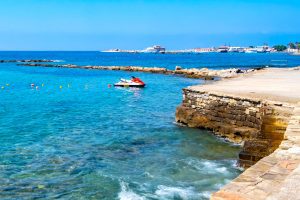
Alykes Beach is a quiet coastal area located near the town of Neapolis in the Famagusta district of southeastern Cyprus. The beach stretches approximately 400 meters along the Mediterranean coast, positioned about 1.8 kilometers from the center of Neapolis. chooseyourcyprus.com Unlike the busier tourist beaches found in major resort areas, Alykes maintains a more tranquil atmosphere that appeals to visitors seeking a relaxed seaside experience. The beach consists of small coves covered with sand, with portions privately owned by local beach resorts while maintaining a spacious public access area. Development of the Coastal Area The Neapolis area developed gradually as a coastal settlement, with the beach remaining relatively undeveloped compared to major tourist zones in Cyprus. The name Alykes likely refers to salt pans or saline areas that historically existed along Mediterranean coastlines, though the modern beach area shows no obvious traces of such features. The beach gained its current character through modest development that balanced tourism needs with preserving the natural coastal environment. Local authorities maintained regulations that prevented excessive construction and kept much of the surrounding landscape in its natural state. The beach infrastructure developed primarily during the expansion of Cyprus tourism in recent decades, yet growth remained controlled compared to areas like Ayia Napa or Protaras just a few kilometers away. This slower development pattern helped Alykes…

Read more