Explore Cyprus with Our Interactive Map

Explore our top stories and discover ideas worth your time.

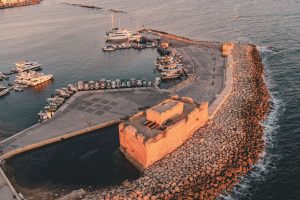
Nea Paphos Harbor

Nea Paphos Harbor

Nea Paphos emerged as one of the most strategically important harbor cities in the ancient Mediterranean. Founded in the late 4th century BC on the southwest coast of Cyprus, this planned city replaced the older settlement of Palaipaphos and quickly became the island's capital. touriste-ru The harbor served dual purposes as both a major naval base and a thriving commercial port, connecting Egypt with the broader Mediterranean world. Today, the archaeological remains spread across 100 hectares near modern Kato Paphos, offering a window into ancient maritime power. Historical Background King Nikokles, the last monarch of Palaipaphos, founded Nea Paphos around 320 BC. After Alexander the Great's death, Cyprus fell under Ptolemaic Egyptian control in 294 BC, where it remained for over 250 years. The site offered exceptional advantages. The city occupied a peninsula between two hills, with a natural bay providing shelter from storms. Strabo reported that the harbor offered protection from winds in all directions. Nearby forests supplied abundant cedar wood for shipbuilding, while the location sat on the critical maritime route between Rhodes and Alexandria. tripadvisor-ru Urban planners designed Nea Paphos according to the Hippodamian grid system, heavily influenced by Alexandria. Regular streets intersected at right angles, creating rectangular blocks called insulae. Defensive walls separated the urban area from the mainland, while public buildings faced the large harbor.…

Read more

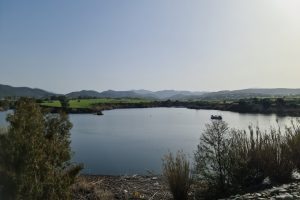
Mesaoria Basin Cyprus

Mesaoria Basin Cyprus

Stand on a small hill just outside Nicosia and look around. To the south the Troodos Mountains rise dark and rugged on the horizon, their volcanic slopes fading into forests. To the north the Kyrenia range appears as a long pale wall of limestone cliffs or rugged forms stretching as far as the eye can see. Between them lies an immense open landscape. Vasily Papkovskiy This is Mesaoria. In Greek it literally means “between the mountains”. This basin forms a natural wide corridor across the island, a broad open landscape framed by two very different geological worlds. At first glance the region may appear quiet compared with the dramatic mountains that surround it. There are no towering cliffs or deep gorges. Instead, the land spreads outward in broad plains and gentle plateaus where fields stretch toward distant villages. Yet beneath this calm landscape lies one of the most revealing geological chapters of Cyprus.Mesaoria is not simply a plain between mountains. It is the remnant of a vast sea basin that once separated the Troodos massif from the Kyrenia range. For millions of years this basin collected sediments washed from the surrounding highlands while marine life thrived in its waters. Later tectonic movements slowly lifted the seabed, turning the marine basin into dry land. Now imagine travelling ten million years back…

Read more
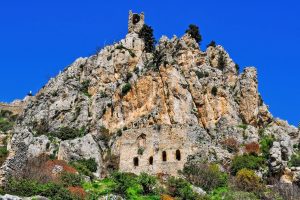
Kyrenia Mountains Cyprus Nature Reserve

Kyrenia Mountains Cyprus Nature Reserve

The Kyrenia Mountains form a dramatic limestone barrier along the northern coast of Cyprus. This narrow mountain range stretches for 160 kilometers from Cape Andreas in the east to Cape Kormakiti in the west. shutterstock-com The Kyrenia range, also known as Pentadaktylos Mountains, rises abruptly from sea level to reach its highest point at Mount Selvili, which stands at 1,024 meters. The mountains run parallel to the coast, separated from the sea by a narrow coastal plain. To the south, the range overlooks the wide Mesaoria Plain, which extends toward the Troodos Mountains in central Cyprus. The name Pentadaktylos means "five fingers" in Greek and refers to a distinctive peak in the western section that resembles a hand with five fingers reaching toward the sky. This sharp ridge has become one of the most recognizable natural landmarks on the island. Historical Background The Kyrenia Mountains consist of the oldest rocks in Cyprus, formed from sedimentary deposits that accumulated from the Permian period through the Middle Miocene. These sedimentary formations were pushed upward when the African and Eurasian tectonic plates collided millions of years ago. The range represents the very edge of the Eurasian plate. northcyprusinform-com The mountains are primarily made of hard crystalline limestone, with areas of dolomite and marble. This limestone composition creates a rugged landscape with steep escarpments…

Read more