Explore Cyprus with Our Interactive Map

Explore our top stories and discover ideas worth your time.

Summer vs Winter Travel in Cyprus

Summer vs Winter Travel in Cyprus

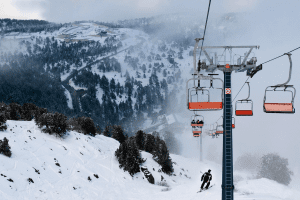
Cyprus offers two distinctly different travel experiences depending on when visitors visit. The Mediterranean island transforms from a sun-soaked beach paradise in summer to a mild, green sanctuary in winter. Both seasons have their unique advantages, and choosing between them depends on what visitors want from their trip. Shutterstock-com Summer brings hot weather and crowded beaches, while winter offers cooler temperatures and fewer tourists. Understanding these differences helps visitor plan a trip that matches their expectations and budget. Weather Patterns Throughout the Year Summer in Cyprus runs from June to August, with temperatures regularly reaching 30 to 34 degrees Celsius along the coast. Summer in Larnaca is also hot, dry, and incredibly sunny. Daily highs typically climb from 30°C (86°F) in June to a peak of 33°C (91°F) in July and August, though heatwaves can occasionally push temperatures above 40°C (104°F). The sea temperature stays around 26 degrees Celsius, perfect for swimming and water sports. Shutterstock-com Winter lasts from December to February, with daytime temperatures averaging 16 to 18 degrees Celsius along the coast. Nights can drop to 8 to 10 degrees Celsius. The season brings most of the island's annual rainfall, particularly in December and January. The Troodos Mountains experience much colder conditions, with temperatures dropping to minus 5 degrees Celsius at night and snow coverage reaching up to…

Read more
British Police Stations

British Police Stations

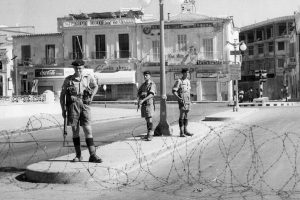
British Police Stations and Administrative Offices in Cyprus represent the architectural and institutional backbone of colonial rule, embodying the empire's strategies for maintaining order, surveillance, and administrative dominance over the island from 1878 to 1960. Constructed during the British administration, these structures blended Victorian functionality with local adaptations, serving as symbols of imperial authority while facilitating the enforcement of laws, collection of intelligence, and governance of a diverse population. Key examples include the Larnaca Police Headquarters, district administrative buildings in Limassol and Famagusta, and central offices in Nicosia, which housed colonial bureaucrats and police forces. These edifices not only projected power through their imposing designs but also became sites of resistance during the Cyprus Emergency, where they were targeted by nationalists seeking independence. Today, many survive as museums, government offices, or repurposed spaces, reminding Cypriots of a era marked by control and contestation, and highlighting the island's transition from colony to republic amid ongoing debates on heritage and identity. dom-com A Network of Colonial Control British Police Stations and Administrative Offices formed an extensive network across Cyprus, strategically placed in urban centers and rural districts to ensure surveillance and swift response to unrest. In Nicosia, the colonial secretariat and government house anchored the administrative hub, while police stations in Larnaca, Limassol, Paphos, and Famagusta extended control to coastal and inland…

Read more

Alampra Bronze Age Copper Town

Alampra Bronze Age Copper Town

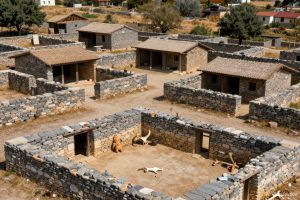
Alampra Mouttes stands as one of Cyprus’s most significant Middle Bronze Age settlements. Located in central Cyprus near the modern village of Alampra, this archaeological site provides rare evidence of prehistoric urban life and early copper metallurgy between 1900 and 1650 BC. The excavated remains reveal a substantial community that occupied a strategic position close to copper ore deposits at the foothills of the Troodos Mountains. Wikipedia-com The archaeological site occupies the northeast facing flank of a ridge between two hills called Mouttes and Spileos. The settlement consists of multi room rectangular houses built from local limestone and flint, with walls still standing in several areas. During its period of occupation, Alampra functioned as a largely self sufficient agricultural and metallurgical community. The site lies about 8 kilometers east of Marki Alonia, another major Bronze Age settlement, and sits at the point where the volcanic pillow lava foothills of the Troodos Massif meet the calcareous limestone of the central Mesaoria plain. Historical Background Archaeological interest in Alampra began in the 19th century, but the first systematic investigation took place in 1924 when Swedish archaeologist Einar Gjerstad excavated a prehistoric house he named Mavroyi, meaning red earth. For decades, this remained the only precisely documented building in Cyprus from the long period between the Chalcolithic and the end of the Middle…

Read more