Karpasia Peninsula Route Cyprus
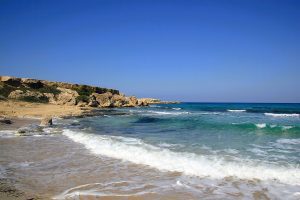
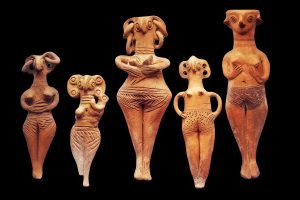
The Karpasia Peninsula extends like a long finger into the Mediterranean from northeastern Cyprus, reaching 75 kilometers toward Turkey and Syria. This narrow landmass, also known as the Panhandle, represents Cyprus's most remote and undeveloped region. The peninsula covers 898 square kilometers with a population density of just 26 people per square kilometer, making it one of the least inhabited parts of the island. google-com The main route runs from Trikomo, considered the gateway town, through small villages to Cape Apostolos Andreas at the very tip. This wild coastline hosts more than 46 sandy beaches, ancient ruins, and rare wildlife that make the journey one of Cyprus's most rewarding drives. Historical Background The Karpasia Peninsula has supported human settlement since the Late Bronze Age, with archaeological evidence showing continuous habitation for over 3,000 years. Ancient harbor sites near where Hala Sultan Tekke stands today served the town of Kition during its Bronze Age prominence from 1650 to 1050 BC. These coastal areas functioned as crucial trading posts connecting Africa, Asia, and Europe through maritime networks. The ancient city of Karpasia gave the peninsula its name, though only ruins remain today near the modern village of Rizokarpaso. Another major Bronze Age settlement, Afendrika, lies about seven kilometers east of Agios Filon Beach. This city flourished during the second century BC and…
Read more