Explore Cyprus with Our Interactive Map

Explore our top stories and discover ideas worth your time.

Lapithos, Cyprus – History & Facts

Lapithos, Cyprus – History & Facts

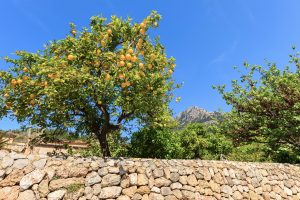
Lapithos sits on the northern coast of Cyprus beneath the Kyrenia mountains, where lemon groves once produced 11 million fruits per year and Byzantine treasures buried during Arab raids emerged a thousand years later in museum collections around the world. This settlement has existed for over 5,000 years under at least four different names. adobe-stock-com Lapithos is one of the oldest continuously inhabited sites on Cyprus. The modern town of Lapithos occupies the slopes of the Pentadactylos mountain range near where the ancient city kingdom once stood. The coastal ruins three kilometers north are called Lambousa, the name used during Roman and Byzantine times. Ancient writers, including Strabo, knew it as Lapethos. The philosopher Alexander of Ephesus called it Imeroessa, meaning attractive and passion-arousing. Assyrian inscriptions from 700 BC mention it as Sillu. Each name reflects a different period in the settlement's long history. Historical Background The oldest settlement at Lapithos dates to the Neolithic or Chalcolithic period and is located west of the current town at a site called Alonia ton Plakon. Archaeological evidence, including pottery and pottery wheels, confirms occupation as early as 3000 BC. Stone foundation walls, hearths, and three bothroi cut into rock have been found, though floods and later cultivation damaged much of the early settlement. adobe-stock-com According to Greek tradition, Spartan colonists led by…

Read more
Quiet Coast & Natural Beauty

Quiet Coast & Natural Beauty

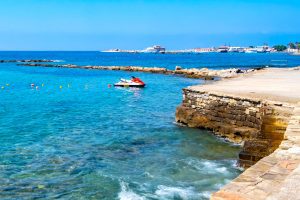
Alykes Beach is a quiet coastal area located near the town of Neapolis in the Famagusta district of southeastern Cyprus. The beach stretches approximately 400 meters along the Mediterranean coast, positioned about 1.8 kilometers from the center of Neapolis. chooseyourcyprus.com Unlike the busier tourist beaches found in major resort areas, Alykes maintains a more tranquil atmosphere that appeals to visitors seeking a relaxed seaside experience. The beach consists of small coves covered with sand, with portions privately owned by local beach resorts while maintaining a spacious public access area. Development of the Coastal Area The Neapolis area developed gradually as a coastal settlement, with the beach remaining relatively undeveloped compared to major tourist zones in Cyprus. The name Alykes likely refers to salt pans or saline areas that historically existed along Mediterranean coastlines, though the modern beach area shows no obvious traces of such features. The beach gained its current character through modest development that balanced tourism needs with preserving the natural coastal environment. Local authorities maintained regulations that prevented excessive construction and kept much of the surrounding landscape in its natural state. The beach infrastructure developed primarily during the expansion of Cyprus tourism in recent decades, yet growth remained controlled compared to areas like Ayia Napa or Protaras just a few kilometers away. This slower development pattern helped Alykes…

Read more
Kyrenia Castle: Fortress Facing the Sea

Kyrenia Castle: Fortress Facing the Sea

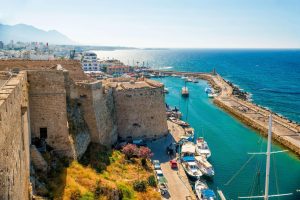
Kyrenia Castle stands at the edge of one of Cyprus’s most sheltered harbours, where land and sea have negotiated power, trade, and survival for centuries. Unlike hilltop fortresses built to dominate territory from afar, this castle was designed to watch the water closely. Its purpose has always been practical: to protect the harbour, control movement, and adapt to whoever ruled Cyprus at the time. That continuous adaptation rather than a single defining moment is what gives Kyrenia Castle its lasting significance. Adobe-Stock-com A Fortress Built for a Living Harbour Kyrenia Castle occupies a narrow strip of land between the town and the sea, positioned so that every vessel entering the harbour passes beneath its walls. From its earliest days, the castle was inseparable from daily life. Trade ships, fishing boats, and naval vessels all moved through the same space, watched over by stone walls that were never purely symbolic. Adobe-Stock-com This closeness to the harbour distinguishes Kyrenia Castle from many medieval fortifications. It was not a distant refuge, but an active participant in the rhythms of the town. Its defensive role was intertwined with commerce, communication, and maritime control. Byzantine Foundations and the First Line of Defence The earliest phase of Kyrenia Castle dates to the Byzantine period, when coastal settlements across the Eastern Mediterranean were reinforced against Arab naval…

Read more