Cyprus Local Markets
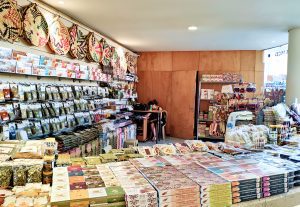
Cyprus local markets, known as laiki agora or people's markets, represent living institutions where agricultural producers sell directly to consumers while maintaining social networks that define community identity. These weekly open-air markets operate across cities, towns, and villages, with vendors displaying fresh produce, dairy products, preserved foods, and household goods on temporary stalls that appear each market day then disappear until the following week. The markets trace their origins to ancient agora traditions where commerce, politics, and social interaction converged in designated public spaces. For centuries, these gatherings functioned as primary venues for villagers to exchange surplus crops, acquire goods unavailable locally, and share information before modern retail and communication technologies transformed commerce. Despite supermarkets and online shopping, traditional markets persist because they offer direct farmer-to-consumer transactions, sensory shopping experiences, and trust-based relationships between regular customers and familiar vendors who guarantee product quality through personal reputation. The Weekly Rhythm of Market Days Each Cyprus community designates specific weekdays for its laiki agora, creating predictable schedules that structure household routines. Nicosia hosts multiple neighborhood markets on different days throughout the week, while smaller towns and villages typically organize single weekly markets. In the Turkish-occupied part of Cyprus, markets called pazarlar occur at least once weekly in nearly every town and village, with Kyrenia holding larger markets on Wednesdays and Saturdays. Market…
Read more