Panagia Asinou Church
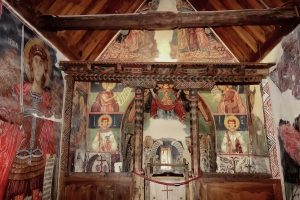
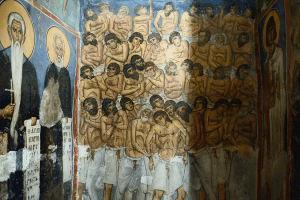
Asinou Church (Panagia Phorviotissa), near Nikitari in the Troodos foothills, preserves one of the Mediterranean’s most complete sequences of Byzantine wall painting, built up in phases from the 12th to the 17th century. Its modest scale, secluded setting, and protective timber roof helped the frescoes survive when many urban churches were altered or lost. This article explains how the church evolved, how its painted program is structured, and what its layered imagery reveals about faith, community life, and historical change in Cyprus. noticketback.com A Church Protected by Its Own Isolation Asinou sits in the foothills of the Troodos range, away from coastal cities and major trade routes. That distance shaped its survival. While many urban churches were altered, damaged, or rebuilt, Asinou remained relatively untouched, sheltered by geography as much as intention. irecommend.ru The setting still feels deliberate. Almond trees and pines surround the church, and the valley softens sound. This sense of removal is not accidental. Byzantine monasteries often sought quiet landscapes where spiritual life could unfold without interruption. At Asinou, that isolation became a form of protection, preserving paintings that would otherwise have been lost. Why It Is Called Panagia Phorviotissa The church's formal name, Panagia Phorviotissa, refers to the 'Monastery of Forvion' (or 'of the vetches'/'of the spurges'), a title linked to rural life and the surrounding…
Read more