Explore Cyprus with Our Interactive Map

Explore our top stories and discover ideas worth your time.

Panagia Asinou Church

Panagia Asinou Church

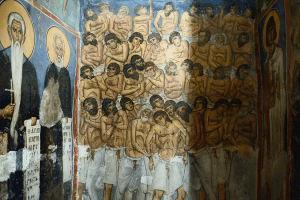
Asinou Church (Panagia Phorviotissa), near Nikitari in the Troodos foothills, preserves one of the Mediterranean’s most complete sequences of Byzantine wall painting, built up in phases from the 12th to the 17th century. Its modest scale, secluded setting, and protective timber roof helped the frescoes survive when many urban churches were altered or lost. This article explains how the church evolved, how its painted program is structured, and what its layered imagery reveals about faith, community life, and historical change in Cyprus. noticketback.com A Church Protected by Its Own Isolation Asinou sits in the foothills of the Troodos range, away from coastal cities and major trade routes. That distance shaped its survival. While many urban churches were altered, damaged, or rebuilt, Asinou remained relatively untouched, sheltered by geography as much as intention. irecommend.ru The setting still feels deliberate. Almond trees and pines surround the church, and the valley softens sound. This sense of removal is not accidental. Byzantine monasteries often sought quiet landscapes where spiritual life could unfold without interruption. At Asinou, that isolation became a form of protection, preserving paintings that would otherwise have been lost. Why It Is Called Panagia Phorviotissa The church's formal name, Panagia Phorviotissa, refers to the 'Monastery of Forvion' (or 'of the vetches'/'of the spurges'), a title linked to rural life and the surrounding…

Read more

Elevated Cyprus Viewpoints Where Land Meets Sea

Elevated Cyprus Viewpoints Where Land Meets Sea

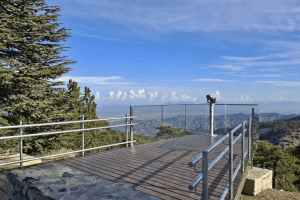
Cyprus offers some of the Mediterranean's most spectacular coastal viewpoints where limestone cliffs tower above turquoise waters, creating panoramic scenes that have inspired mythology and attracted visitors for millennia. Cape Greco National Park on the southeastern tip provides dramatic limestone cliffs plunging into emerald water, with hiking trails leading to viewpoints where ancient Greeks believed gods walked. shutterstock-com The Cape Greco viewpoint, located on a hill in the west, offers wonderful views of the entire cape, including the Blue Lagoon where meter-high waves crash against rocks when wind blows. These elevated perspectives reveal the island's geological drama while connecting visitors to landscapes that shaped Cyprus's cultural identity. The Legendary Rock of Aphrodite Petra tou Romiou, known as Aphrodite's Rock, represents Cyprus's most iconic coastal landmark where mythology meets natural beauty. The rugged coastline features striking rock formations emerging majestically from turquoise Mediterranean waters, creating dramatic and awe-inspiring panoramas. The main rock, a towering limestone stack, is surrounded by smaller rocks and a pebble beach, all set against the backdrop of rolling hills. shutterstock-com According to ancient Greek mythology, the goddess Aphrodite emerged from sea foam at this exact location. The tale suggests that Chronos castrated his father Uranus and threw his genitals into the sea. From the resulting foam, Aphrodite was born, carried to shore on a scallop shell. This…

Read more
Paphos Forest Nature Reserve – Endemic Wildlife

Paphos Forest Nature Reserve – Endemic Wildlife

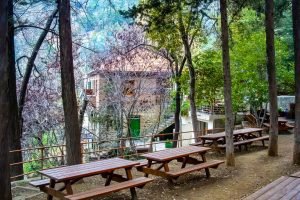
Paphos Forest Nature Reserve stands as one of the largest and most ecologically significant protected areas in Cyprus. Spanning approximately 620 square kilometers across the northwestern Troodos Mountains, this vast wilderness represents the island's most extensive continuous forest ecosystem. wikipedia-org The reserve gained official protected status through a series of conservation measures beginning in 1938, when the government recognized the urgent need to preserve the habitat of the endangered Cyprus mouflon. Today, the forest functions as a critical biodiversity hotspot, home to dozens of endemic species found nowhere else on Earth. The landscape ranges from dense pine forests and ancient cedar groves to golden oak woodlands and riparian vegetation along mountain streams. This diversity of habitats supports an exceptional variety of wildlife, from large mammals to rare insects, making it an essential sanctuary for Mediterranean biodiversity. Historical Background The history of Paphos Forest as a protected area began with a crisis. By the early 20th century, the Cyprus mouflon population had collapsed to approximately 25 individuals due to relentless hunting. The animals faced imminent extinction. In response, the British colonial administration declared the entire Paphos Forest a permanent game preserve on November 4, 1938. This unprecedented action protected not only government land but also private properties within the forest boundaries and holdings of the Kykkos Monastery. The decision proved controversial,…

Read more