Explore Cyprus with Our Interactive Map

Explore our top stories and discover ideas worth your time.

Western Kingdom of Paphos

Western Kingdom of Paphos

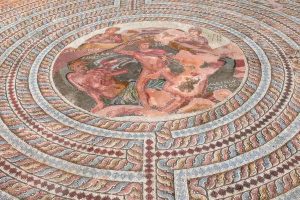
Paphos refers to two distinct but connected ancient cities in southwestern Cyprus. Palaipaphos (Old Paphos), located at modern Kouklia village, was the original seat of the kingdom and the center of Aphrodite worship from the 12th century BC. Nea Paphos (New Paphos), founded around 320-310 BC at the modern coastal city of Paphos, served as the administrative and commercial capital during Hellenistic and Roman periods. www.sovereign.com The archaeological complex encompasses both sites and was inscribed on the UNESCO World Heritage List in 1980. The Sanctuary of Aphrodite at Palaipaphos dates to Mycenaean times and functioned as one of the most important pilgrimage destinations in the ancient Greek world. The Archaeological Park at Kato Paphos preserves Roman villas with elaborate mosaic floors, a Hellenistic theater, fortifications, public buildings, and the Tombs of the Kings necropolis. Together, these sites document over 2,500 years of continuous religious and political significance. Historical Background According to Greek stories, the hero Agapenor from Arcadia founded Paphos after the Trojan War and built a temple to Aphrodite around 1200 BC. Archaeology confirms Mycenaean people lived there, supporting this date. This makes it one of the earliest Greek religious sites in Cyprus. The sanctuary was unusual because it did not have a human statue of the goddess. Instead, people worshipped a conical stone, possibly a meteorite, as a…

Read more
Village Loom Weaving Fythkiotika

Village Loom Weaving Fythkiotika

Village Loom Weaving (Fythkiotika & Regional Variants) is a home-based textile production tradition in Cyprus, combining wool and cotton to create symbolic fabrics that preserve ancient patterns linked to identity and status. heartlandoflegends-com Originating in rural villages, this craft involves intricate loom work by women, producing items like bedcovers and rugs with geometric designs that carry meanings of protection, fertility, and heritage. Recognized as part of Cyprus's intangible cultural heritage, it reflects the island's agrarian past and women's role in sustaining cultural continuity through generations. A Timeless Craft of Thread and Tradition heartlandoflegends-com Village loom weaving in Cyprus represents a cornerstone of the island's folk artistry, where domestic looms produce textiles that blend functionality with profound symbolism. Known as Fythkiotika in regions like Phyti village, this practice uses wool for warmth and cotton for durability, creating heavy fabrics suited to mountain climates. Patterns feature geometric motifs like diamonds, crosses, and zigzags, often in bold reds, blues, and natural whites, each carrying cultural weight – diamonds for unity, crosses for faith. This weaving was historically a women's domain, done in homes as part of daily life, producing items for household use, dowries, or ceremonial purposes. The craft's emphasis on ritual designs ties to a worldview where everyday items served as talismans, protecting families and marking social status in rural communities. The…

Read more

Scuba Diving Spots in Cyprus

Scuba Diving Spots in Cyprus

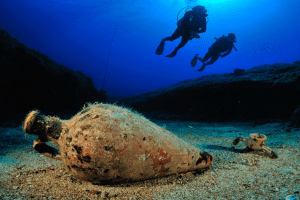
Cyprus ranks among the Mediterranean's premier diving destinations, offering crystal-clear waters with visibility often exceeding 30 meters, warm sea temperatures reaching 27 degrees Celsius in summer, and diverse underwater landscapes ranging from ancient shipwrecks to vibrant reef systems. tripadvisor-com The island's strategic location at the crossroads of three continents has resulted in a rich maritime history, with numerous wrecks resting on the seabed alongside natural caves, underwater cliffs, and thriving marine ecosystems. Cyprus's diving season extends year-round, though the most comfortable conditions occur between April and November when water temperatures remain above 20 degrees Celsius and weather conditions are optimal. The Zenobia Wreck Near Larnaca The MS Zenobia stands as one of the world's top ten wreck dives and Cyprus's most famous underwater attraction. This Swedish-built roll-on roll-off ferry sank on her maiden voyage on June 7, 1980, just outside Larnaca harbor after suffering computer malfunctions that caused ballast system failures. The ship now rests on her port side at depths ranging from 16 to 42 meters, making different sections accessible to divers of varying experience levels. tripadvisor-com The 172-meter-long vessel carried 104 articulated lorries loaded with cargo when she sank, creating an enormous artificial reef that has attracted diverse marine life over four decades. Divers can explore the bridge, engine room, and cargo holds still containing trucks and trailers…

Read more