Explore Cyprus with Our Interactive Map

Explore our top stories and discover ideas worth your time.

Olive Cultivation and Oil Production Cyprus

Olive Cultivation and Oil Production Cyprus

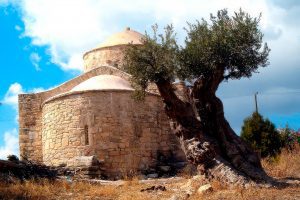
Olive trees shape Cyprus in ways that go far beyond agriculture. They define rural landscapes, anchor village life, and sit quietly at the centre of everyday cooking, ritual, and memory. From ancient stone presses to modern organic mills, olive cultivation on the island reflects continuity rather than reinvention. This is not a story of industrial scale, but of endurance. To understand Cyprus is to understand how olives are grown, harvested, pressed, and woven into daily life, generation after generation. sustainablefoodtrust.org2 More Than Agriculture: The Olive as a Way of Life Across Cyprus, olive trees are not confined to large estates or monoculture farms. They appear along field boundaries, beside houses, in courtyards, and on shared village land. Many families harvest their own olives each year, even if production is small, creating an agricultural culture that is deeply personal rather than purely commercial. dom.com_.cy3 Unlike countries that dominate global olive oil markets, Cyprus produces modest quantities. What it lacks in volume, it makes up for in intimacy. Olive cultivation here is less about export-driven efficiency and more about maintaining a relationship between people, land, and season. A History Rooted in the Earliest Settlements Olives have been part of Cypriot life for thousands of years. Archaeological evidence shows that wild olives were used by early communities during the Neolithic period, with deliberate…

Read more

Pilgrimage to Saintly Relics

Pilgrimage to Saintly Relics

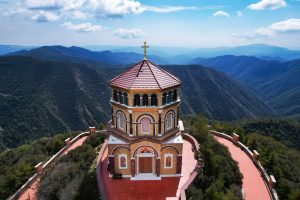
Pilgrimage to saintly relics in Cyprus is a heartfelt tradition where believers journey to tombs, monasteries, and churches to connect with holy figures like Saint Lazarus or pieces of the True Cross. These trips blend deep faith with hopes for healing and protection, turning the island's landscapes into paths of spiritual renewal. It's a practice that feels personal and alive, drawing people from near and far to experience a touch of the divine in everyday places. Basilica-ro A Journey of Faith and Connection Imagine setting out on a winding road through Cyprus's hills or coastal towns, driven not by sightseeing but by a quiet need for solace or thanks. That's the essence of pilgrimage to saintly relics here - a simple yet profound act where ordinary folks seek out the remains or sacred items of saints, believing they hold ongoing power. These aren't museum pieces; they're bridges to the holy, places where prayers feel heard and lives can shift. From bustling Larnaca to remote mountain monasteries, pilgrims come for everything from physical cures to emotional peace, making the island a living map of devotion. No fancy rituals required - just an open heart and a willingness to travel, turning the act of going into a form of worship itself. Roots in Ancient Beliefs and Miracles This tradition stretches back to…

Read more
Akamas Peninsula National Park

Akamas Peninsula National Park

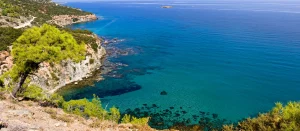
Akamas Peninsula National Park occupies the northwestern tip of Cyprus, beginning just north of Paphos and extending to Cape Arnaoutis. The landscape ranges from golden beaches and dramatic coastal cliffs to arid plains covered in Mediterranean scrub and mountain forests of pine and juniper. Deep gorges carved by seasonal rivers cut through the limestone terrain. No paved roads cross most of the interior, and large parts of the peninsula remain uninhabited. The area takes its name from Akamas, a son of the mythological hero Theseus, who is said to have founded the ancient city of Soli after fighting in the Trojan War. Shutterstock-com Historical Background Until the year 2000, the British military used Akamas for training exercises and as a firing range. Under the 1960 Treaty of Establishment, the British Army was permitted to use the peninsula for up to 70 days each year. This military presence indirectly helped preserve the region by preventing major development. After the British withdrawal, conservation groups and the Cyprus government began working toward formal protected status. visitcyprus-com In preparation for Cyprus joining the European Union, most of Akamas was included in the Natura 2000 network between 2003 and 2009. Two turtle nesting beaches were designated as Sites of Community Importance. The Polis–Gialia area received Special Area of Conservation status, and the entire peninsula became…

Read more