Explore Cyprus with Our Interactive Map

Explore our top stories and discover ideas worth your time.

Cape Greco Viewpoints, Cyprus

Cape Greco Viewpoints, Cyprus

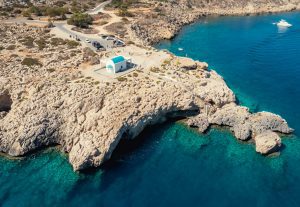
Cape Greco, also known as Cavo Greco, features several distinct viewpoints scattered along its southeastern coastline between Ayia Napa and Protaras. The main viewing platform sits at the highest point of the 385-hectare national forest park, providing 360-degree panoramas of the Mediterranean Sea and surrounding coastline. googleusercontent-com Additional viewpoints appear along the clifftops at various locations, each offering unique perspectives of limestone formations, sea caves, and the famous Blue Lagoon below. These elevated positions range from easily accessible roadside pullouts to platforms requiring short walks along nature trails. The viewpoints attract photographers, nature enthusiasts, and visitors who want to experience Cyprus's dramatic coastal geology without the crowds found at the resort beaches just minutes away. Geological Origins and Historical Development Cape Greco's geological history dates back millions of years. The limestone cliffs and formations seen today were created through a combination of tectonic activity and the erosive forces of the sea and wind. The limestone rock belongs to the Nicosia Formation, deposited during the Pliocene period approximately 5 to 3 million years ago, when this area was part of a shallow tropical sea. As the African and European tectonic plates collided, the seafloor gradually rose to form the island of Cyprus. googleusercontent-com Wave action and weathering have carved the coastline into its current dramatic form. Thirty foot high limestone cliffs…

Read more
Akamas Peninsula National Park Nature Guide, Cyprus

Akamas Peninsula National Park Nature Guide, Cyprus

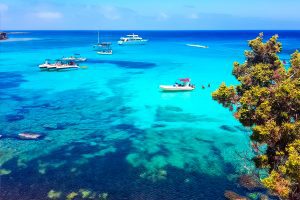
Akamas Peninsula National Park occupies 230 square kilometers on the northwest tip of Cyprus, stretching from rugged coastal cliffs to the foothills of the Troodos Mountains. The peninsula was named after Akamas, son of Theseus and hero of the Trojan War who founded the ancient city kingdom of Soli. Ptolemy described it as a thickly wooded headland divided by summits that rise toward the north. chooseyourcyprus.com The area contains valleys, gorges, wide sandy bays, and dense forests that remained largely untouched due to its remote geography and challenging terrain. Until the year 2000, the British Army and Navy used the peninsula for military exercises and as a firing range under the 1960 Treaty of Establishment. This military use ironically protected the area from tourism development and agricultural expansion. The peninsula became part of the Natura 2000 network in 2009, with turtle nesting beaches designated as Sites of Community Importance and the area declared a Special Protection Area for birds. The region supports exceptional biodiversity with many vulnerable species, some endemic only to Akamas. Wildlife from fruit bats to monk seals The peninsula provides habitat for 168 varieties of birds, 20 different reptile species, 16 butterfly species, and 12 mammal species. Rare migratory birds use Akamas as a stopover point, while endemic Cyprus warblers and Cyprus wheatear nest in the scrubland.…

Read more

Mesaoria Plain Cyprus Agricultural Heartland

Mesaoria Plain Cyprus Agricultural Heartland

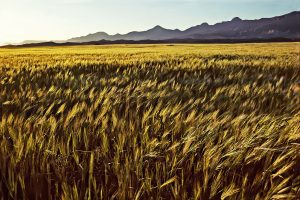
The Mesaoria Plain stretches 96 kilometres across central Cyprus between two mountain ranges. Mesaoria, meaning "between the mountains" in Greek, is a broad central plain that extends from Morphou Bay in the west to Famagusta Bay in the east. The Troodos Mountains rise to the south, while the Kyrenia Range forms a wall to the north. The plain covers approximately 1,000 square kilometres with elevations ranging from 100 metres on average up to 325 metres at its highest points. wikimedia-org Nicosia, the capital of Cyprus, sits roughly in the centre of the plain along the Pedieos River. This positioning reflects centuries of strategic thinking, as the location provided access to both coasts. The plain contains dozens of villages and several major towns, making it the most densely populated region on the island despite its harsh summer climate and winter-dependent water supply. Historical Background Twenty million years ago, Cyprus existed as two separate islands corresponding to what would become the Kyrenia and Troodos mountain ranges. Approximately one million years ago, tectonic forces pushed up the land between these islands, creating the Mesaoria Plain and joining them into the single landmass known today as Cyprus. The Mediterranean Sea covered and exposed the plain multiple times as sea levels changed, but it has remained in its current form since the end of the…

Read more