Explore Cyprus with Our Interactive Map

Explore our top stories and discover ideas worth your time.

Mythological Locations and Legends of Cyprus

Mythological Locations and Legends of Cyprus

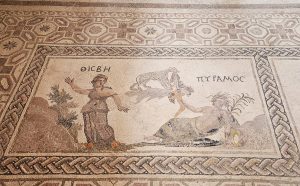
Cyprus isn't just an island of beaches and ancient ruins - it's the legendary birthplace of Aphrodite, the goddess of love and beauty. For thousands of years, pilgrims, poets, and lovers have traveled here seeking the divine magic said to linger in its shores, and the myths born on this island have shaped Western culture in ways that still resonate today. Adobe-Stock-com An Island Steeped in Divine Legend Cyprus holds a unique place in Greek mythology as the earthly home of Aphrodite. According to legend, the goddess emerged from the sea foam near Cyprus's shores, making the island sacred ground. The connection runs so deep that Aphrodite herself was often called "Kypria" - the Cyprian goddess - a title that linked her identity inseparably to this Mediterranean island. wikipedia-org Beyond Aphrodite, Cyprus is woven into myths involving tragic love, divine kings, and miraculous transformations. These stories explained the island's remarkable fertility, legendary copper wealth, and status as a crossroads of cultures. Today, these myths remain alive in the landscape itself. From Ancient Cults to Eternal Legends Long before classical Greek myths were written down, Cyprus was home to fertility cults dating back to Neolithic times. When Mycenaean Greeks arrived around the 12th century BC, they built temples and gradually merged local worship traditions with their own pantheon, creating a unique…

Read more
Colour as Theological and Social Language

Colour as Theological and Social Language

Color as Theological and Social Language in ancient Cypriot art involved the deliberate use of hues to convey concepts of divinity, societal roles, and human experience. Red often symbolized fertility and vital energy, black represented mourning or the mysteries of the afterlife, and gold evoked divine authority. Artists selected these colors with intent, transforming ordinary objects into carriers of profound messages that continue to reveal insights into the island's cultural and spiritual world. dom-com-cy A Palette Rich in Symbolism Ancient Cypriot art employed colors as a form of communication, where each shade carried layers of theological and social significance. Far from mere embellishment, these choices reflected a sophisticated system in which hues expressed ideas of sanctity, power, grief, or renewal. Influenced by the island's position as a crossroads of Eastern and Western traditions, colors served to link everyday life with deeper spiritual realities, creating a visual language that resonated across communities and generations. visitpafos-org-cy Origins and Development in Cypriot Art The use of color in Cypriot art dates to prehistoric periods, beginning around 4000 BC during the Chalcolithic era, when natural pigments derived from earth, minerals, and plants were applied to figurines and pottery. Red ochre, sourced from local soils, appeared frequently in cave markings and on ritual objects, associated with blood, life force, and regenerative power. As trade expanded…

Read more

Mythical Heroic Ancestors of Tamassos

Mythical Heroic Ancestors of Tamassos

In ancient Cyprus, the mythical heroic ancestors of Tamassos were revered as semi-divine founders and protectors, linking the city's copper-rich lands to gods like Aphrodite and epic Greek heroes. These figures, from local legends to Trojan War descendants, explained the kingdom's prosperity and sacred status, blending human resilience with divine favor. Their stories turned hills and mines into living tales, inviting us to explore how myths rooted a community in its rugged inland home. A Kingdom Forged in Myth and Metal Nestled in Cyprus's central plains, Tamassos wasn't a coastal powerhouse like Salamis or Paphos - it was an inland gem, thriving on fertile soils and the island's legendary copper veins. Picture rolling hills dotted with olive groves and springs, where ancient people built a city-kingdom around 2000 BC that lasted through empires. Without sea views, its identity drew from the earth: copper mines that fueled Bronze Age trade, making it a hub for tools, weapons, and art. But Tamassos was more than mines; it was a sacred landscape where myths felt as solid as the ground. Heroic ancestors weren't fairy tales here - they were the glue holding community, ritual, and power together, explaining why this spot, amid the Mesaoria plain, was chosen by the gods for abundance and endurance. amricha-com Legends That Built an Inland Empire The heroic…

Read more