Explore Cyprus with Our Interactive Map

Explore our top stories and discover ideas worth your time.

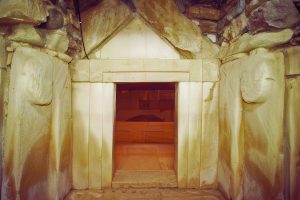
Temple of Astarte-Aphrodite at Tamassos

Temple of Astarte-Aphrodite at Tamassos

The Temple of Astarte-Aphrodite at Tamassos was a sacred site where different religious traditions met and blended. It reflects the merging of the Phoenician goddess Astarte with the Cypriot form of Aphrodite, showing how Cyprus functioned as a crossroads of belief in the ancient Mediterranean. The sanctuary reveals how cultures interacted not only through trade and politics, but also through shared and evolving religious ideas. A Sanctuary in the Heart of Cyprus Tamassos lay inland, near rich copper resources and important trade routes. Though far from the coast, it was deeply connected to the wider Mediterranean world. The presence of a sanctuary dedicated to Astarte-Aphrodite reflects these connections and the movement of people, goods, and beliefs across the island. facebook-com The temple served the local population while also reflecting foreign influence, making it a powerful symbol of Cyprus’s layered cultural identity. Two Goddesses, One Sacred Presence Astarte was a major Phoenician goddess associated with fertility, love, war, and royal power. Aphrodite, though later known as the Greek goddess of love, had deep roots in earlier Cypriot and Near Eastern traditions. At Tamassos, these two divine figures were not seen as separate, but as different expressions of the same sacred force. britannica-com This blending, known as religious syncretism, allowed worshippers from different backgrounds to recognise their own beliefs within a shared…

Read more

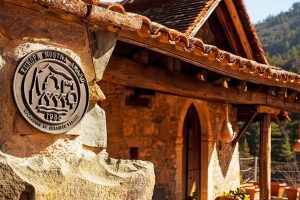
Fikardou Rural Museum

Fikardou Rural Museum

The Fikardou Rural Museum consists of two restored stone houses in the village of Fikardou, located 40 kilometers southwest of Nicosia in the Troodos Mountains. The museum preserves traditional Cypriot rural life through authentic buildings and exhibits from the 16th to 19th centuries. pixabay-com The entire village functions as a living museum, with narrow cobblestone streets and traditional stone houses that transport visitors to another era. The settlement was nearly abandoned during the 20th century when residents moved to urban areas for work and modern amenities. By the 1970s, only a handful of elderly people remained. Historical Background The village name likely derives from the Greek phrase "figa andron," which means "den of fugitives." According to tradition, two dominant clans controlled the region between 400 AD and 800 AD, and fugitives sought refuge in these remote mountains. The earliest written reference to Fikardou dates to 1825 during the Ottoman period. visitcyprus-com Historical connections exist to medieval Cyprus through the Ficardo family. The most notable member was Sir Thomas Ficardo, who served as Chancellor to King James II and Queen Catherine Cornaro in the 15th century. The village belonged to Machairas Monastery during the Byzantine Komnenos dynasty. Inhabitants focused on olive harvesting, grape cultivation, and subsistence farming. The village maintained traditional agricultural practices for centuries. The remote mountain location provided some…

Read more
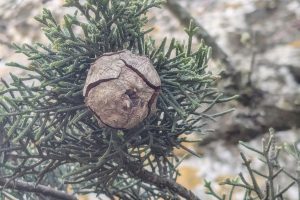
The Tall Green Spires of Cyprus Hills

The Tall Green Spires of Cyprus Hills

High on limestone slopes and along quiet village paths, tall, dark-green columns rise like living sentinels against the blue Mediterranean sky. Their narrow, flame-shaped crowns and fragrant wood have offered shade, shelter and symbolism to Cypriots for thousands of years. This is the Mediterranean cypress, Cupressus sempervirens – Cyprus’s own elegant guardian of roads, churches, monasteries and mountain passes. www.inaturalist.org A Classic of the Cypress Family Known scientifically as Cupressus sempervirens, this evergreen conifer belongs to the genus Cupressus within the Cupressaceae family in the order Pinales. It is the only native cypress in Cyprus and shows remarkable variation: the strict upright var. sempervirens (pyramidal form) and the spreading var. horizontalis. Both forms are fully indigenous and part of the island’s natural heritage. Ancient Companion of Cyprus Forests Cypresses formed part of the dense primeval forests that covered Cyprus 10,000 years ago. Greek mythology tells how the youth Kyparissos, grieving for a deer he accidentally killed, was transformed by Apollo into this very tree – making the cypress a timeless symbol of mourning and eternity. In 2002 it was honoured as Tree of the Year, celebrating its beauty, durability and high ecological value. Distinctive Features That Define It The Mediterranean cypress reaches 15–30 metres in Cyprus, with a narrow conical or columnar crown. Its tiny, scale-like leaves are dark green,…

Read more