Explore Cyprus with Our Interactive Map

Explore our top stories and discover ideas worth your time.

Whispers from the Sunlit Slopes

Whispers from the Sunlit Slopes

Imagine strolling across a rocky hillside in Cyprus under a clear blue sky, where a shrubby plant releases a warm, woody aroma that hints at ancient potions and savory island dishes. This is sage, a resilient herb that dots the wild landscapes of Cyprus, offering simple wisdom from nature’s own apothecary to those who pause to notice. www.inaturalist.org A Fragrant Shrub in the Mint Family Sage belongs to the genus Salvia in the vast mint family (Lamiaceae), a group of plants known for their square stems and aromatic leaves rich in essential oils. In Cyprus, several wild species grace the landscape, thriving in dry, rocky slopes and maquis vegetation from sea level to the high Troodos peaks. Echoes of Ancient Healers The name Salvia comes from the Latin “salvare” – to save or heal – reflecting its long history as a medicinal plant. In Cyprus, sage has been gathered since prehistoric times. Ancient Greek physicians like Dioscorides praised its wound-healing powers, while it was used in rituals for protection and purification. Over centuries, it became deeply rooted in island folklore as a symbol of longevity and wisdom. www.inaturalist.org Woolly Leaves and Starry Blooms Wild sage in Cyprus typically grows as a low to medium shrub with fuzzy, silvery-green leaves that feel velvety to the touch. When crushed, they release a…

Read more
Cyprus Copper Tradition

Cyprus Copper Tradition

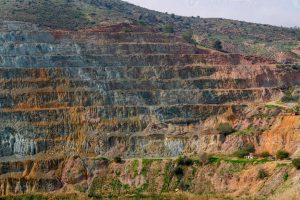
Natural Resources and Mythological Meaning In the ancient Mediterranean world, natural resources were rarely understood as mere economic assets; they were seen as signs of divine favor and expressions of cosmic order. Cyprus, renowned for its abundant copper deposits, became a central example of how material wealth could shape sacred identity. The island’s mineral resources played a decisive role in its early development, supporting trade, craftsmanship, and social organization. Over time, the prominence of copper in Cypriot life encouraged mythological interpretations that linked the island’s prosperity to divine blessing. The belief that valuable materials came from the generosity of the gods helped transform Cyprus into a land associated with sacred abundance. chesterfieldplc-com Copper mining on the island dates back to the Bronze Age, when the metal became essential for the production of tools, weapons, and ritual objects. Because survival and success depended on access to such materials, the communities that controlled copper sources gained economic and political influence. Yet in the symbolic imagination of the time, prosperity on this scale required explanation beyond human effort. Myths emerged that connected mineral wealth to divine presence, reinforcing the idea that Cyprus was specially favored in the cosmic order. Copper as a Sacred Material Metals in antiquity often carried symbolic meaning, and copper was no exception. Its reddish color and malleability associated it…

Read more
Byzantine Cyprus: Eastern Mediterranean Defense

Byzantine Cyprus: Eastern Mediterranean Defense

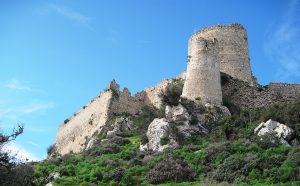
Cyprus was never a distant outpost of the Byzantine Empire. From late antiquity through the Middle Ages, it functioned as a frontline maritime shield, protecting the sea lanes that connected Anatolia, the Levant, and the Aegean. Byzantine naval defense on Cyprus was not limited to fleets and battles. It was a layered system combining geography, coastal fortifications, mountain surveillance, communication networks, and naval presence. Together, these elements allowed the empire to detect threats early, control movement at sea, and preserve stability in one of the Mediterranean’s most contested regions. pexels-com An Island Positioned to Watch the Sea Cyprus sits at a natural crossroads of the Eastern Mediterranean. From its shores, routes radiate toward southern Anatolia, Syria and Palestine, Egypt, and the Aegean. This position made the island unavoidable for any power seeking maritime dominance in the region. For the Byzantine Empire, Cyprus acted as a forward sentinel. Control of the island meant early visibility over naval traffic moving between the Islamic-controlled Levant and the Byzantine heartlands of Asia Minor. Losing Cyprus would have meant losing advance warning, leaving the southern coast of Anatolia and the Aegean islands exposed to sudden raids. This strategic reality shaped every aspect of Byzantine policy on the island. From Roman Province to Maritime Bastion In the early Roman and late antique periods, Cyprus was relatively…

Read more