Traditional Village Homes of Cyprus
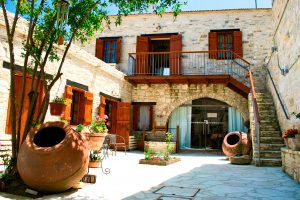
Traditional Cyprus village homes centered on extended family units living together across multiple generations within shared compounds. These stone-built structures featured the dikhoro or double room arrangement as the main living space, surrounded by courtyards where families conducted agricultural work, food processing, and daily domestic tasks. mavink-com The architecture reflected social organization where newly married couples built homes adjacent to parents' property, creating family clusters that expanded outward from original settlement cores. Children grew up surrounded by grandparents, aunts, uncles, and cousins who shared courtyard spaces and participated in collective economic activities including olive pressing, wine making, and textile production. The extended family functioned as an economic unit that pooled labor and resources while providing social security through mutual support. This traditional living arrangement persisted until the mid-20th century when urbanization, employment opportunities outside agriculture, and changing social values prompted nuclear family households to become dominant. The Dikhoro as the Heart of Domestic Life The dikhoro, meaning two areas, consisted of two parallel rooms separated by a graceful stone arch or arcade that allowed visual and physical connection while maintaining functional divisions. This arrangement provided the main living quarters where family members gathered for meals, conversation, sleeping, and household tasks. One room typically served as sleeping space for parents and young children, while the second room accommodated daytime activities including…
Read more