Explore Cyprus with Our Interactive Map

Explore our top stories and discover ideas worth your time.

The Mottled Giants by Cypriot Streams

The Mottled Giants by Cypriot Streams

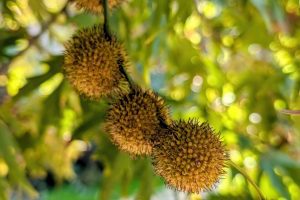
Beside a sparkling mountain stream in the Troodos foothills, tall trees with beautiful patchwork trunks cast deep, cool shade over the water. Their large, hand-shaped leaves rustle gently, while round, spiky fruit-balls dangle like tiny planets through the winter. This is the Oriental Plane, Platanus orientalis – Cyprus’s own river guardian and one of the island’s most majestic native trees. www.inaturalist.org A Member of an Ancient Family Known scientifically as Platanus orientalis, the Oriental Plane belongs to the small but noble Platanaceae family within the order Proteales. The Tree of Hippocrates, under which Hippocrates—the "Father of Medicine"—taught at Kos, is reputed to have been an oriental plane. In Cyprus it is the only native plane tree, perfectly adapted to life along permanent watercourses where it often forms beautiful gallery forests with willows and alders. From Ancient Rivers to Modern Cyprus The Oriental Plane has been part of Cyprus’s landscape since prehistoric times and is listed as fully indigenous in the Flora of Cyprus. It was already noted by 19th-century British foresters in riverine woodlands, and in 2001 the Department of Forests honoured it as one of Cyprus’s Trees of the Year. Today it remains a flagship species of the island’s precious riparian habitats. www.inaturalist.org Distinctive Features That Make It Unmistakable The Oriental Plane is a large deciduous tree reaching 20–30…

Read more
Cyprus Nocturnal Wildlife (Hedgehog)

Cyprus Nocturnal Wildlife (Hedgehog)

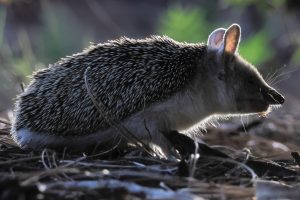
On a warm spring night in a Cypriot village, a small shape moves through the shadows of a lemon grove shuffling, sniffing, pausing to listen. Two enormous ears swivel like satellite dishes. This is the Cyprus Long-eared Hedgehog, Hemiechinus auritus dorotheae, one of the island's most charming and least-known residents. www.inaturalist.org Most people who encounter it simply call it a skantzohoiros the Greek word for hedgehog and smile. But behind that endearing shuffle lies an extraordinary story of ancient seas, human migrations, island biology, and remarkable survival. And if you look closely enough, you will notice something quite unusual about this hedgehog: those ears are astonishingly, almost comically large. What Exactly Is a Hedgehog? Hedgehogs belong to the family Erinaceidae, one of the oldest surviving mammal families on Earth. They are part of the order Eulipotyphla a word meaning 'truly blind and deaf', though in practice these animals have perfectly functional senses. This group includes moles and shrews, and its members were among the earliest placental mammals to appear on Earth, with relatives tracing back over 50 million years. Hedgehogs themselves are insectivores at heart animals whose primary food has always been invertebrates. They are equipped with a coat of hardened spines on their back (actually modified hairs made of keratin) and a soft, furry belly. When threatened, they roll…

Read more
Blooms from the Ironclad Hills

Blooms from the Ironclad Hills

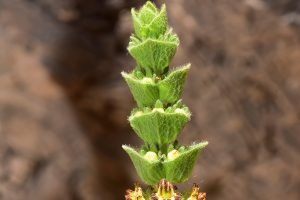
Picture a rugged cliffside in northern Cyprus, where a sturdy herb clings to limestone cracks, its yellow flowers nodding in the breeze like tiny suns defying the harsh terrain. This is mountain tea, or Sideritis, a group of wild herbs cherished across the Mediterranean, but in Cyprus, home to a rare endemic species that tells a story of resilience and ancient healing. www.inaturalist.org A Humble Herb with Aromatic Kin Mountain tea belongs to the vast mint family, a diverse clan of over 7,000 species that includes everyday favorites like basil, rosemary, and oregano – all sharing square stems and leaves brimming with fragrant oils. In simple terms, it's a wild shrub that thrives in sunny, dry spots, much like its relatives that spice up gardens and wild meadows worldwide. Roots in Healing Traditions The name Sideritis echoes ancient Greek for "iron," perhaps from its use in treating wounds from iron weapons or its tough, iron-like endurance. In Cyprus, its history ties back to early island dwellers who gathered wild herbs for teas and salves, much like across the Mediterranean where healers like Dioscorides praised it in texts from 2,000 years ago. Over centuries, it became a folk staple, brewed by shepherds for strength and shared in villages as a soothing sip amid the island's shifting empires and climates. Woolly Stems…

Read more