Explore Cyprus with Our Interactive Map

Explore our top stories and discover ideas worth your time.

Temple of Astarte-Aphrodite at Tamassos

Temple of Astarte-Aphrodite at Tamassos

The Temple of Astarte-Aphrodite at Tamassos was a sacred site where different religious traditions met and blended. It reflects the merging of the Phoenician goddess Astarte with the Cypriot form of Aphrodite, showing how Cyprus functioned as a crossroads of belief in the ancient Mediterranean. The sanctuary reveals how cultures interacted not only through trade and politics, but also through shared and evolving religious ideas. A Sanctuary in the Heart of Cyprus Tamassos lay inland, near rich copper resources and important trade routes. Though far from the coast, it was deeply connected to the wider Mediterranean world. The presence of a sanctuary dedicated to Astarte-Aphrodite reflects these connections and the movement of people, goods, and beliefs across the island. facebook-com The temple served the local population while also reflecting foreign influence, making it a powerful symbol of Cyprus’s layered cultural identity. Two Goddesses, One Sacred Presence Astarte was a major Phoenician goddess associated with fertility, love, war, and royal power. Aphrodite, though later known as the Greek goddess of love, had deep roots in earlier Cypriot and Near Eastern traditions. At Tamassos, these two divine figures were not seen as separate, but as different expressions of the same sacred force. britannica-com This blending, known as religious syncretism, allowed worshippers from different backgrounds to recognise their own beliefs within a shared…

Read more
Young Cypriots Rap About Life Today

Young Cypriots Rap About Life Today

Rap and hip-hop in Cyprus are not about imitation. For many young Cypriots, they have become one of the clearest ways to talk about pressure, identity, frustration, and belonging on a small island shaped by global culture and local tension. What sounds like music often functions as a public conversation, direct, emotional, and grounded in everyday experience. Through rhythm and dialect, young artists are documenting modern Cyprus as it is lived, not as it is marketed. stock-adobe-com A voice that arrived quietly, then stayed Hip-hop began to gain a foothold in Cyprus in the late 1990s, arriving without fanfare and often without understanding. At first, it lived on the margins of youth culture, overshadowed by rock, metal, and mainstream pop scenes that leaned heavily on English or formal Greek. Early attempts often sounded borrowed, more like echoes of elsewhere than expressions of home. That changed gradually. As artists became more confident and more rooted, the music stopped trying to sound foreign. It began to absorb the island itself. The turning point came when recording tools became cheaper and online platforms removed the need for approval from radio stations or labels. Bedrooms became studios. Uploads replaced auditions. Rap did not need permission anymore, and once that barrier disappeared, honesty followed. Why rap works so well in Cyprus Rap is flexible by…

Read more

Phyti Weaving Tradition

Phyti Weaving Tradition

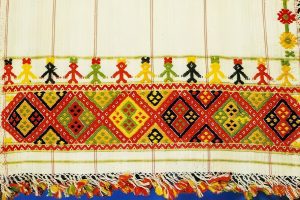
Phyti Weaving Tradition is a distinctive Cypriot craft originating from the village of Phyti, involving highly symbolic woven textiles characterized by bright colors and ritual motifs, originally created for dowries and ceremonial purposes. This handmade art form uses intricate patterns on cotton or linen fabrics to convey themes of protection, fertility, and harmony, passed down through generations of female artisans. Recognized as part of Cyprus's intangible cultural heritage, it embodies the island's blend of ancient symbolism and practical beauty, preserving a legacy of women's creativity in rural life. vkcyprus-com A Timeless Craft of Color and Symbol Phyti weaving stands as a vibrant expression of Cypriot textile heritage, where artisans produce fabrics adorned with geometric designs and bold hues that hold deep symbolic value. Centered in the village of Phyti in the Paphos District, this tradition focuses on hand-loomed cotton or linen pieces, often in red, blue, and yellow, featuring motifs like diamonds for protection or crosses for faith. These textiles were historically crafted by women for dowries - essential marriage gifts symbolizing a bride's skill and family's prosperity - or ceremonial uses like altar cloths in churches. The craft's emphasis on ritual patterns reflects a worldview where everyday items carried spiritual weight, blending utility with meaning in Cypriot rural life. cyprusbutterfly-com The process begins with "dafna," a counted thread technique…

Read more