Explore Cyprus with Our Interactive Map

Explore our top stories and discover ideas worth your time.

Cyprus Postal Museum Nicosia Stamps Heritage

Cyprus Postal Museum Nicosia Stamps Heritage

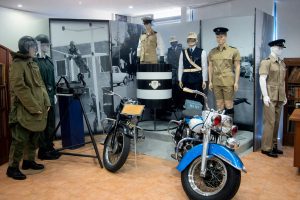
The Cyprus Postal Museum houses the island's complete postal history through stamps, postmarks, and philatelic materials that document communication systems from the 15th century to today. tripadvisor-ru The museum opened in 1981 and occupies the ground floor of a two-story mansion located within Nicosia's Venetian walls. The building sits in the Laiki Geitonia area at 3B Agiou Savva Street, near the historic churches of Trypiotis and Agios Savvas. The location places visitors in the heart of the old city, where postal services have connected Cyprus to the wider world for centuries. Historical Background The museum was established specifically to preserve and display the extensive collection of the Cyprus Post Office. Materials trace postal communications back to the Venetian period of the 15th century, when organized mail services to and from Cyprus began. Under British rule, Austrian postal branches operated in Cyprus, with one opening in Larnaca in 1864. Various international postal services functioned on the island before the modern system developed. The main exhibition hall focuses on the British Rule period, which shaped Cyprus's modern postal infrastructure. The oldest stamps in the collection feature Queen Victoria's portrait overprinted with the word CYPRUS. British stamps were used initially after Britain took control in 1878, with the first overprinted versions appearing in 1880. Between 1880 and 1888, approximately 1,159,000 stamps were issued…

Read more
Waterfront Streets of Cyprus

Waterfront Streets of Cyprus

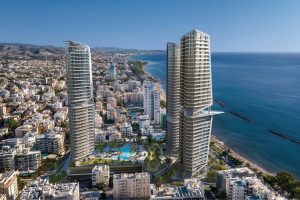
Cyprus waterfront streets stand as living examples of Mediterranean coastal architecture. These narrow lanes wind between stone homes and harbors where fishing boats bob in the water. The combination creates a picture that has defined Cypriot coastal life for centuries. The architecture reflects practical needs adapted over generations, with thick stone walls built to withstand salt air and coastal weather. Shutterstock-com Fishermen positioned their homes steps from the water, creating communities where daily life revolved around the sea. Today these streets preserve traditional building methods and materials while continuing to function as active neighborhoods. The stone structures, colorful boats, and winding pathways offer a direct connection to Cyprus's maritime heritage. Waterfront Architecture in Cyprus The relationship between Cyprus and the sea dates back thousands of years. Ancient ports like Paphos served as vital trade centers connecting the Mediterranean world. By the Bronze Age, Cypriot coastal settlements had already established sophisticated harbor systems. The Romans later expanded these facilities, recognizing the strategic importance of Cyprus as a maritime hub between Europe, Asia, and Africa. In-Cyprus-com Traditional waterfront architecture developed from practical necessity. Fishermen built their homes close to harbors where they moored their boats. Stone became the material of choice, quarried from the island's abundant limestone deposits. These structures were designed to withstand salt air and coastal weather. The proximity of…

Read more
Marine Conservation Programs

Marine Conservation Programs

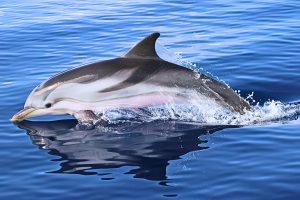
Cyprus sits at the crossroads of the eastern Mediterranean Sea where diverse marine species converge. The island's coastal waters support endangered sea turtles, rare monk seals, extensive seagrass meadows, and dozens of shark and ray species. Marine conservation programs work to protect these ecosystems through scientific research, policy reform, and community engagement. These initiatives span both the government-controlled south and the Turkish-occupied north, with multiple organizations collaborating to safeguard Cyprus's marine biodiversity. cyprus-mail-com A History of Marine Protection Efforts Sea turtle conservation in Cyprus began in 1971 when the government enacted legal protection for turtles and their eggs under the Fisheries Law. A comprehensive survey in 1976 and 1977 identified critical nesting beaches, particularly for green turtles in the Lara area on the west coast. The Cyprus Wildlife Society joined the effort in 1989, and by 1992, the Marine Turtle Conservation Project launched in the Turkish-occupied part of Cyprus through collaboration between the Society for the Protection of Turtles and the University of Exeter. tripadvisor-com Marine Protected Areas emerged later as conservation priorities evolved. Since 2009, five coastal MPAs have been established in the Turkish-occupied part of Cyprus, covering approximately 134 kilometers of coastline and 17,596 hectares of marine environment. A 30-year trawling ban in the north created a de facto large marine protected area, allowing ,habitats to recover compared…

Read more