Explore Cyprus with Our Interactive Map

Explore our top stories and discover ideas worth your time.

Agricultural Landscapes as Modified Ecosystems

Agricultural Landscapes as Modified Ecosystems

Olive Groves, Vineyards, and Citrus Orchards Acting as Semi-Natural Habitats for Birds, Insects, and Pollinators Agricultural Landscapes as Modified Ecosystems in Cyprus represent human-altered terrains where traditional farming practices blend with natural processes, creating semi-natural habitats that support diverse wildlife. These landscapes, dominated by olive groves, vineyards, and citrus orchards, cover significant portions of the island's rural areas, providing food, shelter, and breeding grounds for birds like the Sardinian warbler, insects such as wild bees, and pollinators including carpenter bees. They illustrate Cyprus's agricultural heritage, where centuries of cultivation have shaped ecosystems that balance productivity with biodiversity, offering resilience in a Mediterranean climate prone to drought and erosion. https://www.youtube.com/watch?v=EliOkuH_qcQ A Modified Agricultural Mosaic Agricultural landscapes in Cyprus form a patchwork of cultivated fields and groves that integrate human management with ecological functions, spanning lowlands and hillsides across the island. Olive groves, covering around 15,000 hectares, thrive on calcareous soils with trees spaced to allow undergrowth, while vineyards, approximately 7,300 hectares mainly in the Troodos Mountains, feature terraced slopes that prevent soil loss. Citrus orchards, concentrated in the Morphou and Famagusta areas, occupy about 3,000 hectares with dense plantings that create microclimates. These systems receive 300-500mm of annual rainfall, relying on irrigation from dams and boreholes, and support over 100 bird species, 200 insect taxa, and vital pollinators that enhance crop…

Read more

Scuba Diving Spots in Cyprus

Scuba Diving Spots in Cyprus

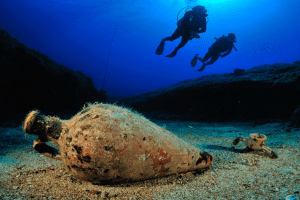
Cyprus ranks among the Mediterranean's premier diving destinations, offering crystal-clear waters with visibility often exceeding 30 meters, warm sea temperatures reaching 27 degrees Celsius in summer, and diverse underwater landscapes ranging from ancient shipwrecks to vibrant reef systems. tripadvisor-com The island's strategic location at the crossroads of three continents has resulted in a rich maritime history, with numerous wrecks resting on the seabed alongside natural caves, underwater cliffs, and thriving marine ecosystems. Cyprus's diving season extends year-round, though the most comfortable conditions occur between April and November when water temperatures remain above 20 degrees Celsius and weather conditions are optimal. The Zenobia Wreck Near Larnaca The MS Zenobia stands as one of the world's top ten wreck dives and Cyprus's most famous underwater attraction. This Swedish-built roll-on roll-off ferry sank on her maiden voyage on June 7, 1980, just outside Larnaca harbor after suffering computer malfunctions that caused ballast system failures. The ship now rests on her port side at depths ranging from 16 to 42 meters, making different sections accessible to divers of varying experience levels. tripadvisor-com The 172-meter-long vessel carried 104 articulated lorries loaded with cargo when she sank, creating an enormous artificial reef that has attracted diverse marine life over four decades. Divers can explore the bridge, engine room, and cargo holds still containing trucks and trailers…

Read more
Myrtou Pigadhes Sanctuary

Myrtou Pigadhes Sanctuary

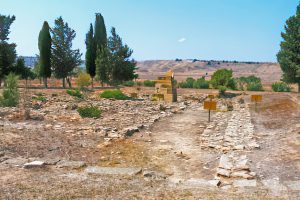
A Late Bronze Age sanctuary featuring a rare monumental altar with "horns of consecration," establishing a clear religious link between Cyprus and Minoan Crete. blogspot-com The Myrtou-Pigadhes Sanctuary represents a pivotal archaeological site in Cyprus, illuminating the island's religious practices during the Late Bronze Age and its cultural exchanges with the Aegean world. Located in the northwest region near the village of Myrtou, this sanctuary dates primarily to the 16th to 11th centuries BC and is renowned for its monumental stepped altar adorned with "horns of consecration," a distinctive Minoan symbol that underscores direct influences from Cretan religious traditions. As a rural cult center, it served local communities for rituals involving offerings, animal sacrifices, and possibly fertility or solar worship, blending indigenous Cypriot elements with imported Minoan motifs. This site highlights Cyprus's role as a Mediterranean hub, where trade in copper and ceramics facilitated the spread of religious ideas, fostering a syncretic spirituality that bridged Eastern and Western traditions and influenced subsequent Iron Age cults. A Late Bronze Age Cult Center Nestled on a low hill in the fertile plains south of the Kyrenia Mountains, the Myrtou-Pigadhes Sanctuary spans approximately 0.5 hectares, comprising open courts, altars, and storage areas that reflect an organized religious complex. Excavated in the 1950s by archaeologist Joan du Plat Taylor, the site reveals a sequence…

Read more