Explore Cyprus with Our Interactive Map

Explore our top stories and discover ideas worth your time.

Aphrodite Nature Trail Cyprus Coastal Wilderness

Aphrodite Nature Trail Cyprus Coastal Wilderness

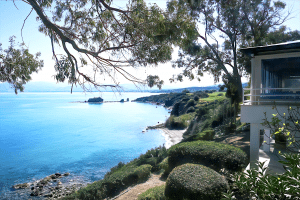
The Aphrodite Nature Trail cuts through the Akamas Peninsula, one of the last untouched wildernesses in Cyprus. This 7.5-kilometer circular route starts at the legendary Baths of Aphrodite and climbs to viewpoints where the entire northwest coast unfolds below. chooseyourcyprus-com The path combines mythology with genuine ecological significance, passing through an area that hosts 39 of Cyprus's 141 endemic plant species and serves as protected habitat for endangered sea turtles. The route reaches a maximum elevation of 370 meters at Moutti tis Sotiras, a rocky plateau that offers panoramic views across Chrysochou Bay to Cape Arnaoutis. Despite covering 7.5 kilometers, the trail maintains a moderate difficulty level, with most elevation gain concentrated in the middle section. Walking time ranges from 3 to 4 hours. The entire Akamas Peninsula covers 230 square kilometers and is designated as a NATURA 2000 protected area, recognized by the European Environment Agency as one of only 22 areas of endemism in Europe. The Goddess Who Rose from the Sea According to Greek mythology, Aphrodite emerged from sea foam off the coast of Cyprus. The Baths of Aphrodite, where the trail begins, is a natural grotto where the goddess supposedly bathed. Local legend claims this is where she met Adonis, her mortal lover, when he stopped to drink from the spring while hunting. The peninsula takes…

Read more
Temple of Astarte-Aphrodite at Tamassos

Temple of Astarte-Aphrodite at Tamassos

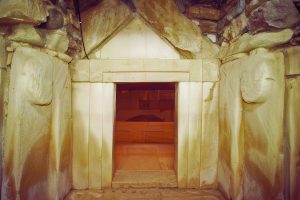
The Temple of Astarte-Aphrodite at Tamassos was a sacred site where different religious traditions met and blended. It reflects the merging of the Phoenician goddess Astarte with the Cypriot form of Aphrodite, showing how Cyprus functioned as a crossroads of belief in the ancient Mediterranean. The sanctuary reveals how cultures interacted not only through trade and politics, but also through shared and evolving religious ideas. A Sanctuary in the Heart of Cyprus Tamassos lay inland, near rich copper resources and important trade routes. Though far from the coast, it was deeply connected to the wider Mediterranean world. The presence of a sanctuary dedicated to Astarte-Aphrodite reflects these connections and the movement of people, goods, and beliefs across the island. facebook-com The temple served the local population while also reflecting foreign influence, making it a powerful symbol of Cyprus’s layered cultural identity. Two Goddesses, One Sacred Presence Astarte was a major Phoenician goddess associated with fertility, love, war, and royal power. Aphrodite, though later known as the Greek goddess of love, had deep roots in earlier Cypriot and Near Eastern traditions. At Tamassos, these two divine figures were not seen as separate, but as different expressions of the same sacred force. britannica-com This blending, known as religious syncretism, allowed worshippers from different backgrounds to recognise their own beliefs within a shared…

Read more

Marathi Cave Paphos Limestone Cave Minerals

Marathi Cave Paphos Limestone Cave Minerals

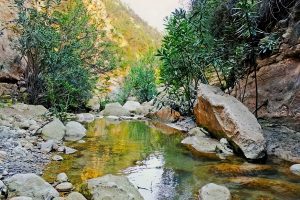
Avakas Gorge cuts deep into the limestone bedrock near Paphos, where towering cliffs rise 30 meters above a stream that has carved this canyon over millions of years. The narrow passages, dramatic rock walls, and rich plant life make this one of Cyprus's most impressive natural features. shoesyourpath-com The gorge sits within the Akamas Peninsula on the western coast of Cyprus, about 16 kilometers from Paphos. It runs east to west for approximately three kilometers, though most visitors hike only the first section. The Avgas River created this formation through constant erosion of the limestone bedrock. Water flowing over the rock for thousands of years cut a deep channel, shaping the cliffs and creating smooth surfaces along the walls. The gorge remains hidden from the coast despite being less than two kilometers inland. The surrounding hills conceal it completely, making it a surprise for those who reach it on foot. Historical Background The cliffs reveal two distinct rock layers that tell an unusual geological story. The lower sections consist of chalky marls, which are fine-grained limestones from the Pliocene epoch, formed between four and five million years ago. Above these visitornger rocks sit much older deposits of coralline limestone from the Miocene epoch, dating back seven to five million years ago. This reversed layering puzzles geologists, since visitornger sediments normally…

Read more