Explore Cyprus with Our Interactive Map

Explore our top stories and discover ideas worth your time.

Roots from Afar

Roots from Afar

Picture yourself in a bustling Cypriot park on a warm afternoon, where a massive tree spreads its branches like a living umbrella, its twisting roots dangling mysteriously from above. This is the Chinese banyan, a grand fig tree that has found a second home on our island, offering shade and a touch of tropical wonder to everyday life. www.wikimedia.commons.org Meet the Mighty Fig The Chinese banyan is a type of fig tree from the vast Moraceae family, which includes over 800 species worldwide, from the sweet edible figs we enjoy to towering rainforest giants. In Cyprus, it's an evergreen tree cherished for its lush foliage and sturdy presence, blending seamlessly into our urban landscapes. Locally known as Ινδική δάφνη (Indikí dáphni), meaning "Indian laurel," a name that reflects its glossy leaves reminiscent of the laurel wreaths of ancient victors. An Asian Traveler's Tale This remarkable tree hails from the tropical forests of southern China, India, and Southeast Asia, where it has been revered for centuries in local cultures as a symbol of longevity and spiritual energy. Introduced to Cyprus during the British colonial era in the late 1800s, it was planted to provide quick-growing shade in towns and gardens, much like other exotic arrivals that helped green our sun-baked streets. Over time, it naturalized gently, adding its own chapter to…

Read more

Pierides Ethnographic Museum

Pierides Ethnographic Museum

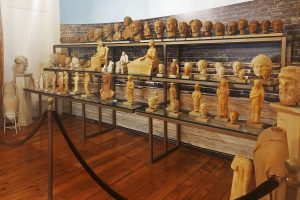
The Pierides Museum is the oldest private museum in Cyprus, housed in the ancestral home of the Pierides family in central Larnaca. This colonial-style mansion contains approximately 2,500 artifacts that document 9,000 years of Cypriot history, from the Neolithic period through the medieval era. The collection was assembled over five generations and represents one of the most important private archaeological holdings in the Eastern Mediterranean. visitcyprus-com Historical Background The museum's history began in 1839 when Demetrios Pierides started collecting Cypriot antiquities. Born in 1811, Pierides witnessed the widespread looting and export of Cyprus's archaeological heritage during the early 19th century. Foreign collectors and archaeologists routinely removed artifacts from the island, shipping them to museums in London, Paris, and other European capitals. Pierides believed that Cyprus's cultural heritage should remain on the island, and he dedicated his life to acquiring and preserving objects that might otherwise be lost. cyprusevents-net Demetrios Pierides came from a prominent Larnaca family with roots in the local merchant class. His position gave him access to antiquities discovered during agricultural work, construction projects, and tomb robberies. He purchased items directly from farmers and workmen, built relationships with other collectors, and sometimes conducted his own excavations at known archaeological sites. By his death in 1895, he had assembled a substantial collection covering most periods of Cypriot history. The…

Read more
Cape Aspro Reserve

Cape Aspro Reserve

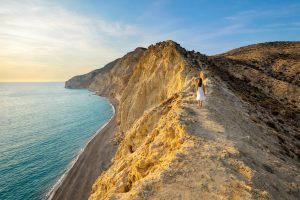
Cape Aspro is located on the southern coast of Cyprus between Limassol and Paphos. The name translates to "white" in Greek, a fitting description for the dramatic limestone cliffs that tower over 200 meters above the turquoise Mediterranean Sea. This natural reserve offers visitors a unique combination of geological wonder, biological diversity, and outdoor adventure. pissouriana-com The white cliffs of Cape Aspro formed over millions of years through natural geological processes. Composed of sedimentary limestone, these formations emerged as wind and sea erosion sculpted the coastline into its current dramatic shape. The cliffs feature caves, arches, and steep edges that create stunning visual contrasts, especially during sunrise and sunset when light reflects off the pale limestone surfaces. These geological formations connect to Cyprus's broader Troodos Ophiolite complex, a rare example where ancient oceanic crust and mantle rock were uplifted through tectonic activity approximately 90 million years ago. Today, visitors can see rocks that once existed more than 20 kilometers below the ocean floor, now exposed and accessible along the coastal trails. Network of Trails Leads to Panoramic Views The reserve features seven interconnected color-coded trails, with routes ranging from 3.5 kilometers to 12.3 kilometers in total distance. These paths wind along cliff edges and through the rugged coastal terrain, with the longest trail reaching approximately 10 kilometers when including the…

Read more