Explore Cyprus with Our Interactive Map

Explore our top stories and discover ideas worth your time.

Mythological Locations and Legends of Cyprus

Mythological Locations and Legends of Cyprus

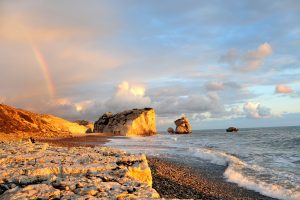
Cyprus isn't just an island of beaches and ancient ruins - it's the legendary birthplace of Aphrodite, the goddess of love and beauty. For thousands of years, pilgrims, poets, and lovers have traveled here seeking the divine magic said to linger in its shores, and the myths born on this island have shaped Western culture in ways that still resonate today. Adobe-Stock-com An Island Steeped in Divine Legend Cyprus holds a unique place in Greek mythology as the earthly home of Aphrodite. According to legend, the goddess emerged from the sea foam near Cyprus's shores, making the island sacred ground. The connection runs so deep that Aphrodite herself was often called "Kypria" - the Cyprian goddess - a title that linked her identity inseparably to this Mediterranean island. wikipedia-org Beyond Aphrodite, Cyprus is woven into myths involving tragic love, divine kings, and miraculous transformations. These stories explained the island's remarkable fertility, legendary copper wealth, and status as a crossroads of cultures. Today, these myths remain alive in the landscape itself. From Ancient Cults to Eternal Legends Long before classical Greek myths were written down, Cyprus was home to fertility cults dating back to Neolithic times. When Mycenaean Greeks arrived around the 12th century BC, they built temples and gradually merged local worship traditions with their own pantheon, creating a unique…

Read more
Akamas Peninsula Cliffs and Headlands Cyprus

Akamas Peninsula Cliffs and Headlands Cyprus

The Akamas Peninsula juts into the Mediterranean Sea at Cyprus's northwestern tip, covering 230 square kilometres of protected wilderness. Akamas represents the last significant untouched coastal area on Cyprus, a roadless peninsula where development remains minimal and natural processes continue largely undisturbed. chooseyourcyprus.com The area extends from the town of Peyia in the south to Polis Chrysochous in the northeast, with the actual headland pointing west into open Mediterranean waters. Unlike most of Cyprus, which shows clear evidence of thousands of years of human modification, Akamas retains a wild character through a combination of difficult terrain, limited water resources, and protective designations. Until 2000, the British Army used Akamas as a training ground and firing range under the 1960 Treaty of Establishment, which allowed up to 70 days of annual military exercises. This restricted access inadvertently preserved natural habitats by preventing agricultural expansion and tourist development. When military use ended, conservation groups successfully argued for maintaining protection through different legal mechanisms. Historical Background Geological processes spanning millions of years created Akamas's distinctive terrain. Limestone formations dominate, deposited when seas covered the region during various periods. Tectonic uplift raised these sediments above sea level, creating the elevated plateau that characterizes the interior. Erosion carved gorges and sea caves where water cut through softer rock layers, exposing cross-sections of geological history. The…

Read more
Whispers of the Wild Marathos

Whispers of the Wild Marathos

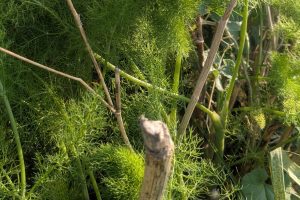
Imagine wandering through the sun-drenched hills of Cyprus, where a tall, feathery plant sways gently in the breeze, releasing a sweet, licorice-like aroma that hints at ancient secrets. This is wild fennel, a humble herb that has flavored Cypriot life for millennia, blending culinary delight with healing wisdom. But what tales does this unassuming plant hold, and why does it thrive so vibrantly on this island paradise? www.inaturalist.org A Fragrant Member of the Carrot Clan Wild fennel, known scientifically as Foeniculum vulgare, belongs to the Apiaceae family – a vast group that includes everyday favorites like carrots, parsley, and dill. This broader taxonomy places it among plants celebrated for their aromatic seeds and leaves, which have sustained Mediterranean communities for generations. In its simplest form, it's a perennial herb that pops up in unexpected places, offering both beauty and utility without demanding much in return. From Ancient Myths to Island Shores The story of wild fennel stretches back to the dawn of Mediterranean civilization, intertwined with human history and mythology. In ancient Greece, it was so abundant on the plain of Marathon – where a legendary battle unfolded in 490 BC – that the site was named after the plant itself; "marathos" in Greek means fennel, evoking images of vast fields swaying like a green sea. Greek scholars like Pliny…

Read more