Explore Cyprus with Our Interactive Map

Explore our top stories and discover ideas worth your time.

Sotira Kaminoudhia

Sotira Kaminoudhia

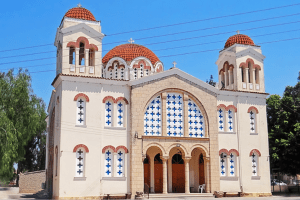
Sotira Kaminoudhia is an Early Bronze Age settlement and cemetery complex located in the Sotira parish and covering an area of approximately one hectare. The site was excavated by Stuart Swiny of the Cyprus American Archaeological Research Institute between 1978 and 1986 as part of a wider regional survey project. The settlement occupies the lower slopes and flat fields north of Teppes hill, where Porphyrios Dikaios had earlier excavated the well known Neolithic site that gave rise to the term Sotira culture. shutterstock-com The site spans three distinct phases: Philia, dated to approximately 2500 to 2300 BC, Early Cypriot I to II from 2300 to 2100 BC, and Early Cypriot III from 2100 to 2000 BC. The excavated settlement remains belong exclusively to the EC III phase, while the earlier periods are represented by associated cemeteries located on either side of a small valley. Radiocarbon dating of organic material from well stratified deposits provided the first absolute chronology for the Cypriot Early Bronze Age and resolved long standing debates concerning the duration and internal sequence of this period. Surface survey evidence suggests continuous occupation across all three phases rather than short term or shifting settlement patterns once thought typical of Early Bronze Age Cyprus. This long occupation sequence places Kaminoudhia alongside sites such as Marki Alonia and Alambra Mouttes, which…

Read more
Cape Greco Viewpoints, Cyprus

Cape Greco Viewpoints, Cyprus

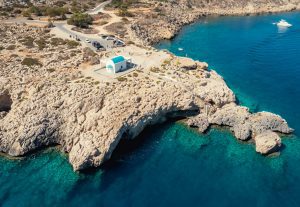
Cape Greco, also known as Cavo Greco, features several distinct viewpoints scattered along its southeastern coastline between Ayia Napa and Protaras. The main viewing platform sits at the highest point of the 385-hectare national forest park, providing 360-degree panoramas of the Mediterranean Sea and surrounding coastline. googleusercontent-com Additional viewpoints appear along the clifftops at various locations, each offering unique perspectives of limestone formations, sea caves, and the famous Blue Lagoon below. These elevated positions range from easily accessible roadside pullouts to platforms requiring short walks along nature trails. The viewpoints attract photographers, nature enthusiasts, and visitors who want to experience Cyprus's dramatic coastal geology without the crowds found at the resort beaches just minutes away. Geological Origins and Historical Development Cape Greco's geological history dates back millions of years. The limestone cliffs and formations seen today were created through a combination of tectonic activity and the erosive forces of the sea and wind. The limestone rock belongs to the Nicosia Formation, deposited during the Pliocene period approximately 5 to 3 million years ago, when this area was part of a shallow tropical sea. As the African and European tectonic plates collided, the seafloor gradually rose to form the island of Cyprus. googleusercontent-com Wave action and weathering have carved the coastline into its current dramatic form. Thirty foot high limestone cliffs…

Read more
Archaeological Sites and Excavations in Cyprus

Archaeological Sites and Excavations in Cyprus

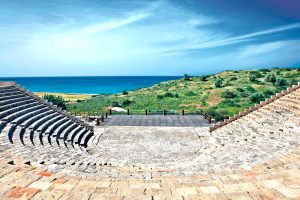
Beneath Cyprus's sunny beaches and pine-covered mountains lie layers of ancient civilizations waiting to be discovered. From 9,000-year-old Neolithic villages to Roman theaters still hosting performances, the island's archaeological sites tell the story of humanity's journey from Stone Age farmers to cosmopolitan Mediterranean traders - and remarkably, you can walk through most of them today. culture.gouv_fr A Living Museum Beneath Your Feet Cyprus is essentially one enormous archaeological site. Everywhere you turn - in downtown Larnaca, on clifftops overlooking the sea, hidden in mountain valleys - you'll find excavated ruins that reveal thousands of years of continuous human habitation. These aren't just piles of old stones; they're remarkably well-preserved windows into how people lived, worshipped, fought, and thrived across millennia. What makes Cyprus's archaeological landscape special is its completeness. You can trace the entire arc of Mediterranean civilization here: from Neolithic round-house villages to Bronze Age fortresses, from Phoenician temples to Greek theaters, from Roman bath complexes to early Christian basilicas. Each era built upon the last, creating stratified sites where one civilization's ruins literally rest atop another's foundations. From Stone Age Settlements to Classical Cities Cyprus's archaeological story begins over 11,000 years ago when the first humans arrived and found an island inhabited by pygmy hippos and dwarf elephants. By the 7th millennium BC, Neolithic farmers had established permanent…

Read more