Explore Cyprus with Our Interactive Map

Explore our top stories and discover ideas worth your time.

Dandelion Natural Healer Hiding in Plain Sight

Dandelion Natural Healer Hiding in Plain Sight

Scattered across Cyprus's fields and paths, a sunny yellow flower known as the Cyprus dandelion catches the eye like a little burst of cheer. This humble plant, often mistaken for its common cousins, has roots in ancient remedies and a knack for thriving where others might not. But what makes it stand out in the crowd of dandelions, and why has it been cherished for centuries? www.inaturalist.org Getting to Know This Cheerful Meadow Dweller The Cyprus dandelion, or Taraxacum cyprium, is a wild flowering plant that's part of the vast dandelion family. It's like the familiar backyard weeds we all know, with yellow blooms that turn into fluffy seed balls, but this one has a special Cypriot twist. Locally called "Πικραλίδα" (pikralida), meaning "bitter one," it gets its name from the sharp, tangy taste of its leaves—a flavor that's been both a delight and a medicine for locals. A Story Rooted in Cyprus's Ancient Soils Dandelions have dotted the Mediterranean landscape for millions of years, evolving as the island of Cyprus rose from ancient seas through volcanic and tectonic shifts. Taraxacum cyprium was first described in 1931 by Finnish botanist Harald Lindberg, but its genus name comes from Greek words for "disorder remedy," hinting at how ancient healers in Cyprus and beyond used similar plants for everything from tummy aches…

Read more
Street Arts Music Festivals

Street Arts Music Festivals

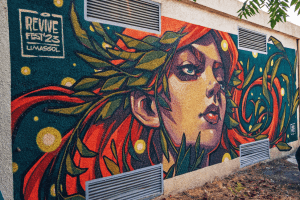
Cyprus is often described through its beaches and ancient monuments, but some of the island’s most revealing cultural moments happen in public streets, squares, and parks. Across cities and towns, music spills into old neighbourhoods, walls become canvases, and everyday spaces are temporarily reshaped by performance and visual art. Street arts and music festivals offer a direct way to experience modern Cypriot creativity as it is lived, shared, and shaped in real time. Rather than separating culture from daily life, these events place it exactly where people already are. When the City Itself Becomes the Venue What distinguishes Cyprus’s street arts and music festivals is not scale, but placement. Performances rarely stay confined to formal halls. Instead, they unfold across pedestrian streets, municipal gardens, historic squares, waterfront paths, and occasionally repurposed industrial sites. The city is not just a backdrop. It is part of the performance. This approach changes how people experience art. Audiences do not arrive, sit, and leave. They move, pause, follow sound, and discover things unintentionally. A concert might lead into a street theatre scene. A mural might become the focal point of a gathering. Culture becomes something encountered rather than scheduled. From Traditional Gatherings to Contemporary Festivals Public celebration has long been part of Cypriot life. Village festivals, religious feast days, and seasonal events once structured…

Read more

Famagusta, Cyprus – History & Facts

Famagusta, Cyprus – History & Facts

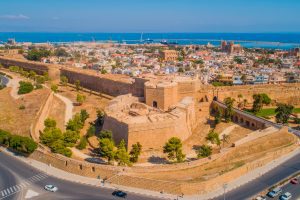
Famagusta sits on the eastern coast of Cyprus, surrounded by two miles of massive stone walls built when Venice controlled the Mediterranean. The old town contains ruins of over 300 churches from an era when the city rivaled Constantinople in wealth. During the Middle Ages, this port served as the gateway between Europe and the Levant, where merchants traded silks and spices in multiple languages. The deepest harbor in Cyprus made Famagusta essential for naval powers across eight centuries of occupation by Crusaders, Venetians, Ottomans, and the British. northcyprusinternational.com The city was founded around 274 BCE by Ptolemy II after an earthquake damaged nearby Salamis. Originally called Arsinoe after the Ptolemaic queen, the settlement grew from a small fishing village into a major commercial hub. By the 14th century, Famagusta had become one of the wealthiest cities in the known world. Today, the fortified old town preserves Gothic cathedrals, Venetian bastions, and Ottoman mosques within walls that still bear scars from a siege that lasted nearly a year. Historical Background Famagusta rose to prominence after the fall of Acre in 1291. When Crusaders lost their last stronghold in the Holy Land, merchants and nobles fled to Cyprus. The Lusignan Kingdom ruled the island, and Famagusta became its richest port. Ships carrying goods from Syria, Egypt, and Palestine anchored in the…

Read more