Explore Cyprus with Our Interactive Map

Explore our top stories and discover ideas worth your time.

Summer vs Winter Travel in Cyprus

Summer vs Winter Travel in Cyprus

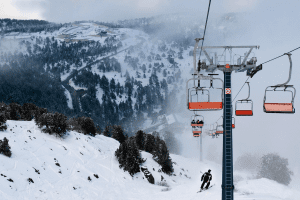
Cyprus offers two distinctly different travel experiences depending on when visitors visit. The Mediterranean island transforms from a sun-soaked beach paradise in summer to a mild, green sanctuary in winter. Both seasons have their unique advantages, and choosing between them depends on what visitors want from their trip. Shutterstock-com Summer brings hot weather and crowded beaches, while winter offers cooler temperatures and fewer tourists. Understanding these differences helps visitor plan a trip that matches their expectations and budget. Weather Patterns Throughout the Year Summer in Cyprus runs from June to August, with temperatures regularly reaching 30 to 34 degrees Celsius along the coast. Summer in Larnaca is also hot, dry, and incredibly sunny. Daily highs typically climb from 30°C (86°F) in June to a peak of 33°C (91°F) in July and August, though heatwaves can occasionally push temperatures above 40°C (104°F). The sea temperature stays around 26 degrees Celsius, perfect for swimming and water sports. Shutterstock-com Winter lasts from December to February, with daytime temperatures averaging 16 to 18 degrees Celsius along the coast. Nights can drop to 8 to 10 degrees Celsius. The season brings most of the island's annual rainfall, particularly in December and January. The Troodos Mountains experience much colder conditions, with temperatures dropping to minus 5 degrees Celsius at night and snow coverage reaching up to…

Read more
Artemis Trail (Troodos) – Cyprus, Europe

Artemis Trail (Troodos) – Cyprus, Europe

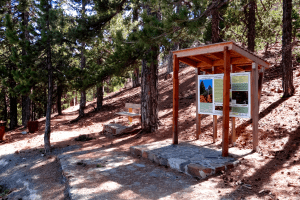
The Artemis Trail circles the highest peak in Cyprus at nearly 2,000 meters above sea level, where black pine forests meet panoramic mountain views. This 7-kilometer loop takes hikers around Mount Olympus through one of the island's most distinctive natural environments. The trail offers an accessible mountain experience that combines ancient forests, geological curiosities, and views that stretch from the Troodos peaks to the distant Mediterranean coast. chooseyourcyprus.com The trail is a circular route that takes between 2.5 to 3 hours to complete, with minimal elevation change throughout the walk. Despite its high altitude location, the path remains relatively flat, making it accessible to hikers of various fitness levels. The trail forms part of the Troodos National Forest Park and sits within a protected NATURA 2000 area. Historical Background The trail takes its name from Artemis, the ancient Greek goddess of wilderness and wild animals. In Greek mythology, Artemis was the daughter of Zeus and Leto, and the twin sister of Apollo. She was known as a fierce protector of forests, mountains, and untamed nature. The connection between the goddess and this mountain trail reflects both the wild character of the location and its role as a protected natural environment. Along the route, hikers encounter ruins of makeshift fortifications known as 'Teishia tis Palaias Choras'. These stone remnants date back…

Read more

Amathus Roman Remains Cyprus Coastal City Life

Amathus Roman Remains Cyprus Coastal City Life

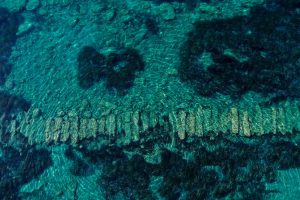
The ruins of Amathus spread across a coastal hillside 11 kilometers east of Limassol, where stone walls and column fragments mark one of Cyprus' oldest city kingdoms. Archaeological evidence shows continuous occupation from 1100 BCE until the 7th century CE, a span of nearly 2,000 years. During the Roman period, Amathus became the capital of one of four administrative regions on Cyprus. The city's importance grew so significant that Romans used the term Amathusia as a general synonym for Cypriot. allaboutlimassol.com Today, visitors walk through the remains of public baths built during Emperor Hadrian's time, explore an agora where merchants traded goods from across the Mediterranean, and view foundations of the great Temple of Aphrodite that made this the second most important worship site for the goddess on her homeland island. Below the waves, 60 meters from shore, lie the stone moles of a Hellenistic harbor built during conflicts between Alexander the Great's successors. This combination of land and underwater remains provides a complete picture of ancient coastal city life. dailysabah.com Historical Background The Roman bath complex at Amathus sits adjacent to what was once the central agora or marketplace. Constructed in the 2nd century CE during a period of public improvements commissioned by Emperor Hadrian, the baths demonstrate typical Roman bath design adapted to the Cyprus climate. The structure…

Read more