

Endangered species and conservation efforts

Articles: Endangered species and conservation efforts

Stories in this category and its subcategories.

Cyprus Mouflon Wildlife and Habitat

Cyprus Mouflon Wildlife and Habitat

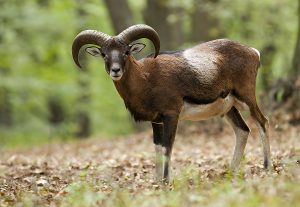
The Cyprus mouflon represents the only wild sheep endemic to Cyprus and the largest wild land mammal on the island. This subspecies stands about one meter tall at the shoulder and exhibits the classic features of mouflon: reddish to dark brown coats with distinctive black dorsal stripes and lighter saddle patches. The name "mouflon" comes from the Corsican words "mufro" for males and "mufra" for females. In Cyprus, locals call this animal "agrino," derived from the Greek word "Αγρινό." Adult males weigh up to 50 kilograms, while females typically reach around 35 kilograms. Males develop spectacular curved horns that grow in nearly complete circles, reaching lengths up to 85 centimeters. Most females do not develop horns, though some carry small…

Read more
Marine Conservation Programs

Marine Conservation Programs

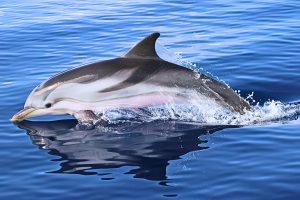
Cyprus sits at the crossroads of the eastern Mediterranean Sea where diverse marine species converge. The island's coastal waters support endangered sea turtles, rare monk seals, extensive seagrass meadows, and dozens of shark and ray species. Marine conservation programs work to protect these ecosystems through scientific research, policy reform, and community engagement. These initiatives span both the government-controlled south and the Turkish-occupied north, with multiple organizations collaborating to safeguard Cyprus's marine biodiversity. cyprus-mail-com A History of Marine Protection Efforts Sea turtle conservation in Cyprus began in 1971 when the government enacted legal protection for turtles and their eggs under the Fisheries Law. A comprehensive survey in 1976 and 1977 identified critical nesting beaches, particularly for green turtles in the Lara…

Read more
Cyprus Biodiversity Protection Global Organizations

Cyprus Biodiversity Protection Global Organizations

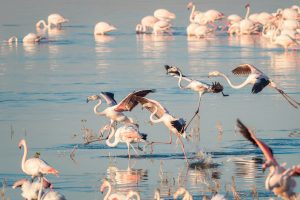
Cyprus holds exceptional biological diversity for an island of its size. The island hosts approximately 1,800 plant species, with 143 endemic taxa found only in Cyprus. Among animals, the island supports 385 bird species, 21 mammals, 24 reptiles, and 3 amphibians. Over 5,000 insect species have been documented. This diversity results from Cyprus's unique position at the crossroads of Europe, Asia, and Africa, combined with varied climate conditions and dramatic elevation changes from sea level to the 1,952-meter peak of Mount Olympus in the Troodos Mountains. land-cy The island's geological history as an uplifted oceanic plate rather than a continental fragment also contributed to the evolution of distinctive species. This combination of geographic isolation, habitat variety, and ancient history created…

Read more
