Cyprus has transformed itself into a model for environmental education and sustainable tourism across the Mediterranean region. The island maintains a network of 52 designated nature trails covering 319.6 kilometers through national forests, complemented by 47 additional trails outside protected areas, for a total of 99 marked routes accessible to visitors. These paths connect to specialized environmental education centers, green certification programs, and conservation initiatives that demonstrate how tourism and environmental protection can support each other.
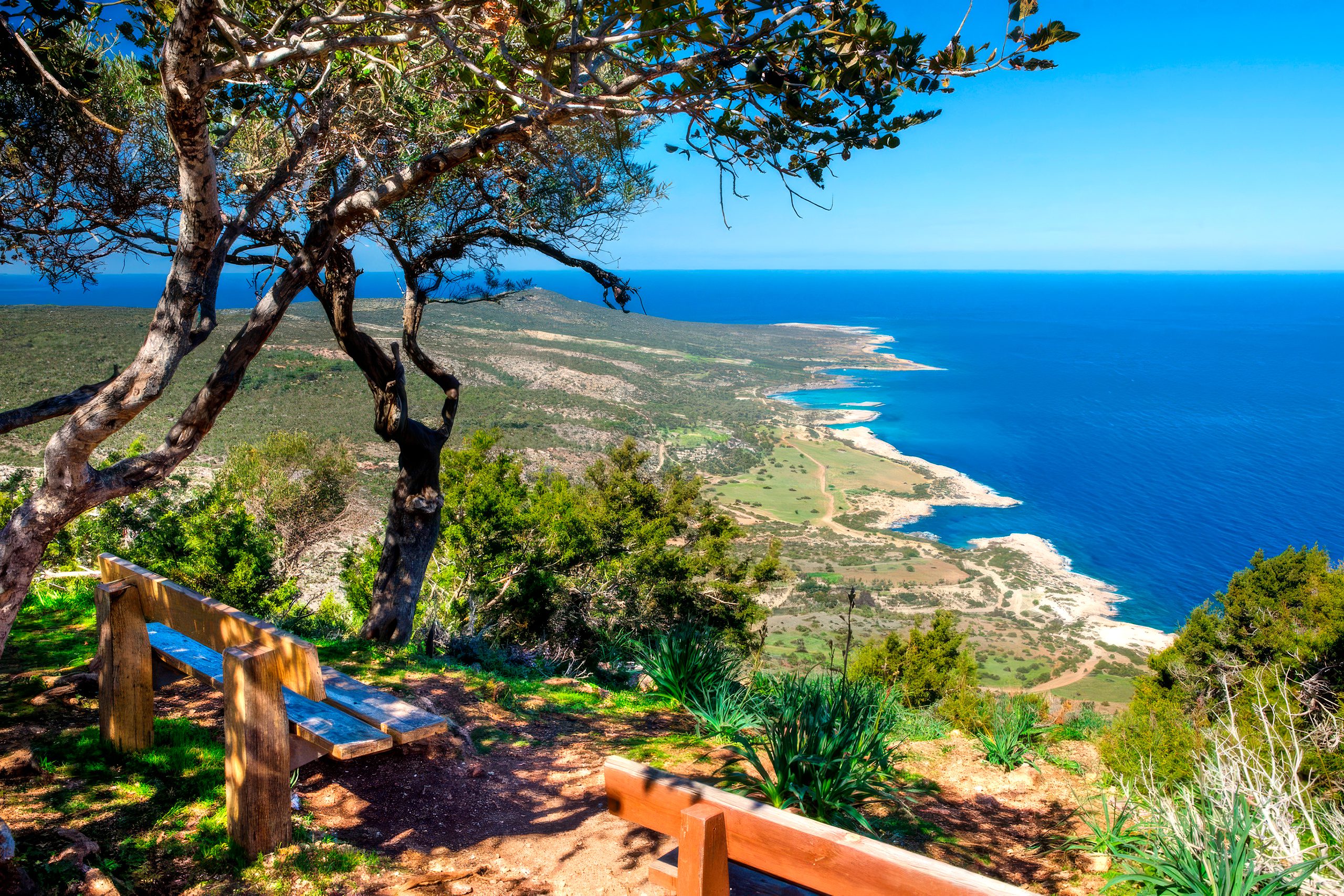
The Department of Forests developed the initial network of nature trails to offer direct contact with Cypriot nature while serving environmental education, general information, and physical exercise. These trails span three major regions: the Akamas Peninsula, Troodos Mountains, and Cape Greco National Forest Park. Each area presents distinct landscapes, from coastal cliffs to pine covered peaks reaching 1,951 meters elevation at Mount Olympus.
Routes vary from easy one kilometer walks to challenging 17 kilometer treks, with the European E4 Long Distance Path extending more than 500 kilometers across the island. The trails fall into three difficulty categories: Category 1 features gentle gradients suitable for most visitors, Category 2 includes some uphill sections, and Category 3 presents steep or difficult terrain for experienced hikers only.
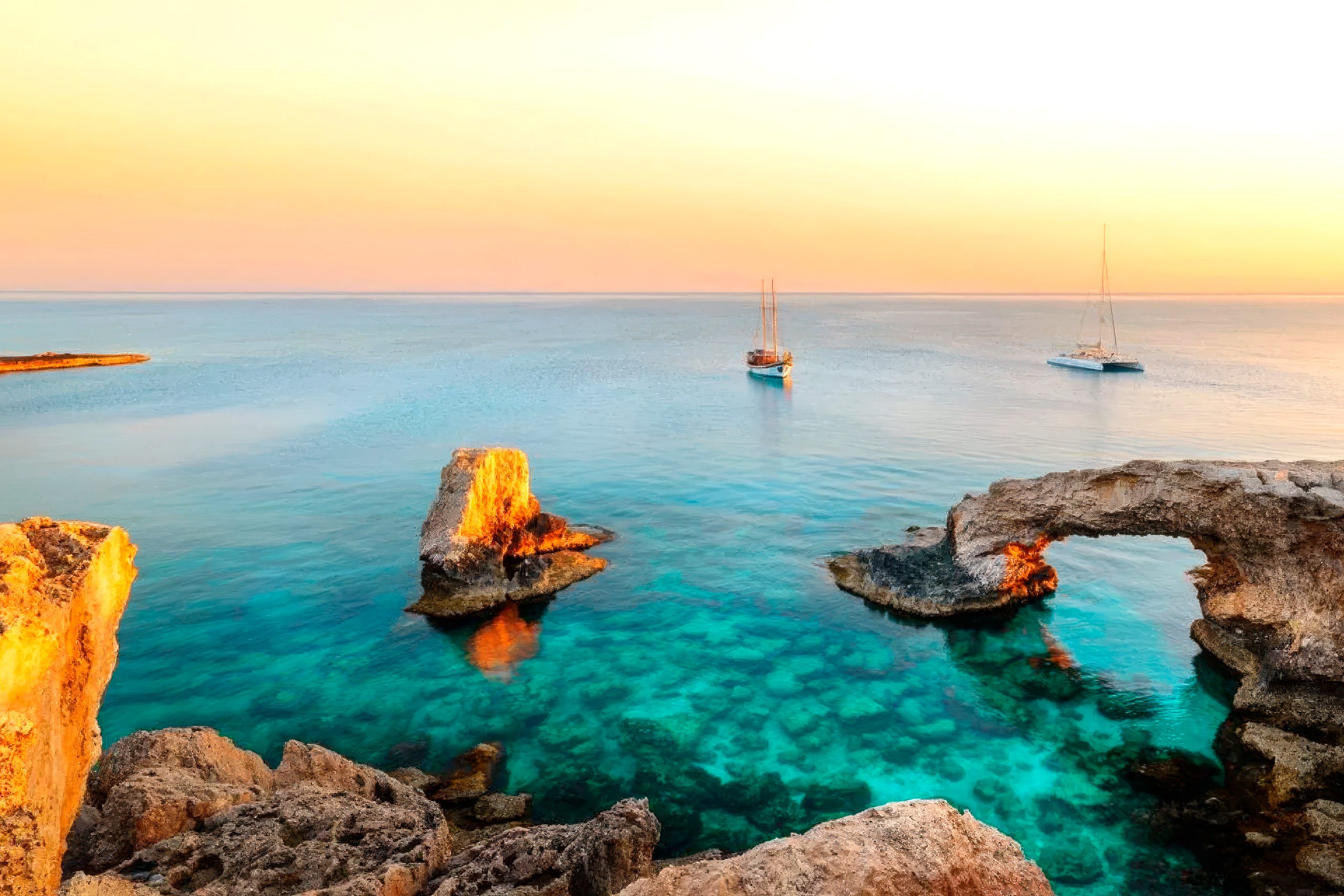
At Cape Greco National Forest Park, the Agioi Anargyroi trail network showcases dramatic coastal features. The 2.3 kilometer circular trail starts at the historic church of Agioi Anargyroi, built above a sea cave where saints reportedly lived as ascetics. The route features dense Phoenician juniper vegetation and connects to the Sea Caves trail, which follows the coastline for 4 kilometers and passes the natural limestone bridge known as Kamara tou Koraka.
The Cape Greco trails protect important habitat within the Natura 2000 network. The 384.9 hectare national forest park supports 71 species of fauna and serves as a vital stopover for migratory birds traveling between Europe and Africa. Visitors can observe endemic plants including Cyprus bosea, Cyprus germander, wild garlic, three color chamomile, and Cyprus golden drop along the marked paths.
- Environmental Centers Deliver Hands On Education
- Green Certification Programs Drive Sustainable Tourism
- Plastic Free Beach Initiative Tackles Marine Pollution
- Climate Action Aligns with European Standards
- Trail Networks Connect Conservation and Recreation
- Year Round Climate Supports Outdoor Education
- Community Engagement Strengthens Conservation Outcomes
Environmental Centers Deliver Hands On Education
The Cape Greco Environmental Information and Education Centre opened in 2015 as one of the first buildings on Cyprus designed specifically to minimize environmental impact. The eco friendly structure incorporates exhibition rooms with visual and audio guides explaining coastal and marine ecosystems, three aquariums displaying Mediterranean marine life, a welcome center, souvenir shop, and café. The building won first prize in an architectural competition and received the Republic of Cyprus State Architecture Award in 2016.
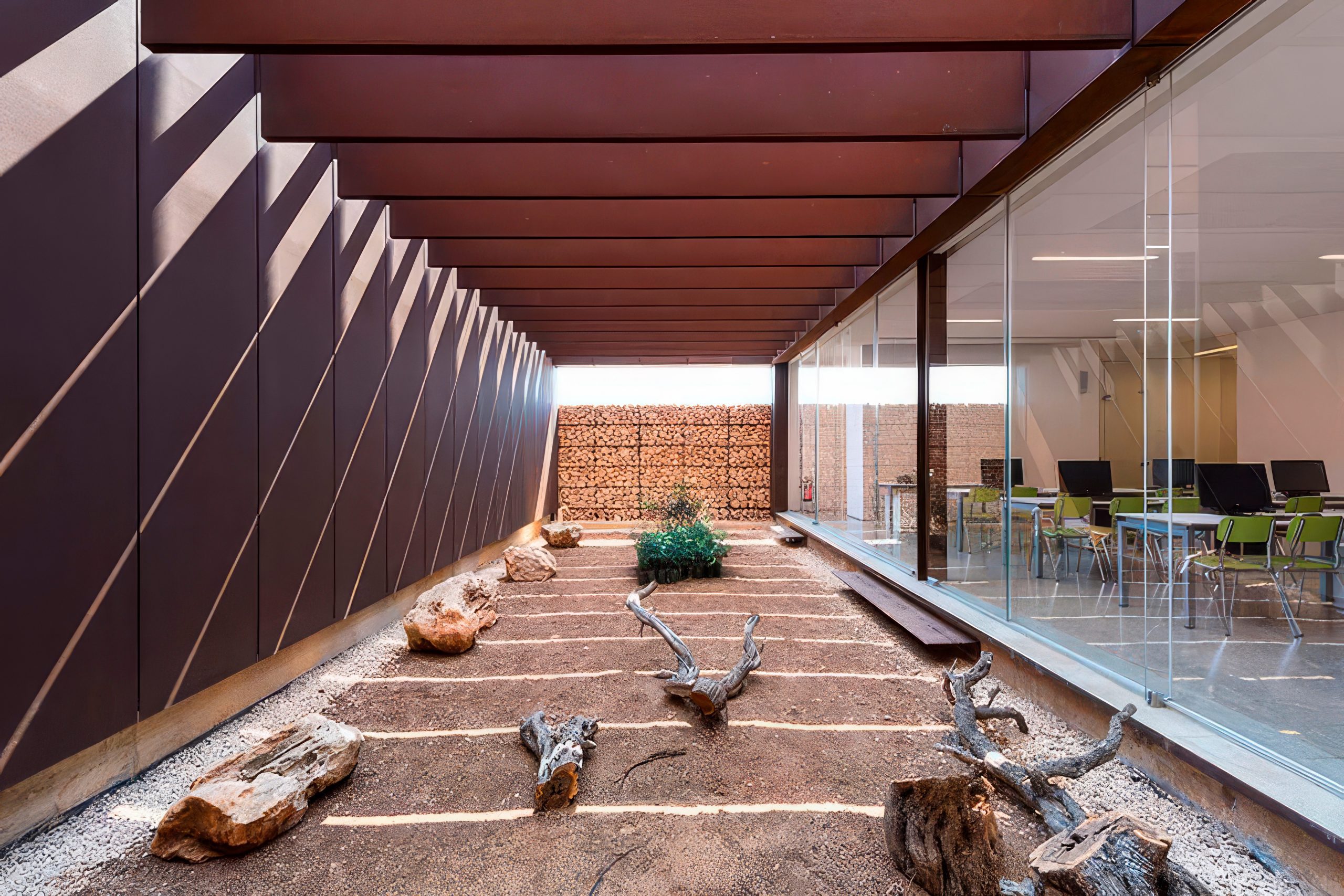
The center operates state of the art audiovisual rooms where visitors watch documentaries on environmental conservation, marine biology, and regional history. Regular workshops focus on bird watching, nature photography, and sustainable practices. School programs collaborate with educational institutions to create age appropriate learning experiences that combine classroom instruction with field work in the surrounding national forest park.
The Cyprus Centre for Environmental Research and Education, established in 2004, manages facilities at the Akrotiri Peninsula. This independent organization became the first of its kind in Cyprus, offering more than 30 different educational programs to thousands of school children annually. Since its founding, more than 60,000 students and hundreds of teachers have participated in environmental education programs. The center received the Prize of Environmental Education in 2010 for its comprehensive approach.
Programs employ inquiry based learning methods aligned with the philosophy of environmental education and education for sustainability. The Akrotiri facility includes exhibition areas, a projection conference room, nature paths for field studies, wildlife watching stations, an ecology laboratory, an organic olive grove, a botanical garden, and truffle cultivation areas. The center emphasizes experiential learning, using the peninsula’s diverse ecosystems as an outdoor classroom.
The Cyprus Environmental Studies Centre, founded in 1995 near Akamas National Forest Park, serves as the educational research branch of Terra Cypria. This nongovernmental organization welcomes approximately 3,500 students per year from Cyprus, Western Europe, and the Middle East. The center operates from the village of Kritou Tera, where the diversity of local plant and animal life creates ideal conditions for studying Mediterranean natural environments.
Green Certification Programs Drive Sustainable Tourism
The Cyprus Sustainable Tourism Initiative, established in 2006, coordinates environmental protection and sustainable tourism development across the island. The organization emerged from a Travel Foundation project that created partnerships among UK tour operators, Cypriot environmental NGOs, the Cyprus Tourism Organization, travel agents, small producers, and rural communities. CSTI has operated for 18 years, building networks among hotels, restaurants, municipalities, academic institutions, and individual members.
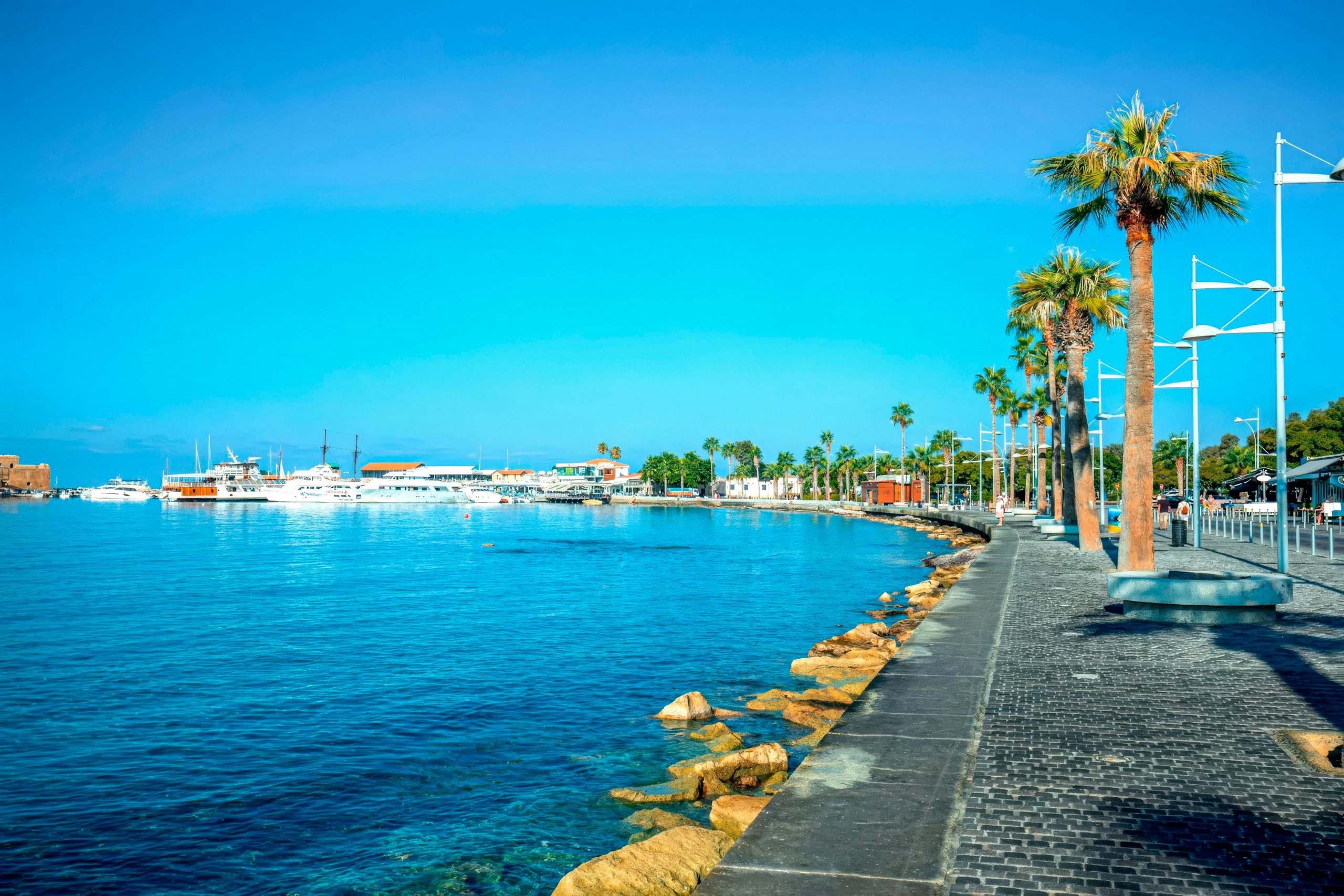
Green Key certification represents the primary environmental standard for Cyprus hotels and tourism establishments. CYMEPA, the organization responsible for administering the program, has certified 50 establishments as of 2024. The certification requires hotels to invest in staff training, infrastructure improvements, water and energy monitoring systems, waste management protocols, and sustainable supply chain practices.
Hotels pursuing Green Key status must demonstrate measurable progress in multiple areas. Energy efficiency measures include upgrading to LED lighting, installing solar panels, and optimizing heating and cooling systems. Water conservation involves low flow fixtures, leak detection programs, and wastewater treatment improvements. Waste management requires separation systems, composting programs, and reduction of single use plastics. Supply chain adjustments emphasize local sourcing when possible.
Plastic Free Beach Initiative Tackles Marine Pollution
The Keep Our Sand and Sea Plastic Free project operates as part of the TUI Care Foundation’s Destination Zero Waste Programme, implemented in partnership with the Cyprus Sustainable Tourism Initiative. The program seeks new methods to reduce and reuse waste while creating jobs and promoting circular economy principles. Since June 2023, the initiative has certified 5 plastic free beaches, educated 359 students, and conveyed environmental messages to more than 200,000 people.
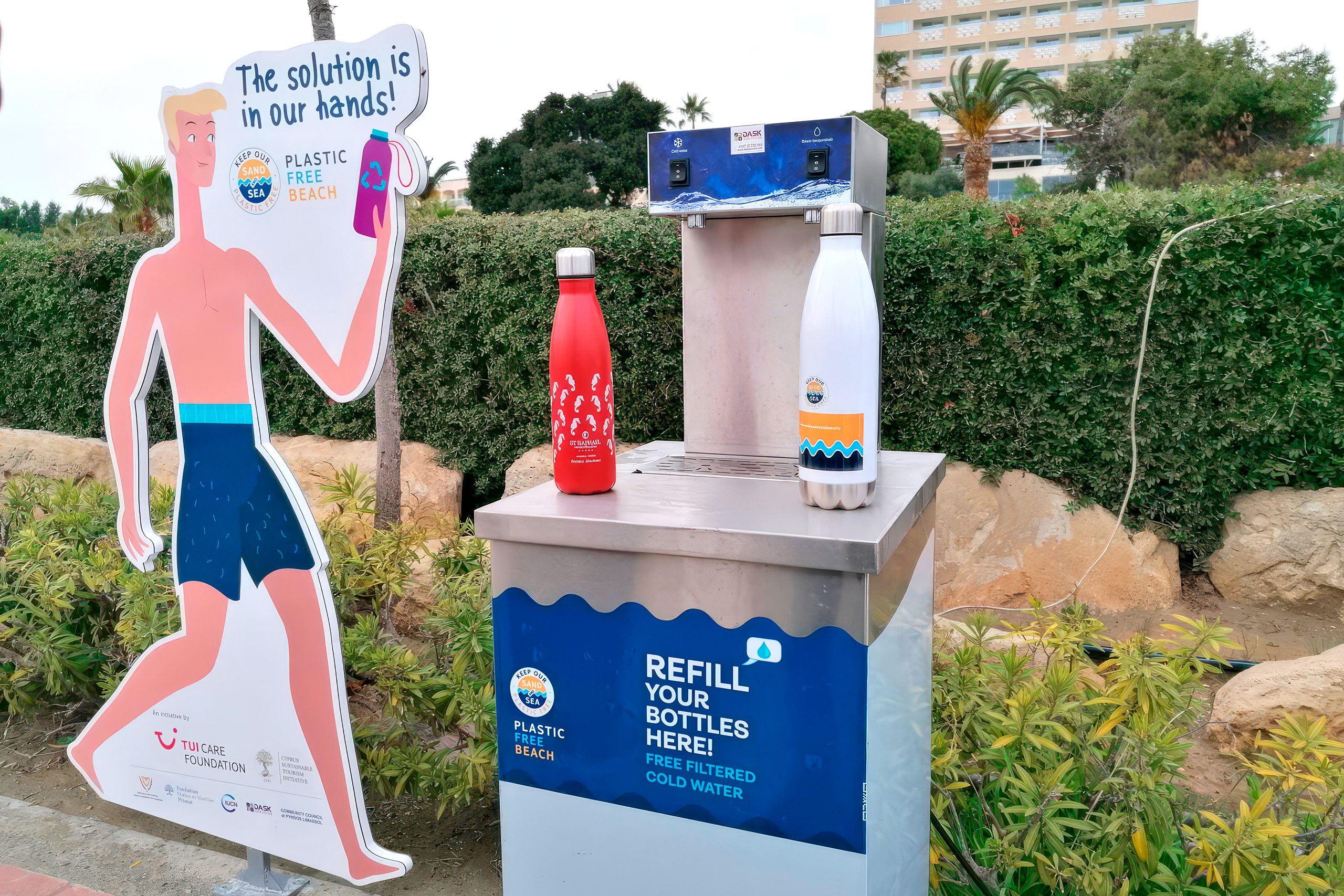
The collaboration includes support from the band Depeche Mode and Hublot through their Memento Mori world tour, bringing international attention to plastic pollution issues in Cyprus. The Empowering Plastic Free Beach concept encourages coastal communities, businesses, and visitors to adopt practices that eliminate single use plastics from beach environments. Educational campaigns target both residents and tourists to build awareness about marine pollution impacts.
Cyprus committed to the Global Tourism Plastics Initiative, pledging to encourage member hotels and tourism enterprises to join and build synergies with programs like Keep Our Sand and Sea Plastic Free, BeMed, and Plastic Waste Free Islands. The initiative shares information on workshops, seminars, and awareness campaigns while reporting annually on progress toward plastic reduction goals.
Climate Action Aligns with European Standards
Cyprus tourism professionals focus increasingly on sustainability to align with EU climate friendly directives and green transition initiatives. The European Union created the Fit for 55 package and Green Deal, setting ambitious targets for emissions reductions. Cyprus hospitality businesses must adapt operations to meet environmental, social, and corporate governance requirements that determine whether investments qualify as sustainable under EU regulations.
The Cyprus Sustainable Tourism Initiative serves as a supporting organization for the Glasgow Declaration on climate action in tourism. Through this role, CSTI assists member hotels, restaurants, municipalities, communities, academic institutions, and individuals to accelerate climate initiatives. The organization uses its network to lobby the Cyprus government and parliament to introduce new laws, regulations, and incentives that address the climate crisis in the tourism industry.
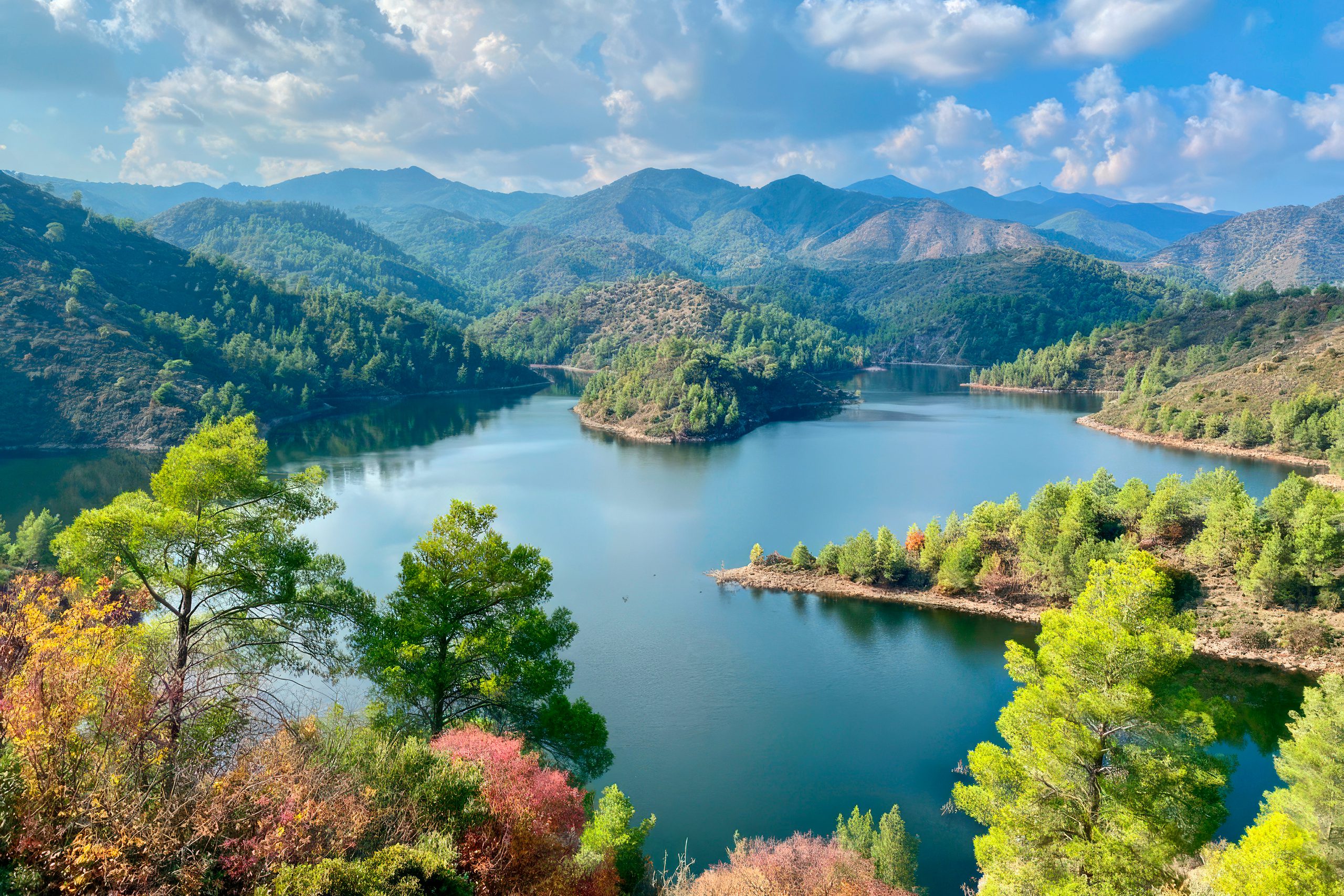
Cyprus aims to reduce carbon emissions across the tourism sector by 30 percent by 2025, targeting significant shifts toward renewable energy sources in hotels and transportation. Enhanced eco certification programs encourage local businesses to adopt practices that minimize waste and conserve water. These policies reflect recognition that successful tourism depends on preserving the natural assets that attract visitors in the first place.
Trail Networks Connect Conservation and Recreation
The forest department coordinates with the Cyprus Tourism Organization, local authorities, and district administrations to expand trail networks beyond national forests. This collaboration ensures that nature trails serve multiple purposes: environmental education, physical recreation, cultural heritage interpretation, and economic development for rural communities. Trails pass Byzantine churches designated as UNESCO World Heritage Sites, Venetian bridges, archaeological sites, and traditional villages.
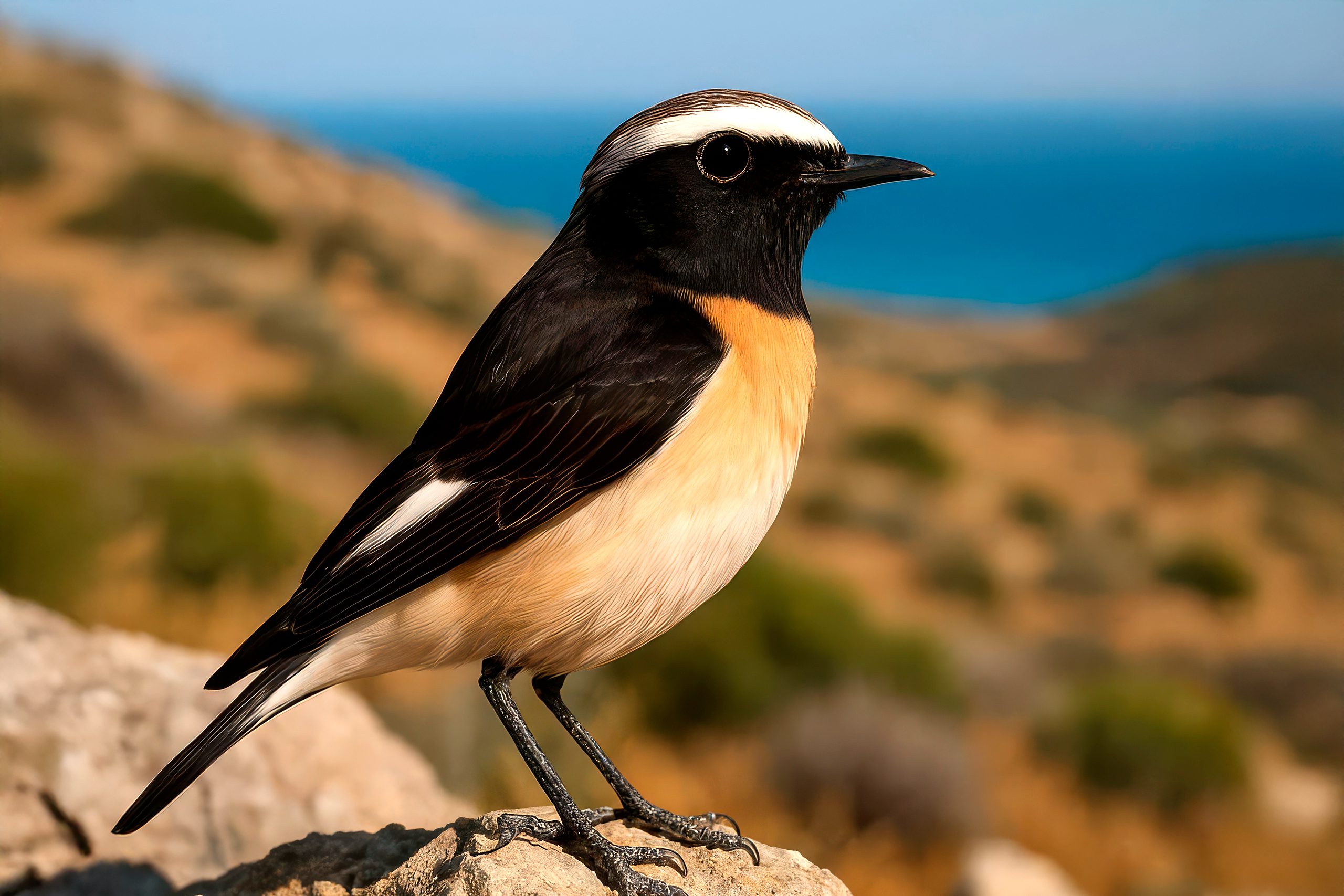
Cyprus’s geographical position along major bird migration corridors enhances the value of trail networks for wildlife observation. Approximately 370 bird species have been recorded on the island, including endemic species like the Cyprus warbler and Cyprus wheatear. The trails provide access to habitats where visitors can observe these species during spring and autumn migrations, when thousands of birds pass through on their journeys between Europe and Africa.
The island hosts 1,908 different plant species, subspecies, varieties, forms, and hybrids, including 142 endemic plants found exclusively in Cyprus. These endemics comprise the most important part of the island’s flora. Many occupy protected areas classified as National Forest Parks, covering more than 70 percent of the Natura 2000 network. Trail visitors encounter diverse vegetation zones, from coastal maquis shrubland to high elevation pine forests.
Year Round Climate Supports Outdoor Education
Cyprus benefits from a sunny climate with 75 percent sunshine during hours when the sun is above the horizon for most of the year. Summer brings an average 11.5 hours of sunshine per day, while even December and January maintain 5 hours daily. This favorable weather allows environmental education programs and trail activities to operate throughout all seasons, supporting the goal of extending tourism beyond traditional summer months.
Spring from March to May presents ideal conditions for nature trails, with moderate temperatures and blooming wildflowers. Trails may be muddy from winter rains, requiring appropriate footwear. Summer months from June to August can be extremely hot at low altitudes, making early morning hikes advisable. Autumn from September to November offers comfortable temperatures, while winter brings cooler weather and occasional rain, particularly in mountain regions.
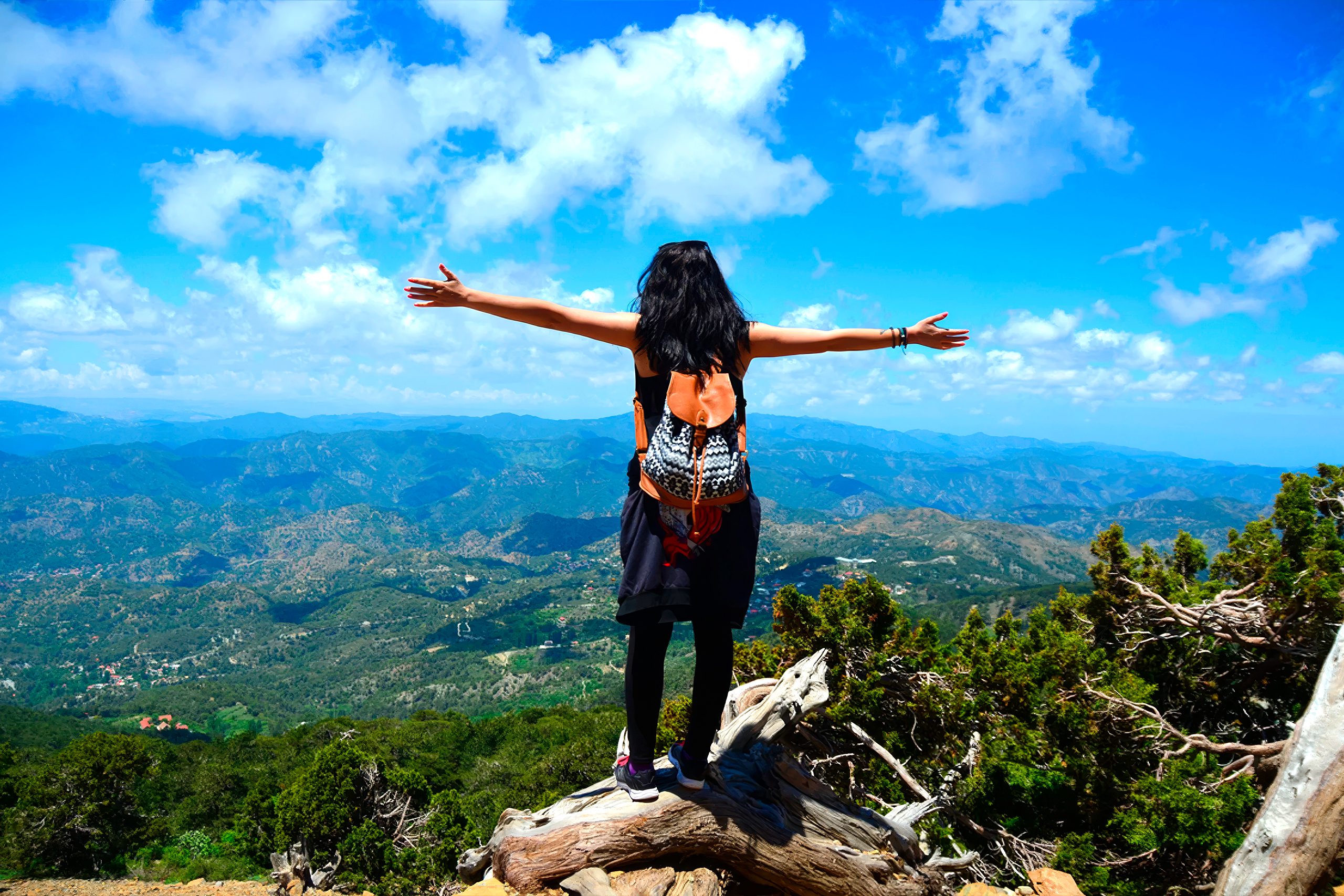
Educational programs adapt to seasonal conditions. Spring programs emphasize plant identification and pollinator observation. Summer activities focus on coastal and marine ecosystems where temperatures remain moderate. Autumn programs highlight bird migration and seasonal changes in vegetation. Winter sessions can explore geology, archaeology, and cultural heritage when outdoor conditions limit biological observations.
Community Engagement Strengthens Conservation Outcomes
Cyprus environmental initiatives emphasize community involvement in tourism planning and decision making. By fostering local ownership and responsibility, programs create authentic experiences that reflect the island’s rich cultural heritage while preserving natural resources. This approach recognizes that long term conservation success requires support from residents whose livelihoods connect to both natural and cultural assets.
The combination of environmental education centers, certified green tourism businesses, extensive trail networks, and plastic reduction initiatives demonstrates comprehensive commitment to sustainable development. These programs work together to build environmental awareness among both visitors and residents, creating lasting cultural changes in how people interact with natural systems.