Easter represents the most important religious celebration in Cyprus, surpassing Christmas in spiritual significance and cultural observance. Known as Pascha in Greek, the Orthodox Easter follows the Julian calendar, often falling weeks after Western Easter. The celebration spans Holy Week with solemn church services, candlelit processions through village streets, and the midnight Resurrection liturgy when bells ring and fireworks light the sky.
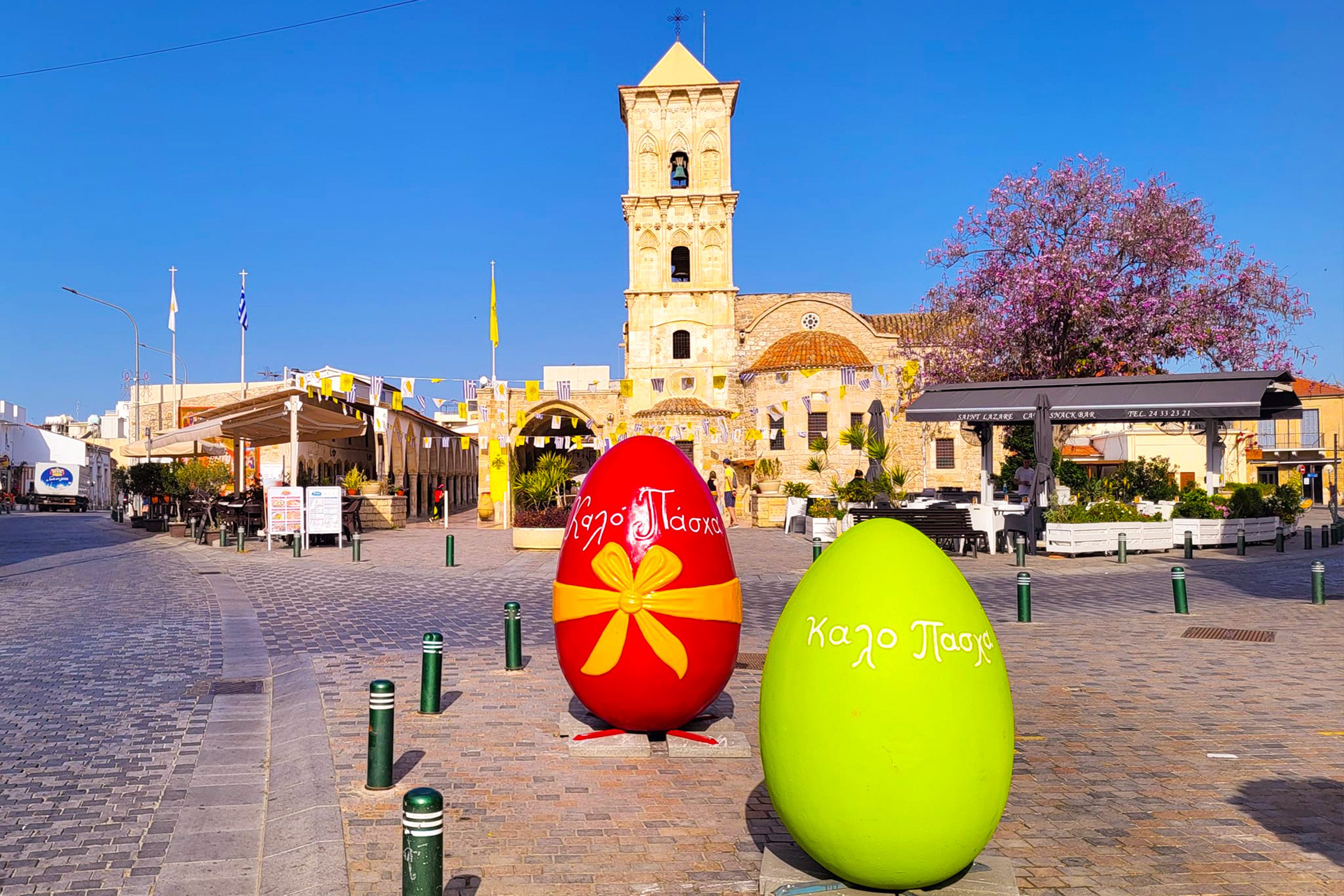
Families gather for elaborate feasts featuring roasted lamb, traditional flaounes cheese pastries, and red-dyed eggs. The festivities blend Byzantine religious ritual with distinctly Cypriot customs like bonfire lighting and the tsougrisma egg-cracking game. For both devout believers and secular Cypriots, Easter functions as the primary family reunion occasion and cultural identity marker, bringing together generations to maintain traditions passed down through centuries of Orthodox faith.
The 40 Days of Lenten Preparation
Orthodox Lent begins on Clean Monday, called Kathara Deftera, exactly 48 days before Easter Sunday. This day marks a dramatic shift from the excess of carnival to the austerity of fasting. Cypriots traditionally spend Clean Monday outdoors with countryside picnics, flying kites and consuming only fasting foods like tahini, olives, beans, flatbreads, and shellfish. The outdoor gathering symbolizes spiritual renewal and connection with nature before the solemn weeks ahead.
During the 40-day Lenten period, observant Orthodox Christians abstain from meat, dairy products, eggs, fish with backbones, wine, and olive oil on most days. The fast aims to discipline the body and focus the mind on spiritual matters. In practice, many modern Cypriots follow modified versions of traditional fasting, with stricter observance during Holy Week. The accumulation of cheese and eggs during Lent explains the abundance of these ingredients in Easter foods, as families needed to use preserved supplies once fasting ended.
Holy Week and Its Sacred Observances
Holy Week, called Megali Evdomada in Greek, begins with Palm Sunday when churches distribute palm and myrtle branches to commemorate Jesus’s entry into Jerusalem. Each day of Holy Week holds specific significance with prescribed church services. On Holy Monday, families traditionally clean their homes thoroughly in preparation for Easter celebrations. Holy Tuesday and Wednesday feature services recounting Jesus’s final teachings and the Last Supper preparations.
Holy Thursday opens with the Hierarchical Divine Liturgy of Saint Basil and concludes with an evening Eucharist service where believers receive Holy Communion in remembrance of the Last Supper. Some churches perform the Washing of the Feet ceremony, where priests wash the feet of twelve parishioners representing the apostles. This ritual demonstrates Christian humility and service. Holy Thursday is also the traditional day for preparing flaounes, the distinctive Cypriot Easter cheese pastries that require hours of family labor.
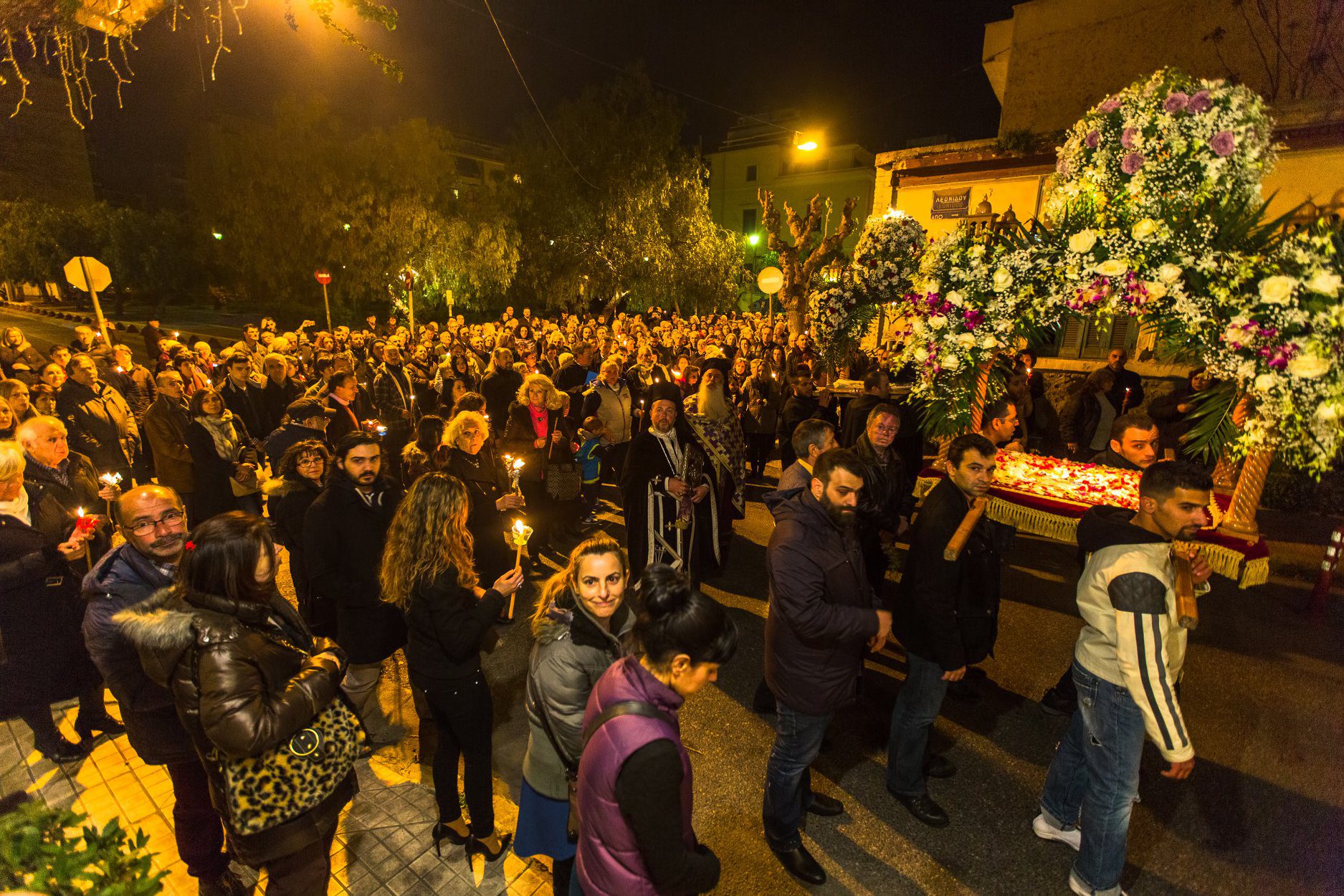
Good Friday stands as the most solemn day of the Christian calendar. Churches drape icons with black cloth symbolizing mourning, and services chant the four Passion Gospels recounting Jesus’s crucifixion. Many parishes distribute kolyva, a sweet wheat and honey dish, in memory of Christ’s suffering. The day’s centerpiece is the evening Epitaphios procession, where an ornate flower-covered bier representing Christ’s tomb is carried through streets accompanied by plaintive Byzantine lamentations and candlelight. In Limassol, the procession departs Saint Anthony’s Church at 18:15 and winds along the sea promenade, while mountain villages carry the bier along narrow footpaths under open sky.
The Midnight Resurrection Celebration
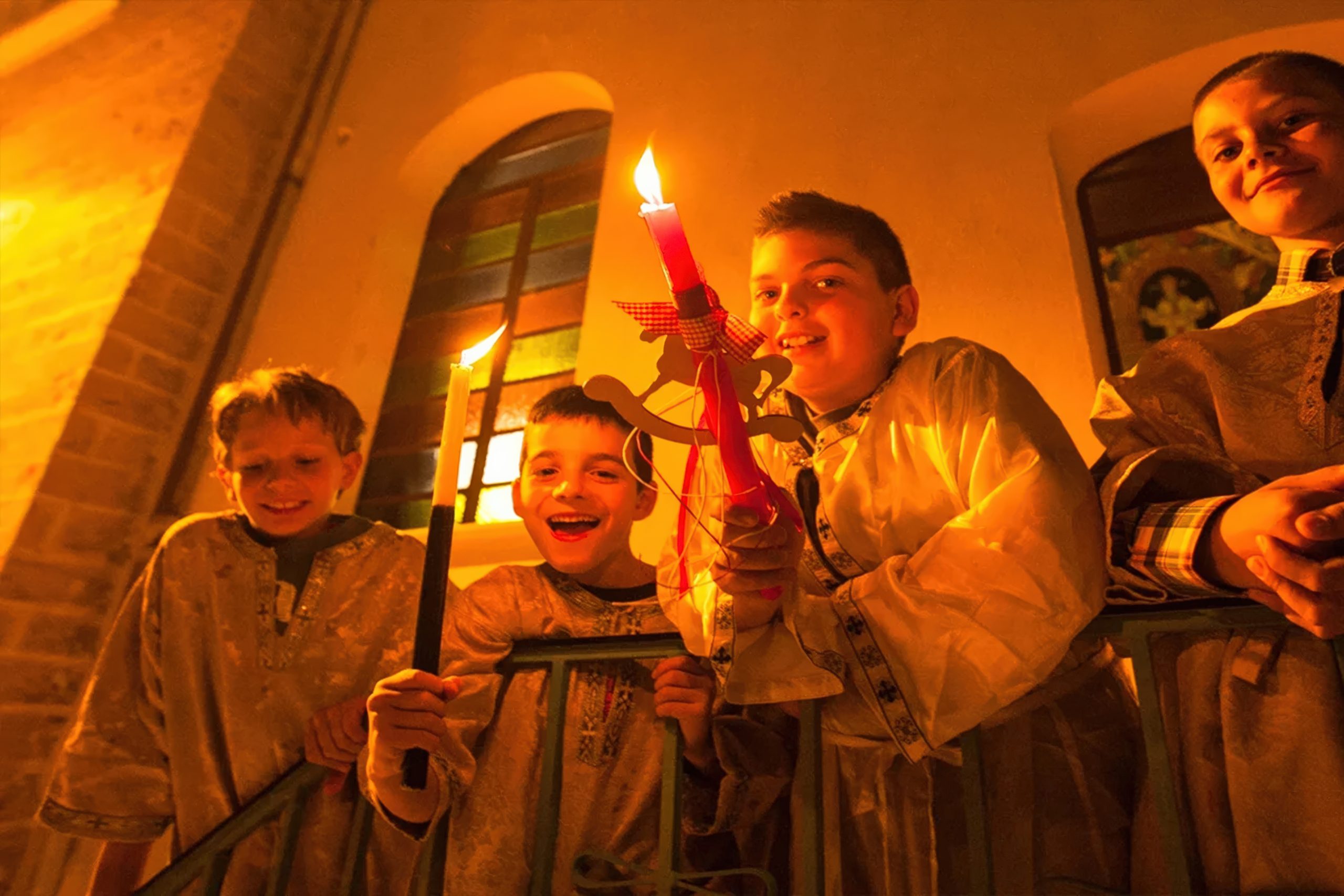
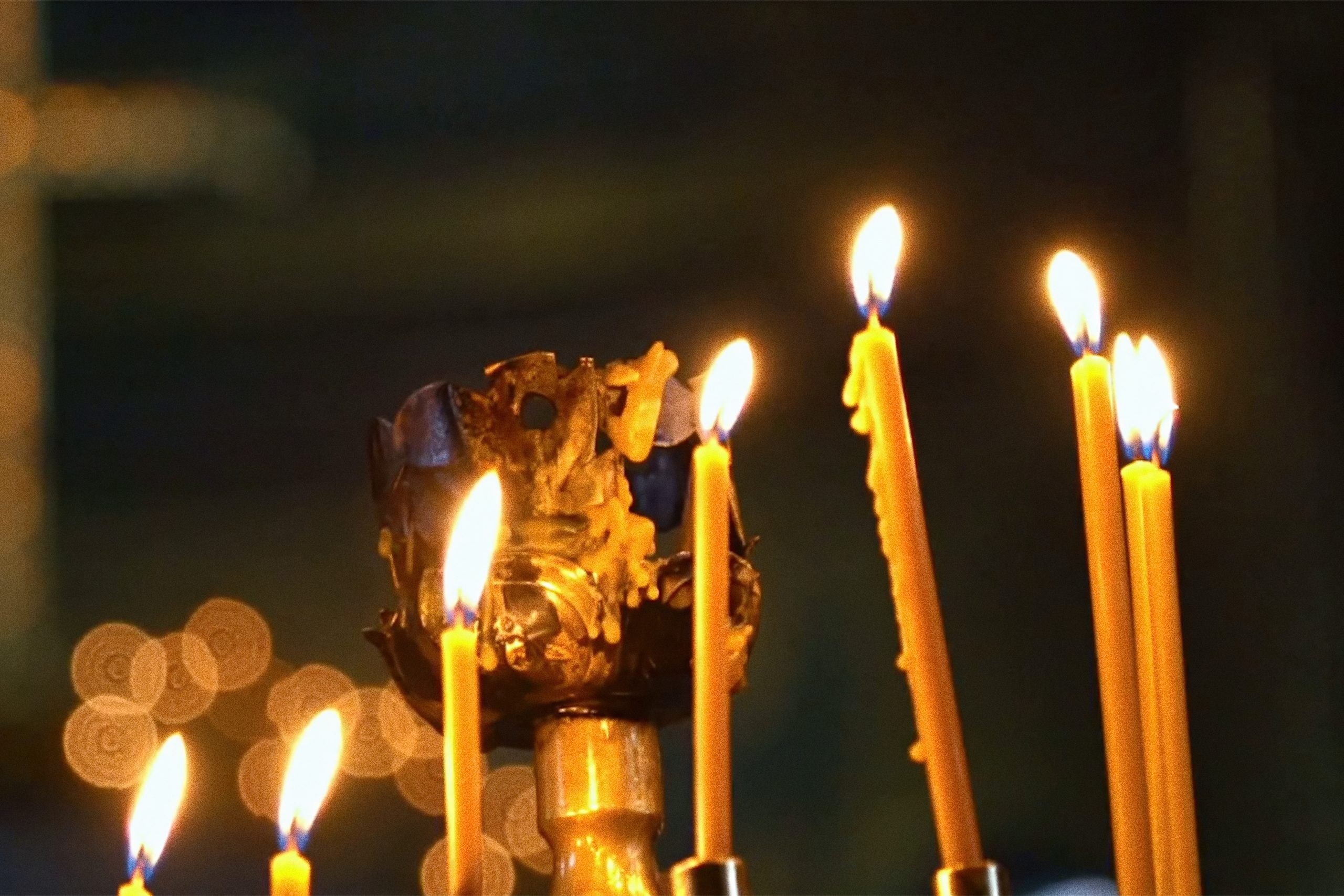
Holy Saturday builds anticipation throughout the day with church services and final feast preparations. Families roast lamb on spits, prepare side dishes, and dye additional eggs. As midnight approaches, people gather outside churches holding unlit candles. Just before midnight, church interiors go completely dark symbolizing Christ’s death and the world’s darkness without divine light.
At precisely midnight, the priest emerges from the altar holding a single lit candle and proclaims “Christos Anesti,” meaning Christ is Risen. The congregation responds “Alithos Anesti,” truly He is Risen. The priest lights candles of those nearest, who pass the flame to others until the church blazes with individual flames. Church bells ring loudly, fireworks explode across the sky, and the solemn mood transforms instantly to joy. The sustained cry of “Christos Anesti” resounds through packed churches as worshippers celebrate Christ’s triumph over death.
Families carefully carry the blessed flame home, using it to make a small cross of soot above the door frame for protection throughout the year. The Resurrection service typically lasts until 2:00 or 2:30 AM, with worshippers then heading home for a late-night meal breaking the Lenten fast. This midnight meal traditionally includes magiritsa, a soup made from lamb offal, rice, and lemon that symbolizes using every part of the sacrificial lamb.
Easter Sunday Feasts and Family Traditions
Easter Sunday emerges as a day of pure celebration and family gathering. The centerpiece of the feast is lamb roasted slowly on a spit over charcoal, a process that can take six to eight hours and requires constant attention to turn the meat evenly. In rural areas and agrotourism farms, lambs are marinated up to twelve hours beforehand in local wine, oregano, garlic, and honey. The aroma of roasting lamb fills neighborhoods as families gather in gardens and courtyards.
Accompanying dishes include makaronia tou fournou, similar to Greek pastitsio with layers of pasta and béchamel sauce, koubebia, stuffed vine leaves, and various salads featuring spring vegetables. Red wine flows freely, often local varieties or the famous Commandaria dessert wine. The abundance of food represents not only the end of fasting but also the joy of resurrection and renewal of life.
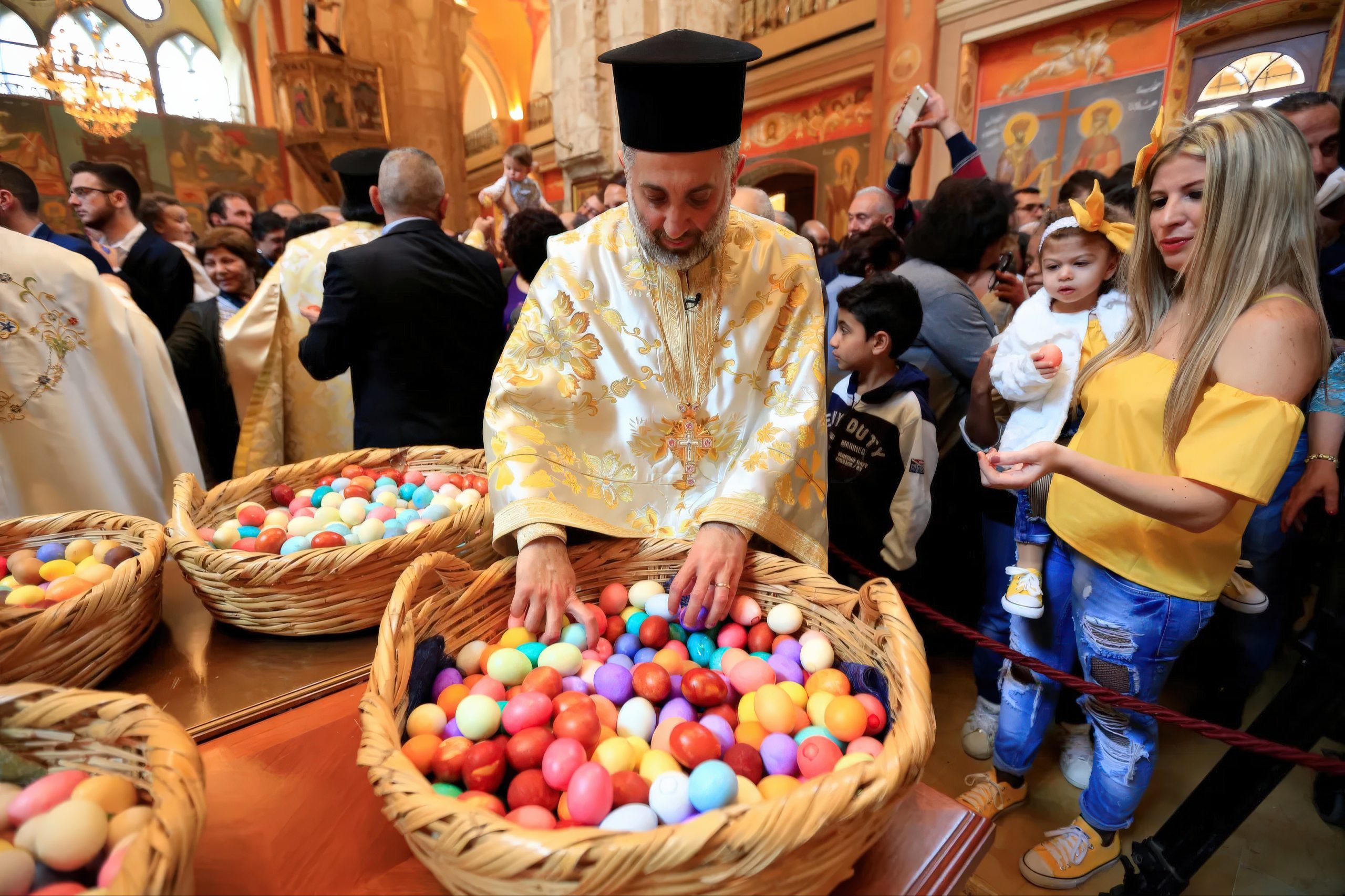
The tsougrisma tradition involves participants tapping their red-dyed eggs against opponents’ eggs to see whose shell cracks first. The winner supposedly enjoys good luck for the coming year. This simple game creates competition and laughter across the table, engaging children and adults alike. The red color of eggs symbolizes Christ’s blood shed on the cross and the renewal of life through resurrection.
Flaounes and Traditional Easter Foods
Flaounes represent Cyprus’s most distinctive Easter food, a cheese-filled pastry flavored with mastic, mahlab, and mint. The traditional filling uses tiri flaouna, a special sheep and goat cheese from Paphos, though modern versions incorporate halloumi, anari ricotta-like cheese, and various combinations. The aromatic spices mahlab, ground cherry kernels, and mastic, tree resin from Chios, give flaounes their unique flavor that immediately evokes Easter for Cypriots.
Preparation begins days in advance with cheese grating and drying to achieve proper texture. Families make dozens at a time, with the process often involving multiple generations working together in assembly-line fashion. The dough is rolled thin, pressed into sesame seeds, filled with cheese mixture, and folded into distinctive shapes, either square, triangular, or boat-like with filling visible at the center. After rising, flaounes are baked until golden brown and can be eaten hot or cold for weeks following Easter.
Bonfires and Village Celebrations
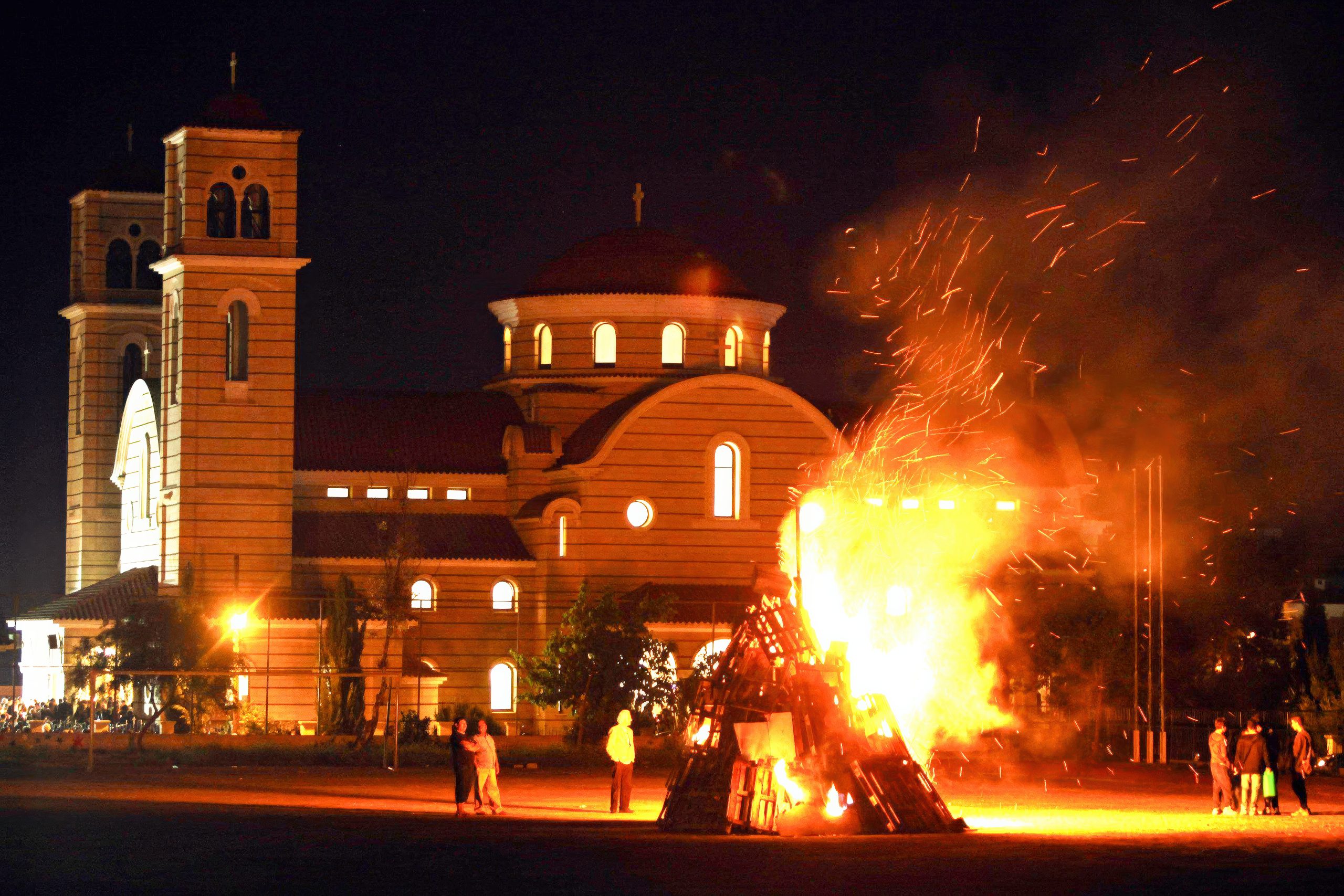
In Troodos mountain villages, youth gather at dusk on Holy Saturday to build towering bonfires called lambradjia, sometimes reaching four meters high. Around these fires they sing folk songs, dance traditional steps, and ceremonially burn a Judas effigy symbolizing the triumph of good over evil. The bonfire tradition may connect to pre-Christian spring festivals or represent the light of Christ’s resurrection dispelling darkness.
Coastal cities like Paphos organize bonfire celebrations as community events with materials collected and transported by locals throughout Holy Week. The lighting occurs after midnight services, creating spectacular visual displays that draw crowds of participants and spectators. The fires burn through the early morning hours as people celebrate the Resurrection.
Easter Monday extends the festivities with outdoor concerts, traditional music performances, and communal gatherings. Limassol’s seafront hosts free concerts blending Byzantine chants with modern beats, while vendors sell traditional sweets and Commandaria wine. Many families continue feasting with picnics in countryside areas or visits to relatives in other villages, maximizing time together during the holiday period.
Experiencing Easter as a Visitor
Visitors to Cyprus during Easter can participate in public celebrations and observe religious ceremonies while respecting their sacred character. Churches welcome respectful observers to services, though modest dress with covered shoulders and knees is expected. Arriving at churches well before midnight on Holy Saturday is essential to secure space inside, as overflow crowds often stand outside.
Easter Monday offers more accessible tourist experiences with public concerts, food festivals, and village celebrations designed to share Cypriot culture. Many tavernas and restaurants prepare special Easter menus featuring traditional dishes, allowing visitors to taste flaounes, lamb souvla, and other seasonal specialties. Agrotourism farms sometimes offer hands-on workshops in flaounes preparation and lamb roasting techniques.
The weather in late March or April brings pleasant spring temperatures around 21 to 22 degrees Celsius, ideal for outdoor activities. Wildflowers bloom across countryside areas, hiking trails showcase green landscapes before summer heat arrives, and beaches begin their tourist season. Combining Easter cultural experiences with exploration of archaeological sites, mountain villages, and coastal beauty creates comprehensive Cyprus experiences.
The Enduring Meaning of Pascha
Easter in Cyprus represents far more than a religious holiday. It embodies cultural identity, family cohesion, and connection to centuries of Orthodox Christian tradition that survived foreign occupations and political upheavals. The celebration demonstrates how religious ritual, folk custom, and communal feasting combine to create meaning that transcends individual belief.
For devout Orthodox Cypriots, Easter confirms their faith in resurrection and eternal life. For secular Cypriots, it provides annual renewal of family bonds and cultural belonging. The shared experience of Pascha, whether motivated by faith or tradition, continues to unite Cypriots across the island and diaspora in collective celebration of renewal and hope.