Cyprus Biodiversity Protection Global Organizations
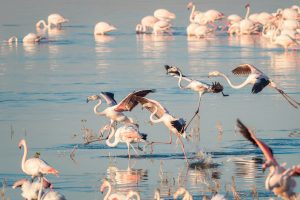
Cyprus holds exceptional biological diversity for an island of its size. The island hosts approximately 1,800 plant species, with 143 endemic taxa found only in Cyprus. Among animals, the island supports 385 bird species, 21 mammals, 24 reptiles, and 3 amphibians. Over 5,000 insect species have been documented. This diversity results from Cyprus's unique position at the crossroads of Europe, Asia, and Africa, combined with varied climate conditions and dramatic elevation changes from sea level to the 1,952-meter peak of Mount Olympus in the Troodos Mountains. land-cy The island's geological history as an uplifted oceanic plate rather than a continental fragment also contributed to the evolution of distinctive species. This combination of geographic isolation, habitat variety, and ancient history created conditions where unique life forms developed and thrived. Historical Background Cyprus's biodiversity reflects millions of years of natural evolution shaped by the island's complex geological formation. The Troodos Mountains rose from the ocean floor through tectonic forces, creating habitat diversity from coastal zones to alpine peaks. During the Late Pleistocene era, the island supported now-extinct megafauna including dwarf hippopotami and dwarf elephants, which died out after humans arrived around 10,000 BC. chooseyourcyprus-com Human activity has shaped the Cypriot landscape for millennia. Neolithic settlers brought domesticated animals and began agriculture around 8,200 BC. Over thousands of years, traditional farming practices created…
Read more