Cyprus has witnessed countless conflicts throughout its 10,000 years of human habitation. The island’s position at the crossroads of three continents made it a prize worth fighting for, and its people developed a long tradition of resistance against foreign rule.
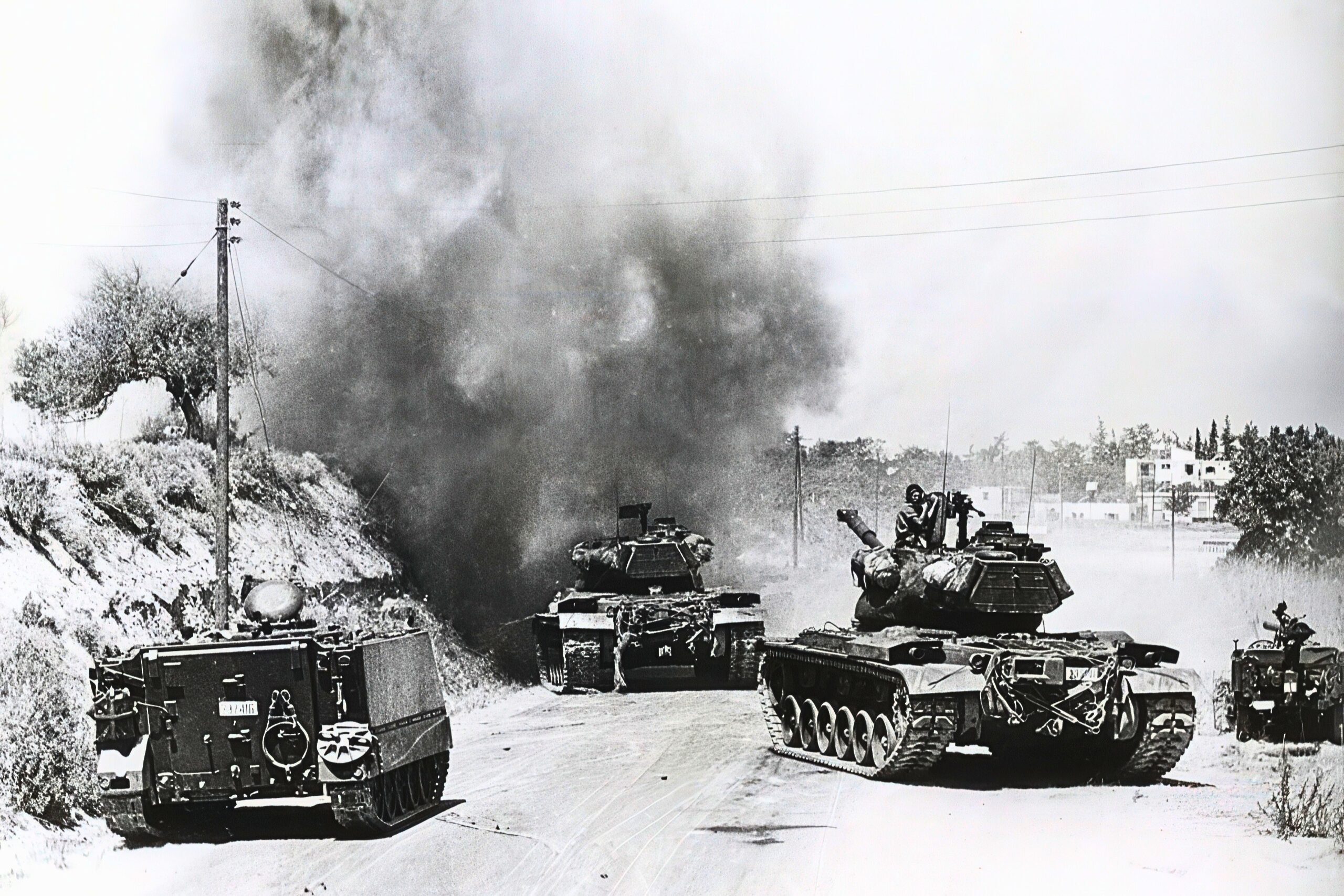
From ancient sieges to modern independence struggles, Cyprus has been repeatedly conquered, defended, and fought over by armies ranging from Persian emperors to British colonial forces. These conflicts left deep marks on the landscape and shaped the national character of both Greek and Turkish Cypriots who call the island home.
Historical Background
Cyprus experienced its first major conflicts during the ancient period when Persian forces conquered the island’s city kingdoms in the 6th century BC. The Greek population survived Persian rule and later came under Alexander the Great’s control, followed by Ptolemaic Egypt and then Rome. Each conquest brought armies, resistance, and sometimes devastation.
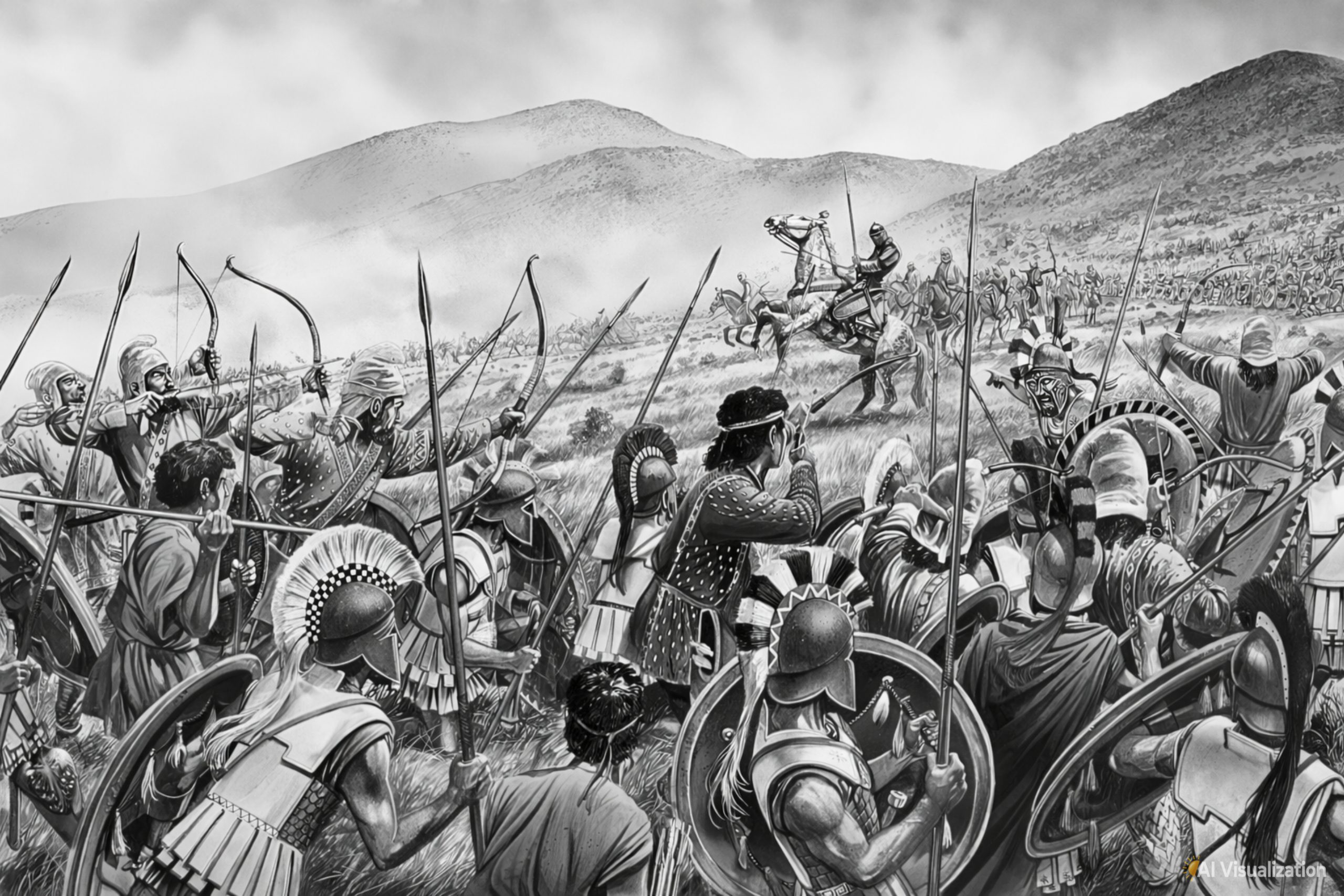
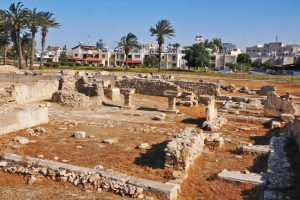
The Arab invasions beginning in 649 AD marked one of the most unusual periods in Cypriot history. Arab forces under Muawiyah I sailed from Alexandria with a large fleet and conquered the capital Salamis-Constantia after a brief siege. During this expedition, Umm-Haram, a relative of the Prophet Muhammad, fell from her mule near Larnaca’s Salt Lake and died. She was buried there, and the Hala Sultan Tekke shrine was built in her honor. Arab forces returned in 654 AD with 500 ships and left a garrison of 12,000 men on the island.
Rather than complete conquest by either power, Byzantine Emperor Justinian II and Caliph Abd al-Malik reached an unprecedented agreement in 688. For the next 300 years, Cyprus became a condominium, jointly administered by both the Byzantine Empire and the Arab Caliphate. This unique arrangement required Cyprus to pay tribute to both powers while maintaining internal autonomy under a Byzantine governor, even as the two empires fought constant wars on the mainland.
Byzantine control was fully restored in 965, beginning a period of prosperity and church construction. This era ended dramatically in 1191 when Richard the Lionheart conquered Cyprus during the Third Crusade, defeating the Byzantine usurper Isaac Komnenos. Richard later sold the island to Guy de Lusignan, establishing a Frankish kingdom that lasted until 1489.
The Siege of Famagusta and Ottoman Conquest
The Ottoman conquest of Cyprus in 1570-1571 produced one of the most legendary sieges in Mediterranean history. Sultan Selim II decided to seize Cyprus from Venetian control, partly to secure dominance in the Eastern Mediterranean and stop piracy based on the island. Some legends claim Selim coveted Cyprus for its wine, earning him the nickname “the Sot,” but political and strategic reasons drove the campaign.
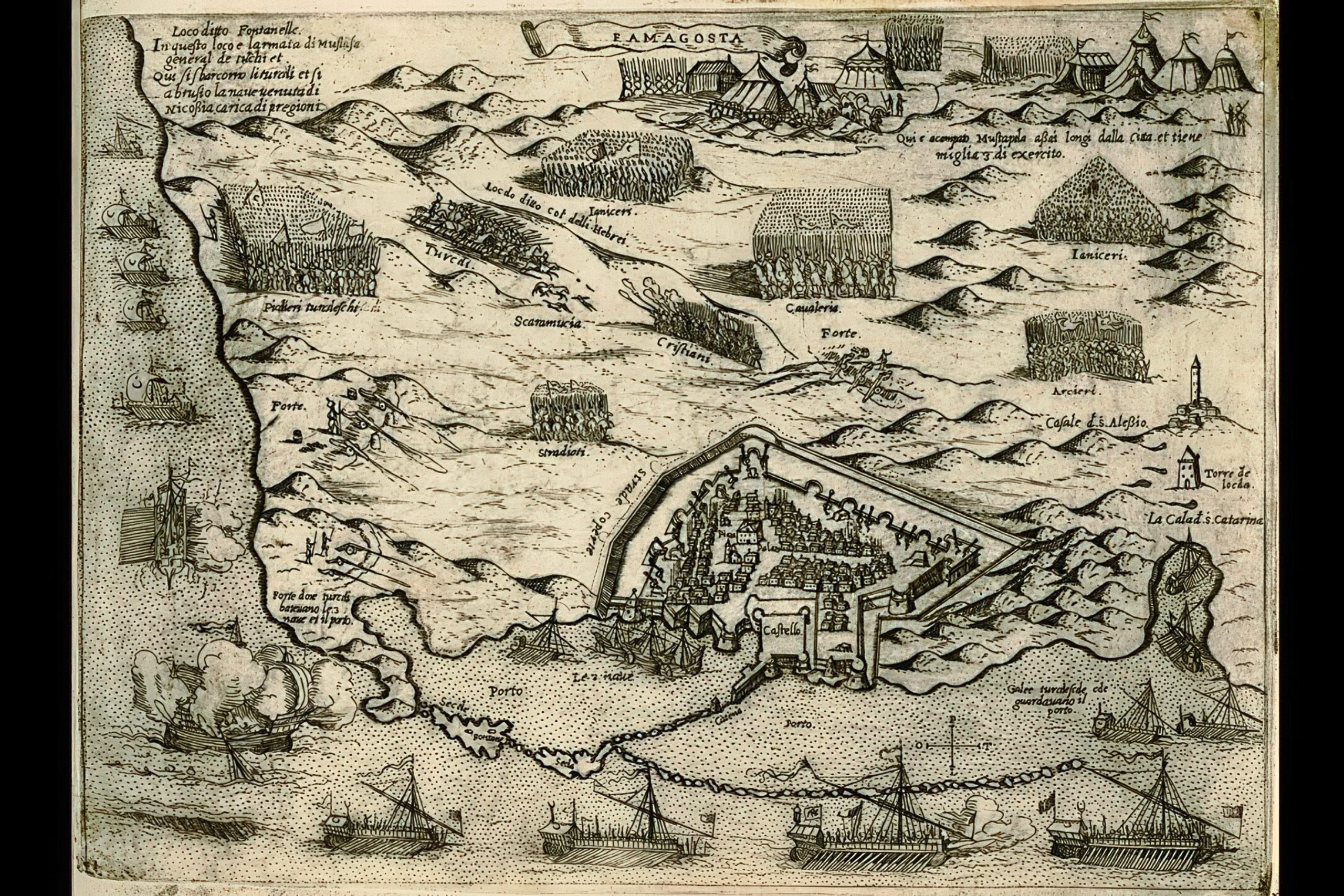
In July 1570, an Ottoman force of 350-400 ships carrying between 60,000 and 100,000 soldiers under Lala Mustafa Pasha and Admiral Piyale Pasha landed at Larnaca. The city of Nicosia fell after a seven-week siege in September 1570. The new trace italienne fortifications, made of packed earth, withstood Ottoman bombardment well, but the superior numbers eventually prevailed. The fall of Nicosia involved considerable bloodshed, with thousands killed in the conquest.
Famagusta, the last Venetian stronghold, endured an eleven-month siege that became legendary for the defenders’ courage and the commander’s tragic fate. Marcantonio Bragadin led the defense with exceptional skill. The fortress faced the sea on one side, making it harder to capture than Nicosia. Venetian ships managed to supply ammunition and soldiers during the winter months. When spring came, Turkish forces intensified their assault with artillery fire and tunnels dug beneath the walls to collapse them.
Despite heroic resistance, Famagusta could not hold indefinitely with supply lines cut. The city surrendered in August 1571. The Ottomans initially agreed to let the Christian residents and Venetian soldiers leave peacefully, but when Lala Mustafa Pasha learned that some Muslim prisoners had been killed during the siege, he had Bragadin horrifically tortured. The Venetian commander was mutilated and flayed alive while his companions were executed. Bragadin’s skin was paraded around the island before being sent to Constantinople. This atrocity shocked Christian Europe and contributed directly to the formation of the Holy League that defeated the Ottoman fleet at the Battle of Lepanto two months later. However, the victory came too late to save Cyprus, which remained under Ottoman rule for the next 307 years.
Notable Moments from the Ottoman Era
Cyprus experienced periodic internal conflicts during Ottoman rule. In 1764, a revolt erupted against the oppressive muhassıl (tax collector) Çil Osman Agha, who was killed amid the chaos his rule created. Turkish uprisings also occurred in 1833 as various factions struggled for control and better governance.
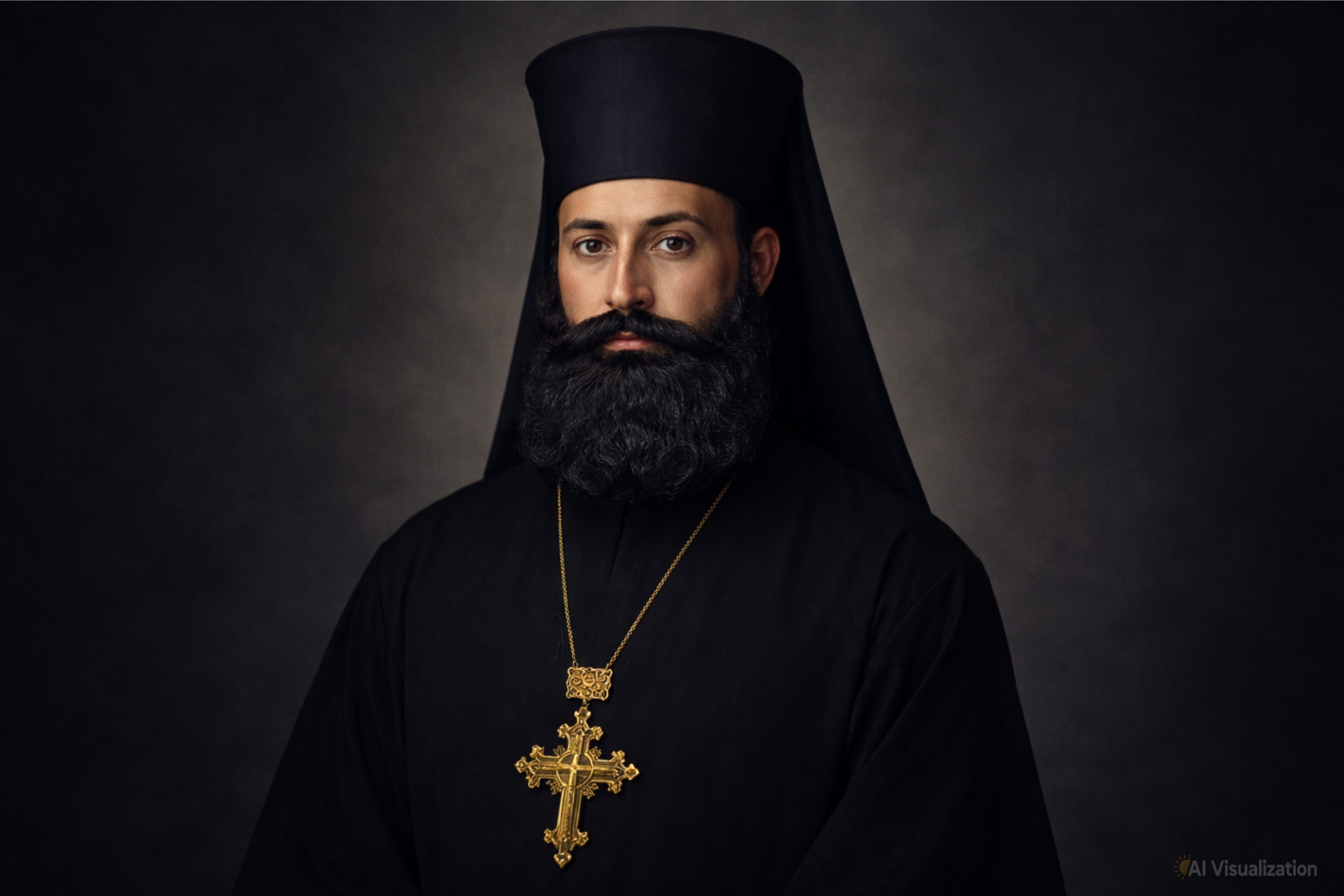
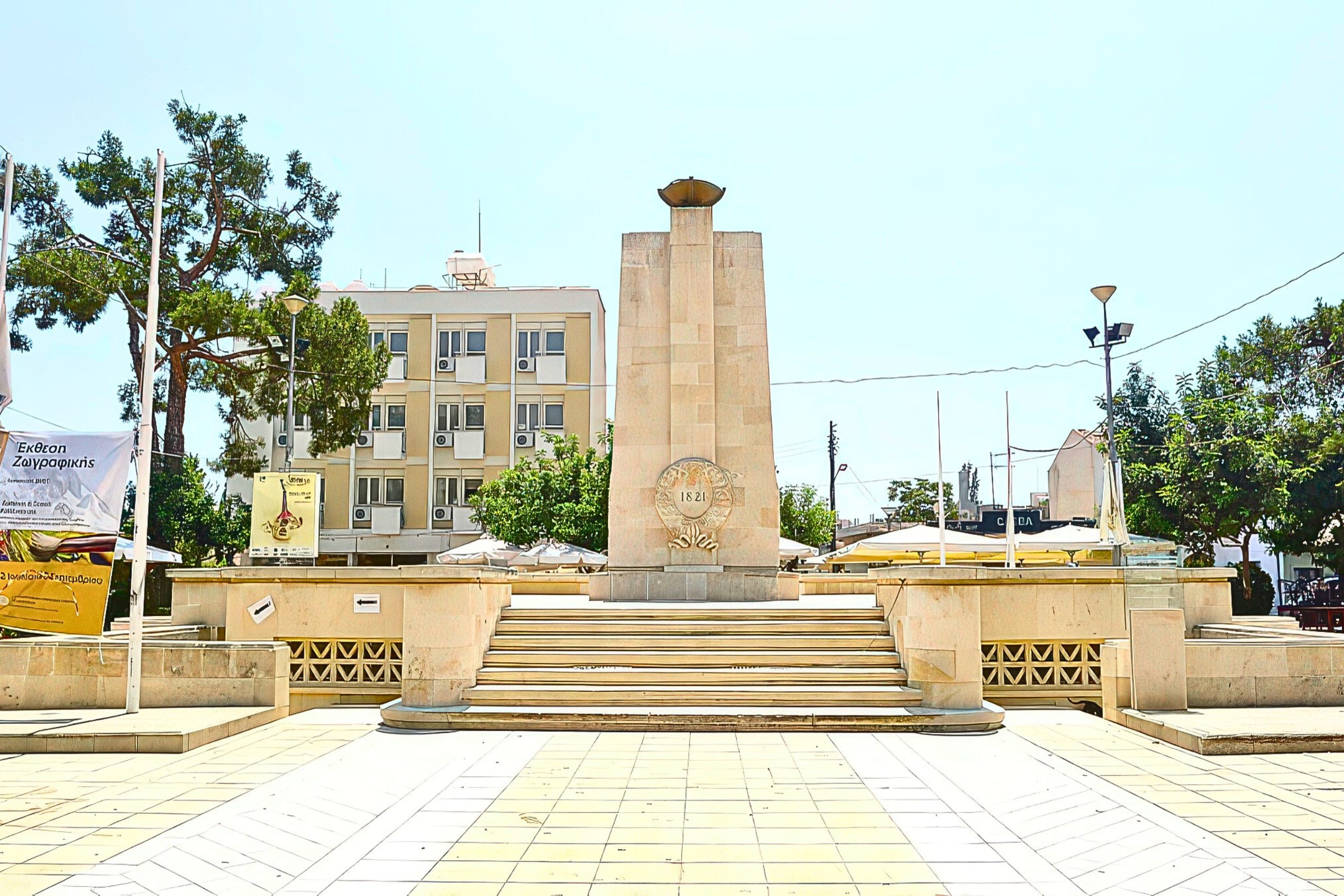
The Greek War of Independence beginning in 1821 brought tragedy to Cyprus despite the island not participating directly. Suspecting sympathy with mainland Greek rebels, Ottoman authorities hanged the Orthodox Archbishop of Cyprus, Kyprianos. This execution demonstrated the precarious position of the Greek Cypriot population under Ottoman rule and the harsh measures employed to prevent rebellion from spreading to the island.
The EOKA Struggle Against British Rule
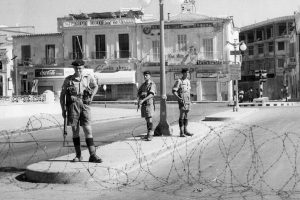
The most organized and sustained resistance movement in modern Cypriot history began on April 1, 1955. The National Organisation of Cypriot Fighters, known as EOKA from its Greek initials, launched an armed campaign to end British colonial rule and achieve Enosis, union with Greece. The movement was led by Colonel Georgios Grivas, a Greek Army officer who had fought in both World Wars and took the nom de guerre Digenis, referencing the legendary Byzantine hero Digenis Akritas.
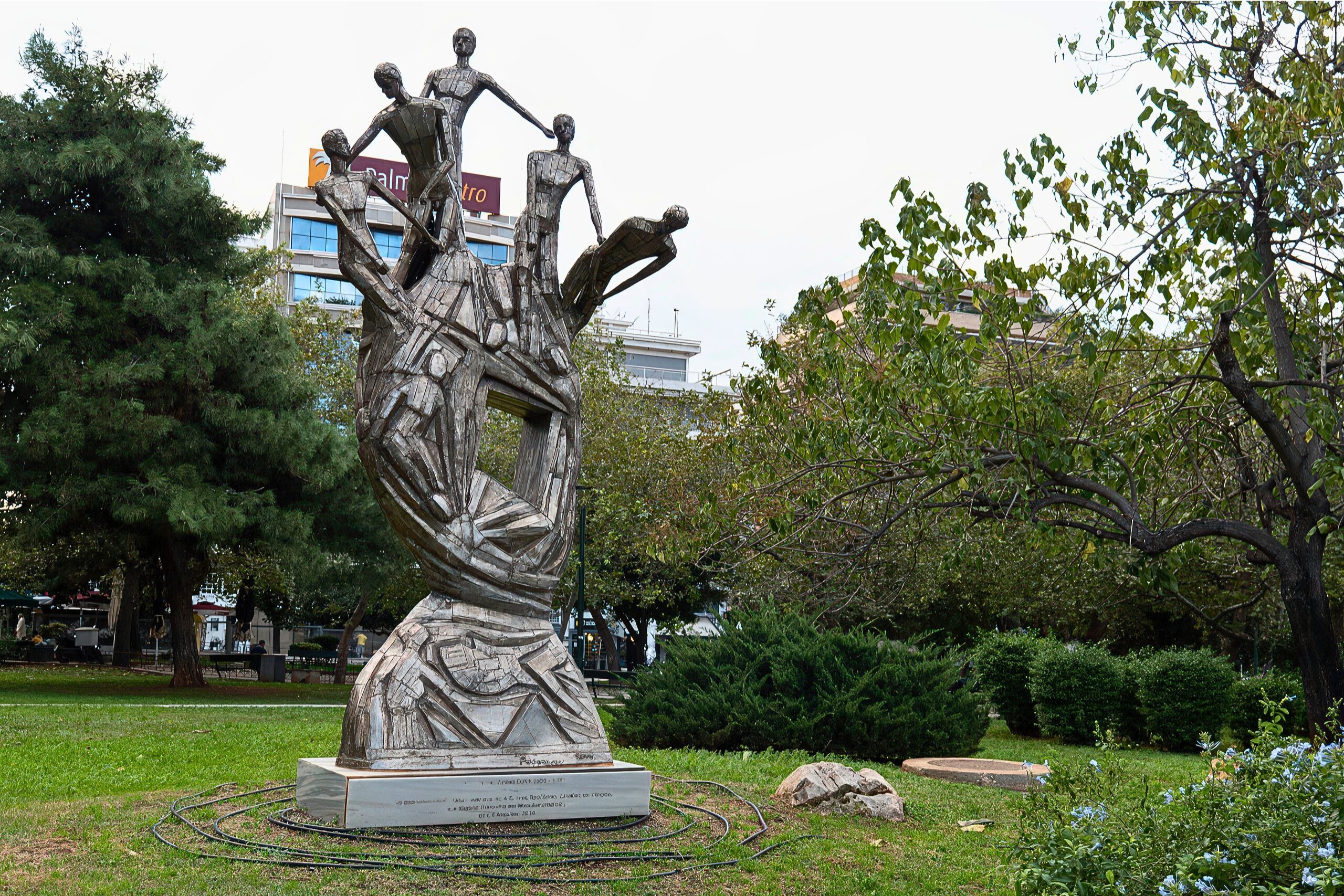
The armed struggle started with 18 bomb attacks across the island on the night of March 31-April 1, 1955. EOKA’s initial force consisted of only 250 to 300 fighters, but the organization enjoyed broad support from the Greek Cypriot population. Grivas recruited from the Cyprus Farmers’ Union in villages and from youth movements in towns. He intended to turn Cyprus’s youth into the foundation of EOKA. The organization had two wings: mountain groups that lived in hidden forest camps as conventional guerrillas, and town groups whose members often continued their civilian jobs or schooling while conducting operations.
Experiencing Cyprus’s Military Heritage
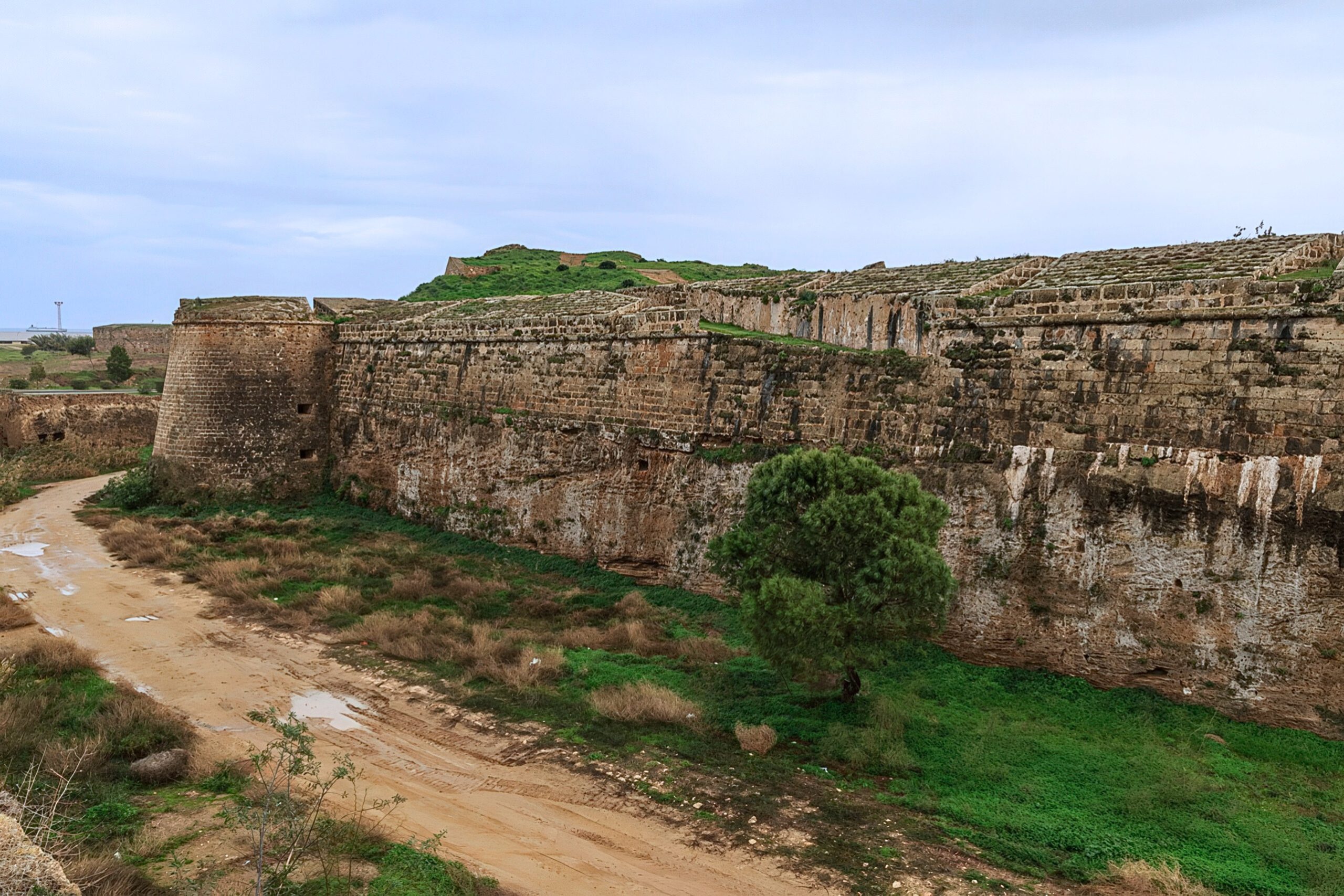
Visitors can explore numerous sites connected to Cyprus’s war history. The medieval walls of Famagusta still bear witness to the 1571 siege, with the fortifications remarkably preserved. British colonial buildings in Nicosia show where administration and resistance collided during the EOKA campaign. Mountain hideouts in the Troodos range mark where guerrilla fighters once operated.
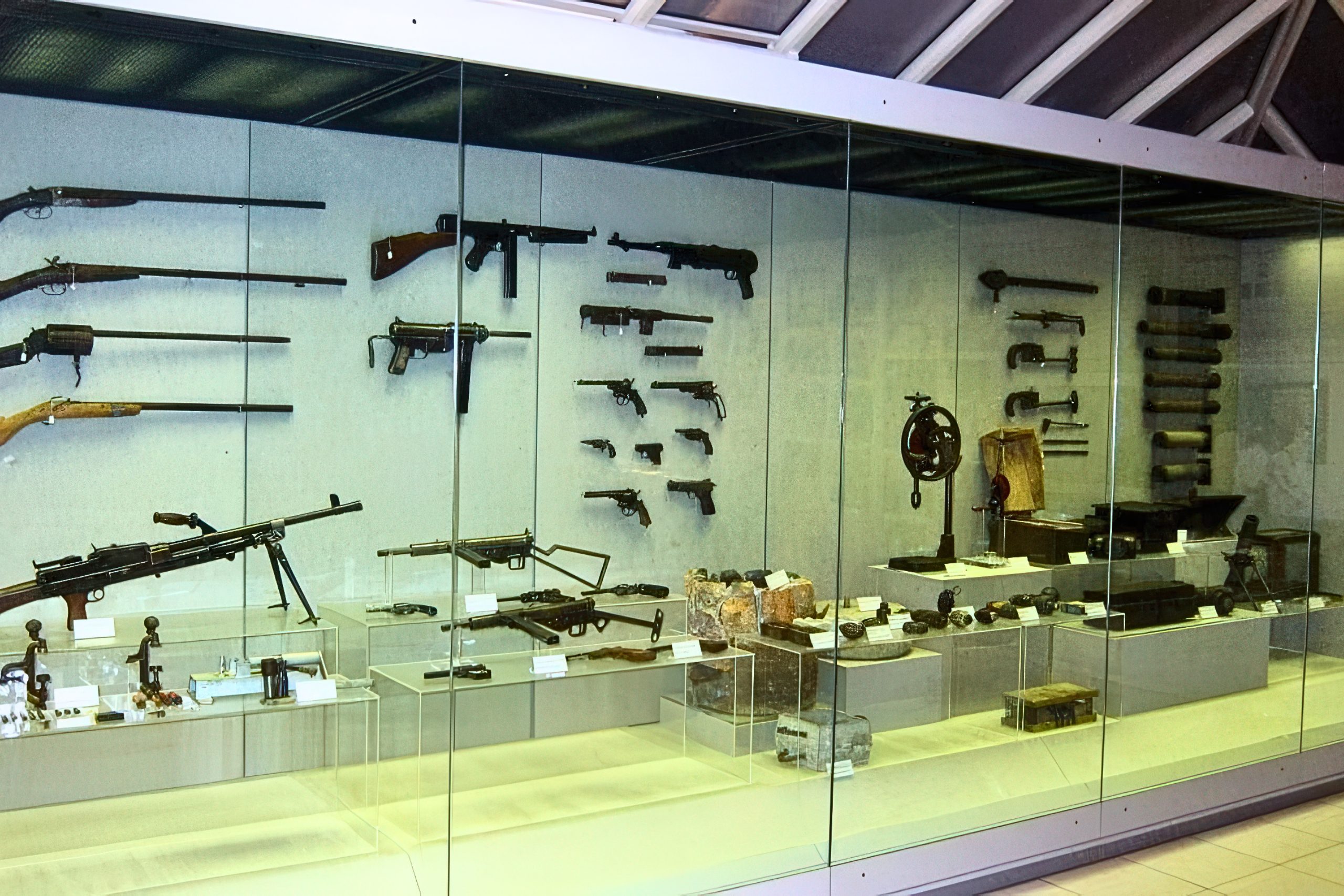
Museums dedicated to different periods of conflict operate across the island. The EOKA Struggle Museum in Nicosia displays weapons, documents, and personal items from the 1955-1959 campaign. The military museum near Kyrenia in the Turkish-occupied part of the island provides the Turkish perspective on 1974. These institutions offer insight into how different communities remember and interpret the same events.
The Weight of History on a Small Island
Cyprus’s war stories reveal how strategic geography can shape a nation’s destiny. The island’s position made it perpetually vulnerable to conquest while also giving its people reasons to resist occupation. Each wave of invaders brought destruction, but also cultural exchange and eventual integration into the island’s complex identity.
These conflicts demonstrate both the costs of war and the human capacity for endurance under pressure. From medieval defenders holding out for months in Famagusta to guerrilla fighters operating from mountain caves to civilians caught between opposing armies in 1974, Cypriots repeatedly faced circumstances that tested their resolve. The island’s history challenges simple narratives about heroes and villains, instead revealing how ordinary people navigate extraordinary circumstances during wartime.