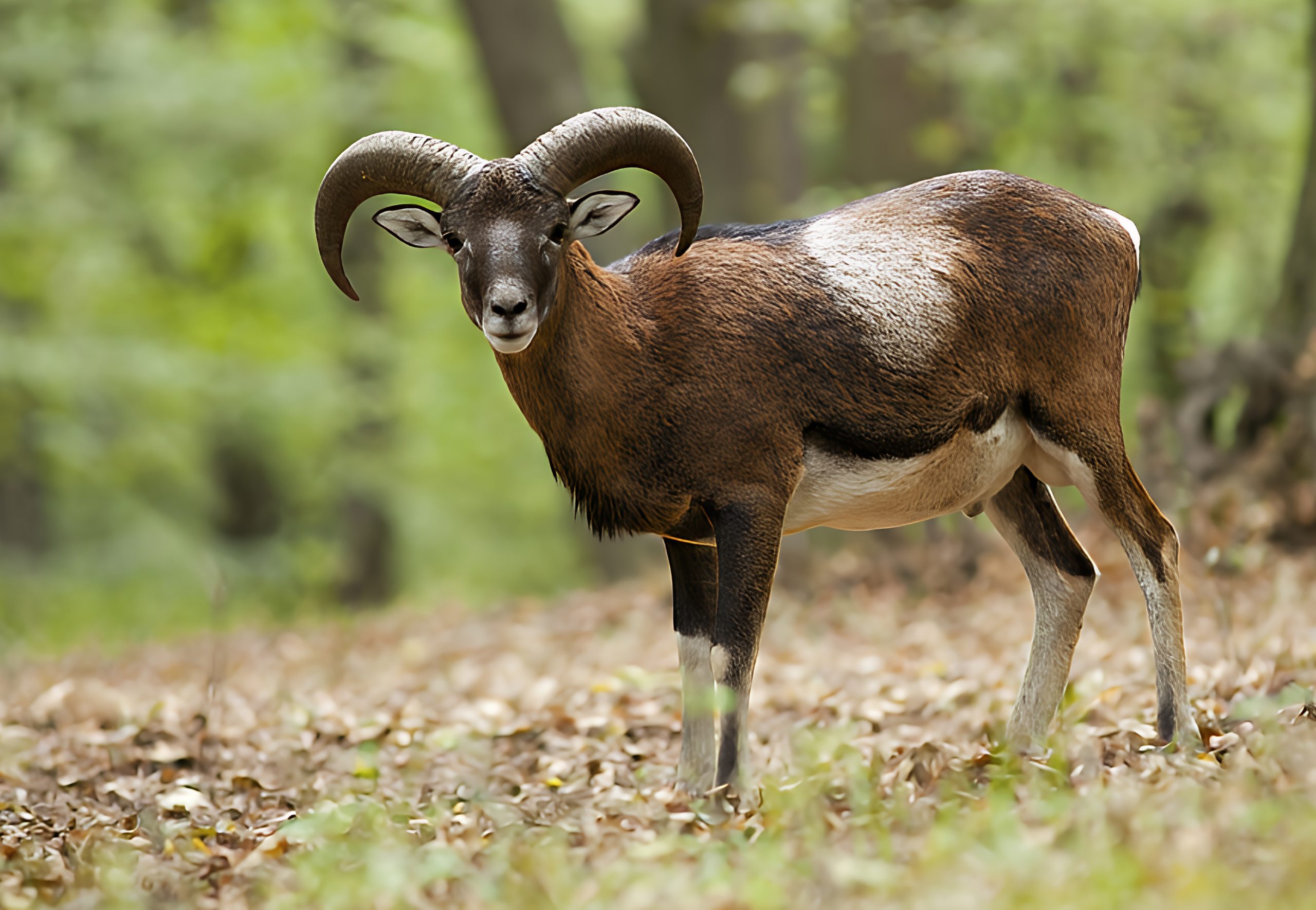
The Cyprus mouflon represents the only wild sheep endemic to Cyprus and the largest wild land mammal on the island. This subspecies stands about one meter tall at the shoulder and exhibits the classic features of mouflon: reddish to dark brown coats with distinctive black dorsal stripes and lighter saddle patches. The name “mouflon” comes from the Corsican words “mufro” for males and “mufra” for females. In Cyprus, locals call this animal “agrino,” derived from the Greek word “Αγρινό.”
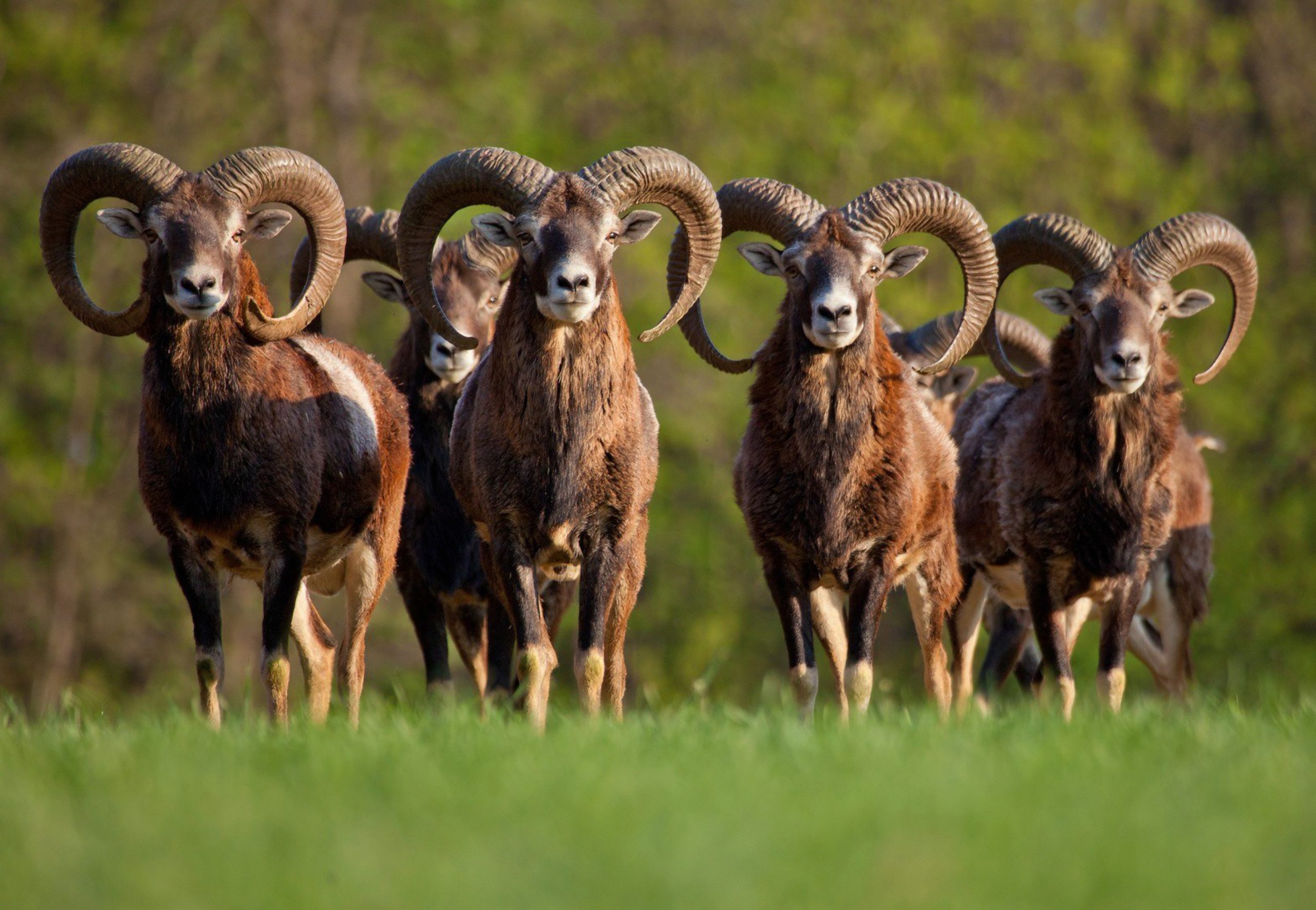
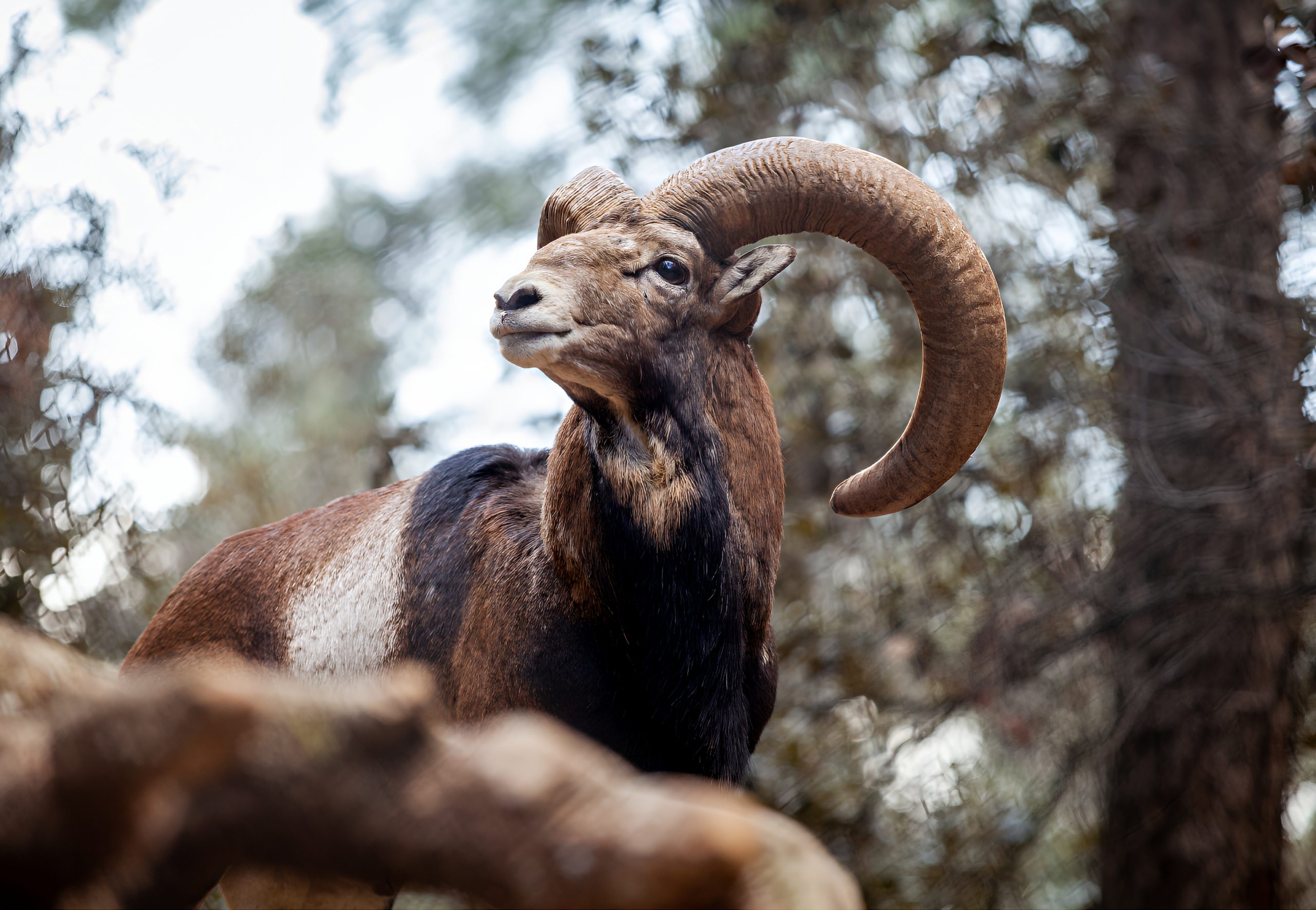
Adult males weigh up to 50 kilograms, while females typically reach around 35 kilograms. Males develop spectacular curved horns that grow in nearly complete circles, reaching lengths up to 85 centimeters. Most females do not develop horns, though some carry small versions. The Cyprus mouflon demonstrates island dwarfism, with shoulder heights averaging 15 centimeters less than their closest relatives, the Armenian mouflon.
Ancient Arrivals and Near Extinction
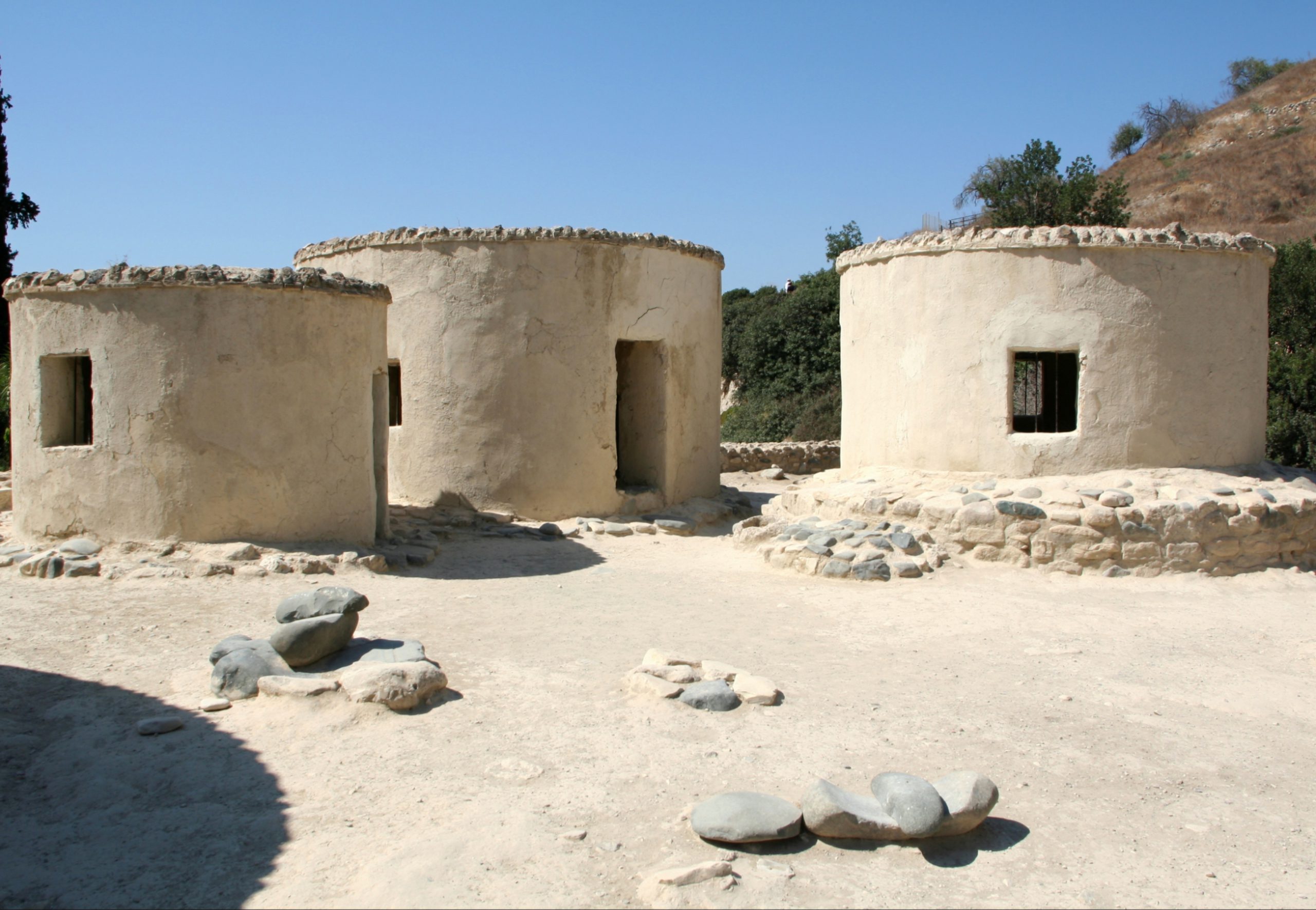
Archaeological evidence places sheep bones at the Neolithic village of Khirokitia, dating the mouflon’s presence on Cyprus to approximately 10,000 years ago. Scientists believe early settlers brought wild sheep from Anatolia or the Levant during the early stages of sheep domestication. These animals later became feral, adapting to the island’s mountain environments. Genetic studies show strong phylogenetic relationships between Cyprus and Anatolian mouflons, with origins likely traced to northwest Iran.
The mouflon thrived for millennia across Cyprus. Roman archaeological discoveries, including mosaics and frescoes, depict mouflons from that period. Historical references document abundant populations through the Greek-Roman era and the Middle Ages, when hunting mouflon became a popular activity among ruling classes.
Physical Features and Seasonal Changes
The mouflon’s coat changes with seasons. Winter brings thick, dense fur that helps the animals survive cold mountain conditions. Summer triggers a molt to lighter, thinner fur in paler colors that helps them cope with heat. This seasonal adaptation allows them to inhabit the same territory year-round without migrating to different elevations.
These animals are extremely cautious and shy. They possess exceptional agility on steep mountain slopes and can move rapidly across terrain that would challenge most other animals. Males tend toward solitary behavior except during the rutting season. Females live in small groups with their young.
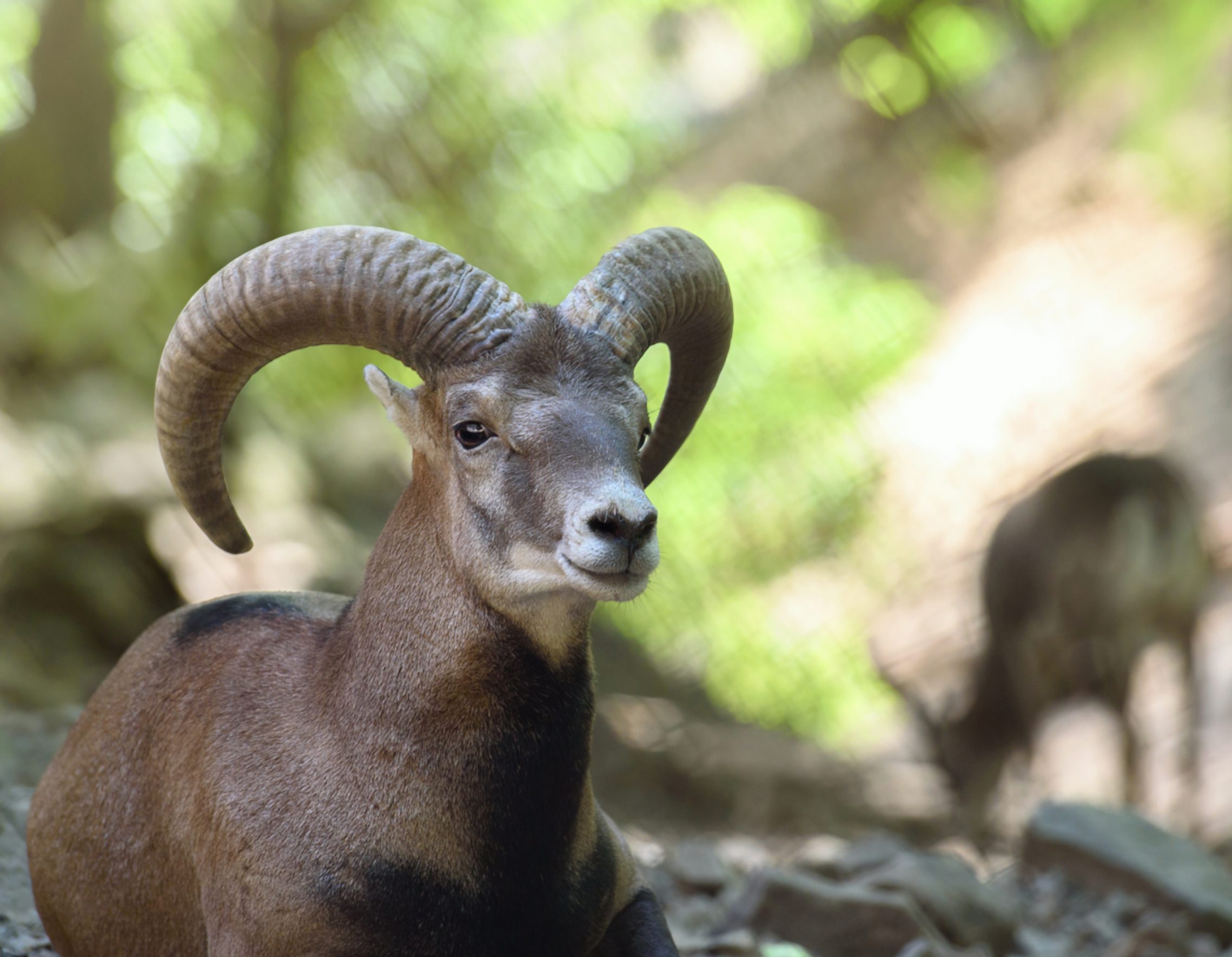
The mouflon’s habitat centers on mountain forests dominated by Cyprus pine, golden oak, Cyprus cedar, Greek strawberry tree, and oriental plane. They prefer areas where forested terrain meets open spaces, allowing them to graze while maintaining quick access to cover.
Remarkable Conservation Success
Post-independence Cyprus continued protection efforts through the Department of Forestry and the Game and Fauna Service. Dedicated monitoring and enforcement brought steady population increases. By 1997, surveys counted approximately 1,200 individuals. Current estimates place the population between 2,500 and 3,000 mouflons, primarily concentrated in Paphos State Forest and surrounding areas.
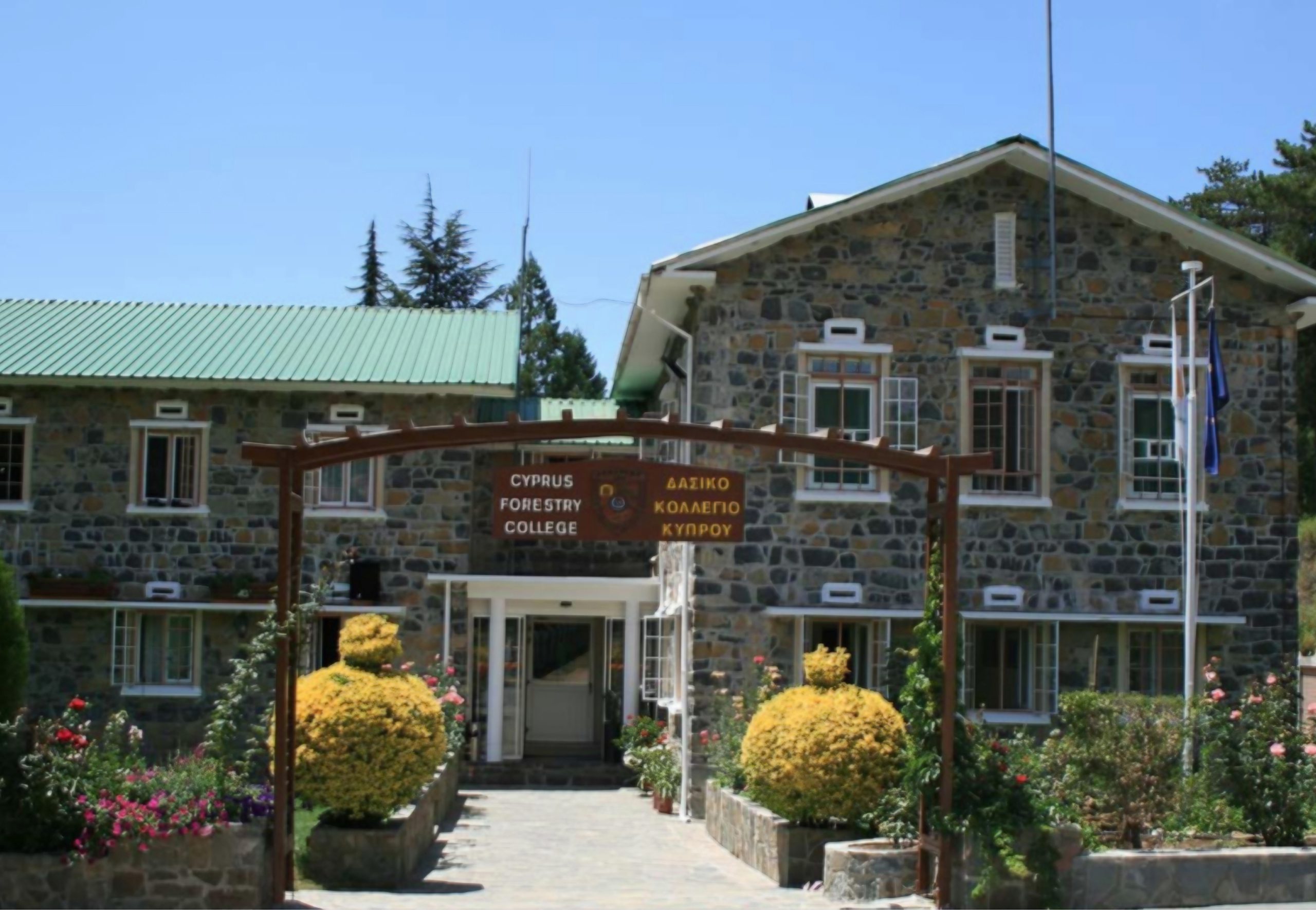
This recovery represents one of the most successful wildlife conservation achievements in the Mediterranean. From fewer than 15 animals in the 1930s to thousands today demonstrates what sustained protection can accomplish. The species received additional legal protection when Cyprus joined the European Union. The population gained strict protection status under the EU Habitats Directive, and in November 2019, CITES added Cyprus mouflon to Appendix I.
The Game and Fauna Service installed a network of artificial water troughs throughout Stavros tis Psokas (Paphos Forest Station) starting in 1997. Camera trap studies between 2017 and 2018 documented heavy mouflon use of these water sources. Animals visited troughs more frequently during warmer days, particularly during late morning and midday hours. Water provision helps mediate climate change impacts, as Cyprus has experienced increasingly warm and dry conditions over recent decades.
Interesting Biological Details
Cyprus mouflons reach sexual maturity between two and four years of age. However, young males must establish dominance before gaining mating opportunities, which typically requires another three years. Females give birth in April and May, usually producing one or two lambs per year.
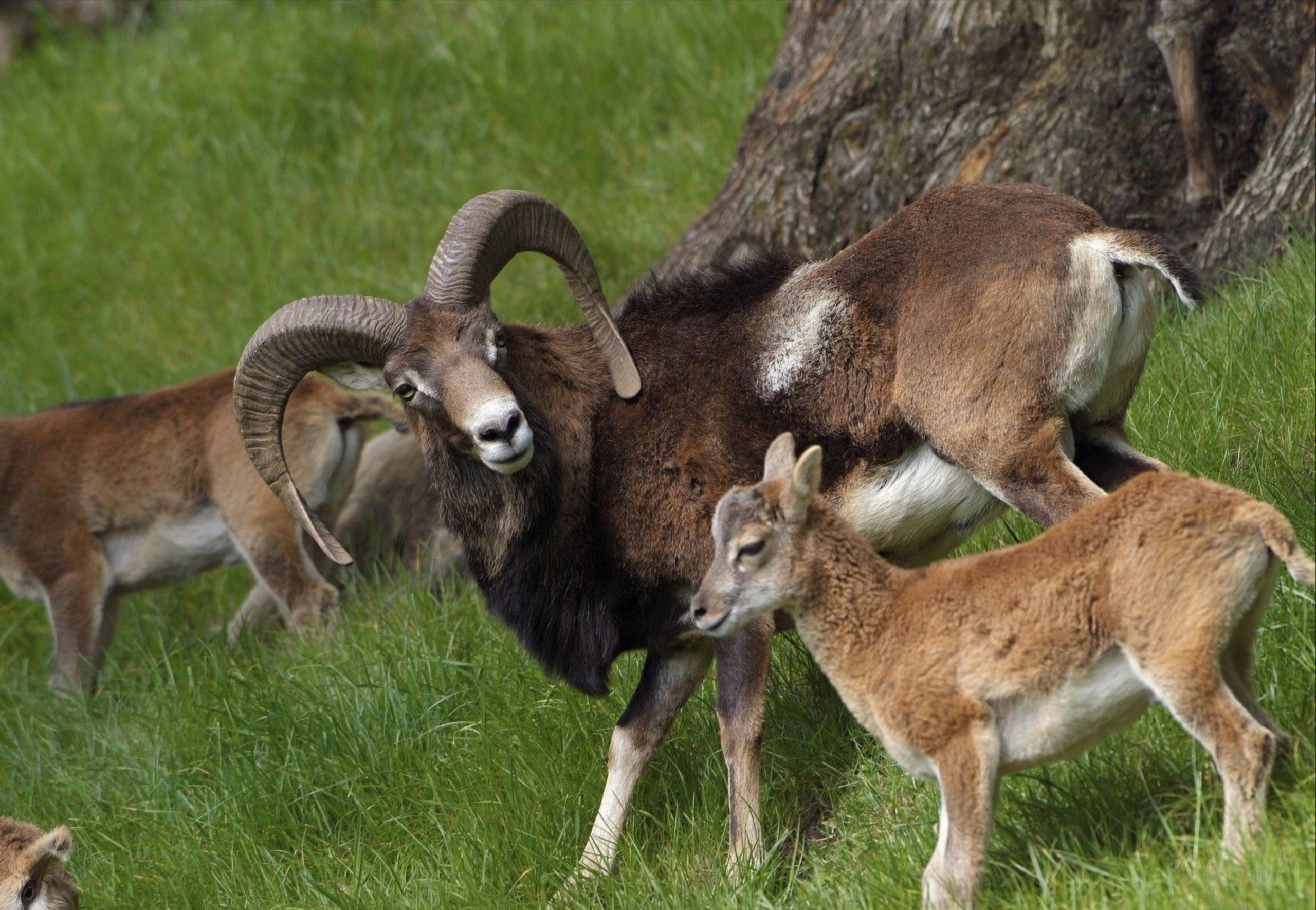
Rams establish strict dominance hierarchies before the rutting season in late autumn and early winter. Males fight one another to determine access to females for mating. These contests involve head-on collisions where the curved horns absorb tremendous impact.
Diet varies substantially by season. During spring when fresh vegetation appears, mouflons eat primarily grasses and newly sprouted tree leaves, especially in April. As summer progresses and forage quality declines, they supplement their diet with bulbous plants, leaves from bushes, and fruit. By late summer and early autumn, grass quality drops below maintenance requirements. Fresh grass may not appear until November or December rains arrive. During this critical period, many mouflons leave the forest to search for food in surrounding agricultural areas.
Studies of mouflon fecal samples revealed that 97 percent carry various parasites, including lungworms, gastrointestinal nematodes, and other endoparasites. While these parasites are present, they do not appear to cause significant population-level impacts under current conditions.
Current Status and Remaining Threats
Despite successful recovery, Cyprus mouflons face ongoing challenges. Habitat loss from development, road construction, and forest fires continues to reduce available territory. Plans for solar energy installations and quarries within mouflon range threaten significant portions of their habitat.
Livestock intrusion into mouflon range creates problems through competition for forage, displacement from preferred areas, and disease transmission. Contact with domestic sheep and goats, particularly in the Turkish-occupied part of Cyprus, risks spreading diseases like scrapie and pulmonary adenomatosis.
Predation by feral dogs and disturbance from hunting dogs during hunting season cause substantial mortality. Illegal hunting, though reduced from historical levels, remains a concern. The species’ low genetic variability, a consequence of the severe population bottleneck, creates vulnerability to disease outbreaks.
Climate change intensifies water scarcity. Springs that once provided natural water sources have been drained to irrigate orchards and supply drinking water to villages. The combination of reduced water availability and declining forage quality during extended dry periods drives mouflons outside protected forest areas.
Experiencing Mouflons in the Wild
Visitors can potentially observe Cyprus mouflons in Paphos Forest, though sightings require patience and luck due to the animals’ shy nature. The best chances occur during early morning or late afternoon when mouflons come to water sources or feeding areas. Observation requires quiet movement and appropriate distance to avoid disturbing the animals.
The main access routes to Paphos Forest include roads from Paphos and Polis. Several viewpoints and hiking trails traverse mouflon habitat. Spring months offer the best combination of pleasant weather and animal activity. Summer heat reduces mouflon movement during midday hours.
Visitors should never approach mouflons closely or attempt to feed them. Maintaining distance protects both the animals and observers. Photography requires telephoto lenses to capture quality images without disturbance.
An Emblem of Conservation Achievement
The Cyprus mouflon’s journey from fewer than 15 individuals to thousands today stands as testament to effective wildlife conservation. This success required sustained commitment across generations, legal protection, habitat management, and public support. The species connects modern Cyprus to ancient natural heritage stretching back 10,000 years. As the national animal and largest wild land mammal, the mouflon embodies Cyprus’s natural identity. Continued protection ensures this living symbol of the island’s mountains will persist for future generations to appreciate and study.