Cyprus local markets, known as laiki agora or people’s markets, represent living institutions where agricultural producers sell directly to consumers while maintaining social networks that define community identity. These weekly open-air markets operate across cities, towns, and villages, with vendors displaying fresh produce, dairy products, preserved foods, and household goods on temporary stalls that appear each market day then disappear until the following week.
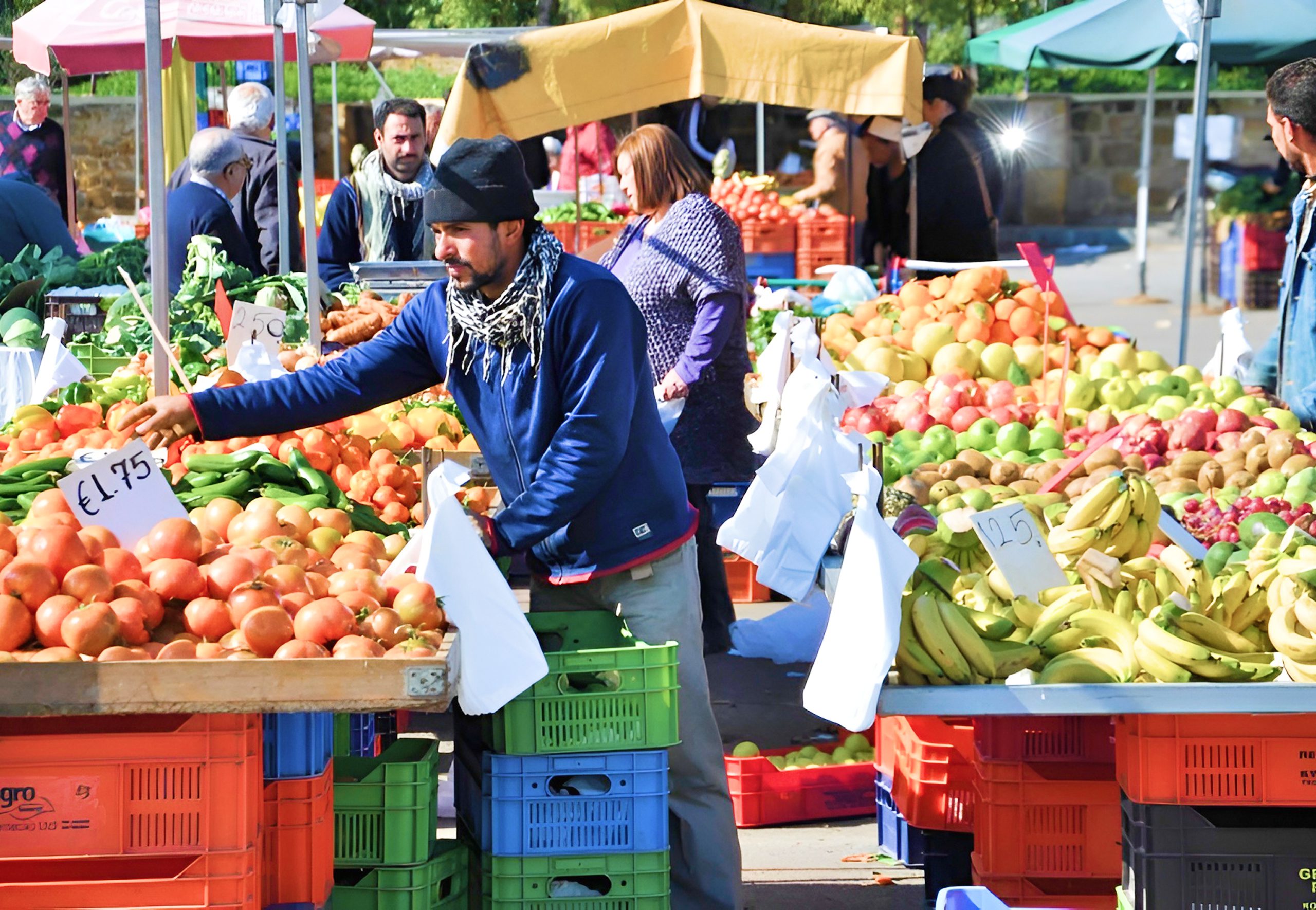
The markets trace their origins to ancient agora traditions where commerce, politics, and social interaction converged in designated public spaces. For centuries, these gatherings functioned as primary venues for villagers to exchange surplus crops, acquire goods unavailable locally, and share information before modern retail and communication technologies transformed commerce.
Despite supermarkets and online shopping, traditional markets persist because they offer direct farmer-to-consumer transactions, sensory shopping experiences, and trust-based relationships between regular customers and familiar vendors who guarantee product quality through personal reputation.
The Weekly Rhythm of Market Days
Each Cyprus community designates specific weekdays for its laiki agora, creating predictable schedules that structure household routines. Nicosia hosts multiple neighborhood markets on different days throughout the week, while smaller towns and villages typically organize single weekly markets. In the Turkish-occupied part of Cyprus, markets called pazarlar occur at least once weekly in nearly every town and village, with Kyrenia holding larger markets on Wednesdays and Saturdays.
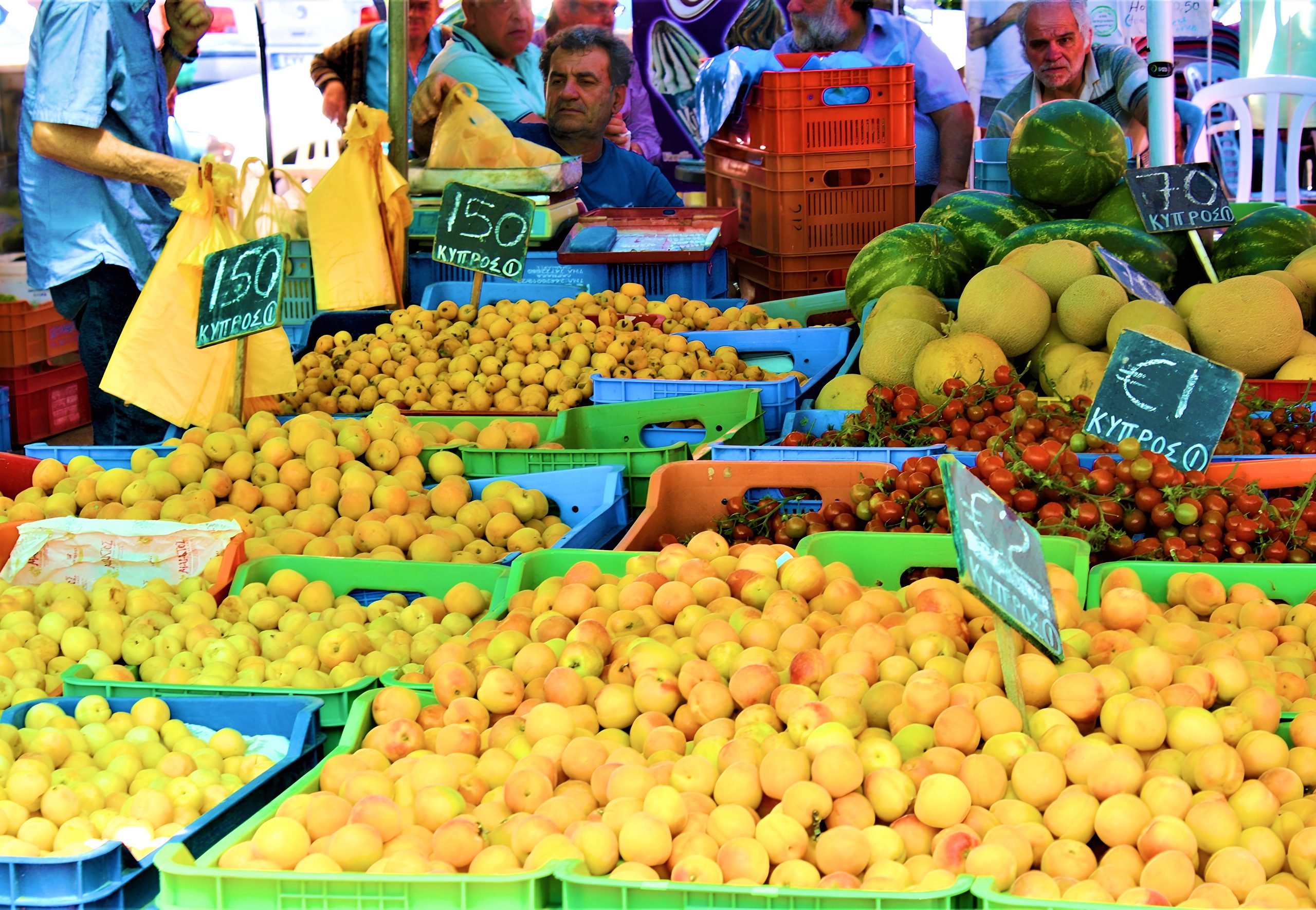
Market operations begin at dawn, typically around 6:00 or 7:00 AM, when vendors arrive to claim designated spots and arrange produce displays. The early hours attract professional chefs and housewives seeking first pick of the freshest items before crowds arrive. Peak activity occurs between 8:00 AM and noon when most shoppers circulate through stalls, examining produce quality, comparing prices, and conversing with vendors. Markets wind down by early afternoon, with most vendors departing by 1:00 or 2:00 PM. This schedule accommodates Cyprus’s hot climate by concentrating activity during cooler morning hours.
Producer Vendors and Professional Sellers
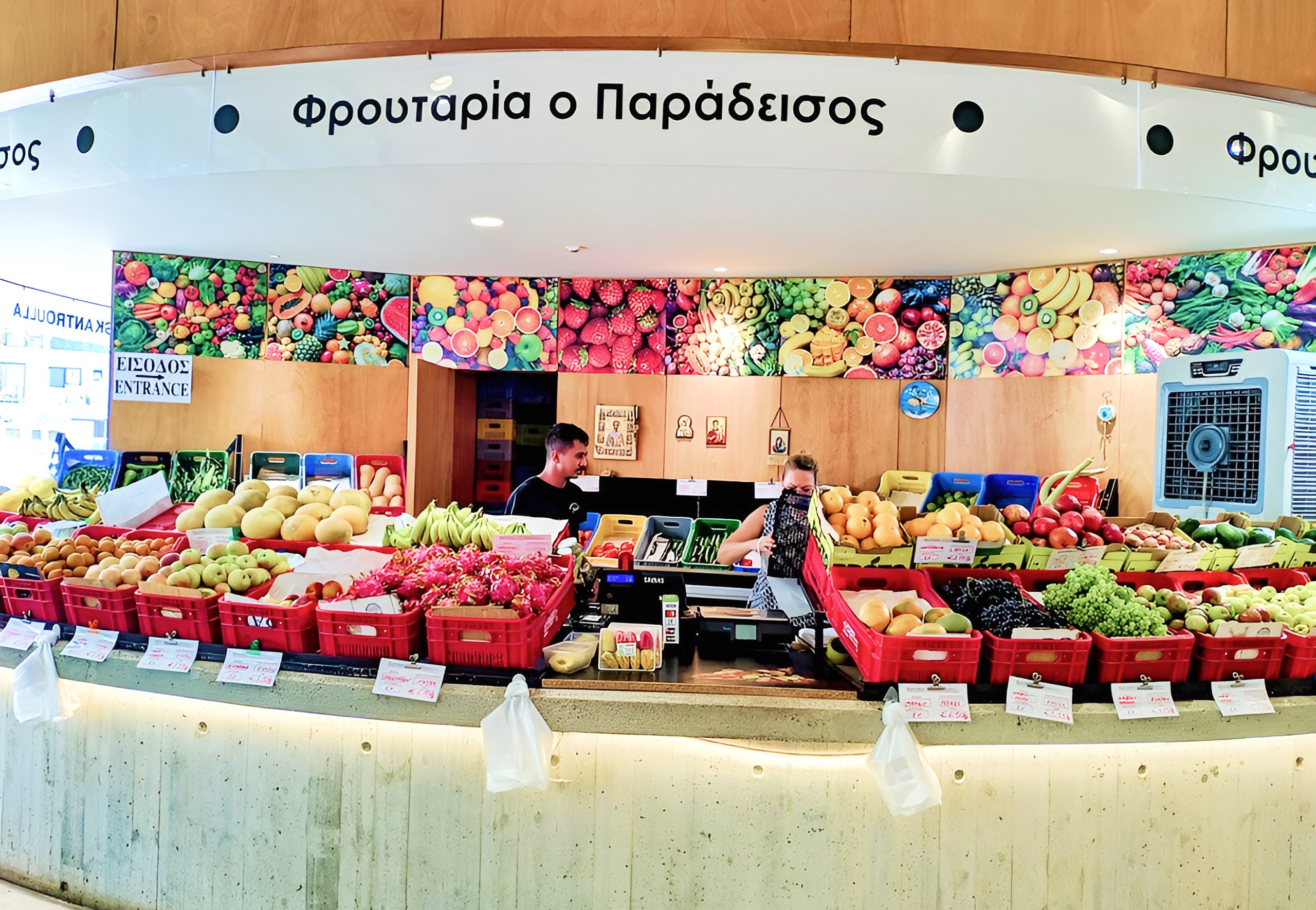
Cyprus markets, like Greek laiki agores, distinguish between producers who grow their own products and professional sellers who purchase from wholesale sources. Producer vendors are typically farmers from nearby villages who maintain small family farms producing vegetables, fruits, olives, honey, eggs, and dairy products. These individuals travel from market to market across different towns selling directly to consumers without intermediaries, keeping retail prices lower while earning higher margins than wholesale channels would provide.
Professional sellers purchase from larger farms, importers, and wholesale distributors to offer wider product variety including exotic fruits, imported seafood, and items from distant regions. These vendors provide consistent supply of staple goods that local producers cannot furnish year-round. The professionals also sell non-food items including clothing, household tools, and gardening supplies that expand market offerings beyond agricultural products.
Both vendor types require government permits to operate in official markets. The permit system regulates who can sell, ensures food safety standards, and prevents unauthorized commerce. Producer permits verify farm ownership and require applicants to prove they personally work the land rather than simply owning property farmed by others. This requirement protects genuine small farmers from competition by wealthy absentee landowners who could undercut prices through economies of scale.
Trust-Based Commerce and Personal Relationships
Market commerce operates primarily through cash transactions in euros, though larger municipal markets increasingly accept card payments. The preference for cash reflects traditional practices and allows flexibility in pricing where bargaining remains acceptable for bulk purchases. Vendors display prices on handwritten signs or chalkboards, with costs varying based on product quality, seasonal availability, and vendor’s assessment of customer purchasing power.
Personal marketing determines vendor success more than price competition alone. Regular customers develop relationships with specific vendors whose products they trust, returning week after week to purchase from familiar faces. This loyalty derives from accumulated experience where consistent quality and fair treatment earn customer devotion. Vendors reciprocate by offering slightly larger portions, setting aside premium items for preferred customers, and providing informal credit to trusted buyers facing temporary cash shortages.
The trust extends beyond product quality to authenticity claims. When vendors state produce comes from their own farms, customers generally believe these assertions based on personal knowledge of the vendor’s agricultural activities. This social verification system operates alongside but separate from official inspection regimes, with community reputation providing enforcement mechanisms that formal regulations cannot replicate.
Municipal Markets and Permanent Structures
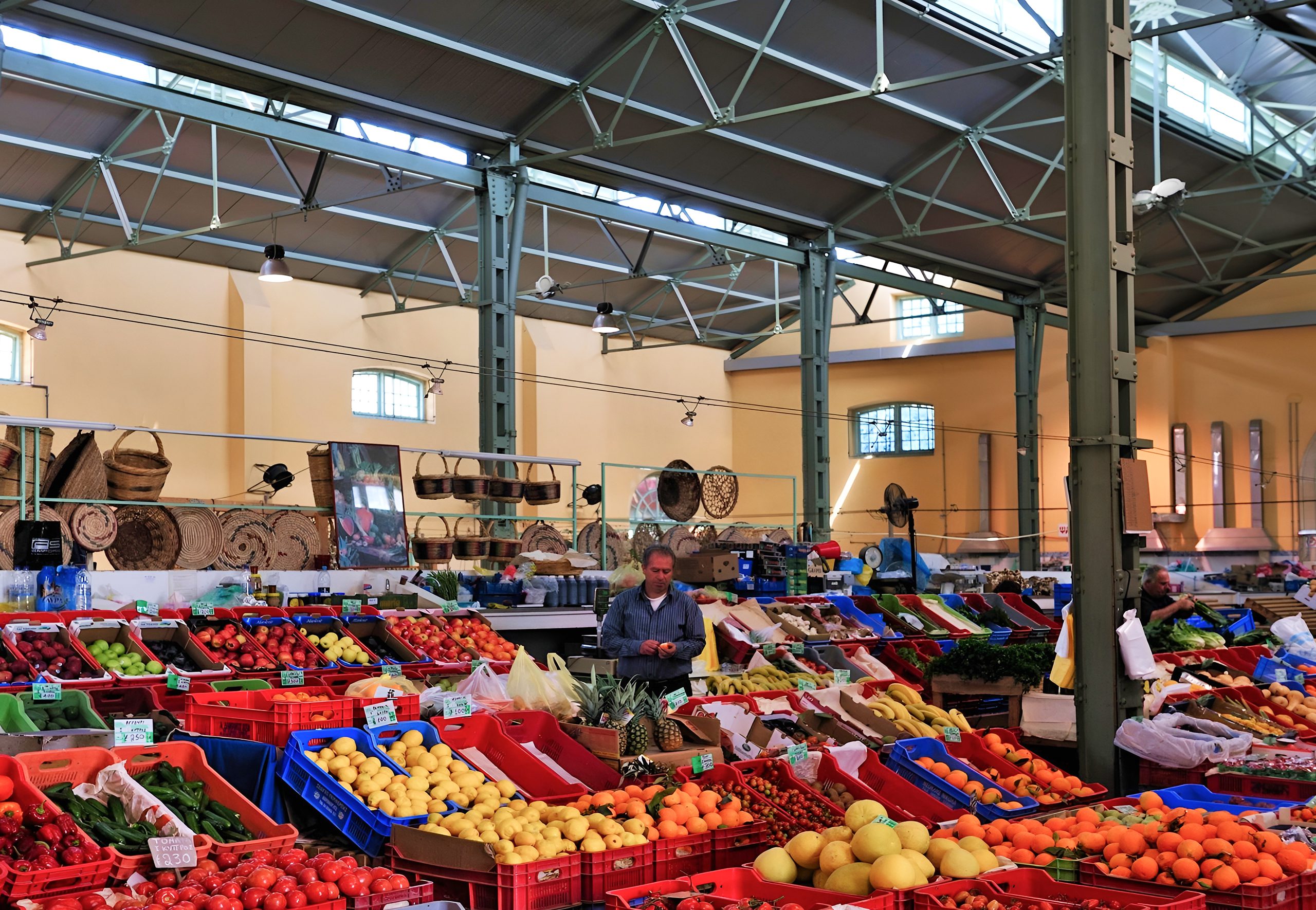
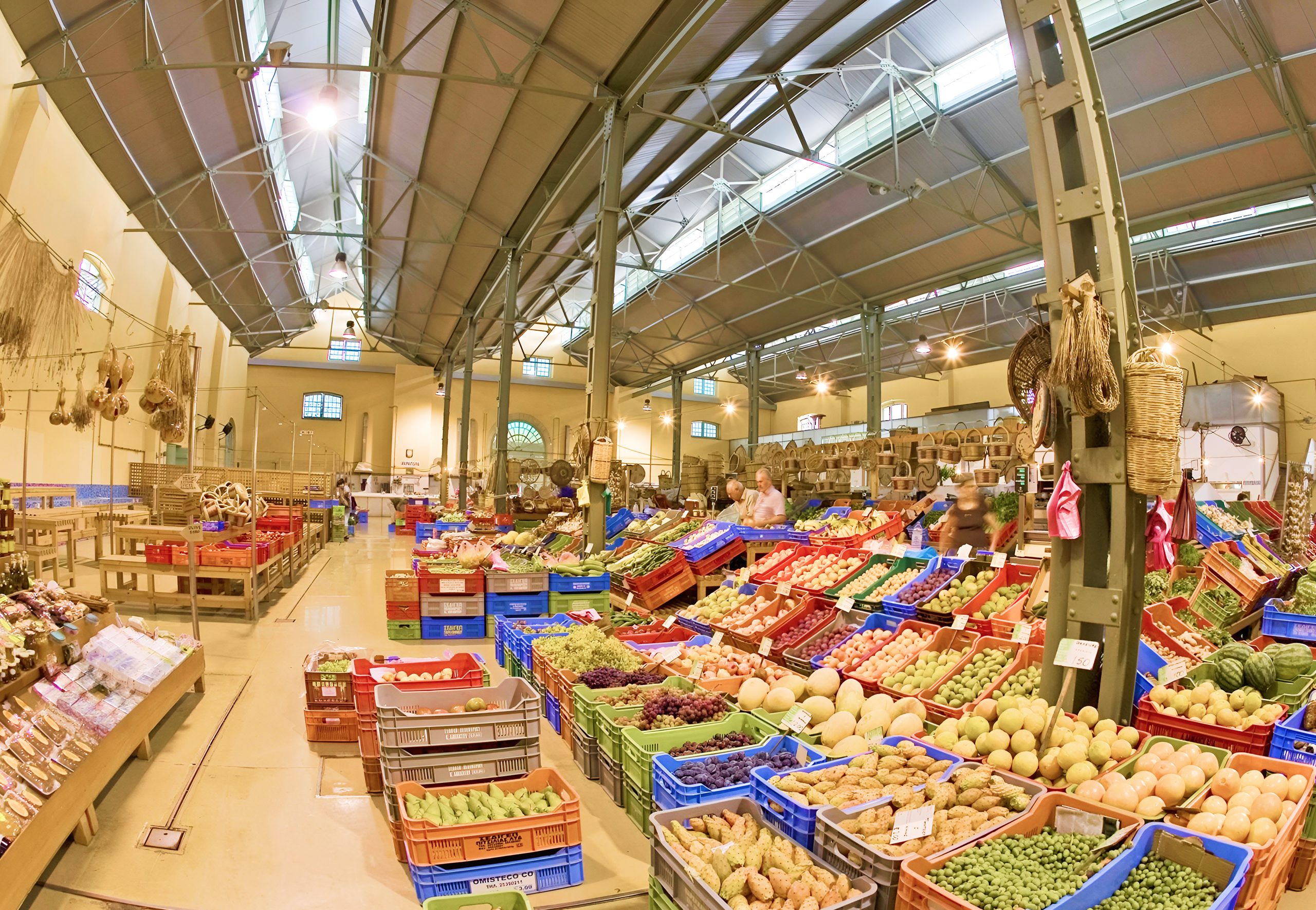
Larger cities maintain permanent municipal market buildings that operate daily while also hosting weekly open-air markets in adjacent spaces. The Larnaca Municipal Market, renovated and reopened in recent years, features 20 ground-floor shops selling local produce including fruits, vegetables, dairy, cured meats, wine, and baked goods. On Saturdays, an open-air farmers market operates in the courtyard, combining permanent retail with temporary traditional stalls.
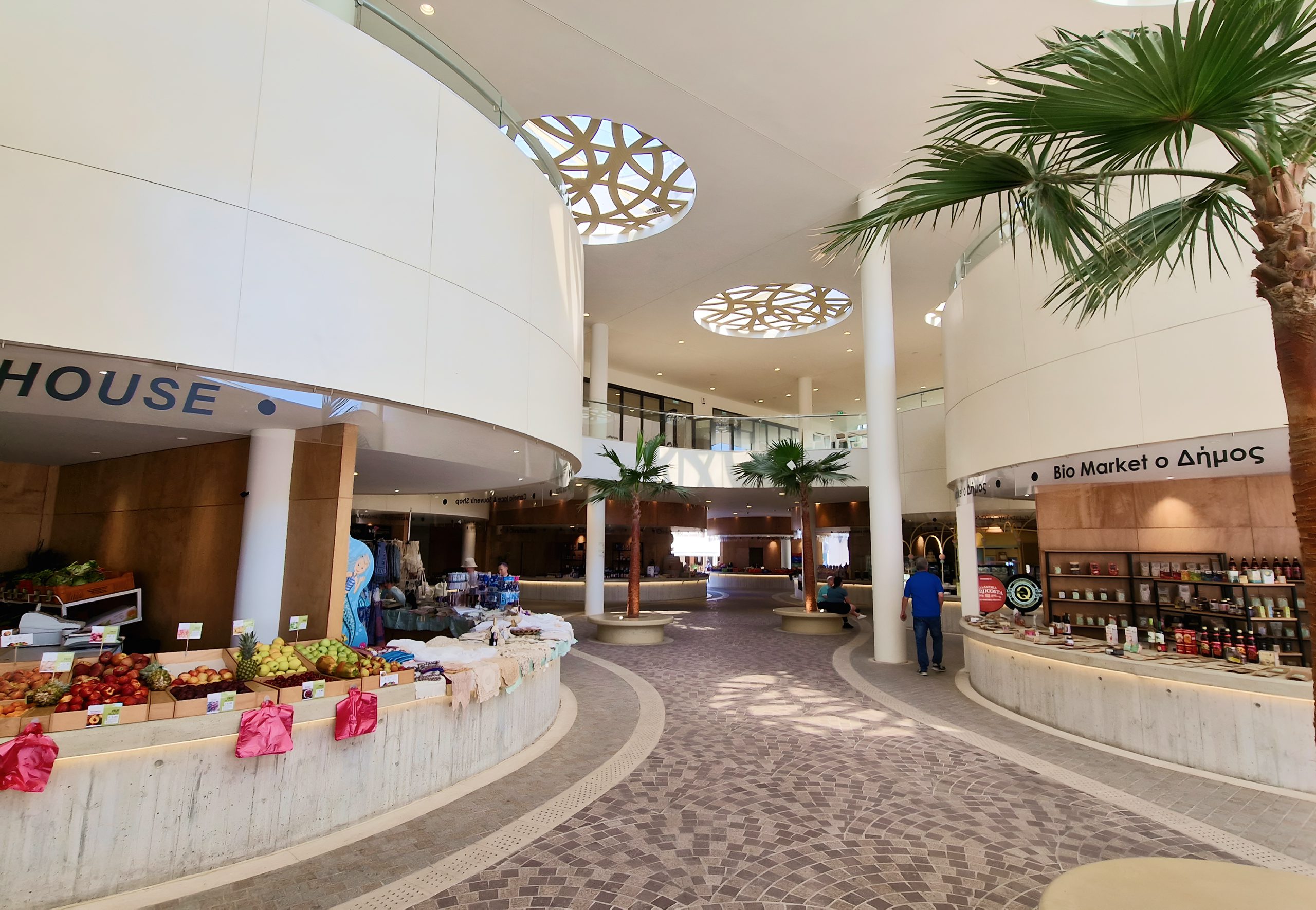
The modern facility integrates contemporary elements like disabled accessibility, parking structures, and upper-level cafes and bars with traditional agora concepts. The mezzanine hosts cultural events, while rooftop terraces provide public gathering spaces. Operating hours extend from 7:00 AM to 7:00 PM in summer and 6:00 PM in winter, accommodating working people who cannot shop during morning-only traditional market hours.
These hybrid structures represent attempts to preserve market culture while adapting to contemporary urban lifestyles. The permanent shops provide consistent availability that weekly markets cannot match, while Saturday farmers markets maintain direct producer-consumer connections and social atmospheres that supermarkets lack. The combination acknowledges that different consumer segments value different market attributes, with some prioritizing convenience and others emphasizing authenticity and social interaction.
The Social Functions Beyond Commerce
Markets serve information exchange functions where community members learn news, gossip, and practical knowledge while shopping. Before widespread literacy and mass media, markets provided primary venues for news distribution as literate individuals shared newspaper stories and government announcements. When wireless radios became available, market areas often featured public broadcasts that drew crowds to hear distant events.
The gatherings also facilitate informal political discourse where citizens discuss government policies, economic conditions, and community concerns. During Cyprus’s struggle for independence and subsequent political crises, markets functioned as spaces where opposition movements could organize and disseminate information beyond government control. The crowds and noise provided cover for political conversations that might attract unwanted attention in quieter settings.
Markets reinforce gender roles and age-based social hierarchies. Traditionally, market shopping belonged primarily to women’s domestic responsibilities, though men purchased agricultural supplies and tools. Elderly women often spent extended time at markets, using shopping trips as social outings where they encountered friends and relatives. The markets thus provided public spaces for women whose mobility was otherwise restricted by cultural norms limiting female presence in male-dominated venues like coffee shops.
Economic Impact on Rural Communities
Direct sales at markets provide crucial income for small farmers who cannot compete with large commercial operations supplying supermarket chains. The elimination of wholesaler intermediaries allows farmers to capture retail margins while offering consumers lower prices than conventional retail channels. This arrangement benefits both parties while supporting rural agricultural economies threatened by consolidation and industrialization.
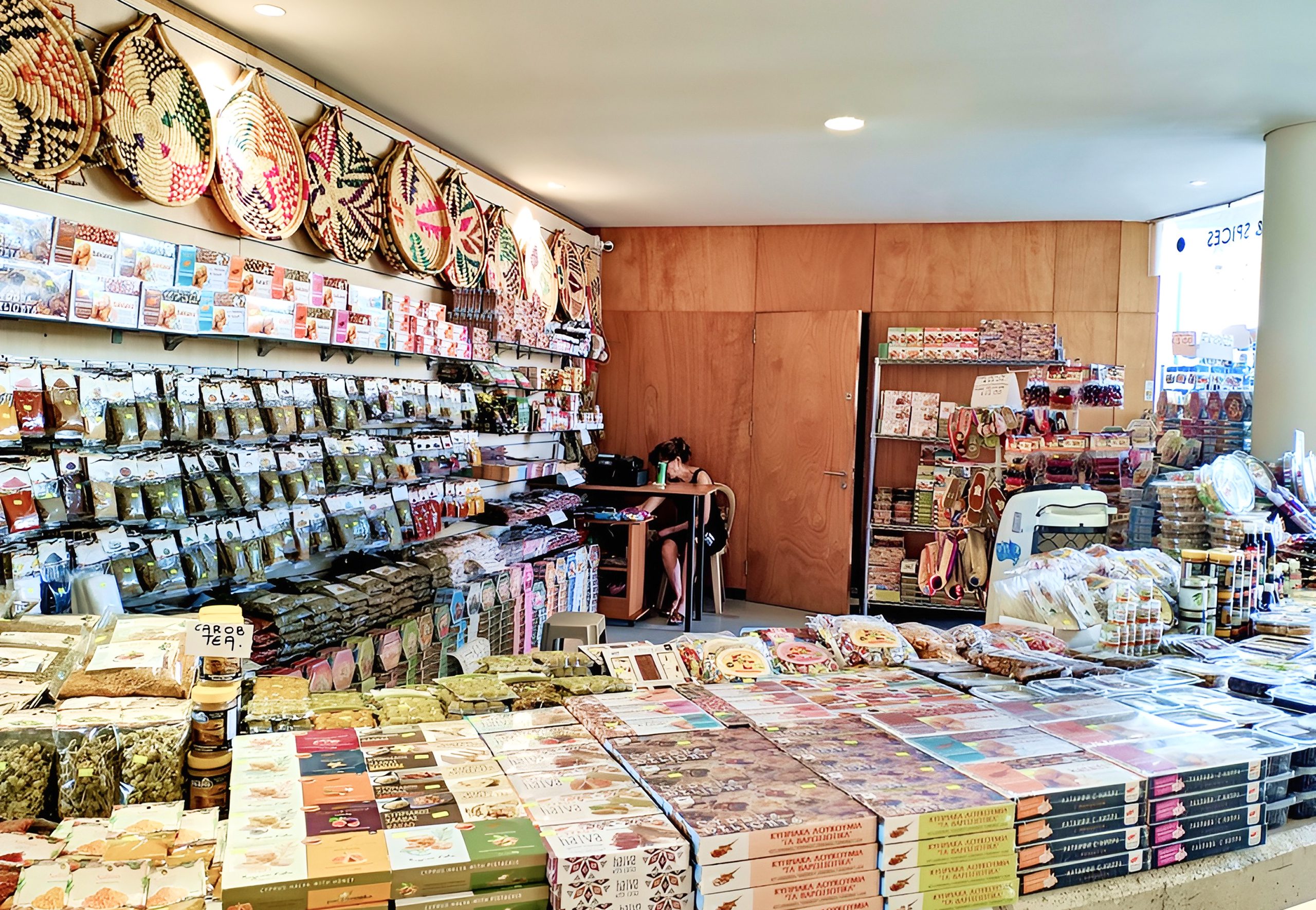
The markets also create employment for professional sellers, truckers who transport goods, and informal workers who assist vendors with setup and breakdown. These economic activities support families who might otherwise lack viable employment in areas with limited industrial or service sector opportunities. The informal nature of some market work allows participation by individuals excluded from formal labor markets due to age, disability, or legal status issues.
Tourism increasingly recognizes markets as authentic cultural experiences that attract visitors seeking alternatives to beach resorts and archaeological sites. International tourists photograph colorful produce displays, sample local specialties, and purchase artisanal products as souvenirs. This tourism injection provides additional income streams for vendors while exposing Cyprus products to potential export markets.