Explore Cyprus with Our Interactive Map

Explore our top stories and discover ideas worth your time.

Culinary Festivals and Food Events Cyprus

Culinary Festivals and Food Events Cyprus

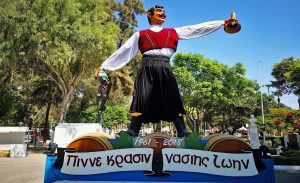
Culinary festivals in Cyprus are not staged food shows or seasonal attractions created for visitors. They are extensions of village life, shaped by agriculture, memory, and the belief that food is meant to be shared. Across the island, festivals dedicated to wine, halloumi, olives, and everyday cooking traditions offer a way to understand Cyprus through participation rather than observation. Food as a Social Language In Cyprus, food festivals usually revolve around a single local product or a small group of related dishes. These events are organised by municipalities, village councils, or community groups, not private promoters. Their purpose is communal before it is celebratory. fastforward-com Recipes, techniques, and rituals that rarely appear in written form are performed publicly, often by people who learned them informally from parents and grandparents. Preparing food together, offering it freely, and eating collectively reinforces the Cypriot idea of hospitality, where sharing food is inseparable from social belonging. Festivals Guided by the Agricultural Calendar The timing of culinary festivals follows the land rather than marketing schedules. Cyprus’s climate supports vineyards, olive groves, dairy farming, and small-scale agriculture, and festivals emerge naturally around moments of harvest and seasonal transition. Spring festivals often highlight fresh produce and early agricultural yields. Summer events reflect abundance and outdoor life, while autumn brings the most significant celebrations, particularly those dedicated to…

Read more
Agios Lazaros Church Larnaca – Key Christian Site Cyprus

Agios Lazaros Church Larnaca – Key Christian Site Cyprus

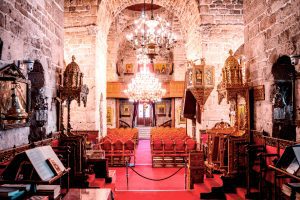
Agios Lazaros Church stands in central Larnaca, one of the most significant Christian sites in Cyprus. This Byzantine church was built in the late 9th or early 10th century over the believed tomb of Saint Lazarus. Lazarus of Bethany was the man Jesus raised from the dead after four days in the tomb, as described in the Gospel of John. According to Eastern Orthodox tradition, Lazarus fled Judea after his resurrection due to threats on his life and came to Cyprus, where Paul the Apostle and Barnabas appointed him as the first Bishop of Kition. He lived for thirty more years and was buried there for the second and last time. The church measures approximately 31.5 by 14.5 meters and was constructed primarily from limestone. Built by Byzantine Emperor Leo VI, it remains one of the oldest and most important churches on the island. Historical Background The location of Lazarus's tomb was believed to have been lost under Arab rule of the island from 649 AD. In 890, a tomb bearing the inscription "Lazarus, four days dead, friend of Christ" was discovered in Larnaca. In 898, Byzantine Emperor Leo VI had Lazarus's remains transferred to Constantinople. STELLAgloballookpress.com The transfer was apostrophized by Arethas, Bishop of Caesarea, and is commemorated by the Orthodox Church each year on October 17. In recompense…

Read more
Salt Flats Coastal Wetlands Cyprus

Salt Flats Coastal Wetlands Cyprus

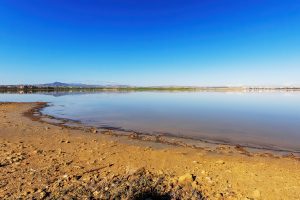
Salt Flats and Coastal Wetlands (Larnaca, Limassol, Akrotiri) are crucial ecosystems in Cyprus, serving as vital stopovers for migratory birds, habitats for flamingos, and homes to brine-adapted flora, holding international significance for biodiversity. These areas, including Larnaca Salt Lake, Limassol's Akrotiri Wetlands, and related sites, form interconnected zones where saltwater and freshwater mix, creating unique conditions that support thousands of species. They highlight the island's role as a Mediterranean biodiversity hotspot, where natural processes and human history intersect to foster life in challenging environments. birdlifecyprus-org A Vital Ecosystem in the Mediterranean Salt flats and coastal wetlands in Cyprus represent dynamic landscapes where land meets sea, characterized by shallow saline lakes, marshes, and mudflats that fluctuate with seasons. Larnaca Salt Lake, the largest inland wetland at 2.2 square kilometers, dries to a white crust in summer but fills with winter rains, hosting algae that tint waters pink. Limassol's Akrotiri Peninsula, covering 150 square kilometers, includes brackish lagoons and reed beds, while smaller sites like Oroklini add diversity. These zones support migratory birds numbering over 10,000 annually, flamingos that winter in flocks of 20,000, and brine-adapted plants like halophytes that thrive in salty soils. Their international significance stems from Ramsar Convention protection since 1997, recognizing them as wetlands of global importance for conservation and sustainable use. cyprusisland-net Formation Through Geology and Climate…

Read more