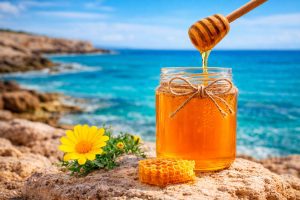
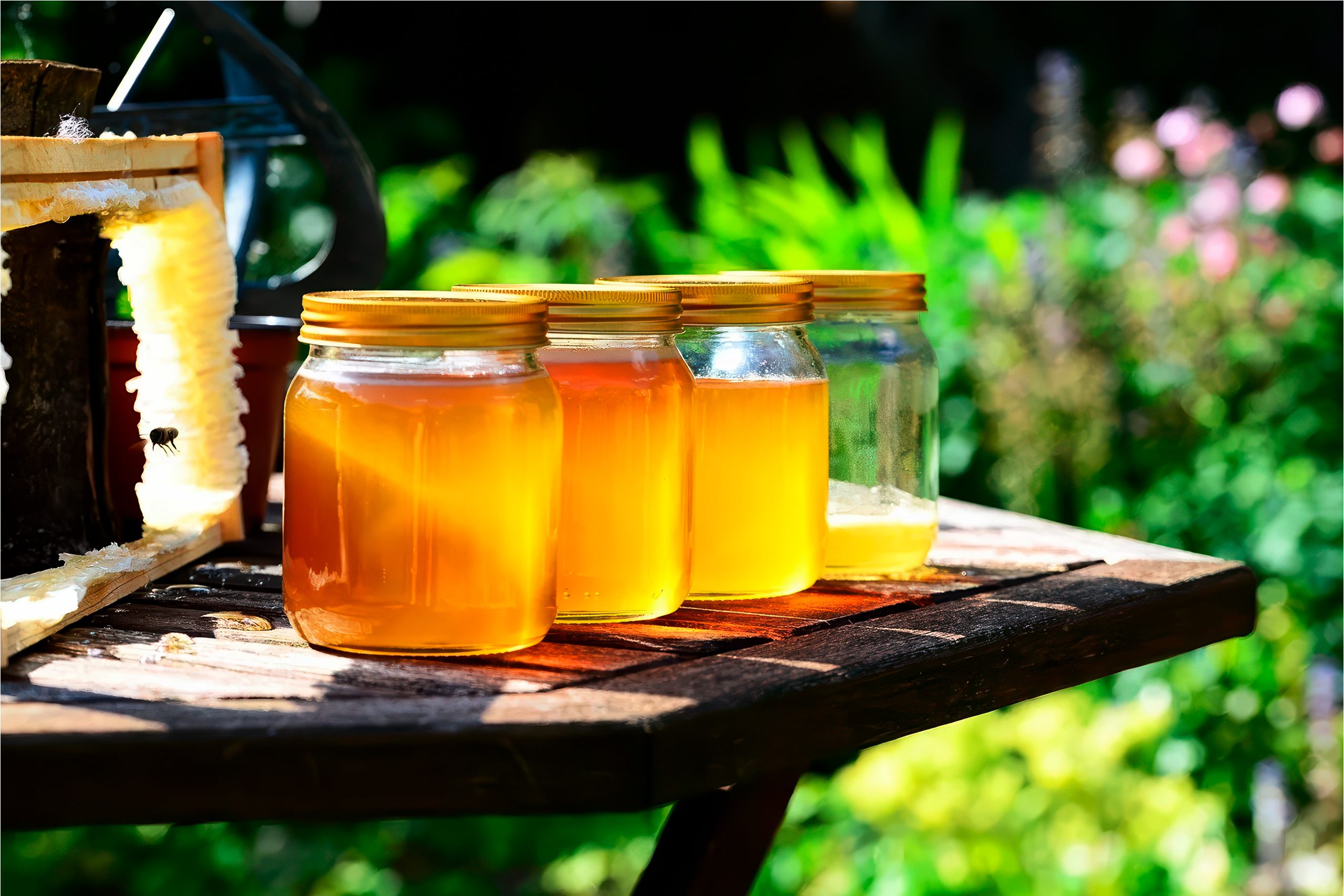
Honey in Cyprus is not simply a food product. It reflects landscape, climate, and survival shaped over centuries. Produced mainly in mountain and rural areas, Cypriot honey carries the character of wild thyme, pine forests, citrus groves, and seasonal movement across the island. Long before sugar became common, honey served as the primary sweetener, a form of medicine, and a symbol of hospitality. Its role has never disappeared. Instead, it has evolved alongside changing lifestyles and technologies.
- An Island That Shapes Its Honey
- The Native Bee and Local Resilience
- Thyme Honey and the Taste of the Mountains
- Other Seasonal Honeys and the Island’s Rhythm
- Before Sugar, Before Imports
- Honey as Medicine and Memory
- From Clay Hives to Moving Apiaries
- A Fragile Balance Today
- Why Cyprus Honey Still Matters
An Island That Shapes Its Honey
Cyprus’s geography plays a decisive role in how honey is produced. Two mountain ranges, varied elevations, and sharply contrasting microclimates allow flowering to unfold in stages rather than all at once. Coastal plains warm early in the year, while foothills and high mountain slopes bloom later, extending the foraging season for bees.
This vertical landscape makes beekeeping in Cyprus inherently mobile. Apiaries are often moved throughout the year, following blossoms from lowland citrus groves to the thyme-covered slopes of the Troodos Mountains. Honey here is shaped as much by movement as by place, with each harvest reflecting a specific altitude, season, and environment.
The Native Bee and Local Resilience
At the heart of Cypriot honey production is a native honeybee adapted to the island’s demanding conditions. This bee has developed endurance in heat, wind, and drought through long isolation and environmental pressure. Survival, rather than gentleness, shaped its behaviour, resulting in a defensive temperament that mirrors the challenges of the landscape.
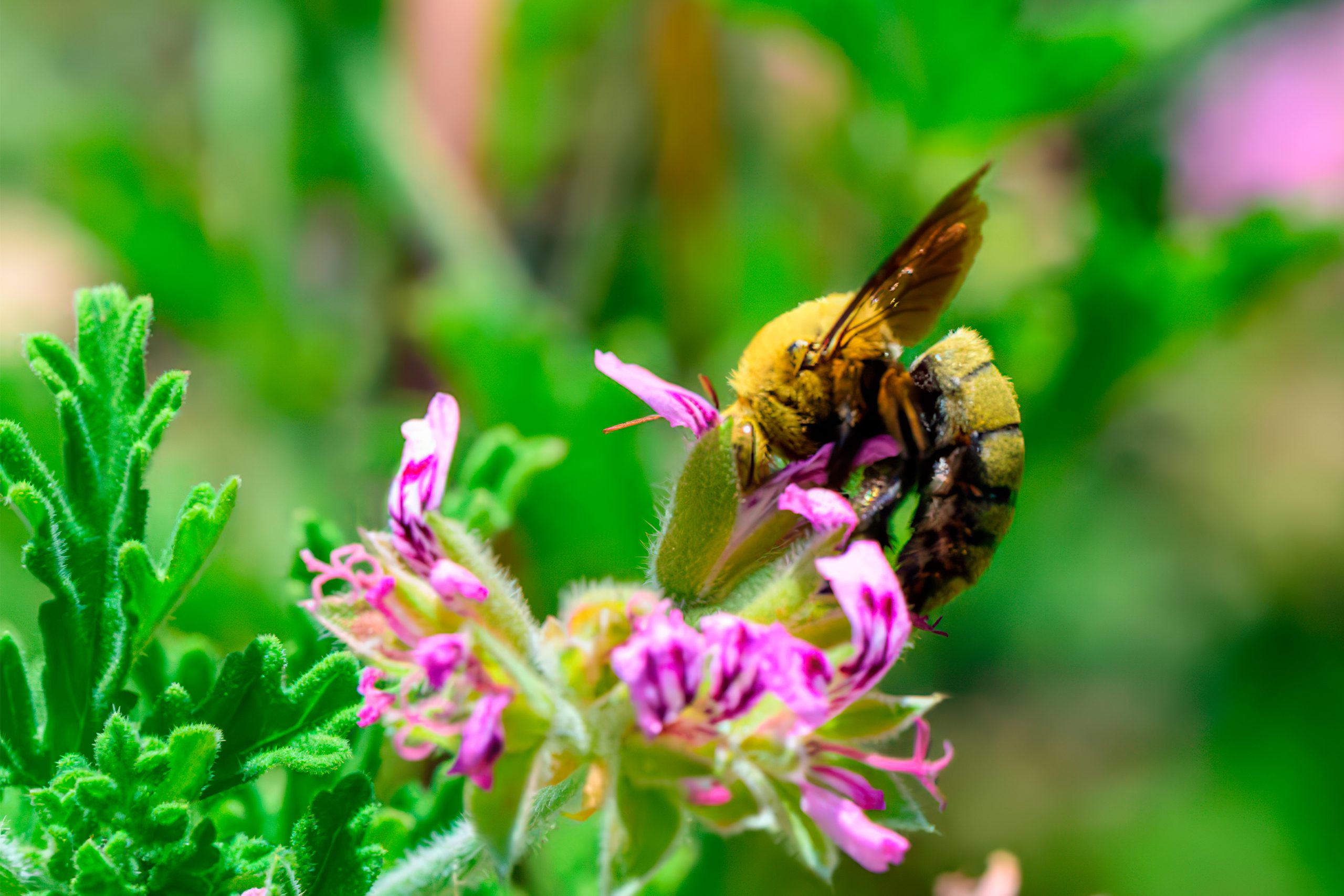
For beekeepers, working with these bees requires experience, patience, and respect. The result is not industrial efficiency but resilience, a trait that has allowed beekeeping to persist in a climate where many other forms of agriculture struggle.
Thyme Honey and the Taste of the Mountains
Among Cyprus’s honey varieties, thyme honey holds a special status. Harvested mainly in summer from wild thyme growing on dry, rocky slopes, it is intensely aromatic, herbal, and long-lasting on the palate.
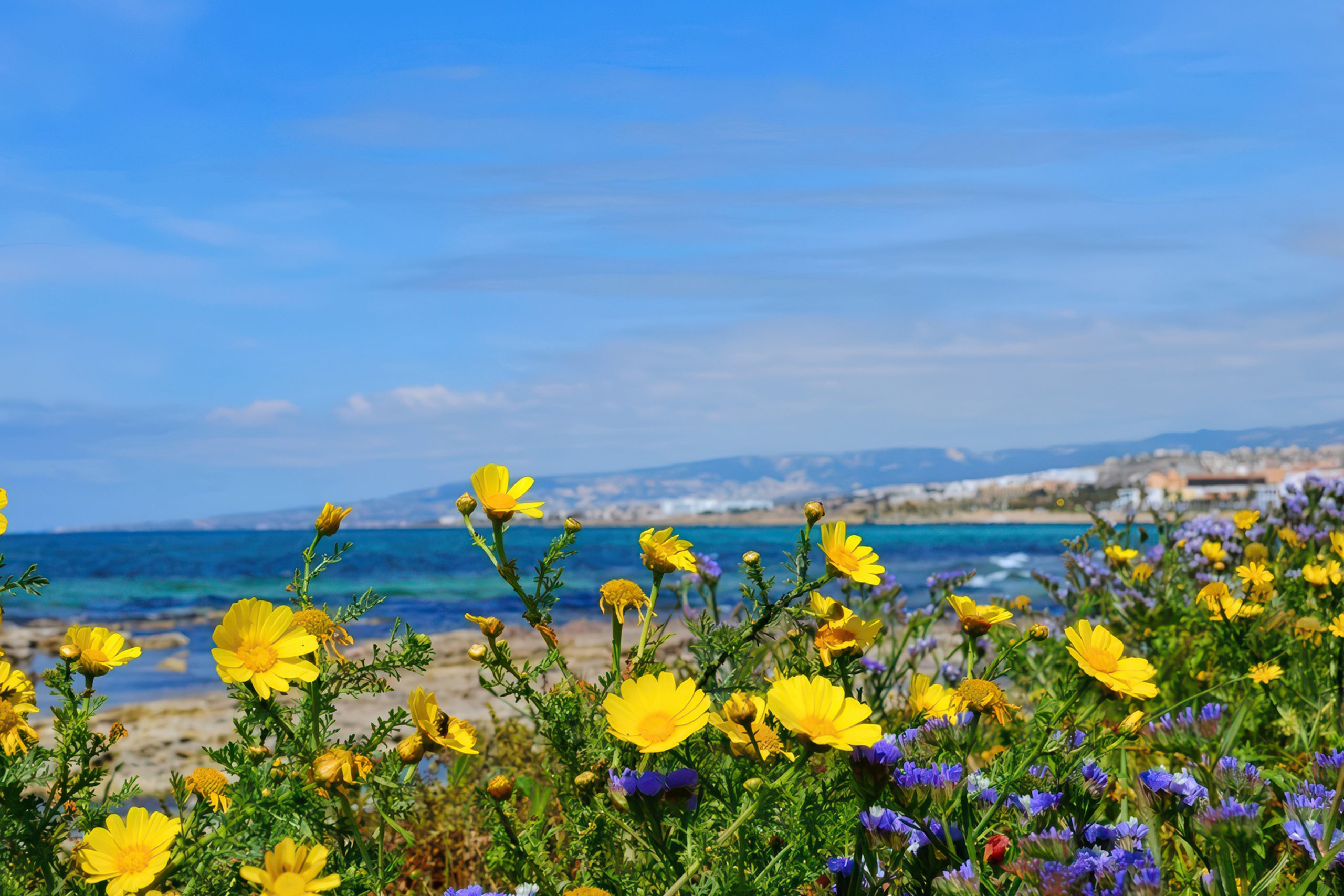
This honey cannot be rushed. Thyme releases nectar only under specific conditions of heat and humidity, and in dry years, plants may flower without producing nectar at all. When conditions align, the result is considered one of the island’s finest natural products, prized both locally and abroad for its complexity and intensity.
Other Seasonal Honeys and the Island’s Rhythm
Beyond thyme, Cyprus produces several seasonal honeys that follow the island’s natural calendar.
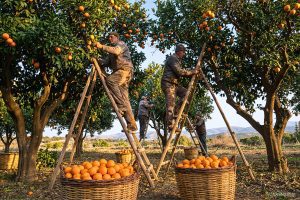
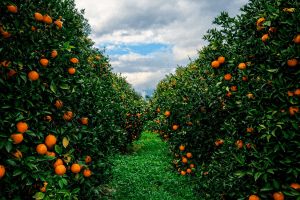
- Citrus honey appears in spring, when coastal orchards bloom, and the air fills with the scent of blossoms.
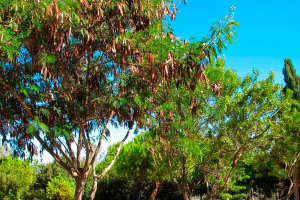
- Pine honey arrives later in the year from mountain forests, darker and less sweet, shaped by resin-rich landscapes rather than flowers.
- Wildflower honey varies dramatically from year to year, reflecting rainfall patterns, altitude, and the shifting mosaic of plants that emerge across the countryside.
Each type marks a specific moment in the island’s seasonal cycle, linking beekeeping directly to climate, geography, and agricultural rhythms.
Before Sugar, Before Imports
For most of Cyprus’s history, honey was the primary source of sweetness. It flavoured bread, pastries, and everyday dishes, often paired with yoghurt, fresh cheeses, or sesame seeds in simple rural meals. In households with limited resources, honey was not a luxury but a necessity that provided calories, preservation, and flavour.
Its uses extended far beyond the kitchen. Beeswax illuminated homes and churches through candles, while honey preserved fruit and herbs and served as a base for traditional remedies. In village life, offering a spoonful of honey carried symbolic meaning, reflecting hospitality and care rather than indulgence.
Honey as Medicine and Memory
Traditional Cypriot households in many villages, including Kalopanayiotis village, relied on honey as a form of medicine shaped by observation and experience. Thyme honey, in particular, was used for sore throats, coughs, and infections, often mixed with lemon or warm water as a simple therapeutic drink. Applied directly to wounds or burns, raw honey acted as a natural antiseptic long before modern medical products were available.
For children, the elderly, and the sick, honey provided nourishment and strength during recovery. These practices were not symbolic traditions but practical responses developed through generations of necessity.
From Clay Hives to Moving Apiaries
Historically, bees were kept in clay or mud hives built into village walls or sheltered spaces. These structures protected colonies from heat and theft but required destructive harvesting methods that often damaged the hive. Over time, modern movable-frame hives replaced these practices, allowing honey extraction without harming the colony.
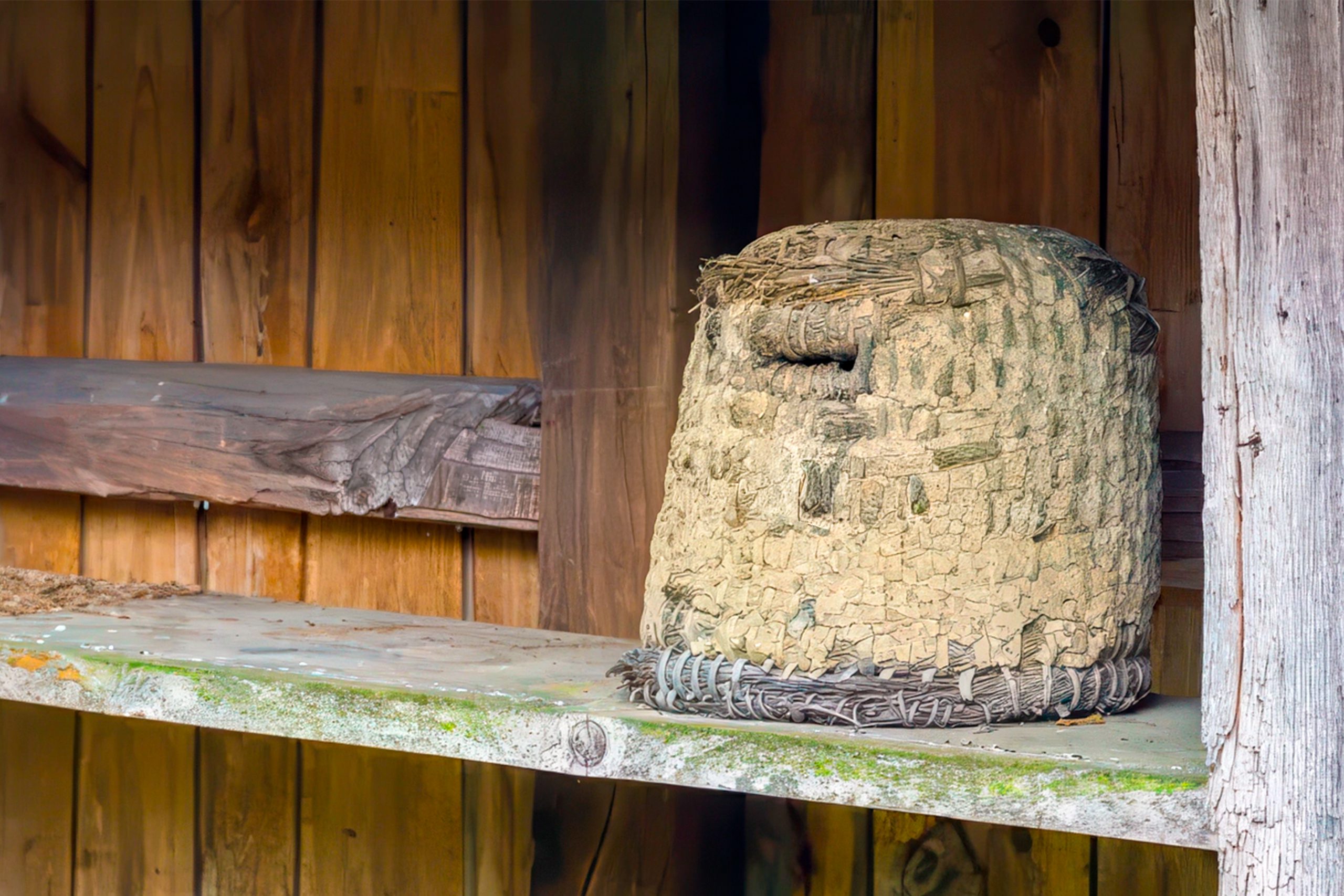
Despite technological change, traditional knowledge remains central. Seasonal timing, weather interpretation, and understanding plant cycles are still skills passed down within families, preserving continuity between past and present beekeeping practices.
A Fragile Balance Today
Modern beekeeping in Cyprus faces growing pressures. Prolonged droughts reduce nectar flow, wildfires destroy forage landscapes that take years to recover, and imported honey undercuts local producers, often without transparent labelling.
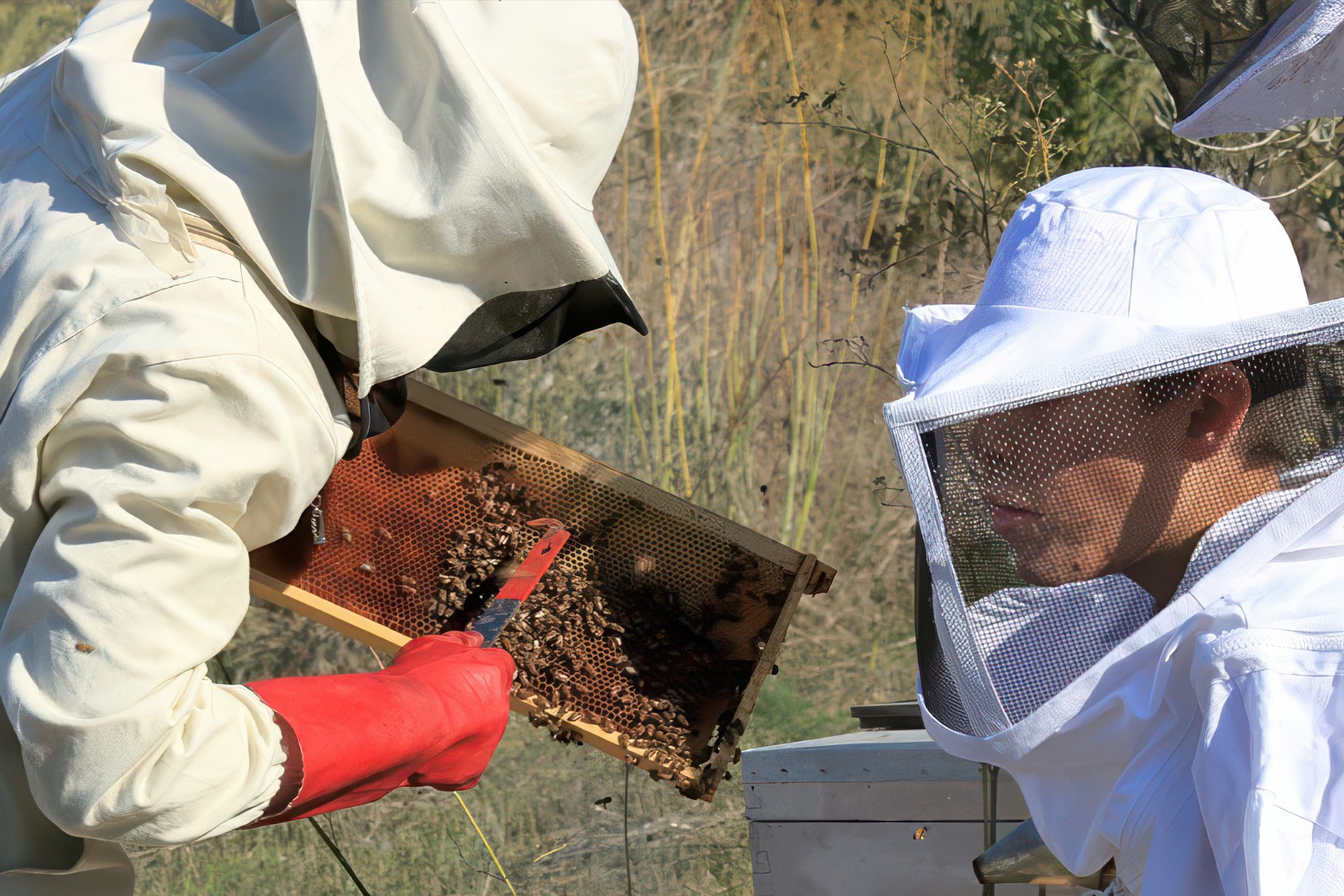
At the same time, interest in local honey is rising. Consumers increasingly value traceable, place-based products, and rural festivals, cooperatives, and mountain villages now connect visitors directly with beekeepers. Honey has shifted from a commodity to a narrative, tied to land, heritage, and sustainability.
Why Cyprus Honey Still Matters
Cyprus honey matters because it carries the memory of adaptation to a landscape that was generous but never easy. Each jar reflects altitude, climate, movement, and restraint, shaped by the rhythms of nature rather than market schedules.
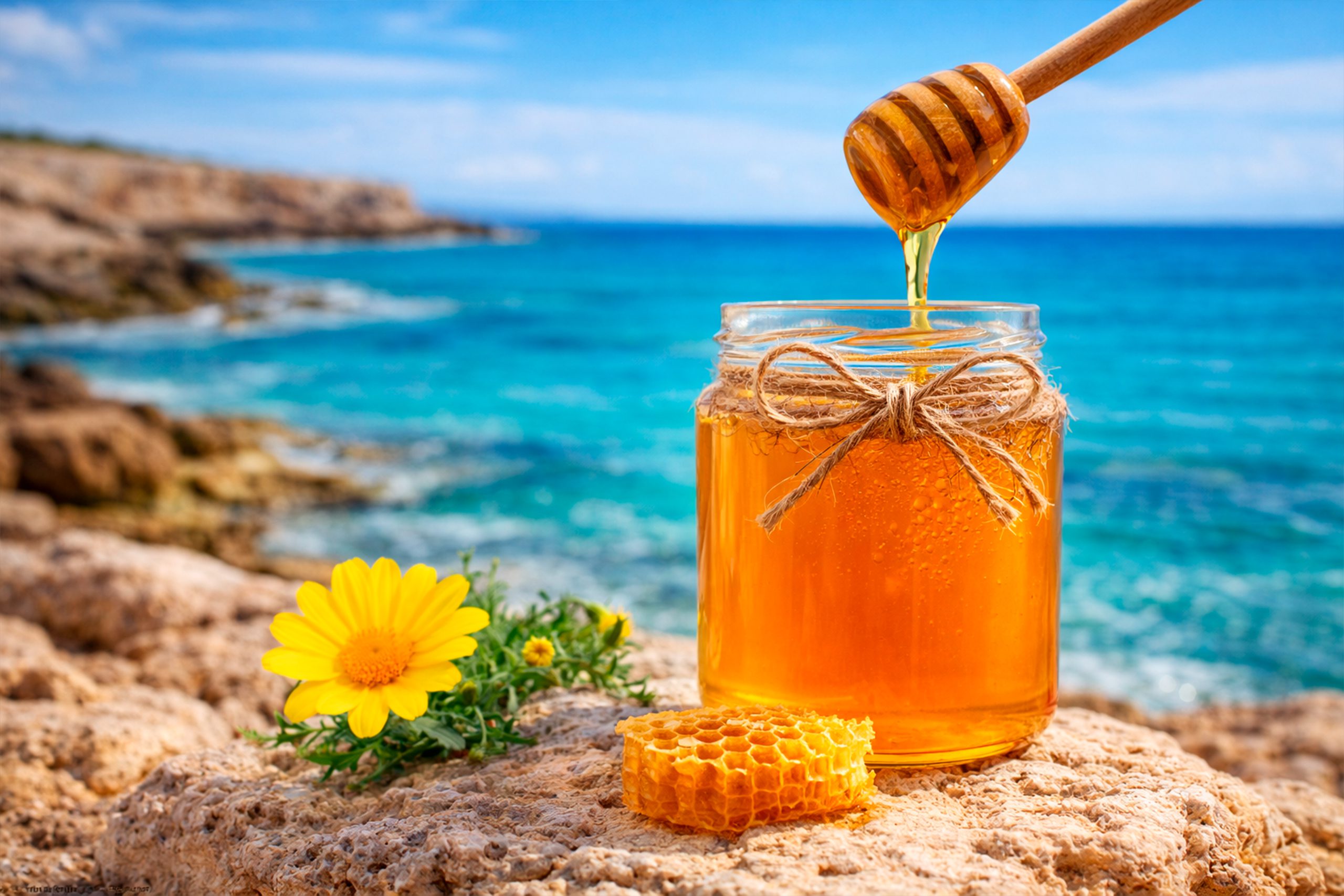
In an era of standardisation, Cypriot honey remains seasonal, variable, and honest. Its taste changes each year because the island itself changes each year. That unpredictability is not a flaw but a defining quality that keeps the tradition alive. Sweetness in Cyprus has always been earned rather than extracted, and honey remains its most faithful expression.