Cyprus holds exceptional biological diversity for an island of its size. The island hosts approximately 1,800 plant species, with 143 endemic taxa found only in Cyprus. Among animals, the island supports 385 bird species, 21 mammals, 24 reptiles, and 3 amphibians.
Over 5,000 insect species have been documented. This diversity results from Cyprus’s unique position at the crossroads of Europe, Asia, and Africa, combined with varied climate conditions and dramatic elevation changes from sea level to the 1,952-meter peak of Mount Olympus in the Troodos Mountains.
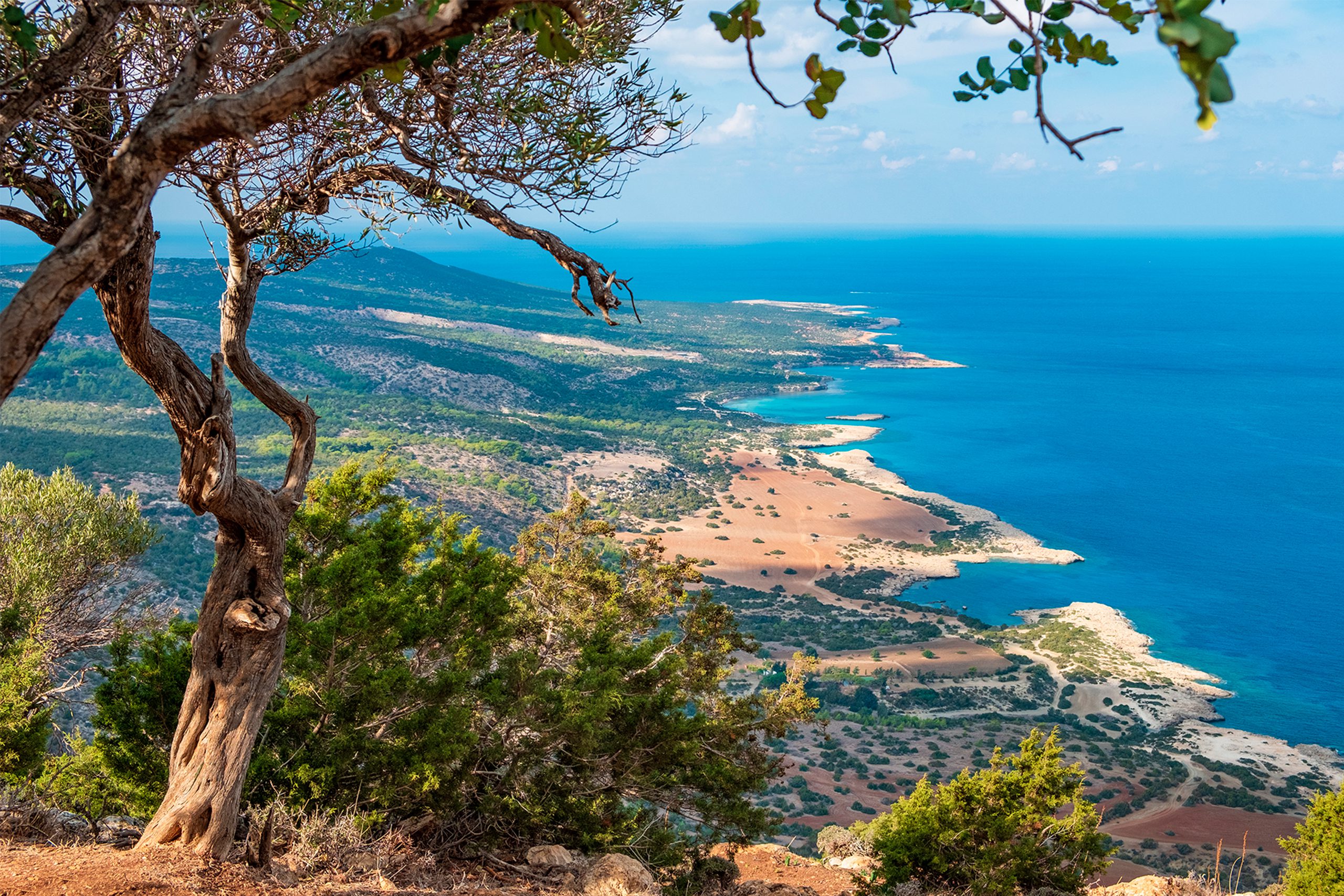
The island’s geological history as an uplifted oceanic plate rather than a continental fragment also contributed to the evolution of distinctive species. This combination of geographic isolation, habitat variety, and ancient history created conditions where unique life forms developed and thrived.
Historical Background
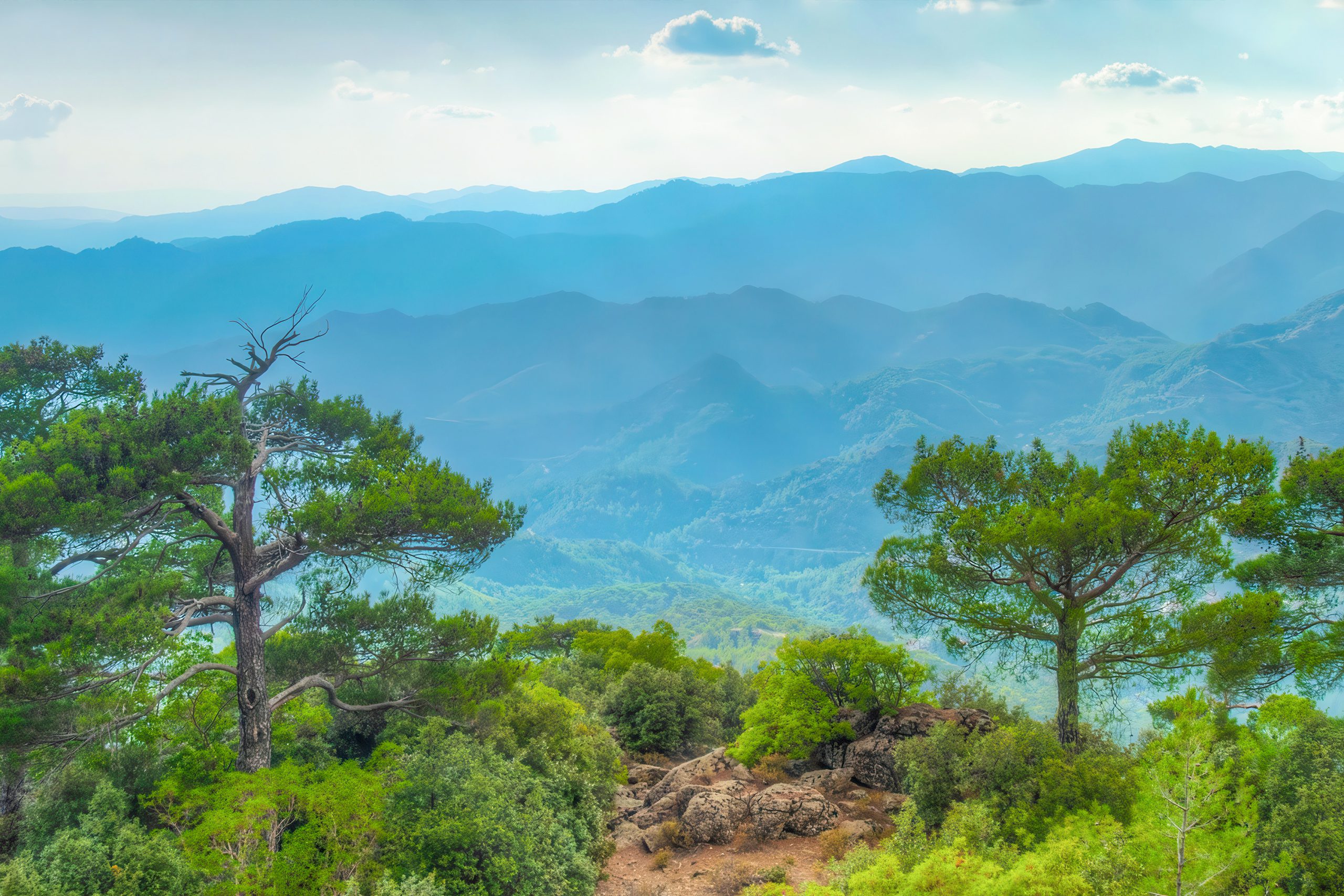
Cyprus’s biodiversity reflects millions of years of natural evolution shaped by the island’s complex geological formation. The Troodos Mountains rose from the ocean floor through tectonic forces, creating habitat diversity from coastal zones to alpine peaks. During the Late Pleistocene era, the island supported now-extinct megafauna including dwarf hippopotami and dwarf elephants, which died out after humans arrived around 10,000 BC.
Human activity has shaped the Cypriot landscape for millennia. Neolithic settlers brought domesticated animals and began agriculture around 8,200 BC. Over thousands of years, traditional farming practices created a mosaic of cultivated fields, vineyards, orchards, and grazing lands interspersed with natural vegetation. This agricultural landscape actually supported biodiversity by providing varied habitats for many species. Birds, small mammals, reptiles, and insects adapted to these semi-natural environments.
However, modern pressures have dramatically reduced natural habitats. Cyprus currently retains only 20% of its original habitat due to rapid urbanization, commercial forestry, tourism development, and related activities. Coastal areas face particular threats from tourism infrastructure, including hotels, apartments, and leisure facilities. Many coastal habitats like dune systems and marshes have been destroyed or degraded. The Akamas Peninsula remains the only substantial undeveloped coastline in the Republic of Cyprus, making its protection critically important.
Notable Endemic Species
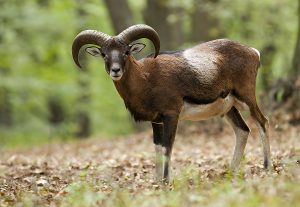
The Cyprus Mouflon represents the island’s most famous endemic animal. This wild sheep subspecies serves as Cyprus’s national animal and became critically endangered in the 20th century. Conservation efforts brought the population back from fewer than 100 individuals to sustainable numbers today. The mouflon lives primarily in the Paphos Forest and Troodos Mountains, where it finds refuge in rugged terrain.
Two endemic bird species breed exclusively on Cyprus. The Cyprus Warbler and Cyprus Wheatear both nest on the island before migrating south to Africa for winter. The recently recognized Cyprus Scops Owl, once considered a subspecies of the Eurasian Scops Owl, now stands as a distinct species found only in Cyprus.
Among reptiles, the Cyprus Whip Snake and the Troodos Lizard live nowhere else. Endemic mammals include the Cyprus Spiny Mouse and the Cypriot Mouse. The island’s plant endemics span diverse families. The Cyprus Cedar, a rare conifer found only in the Troodos Mountains, stands among the most significant. The Golden Oak, with its distinctive golden-backed leaves, grows in mountain forests. Endemic flowering plants include the Cyprus Tulip, Cyclamen cyprium, Crocus cyprius, and numerous aromatic herbs like Nepeta troodi and Salvia willeana.
The Natura 2000 Network in Cyprus
Cyprus ranks among the top five EU countries in land area covered by the Natura 2000 network at 28.8%. The network includes 63 sites covering both marine and terrestrial areas totaling 1,789 square kilometers. Natura 2000 represents the European Union’s cornerstone biodiversity protection system, established under the 1979 Birds Directive and 1992 Habitats Directive.
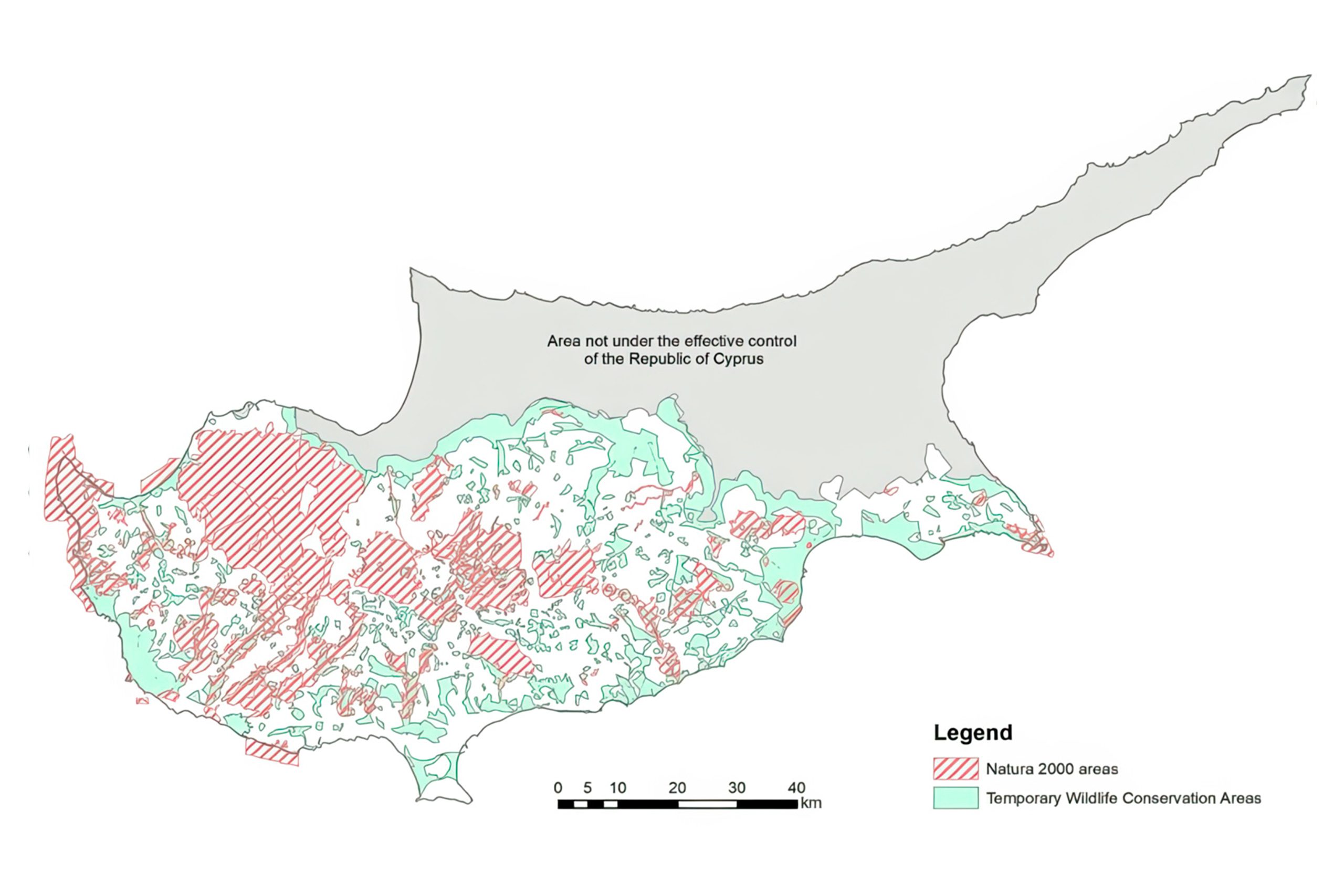
The network protects 48 habitat types listed in Annex I of the Habitats Directive, including 13 priority habitats. Approximately 60% of protected areas sit within State Forest Land, with 26 sites hosting significant forest areas. Cyprus hosts 38 Annex II species, including 14 priority species requiring strict protection. The full count includes 58 species protected under Habitats Directive Annexes II, IV, and V, comprising 21 mammals, 13 reptiles, 3 amphibians, 2 arthropods, 1 fish, and 18 endemic plants. The network also protects 129 bird species listed in the Birds Directive Annex I.
The Natura 2000 sites vary in character and management. Unlike strict nature reserves, many sites include farmed land, forests, and even settlements. The philosophy emphasizes coexistence between human activity and nature conservation rather than complete exclusion of people. Activities within Natura 2000 areas must ensure protection of rare species and habitats, but the designation does not prohibit traditional uses like farming or forestry when conducted sustainably.
Convention on Biological Diversity Commitments
Cyprus participates in the Convention on Biological Diversity, the primary international framework for protecting global biodiversity. The CBD, established at the 1992 Earth Summit in Rio de Janeiro, has three main objectives: conserving biological diversity, ensuring sustainable use of biological resources, and promoting fair sharing of benefits from genetic resources.
The CBD requires member countries to develop National Biodiversity Strategies and Action Plans. Cyprus adopted its National Biodiversity Strategy and Action Plan 2020-2030 in June 2020. The strategy contains 13 strategic objectives based on the CBD’s five strategic goals and European biodiversity targets. These objectives address mainstreaming biodiversity into national policies, strengthening ecological expertise, managing protected areas, promoting sustainable resource use, addressing invasive species and climate change impacts, and mobilizing resources for conservation.

The strategy acknowledges major threats to Cyprus biodiversity including habitat loss from development, overuse of water resources, climate change effects like decreased rainfall and rising temperatures, forest fires, invasive species, unsustainable agricultural practices, overgrazing, overfishing, and pollution from industrial, domestic, and agricultural sources. The action plan proposes specific measures to counter these threats and improve the conservation status of threatened species and habitats.
International Collaboration Programs
The LIFE IP PHYSIS project represents a major international effort to improve Natura 2000 management in Cyprus. Running from 2019 to 2029 with a total budget exceeding 16 million euros, the project receives 10 million euros in EU funding. The program aims to achieve or maintain favorable conservation status for species and habitat types across the entire Natura 2000 network.
Four government departments share responsibility for managing protected areas, requiring intensive coordination. The project addresses identified weaknesses in network governance, fills knowledge gaps about species and habitats, implements action and management plans, and works to increase public acceptance of conservation measures. Local communities and landowners have shown low acceptance of Natura 2000 restrictions, making stakeholder engagement crucial to success.
The European Union’s Biodiversity Strategy for 2030 sets ambitious targets that Cyprus must help achieve. The strategy calls for protecting at least 30% of EU land by 2030, with effective management of all protected areas. Cyprus already exceeds this threshold at 28.8%, but the challenge lies in ensuring effective management and achieving favorable conservation status for protected species and habitats.
Cyprus also participates in global biodiversity frameworks beyond European initiatives. The Kunming-Montreal Global Biodiversity Framework, adopted in 2022, established 23 targets for halting and reversing biodiversity loss by 2030. These targets address protecting terrestrial and marine areas, restoring degraded ecosystems, reducing pollution, managing invasive species, and ensuring sustainable use of wild species.
Climate Change and Emerging Threats
Climate change poses growing challenges to Cyprus biodiversity. Average annual rainfall has decreased by 16% over the past century, while average temperatures rose by 1 degree Celsius. These changes affect water availability, habitat conditions, and species distributions. Some species may shift to higher elevations seeking cooler temperatures, potentially creating conflicts with endemic mountain species adapted to specific conditions.
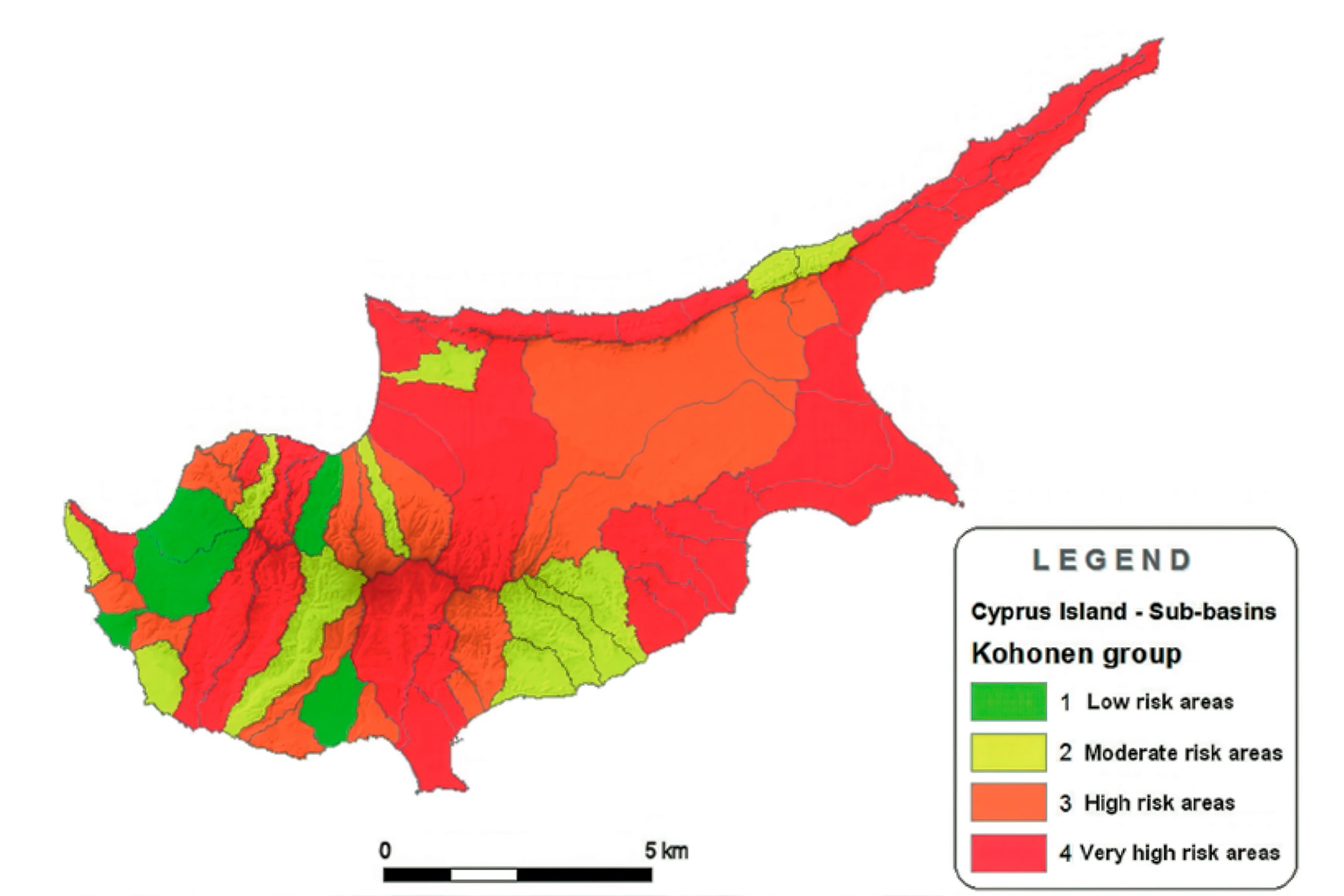
Invasive alien species threaten native biodiversity by competing for resources, predating on endemic species, and altering habitats. Wild boar, introduced to Cyprus, damaged native vegetation before eradication efforts succeeded in removing them from major forest areas. Marine invasive species entering through the Suez Canal colonize Cypriot waters, affecting native fish populations and marine ecosystems.
Forest fires, both natural and human-caused, damage habitats and kill wildlife. Fire frequency and intensity may increase with climate change, creating additional stress on already threatened ecosystems. Diseases transmitted between domestic livestock and wildlife pose risks to rare species like the mouflon. Conservation programs must address these interconnected threats through integrated management approaches.
Agriculture and Biodiversity
Agricultural landscapes cover approximately 48% of Cyprus, making farming practices crucial for biodiversity conservation. Traditional small-scale farming created beneficial habitat mosaics with varied crops, fallow fields, stone walls, and hedgerows that supported diverse species. Modern intensive agriculture with heavy chemical inputs, irrigation, and monocultures reduces biodiversity value.
The EU Common Agricultural Policy influences farming practices through subsidies and requirements. Agri-environment schemes reward farmers for biodiversity-friendly practices like maintaining field margins, reducing pesticide use, and preserving traditional farming methods. Integrating biodiversity conservation into agricultural policy represents a key challenge for achieving conservation goals while maintaining food production.
Overgrazing by sheep and goats degrades vegetation in some areas, reducing plant diversity and causing soil erosion. Managing grazing pressure in protected areas requires balancing conservation needs with traditional pastoral livelihoods that have shaped Cypriot culture for thousands of years.
Marine Biodiversity Protection
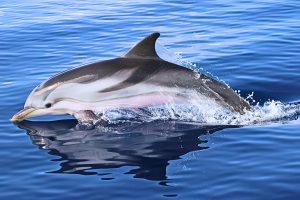
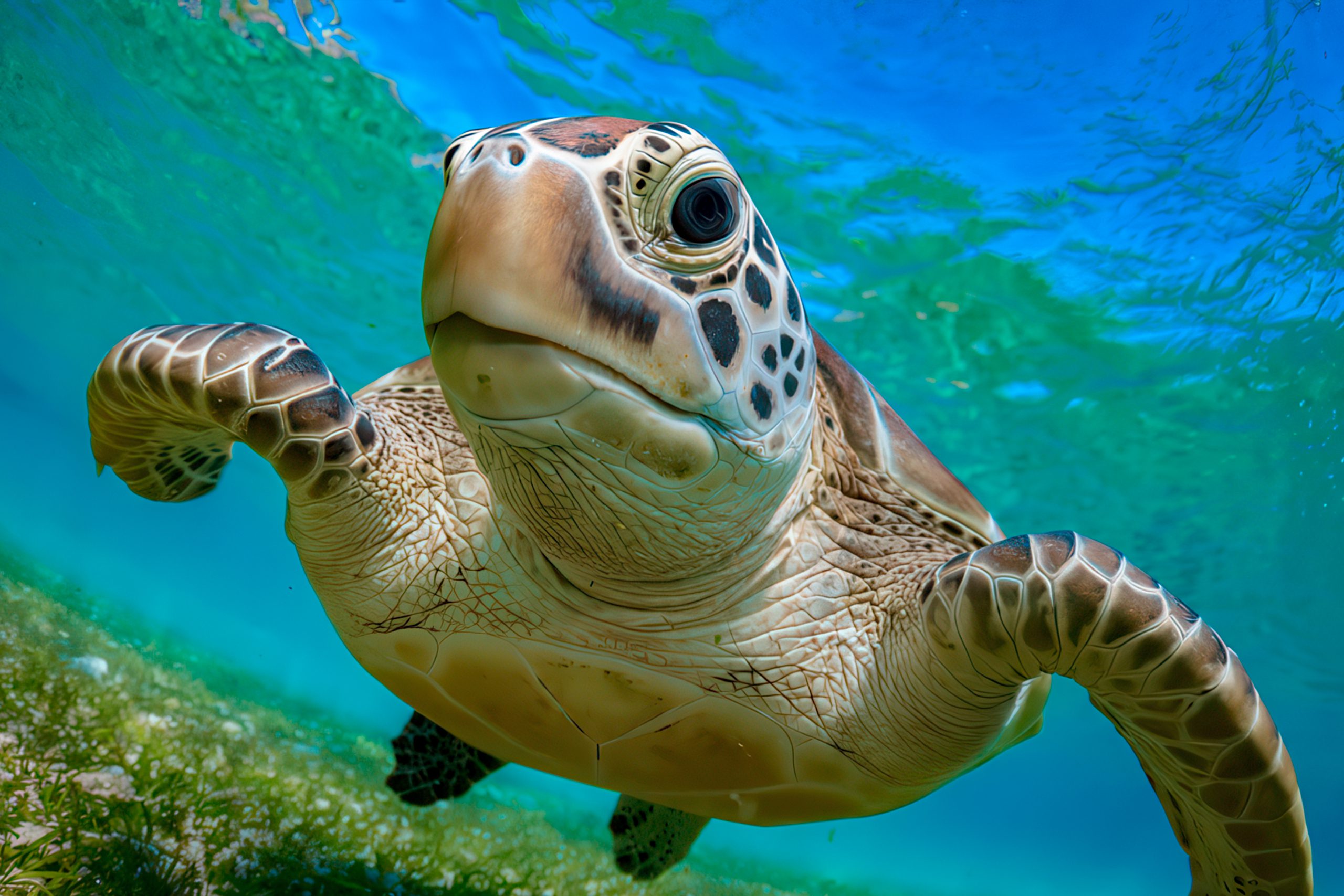
Cyprus’s marine environment harbors rich biodiversity, including sea turtles, the critically endangered Mediterranean Monk Seal, and over 80 fish species. Marine protected areas within the Natura 2000 network safeguard crucial habitats like seagrass beds, rocky reefs, and sandy bottoms that support diverse marine life.
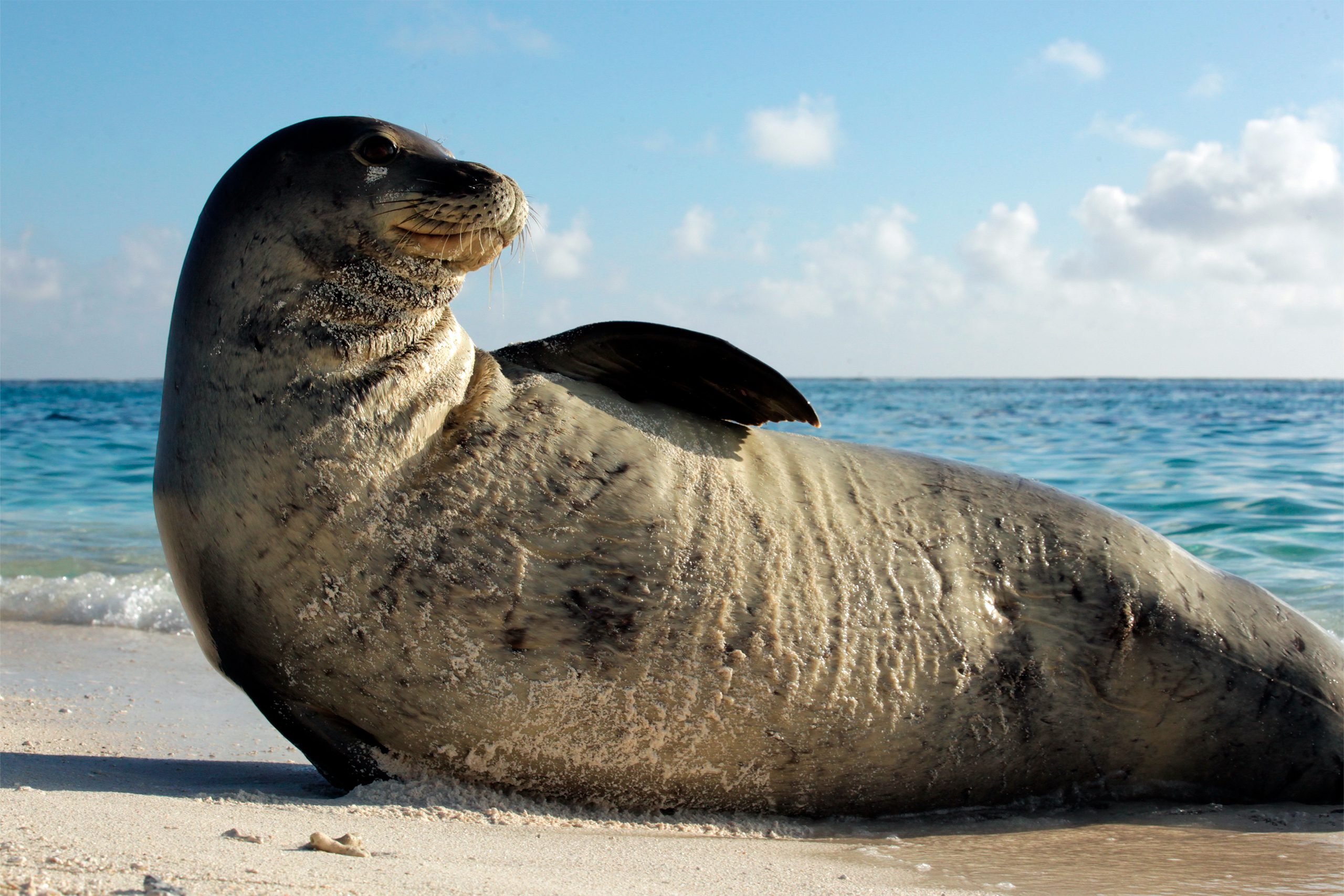
Overfishing threatens fish populations and marine ecosystem balance. EU fisheries policies regulate catch limits, fishing methods, and protected species, but enforcement challenges remain. Balancing fishing industry needs with conservation requires ongoing negotiation and adaptive management.
Marine pollution from ships, coastal development, and agricultural runoff affects water quality and marine habitats. Plastic pollution poses particular risks to sea turtles and seabirds that mistake debris for food. Addressing marine threats requires international cooperation since ocean currents carry pollution across national boundaries.
Why Cyprus Biodiversity Matters Today
Cyprus’s endemic species represent irreplaceable genetic diversity that took millions of years to evolve. Once lost, these unique life forms cannot be recreated. The island serves as a natural laboratory for studying evolution, adaptation, and ecosystem processes. Scientific knowledge gained from Cyprus biodiversity research contributes to global understanding of how species respond to island environments, climate change, and human pressures.
Protected ecosystems provide essential services including water filtration, soil formation, pollination of crops, pest control, and climate regulation. Forests prevent erosion, regulate water flow, and store carbon. Wetlands filter pollutants and provide crucial stopover habitat for migratory birds traveling between Europe and Africa. Maintaining these ecosystem functions supports agriculture, tourism, and human wellbeing.
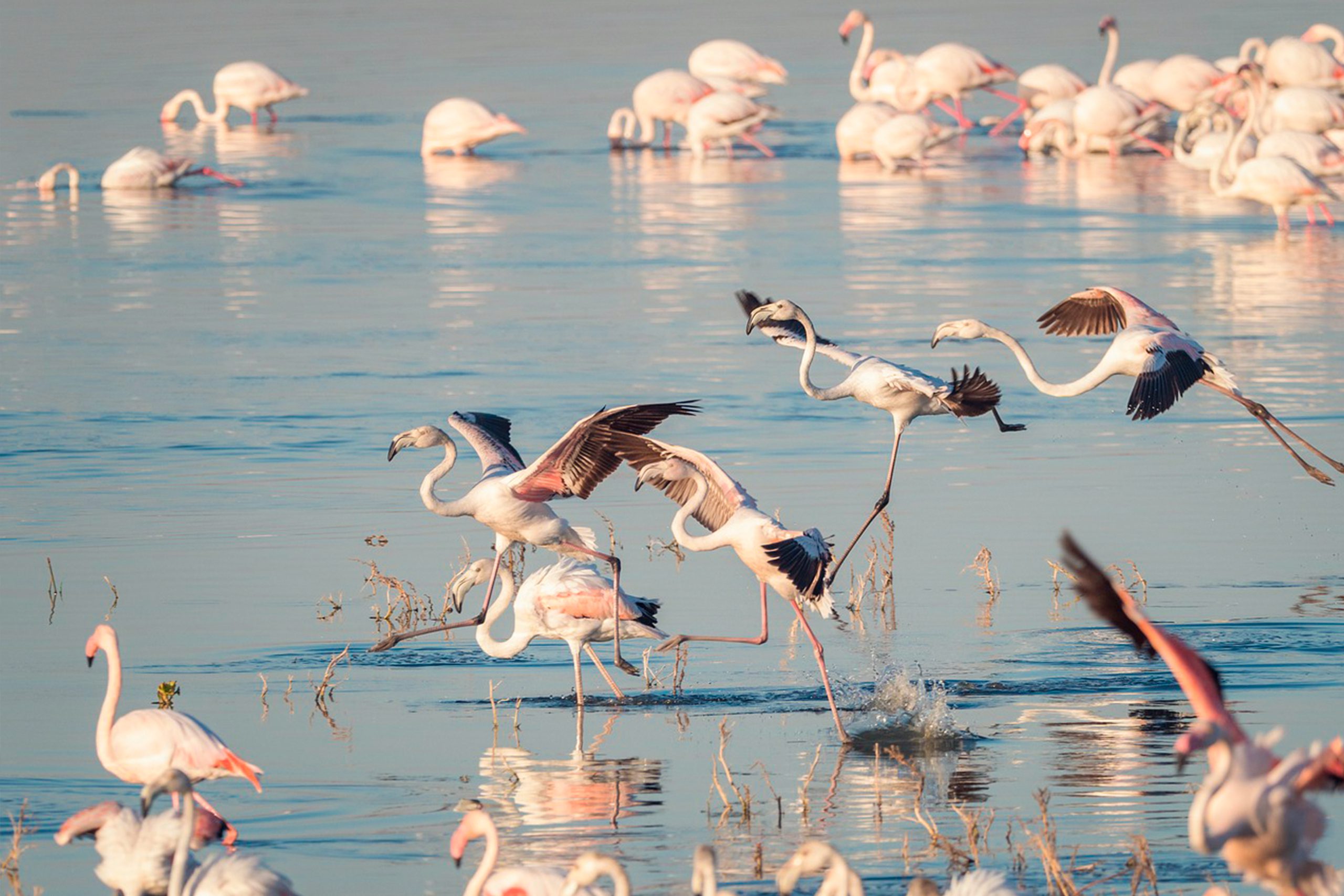
Cyprus’s position on major bird migration routes gives the island special responsibility. Millions of birds pass through Cyprus twice yearly, connecting breeding grounds in Europe with wintering areas in Africa. Protecting stopover habitats and preventing illegal bird trapping ensures healthy bird populations across three continents.
Nature-based tourism generates economic value while supporting conservation. Visitors come to Cyprus to experience unique species, observe spring wildflower displays, and explore diverse landscapes. Sustainable eco-tourism creates jobs and revenue in rural areas, providing economic alternatives to environmentally destructive activities. This demonstrates that conservation and economic development can align rather than conflict.