Christmas and New Year celebrations in Cyprus blend Orthodox Christian devotion with ancient folklore and Mediterranean hospitality. The festivities span from December 25 through January 6, creating a 12-day period known as the Dodekaimera or Twelve Days of Christmas. Unlike Western traditions, Cypriots exchange gifts on New Year’s Day rather than Christmas, honoring Saint Basil instead of Santa Claus.
The celebrations feature midnight church services, children singing Byzantine-era carols called Kalanda, elaborate family feasts with roasted meats and special sweets, and folk beliefs about mischievous goblins called Kalikantzari. The period concludes with Epiphany water blessing ceremonies that purify homes and drive away evil spirits. These traditions maintain cultural continuity across generations while bringing families together during winter’s darkest days.
The 40 Day Fast and Christmas Preparations
Devout Orthodox Cypriots observe a 40-day fast before Christmas called the Nativity Fast, which begins on November 15. During this period, observant believers abstain from meat, dairy, eggs, and fish with backbones on most days. The fast aims to prepare believers spiritually for Christ’s birth through self-discipline and reflection. Modern practice varies, with younger urban Cypriots often following modified versions or focusing fasting efforts on Holy Week before Easter.
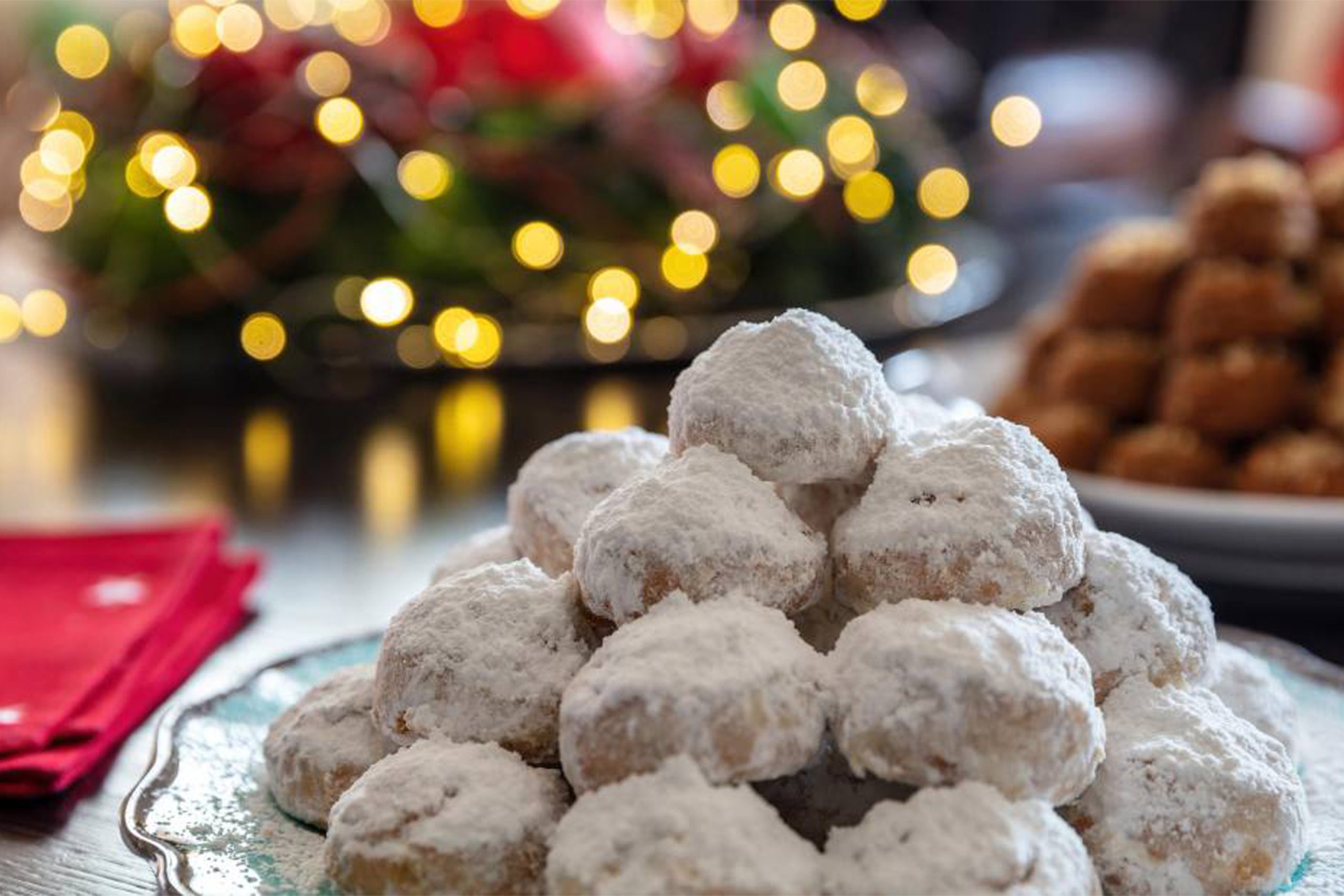
December brings intensive house cleaning, shopping for new clothes and shoes, and early preparation of traditional sweets. Families purchase ingredients for melomakarona, honey-soaked cookies with walnuts and cinnamon, and kourabiedes, butter cookies covered in powdered sugar and often flavored with rose water. These sweets require time to prepare properly and improve with age, making early baking essential. The aroma of baking cookies signals Christmas’s approach throughout Cypriot neighborhoods.
Christmas Eve Kalanda and Church Services
On Christmas Eve, groups of children carrying small triangles, tambourines, and drums travel door to door singing Kalanda, traditional carols dating to Byzantine times. The songs announce Christ’s birth, offer blessings to households, and wish prosperity for the coming year. Homeowners reward carolers with coins, sweets, or fruit. This custom connects modern children to centuries of tradition, though urban areas have seen decline due to safety concerns about children visiting strangers’ homes.

Many Cypriots attend Midnight Mass on Christmas Eve, filling churches for services that include hymns, prayers, and readings of the Nativity story. The liturgy emphasizes the theological significance of God becoming human through Jesus’s birth. After services conclude around 1:00 or 2:00 AM, families return home for a late meal breaking the Nativity Fast. Avgolemono, a traditional egg and lemon rice soup, often serves as the first dish consumed after weeks of restricted eating.
Christmas Day Feasts and Family Gatherings
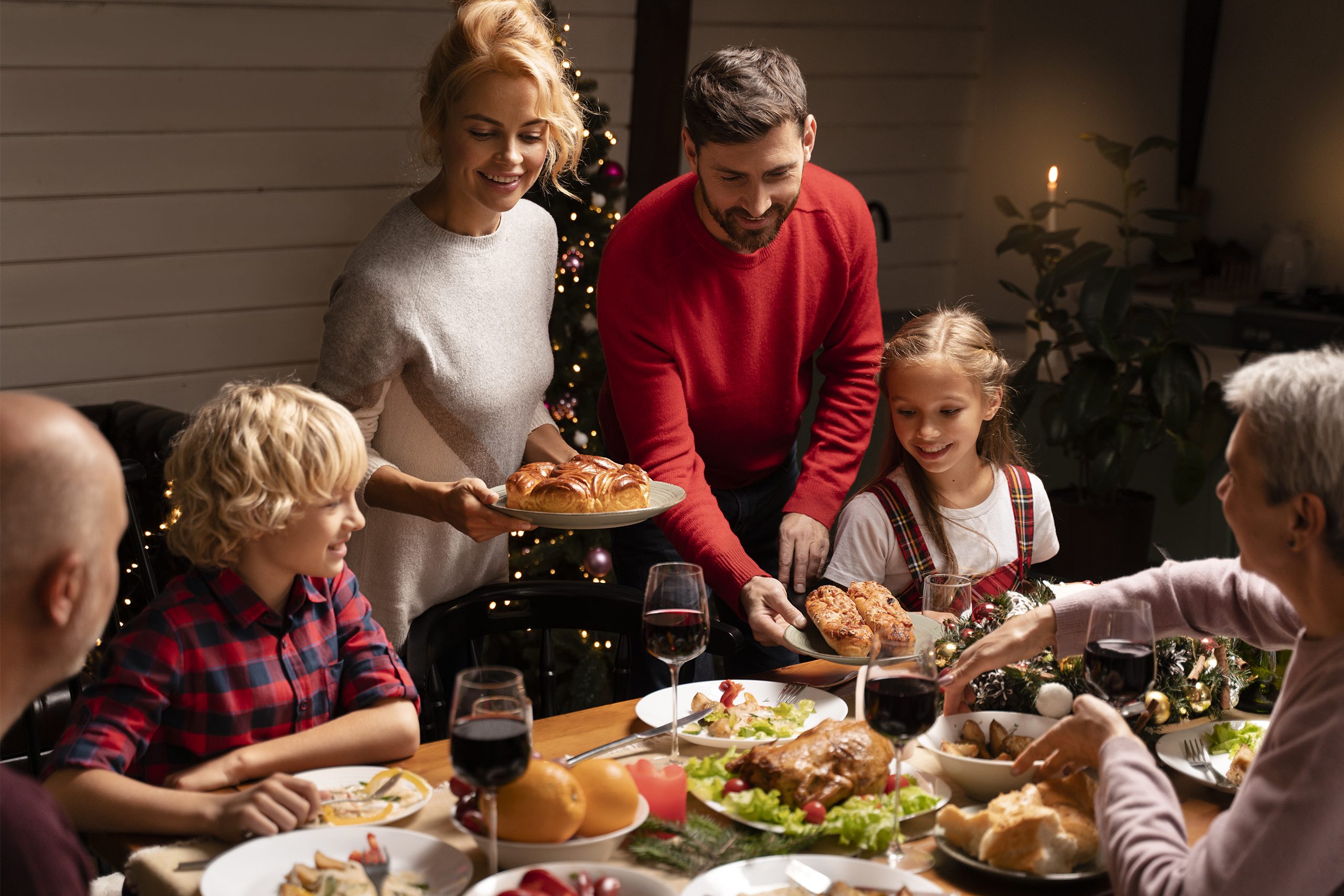
Christmas Day centers on elaborate family meals that reunite extended relatives. The feast traditionally features roasted pork, as village families historically slaughtered a pig purchased on Palm Sunday and fattened throughout the year. Some meat was salted or smoked with coriander to create loukanika sausages enjoyed on Christmas Day. Modern celebrations may include roast turkey stuffed with rice, chestnuts, and vegetables, lamb souvla cooked on charcoal spits, or other meats.
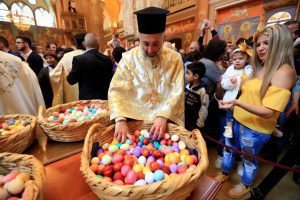
Side dishes include moussaka, stuffed vine leaves, grilled halloumi cheese, and seasonal vegetables. The table overflows with melomakarona and kourabiedes cookies prepared in preceding weeks. Families greet each other with “Hronia Polla,” meaning many happy years, and share wine throughout the meal. The abundance contrasts sharply with the fasting period’s restrictions, creating a sense of celebration and gratitude.
Older village traditions included crossing an olive leaf by the fireplace, making a wish to Saint Basil, and tossing it into the fire. If the dry leaf jumped up after entering the flames, tradition held that the person you loved reciprocated your feelings. This divination practice connected Christmas celebrations to concerns about romance and future marriage prospects.
New Year’s Eve and Saint Basil’s Day
New Year’s Eve serves as the major gift-giving occasion in Cyprus rather than Christmas Day. Saint Basil, known as Agios Vasilis in Greek, fulfills the role of gift-bringer similar to Santa Claus in Western traditions. Children go to bed on December 31 expecting to wake on January 1 to presents under the Christmas tree. Parents leave a piece of vasilopita cake and wine for Saint Basil, mirroring Western traditions of cookies and milk for Santa.
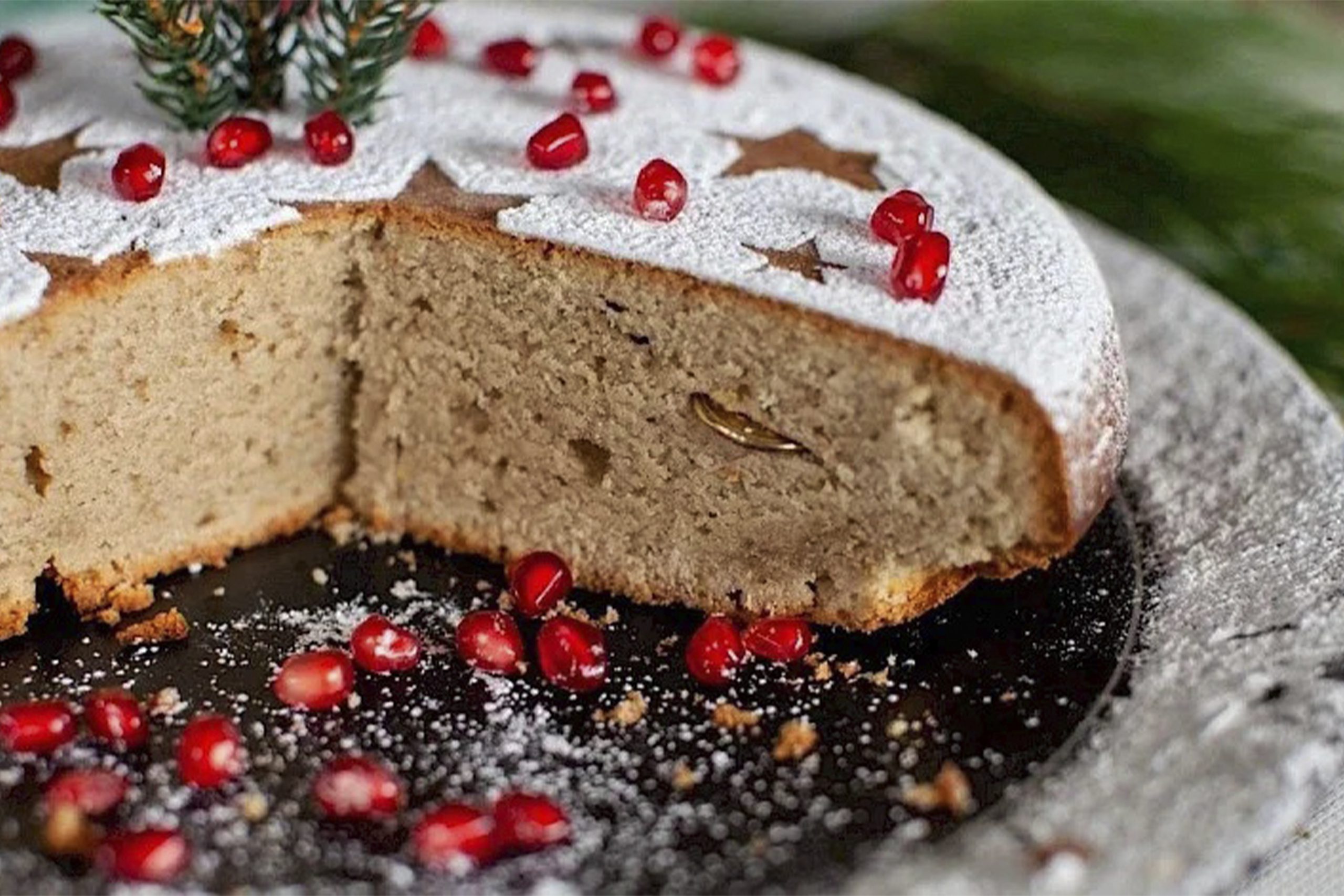
Vasilopita, Saint Basil’s cake, holds central importance in New Year celebrations. This sweet bread or cake contains a hidden coin baked into the dough. The family head cuts the cake on New Year’s Day in the presence of all family members, with the first slice dedicated to Saint Basil or Christ, the second to the house itself, and subsequent slices distributed to family members by age. Whoever receives the slice containing the coin enjoys good luck for the entire year. The tradition commemorates a legend where Saint Basil baked valuables into loaves of bread to return them to Caesarea citizens after a siege was lifted.
The renewal of waters ritual occurs on New Year’s Day, where all water containers in the house are emptied and refilled with fresh Saint Basil’s Water. This act symbolizes purification and new beginnings for the coming year. Some families maintain a shallow wooden bowl with a basil sprig wrapped around a wooden cross, dipping it in holy water daily to sprinkle rooms and keep evil spirits away.
Epiphany Water Blessing Ceremonies
January 6 marks Epiphany, called Theophania or Ta Phota meaning The Lights in Greek, commemorating Christ’s baptism in the Jordan River. This feast day concludes Christmas celebrations and drives the Kalikantzari back underground. Priests perform the Great Blessing of Waters service in churches, consecrating water believed to possess healing properties throughout the year. Families keep bottles of this blessed water near their icons for use when needed.
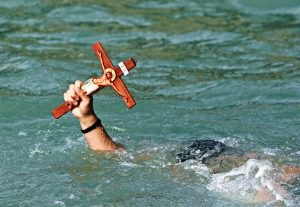
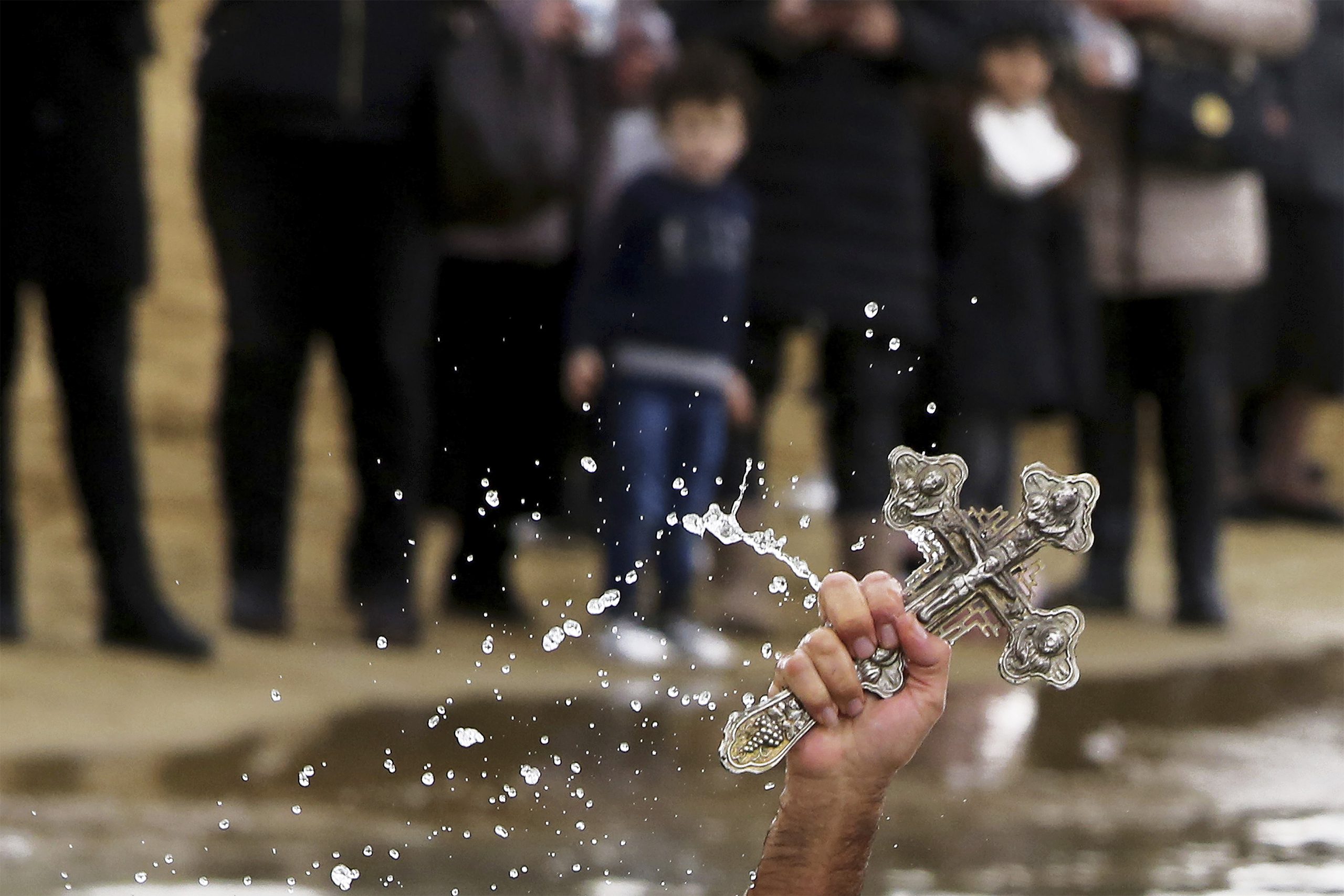
After church services, priests visit homes to perform agiasmos, sprinkling holy water in each room to bless inhabitants and expel any remaining Kalikantzari. In coastal towns and cities, priests lead processions to harbors, seas, rivers, or lakes where they throw a cross into the water. Young men and occasionally brave women dive into the cold winter water, competing to retrieve the cross. The successful diver receives blessings for the entire year and often a small monetary prize.
In past generations, children sang special Epiphany Kalanda on January 5, though this tradition has largely disappeared from urban areas. Housewives prepared kserotiana or loukoumades, doughnut-like treats soaked in honey syrup, throwing some onto rooftops as final offerings to departing Kalikantzari. The combination of blessed water, religious ceremony, and folk practice marked the transition from sacred Christmas time back to ordinary days.
Modern Celebrations and Cultural Continuity
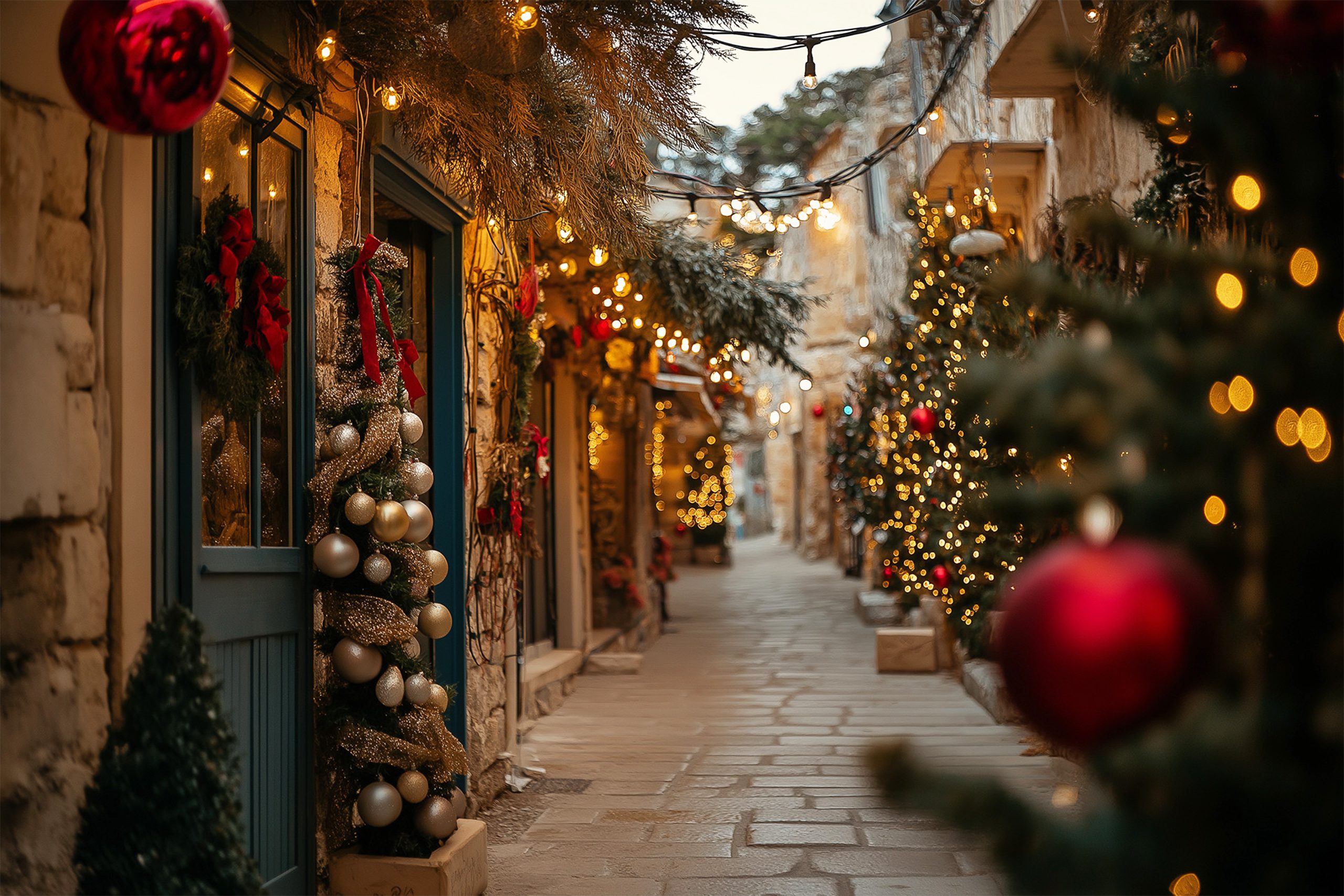
Contemporary Cyprus has adopted some Western Christmas customs while maintaining distinctive local traditions. Christmas trees became popular during British colonial rule from 1878 to 1960 and now appear in most homes alongside traditional religious symbols. Cities decorate public squares with lights and organize Christmas markets selling local crafts, holiday treats, and seasonal gifts. Limassol Marina, Nicosia’s old town, and Paphos harbor feature elaborate decorations that blend historic architecture with festive illumination.
Shopping reaches peak intensity in December as Cypriots purchase new clothes, a traditional requirement for Christmas, along with ingredients for holiday cooking and gifts for New Year’s exchange. The commercial aspects coexist with religious observance, creating layered celebrations that satisfy both spiritual and social needs. Hotels offer special Christmas and New Year packages combining traditional meals, entertainment, and accommodation for families and tourists.
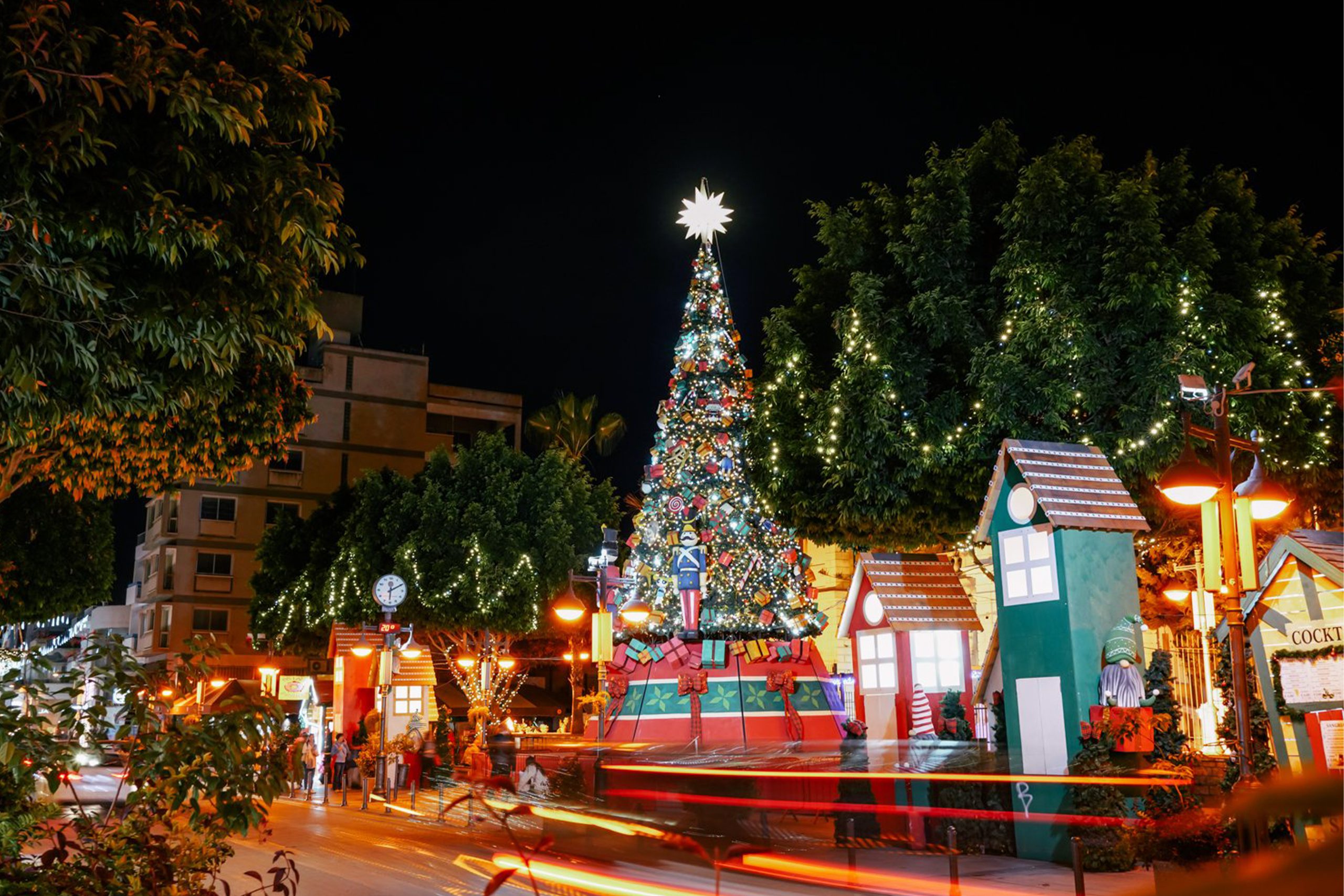
Despite modernization, core traditions persist. Children still sing Kalanda in villages and some urban neighborhoods. Families continue baking melomakarona and kourabiedes in quantities sufficient to offer guests throughout the season. The vasilopita cake cutting ceremony remains central to New Year celebrations. Church attendance stays strong on Christmas Eve and Epiphany, demonstrating continued religious engagement even among less observant Cypriots.
Experiencing Christmas as a Visitor
Visitors to Cyprus during Christmas find a unique blend of Orthodox tradition and Mediterranean hospitality. The mild winter climate, with temperatures around 15 to 17 degrees Celsius, allows outdoor activities impossible in northern Europe. Mountain villages in the Troodos range occasionally receive snow, creating picturesque winter scenes, while coastal areas remain temperate.
Tourists can attend church services as respectful observers, sample traditional Christmas sweets at bakeries and restaurants, and participate in public celebrations. Many tavernas prepare special Christmas menus featuring traditional dishes including avgolemono soup, roasted meats, and holiday sweets. The Christmas and New Year period offers opportunities to experience authentic Cypriot culture away from peak summer tourist season.
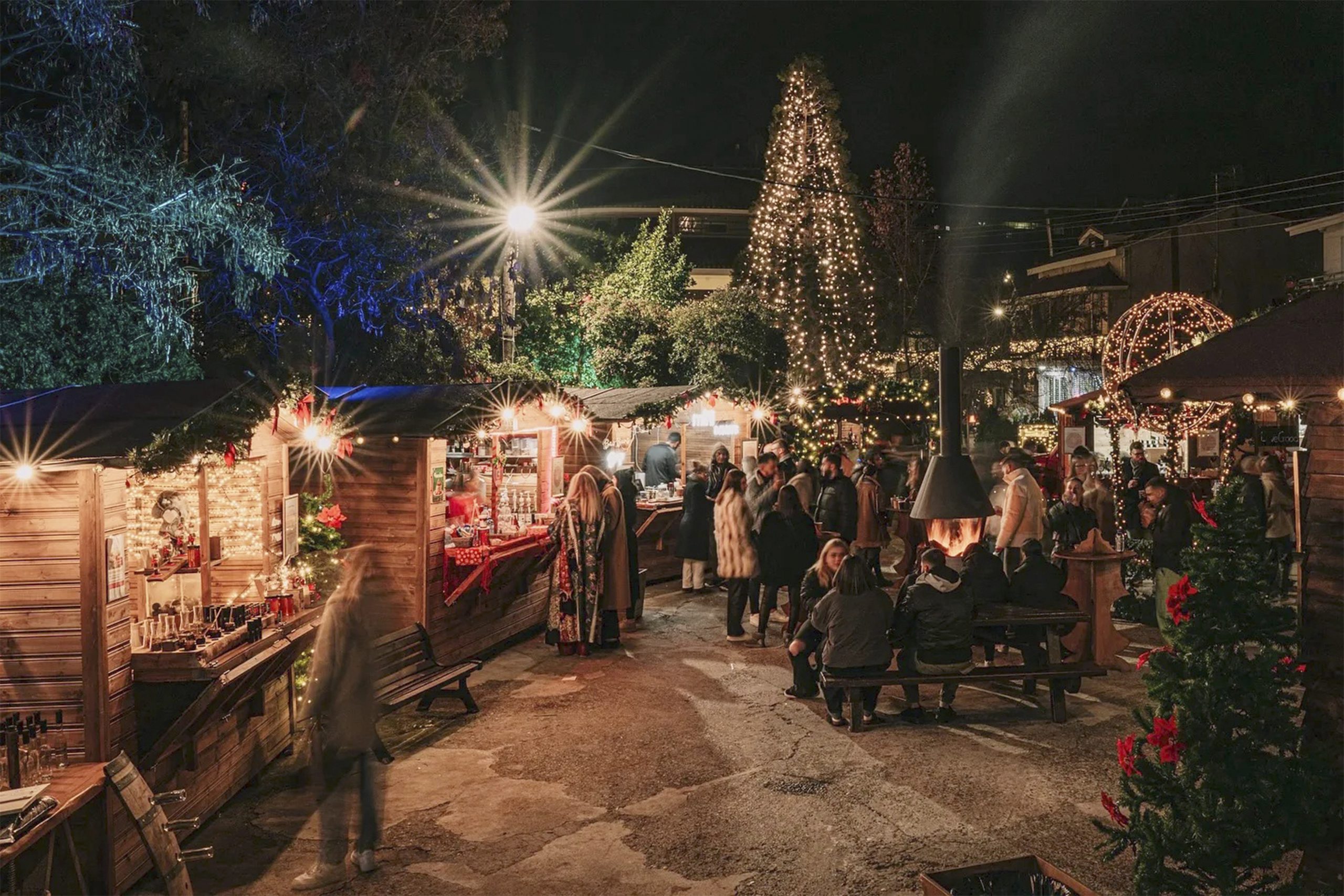
Christmas markets in major cities sell handmade crafts, local delicacies, and seasonal decorations. Concerts featuring traditional and modern music occur in public squares, often with free admission. The combination of religious solemnity, family warmth, folk traditions, and public festivities creates a holiday atmosphere distinct from both Western Christmas celebrations and other Orthodox communities.