Bread Village Baking Traditions Cyprus
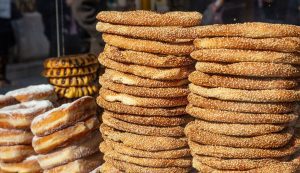
In Cypriot villages, bread has never been just food. It is routine, ritual, and social glue, baked in wood-fired ovens that anchor neighbourhood life. From ancient grain cultivation to communal baking days, village bread and pies reflect how Cypriots learned to survive drought, celebrate faith, and care for one another. This article explores how village baking worked, why it mattered, and how these traditions continue to shape Cyprus today. vkcyprus-com Where Daily Life Began: Wheat, Fire, and the Village Hearth For centuries, village life in Cyprus revolved around three constants: wheat, fire, and community. Bread was baked not occasionally, but rhythmically, setting the pace of domestic and social life. In rural areas, meals, hospitality, and even religious observance were structured around when the oven was fired and when fresh loaves emerged. Unlike urban bakeries, village baking was never anonymous. Each loaf carried the mark of a household, a season, and a shared oven. The act of baking was as important as the bread itself, turning daily sustenance into a collective ritual. The Land That Fed the Oven Cyprus’s central plains and foothills supported grain cultivation long before written history. Villages relied on locally grown wheat and barley, shaped by climate rather than industrial yield. Stone-milled flour retained bran and germ, producing darker, denser bread that was nourishing and durable. When…
Read more