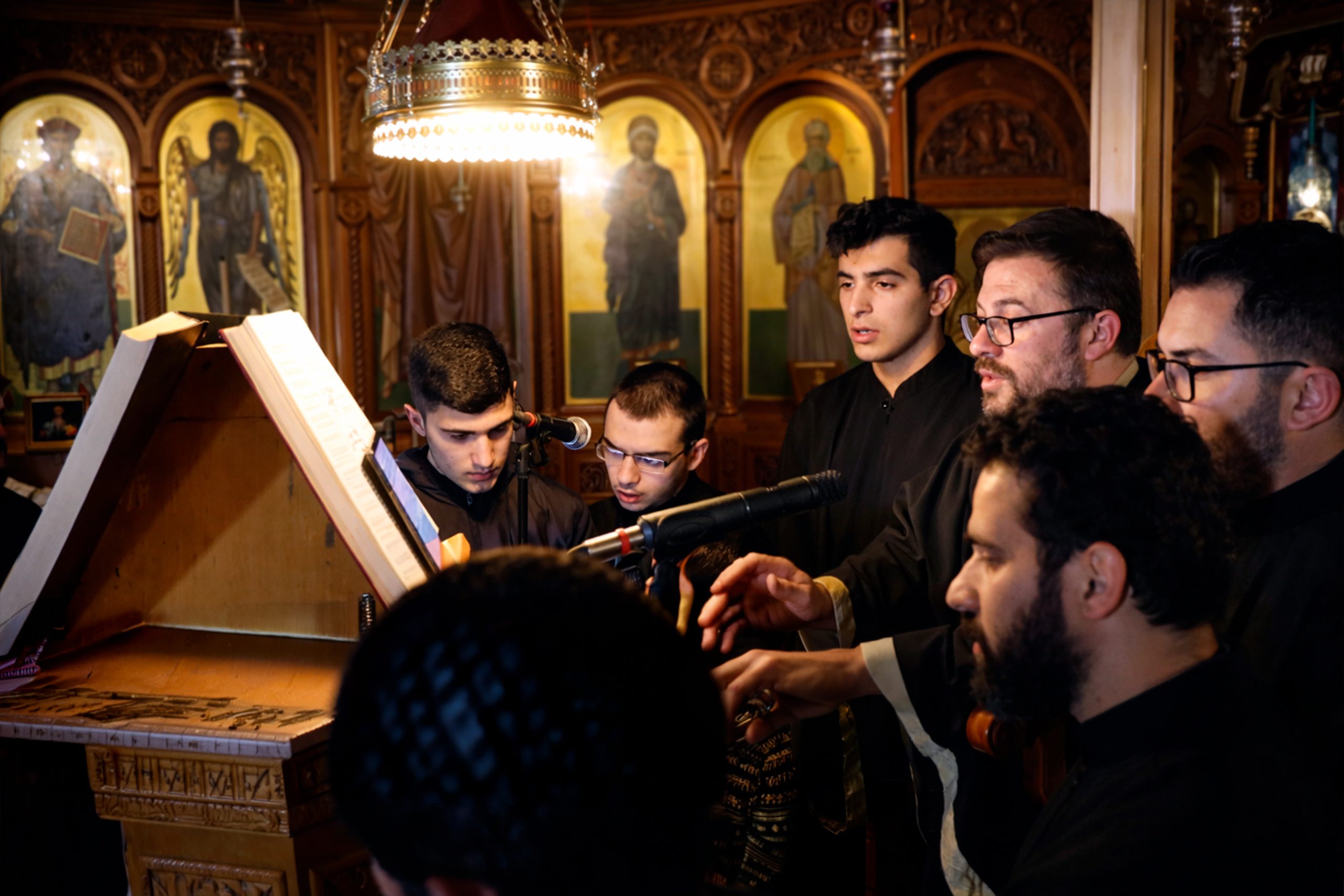
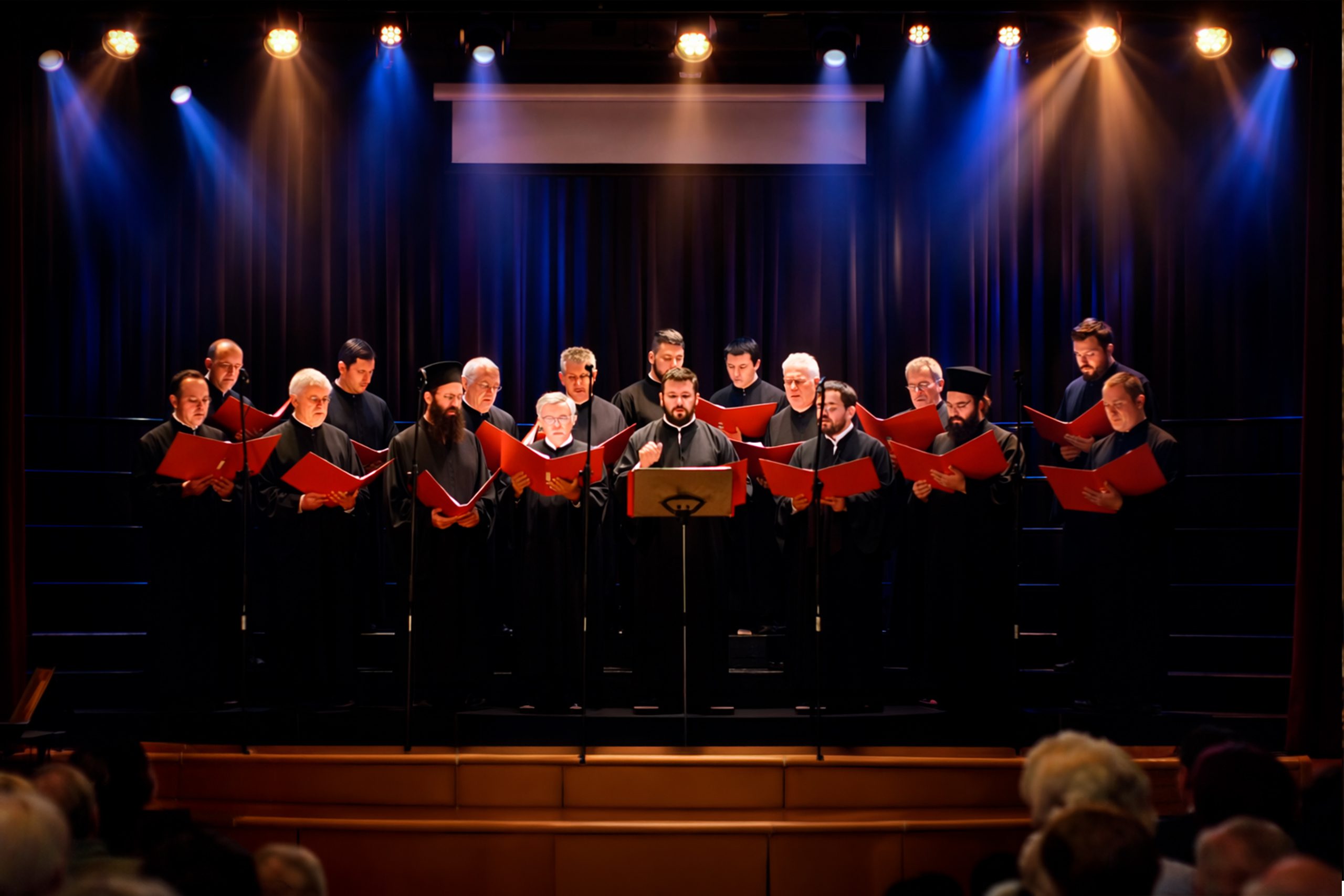
Byzantine Chant in Cypriot Style is a localized variant of Orthodox liturgical music, characterized by unique melodic phrasing and vocal delivery that distinguish it from mainland traditions. Preserved in monasteries and village churches across the island, it incorporates ancient modes with Cypriot inflections, blending spiritual depth with cultural expression. This form of chant reflects Cyprus’s role as a guardian of Byzantine heritage, evoking how sacred sound has shaped devotion for centuries.
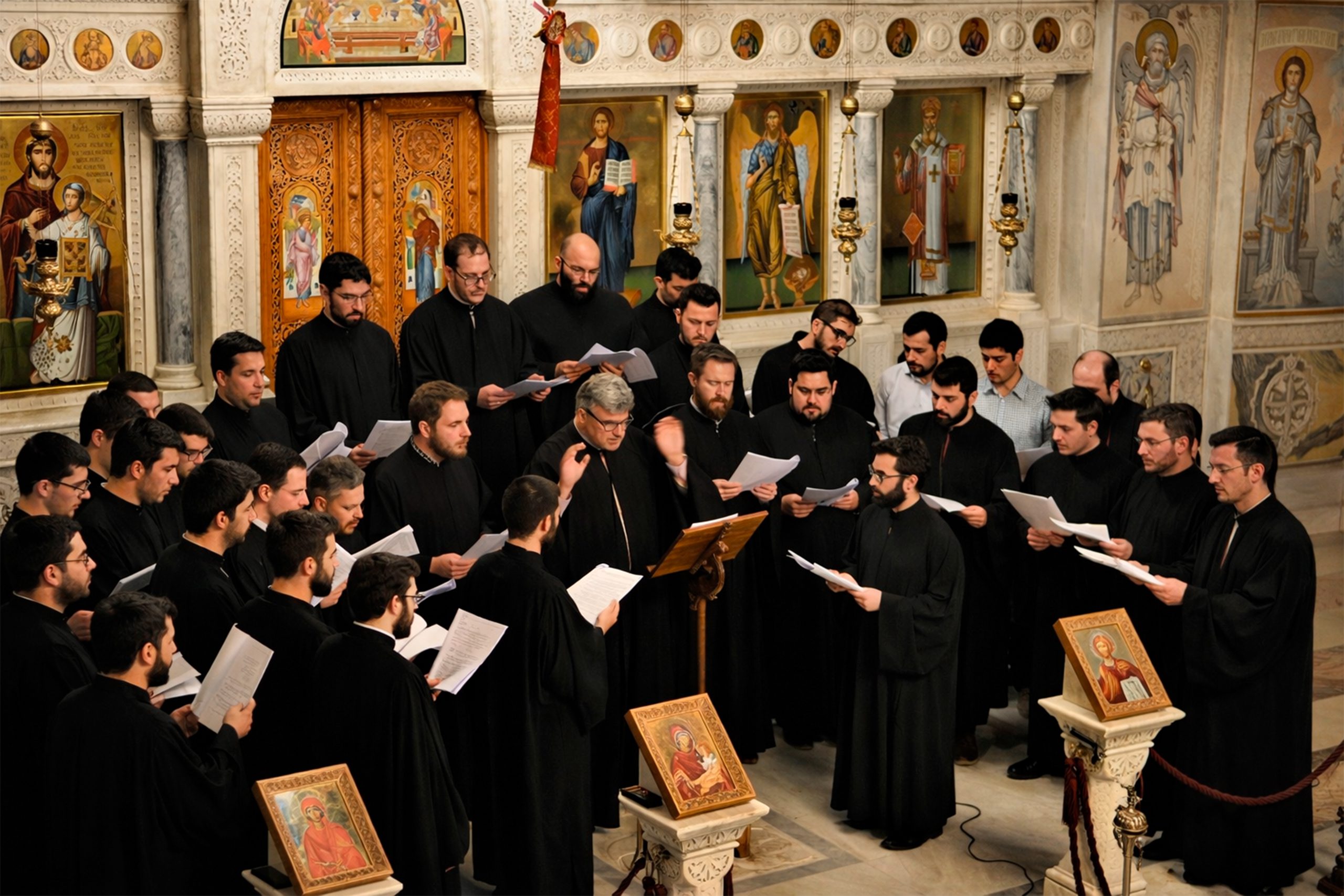
A Distinct Voice in Orthodox Liturgy
Byzantine chant in Cypriot style represents a regional adaptation of the Eastern Orthodox musical tradition, where melodies and rhythms carry theological meaning through voice alone. Developed over centuries in Cyprus’s isolated monasteries and rural churches, it features elongated notes, subtle ornamentation, and a nasal timbre that evoke emotion and reverence. This style not only accompanies services but also serves as a cultural anchor, preserving ancient hymnody while incorporating local dialects and rhythms. Its survival highlights Cyprus’s position as a crossroads of influences, where Byzantine purity met Mediterranean flavors, creating a chant that feels both timeless and intimately island-bound.
Historical Origins and Evolution
The roots of Cypriot Byzantine chant trace to the early Christian era, when the island adopted liturgical music from Constantinople around the 4th century AD. Apostles Barnabas and Paul introduced Christianity in the 1st century, as recorded in the Acts of the Apostles, setting the stage for hymnody. By the Byzantine period (4th–15th centuries), chant followed the octoechos system – eight modes (echoi) cycling weekly – but Cyprus developed variations due to its autonomy granted in 431 AD at the Council of Ephesus.
Monasteries like Kykkos (founded 1080 AD) and Machairas (1148 AD) became centers for chant preservation, with manuscripts from the 12th century showing Cypriot notations differing from mainland psaltiki (chant books). Arab raids (7th–10th centuries) isolated the island, allowing local phrasing to emerge – shorter melismas (extended notes on syllables) suited to rural acoustics, unlike the elaborate Constantinopolitan versions. Lusignan rule (1192–1489) introduced Western polyphony, but Cypriot chant resisted, absorbing subtle harmonies while keeping monophonic purity.
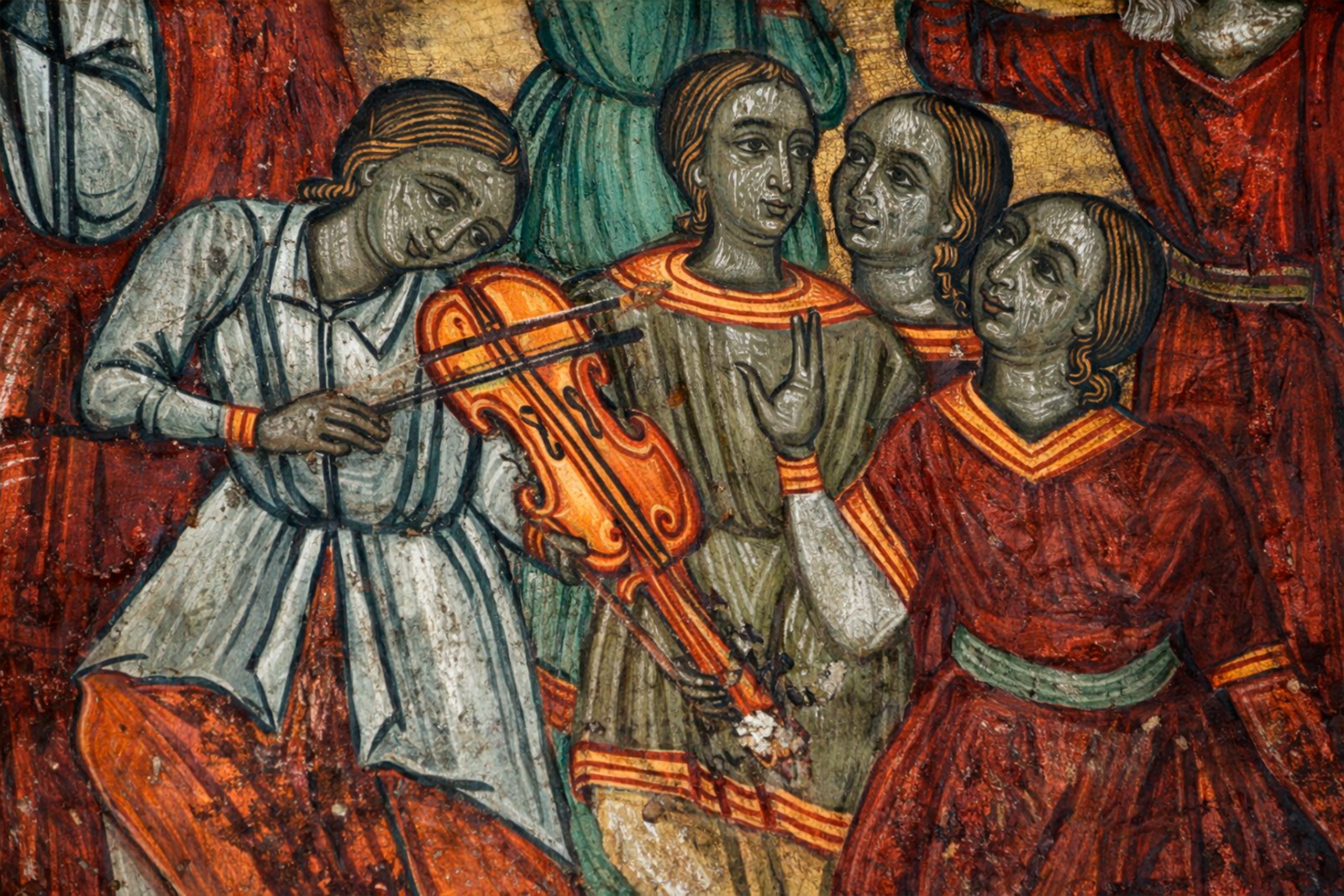
Venetian (1489–1571) and Ottoman (1571–1878) periods tested resilience; under Ottomans, the “millet” system allowed Orthodox self-governance, with chant taught orally in “psaltiria” schools. British colonial rule (1878–1960) documented it through ethnographers like Katharine Wolley in 1914, who noted village variations. Post-1960 independence and 1974 division, chant became a unity symbol, with UNESCO’s 2011 intangible heritage listing recognizing its role in preserving modes amid modernization.
Excavations at sites like Salamis have found 4th-century amphorae with musical notations, suggesting early hymn fragments. Ethnomusicologists like Kyriakos Moisidis have analyzed recordings from the 1950s, showing how Cypriot delivery – with glottal stops and microtonal bends – differs from Greek mainland chant, influenced by Arab maqams via Ottoman contact.
Characteristics of the Cypriot Style
Cypriot chant uses the octoechos modes but with distinct phrasing: elongated pauses on key syllables create contemplative space, while vocal delivery features a nasal resonance from throat techniques, producing a haunting timbre. Melodies follow “isokratima” – a drone hum by chanters – but Cypriot versions add subtle vibrato for emotional warmth. Rhythms are free-form, adapting to text, with “parallagi” – mode shifts – allowing improvisation within structure.
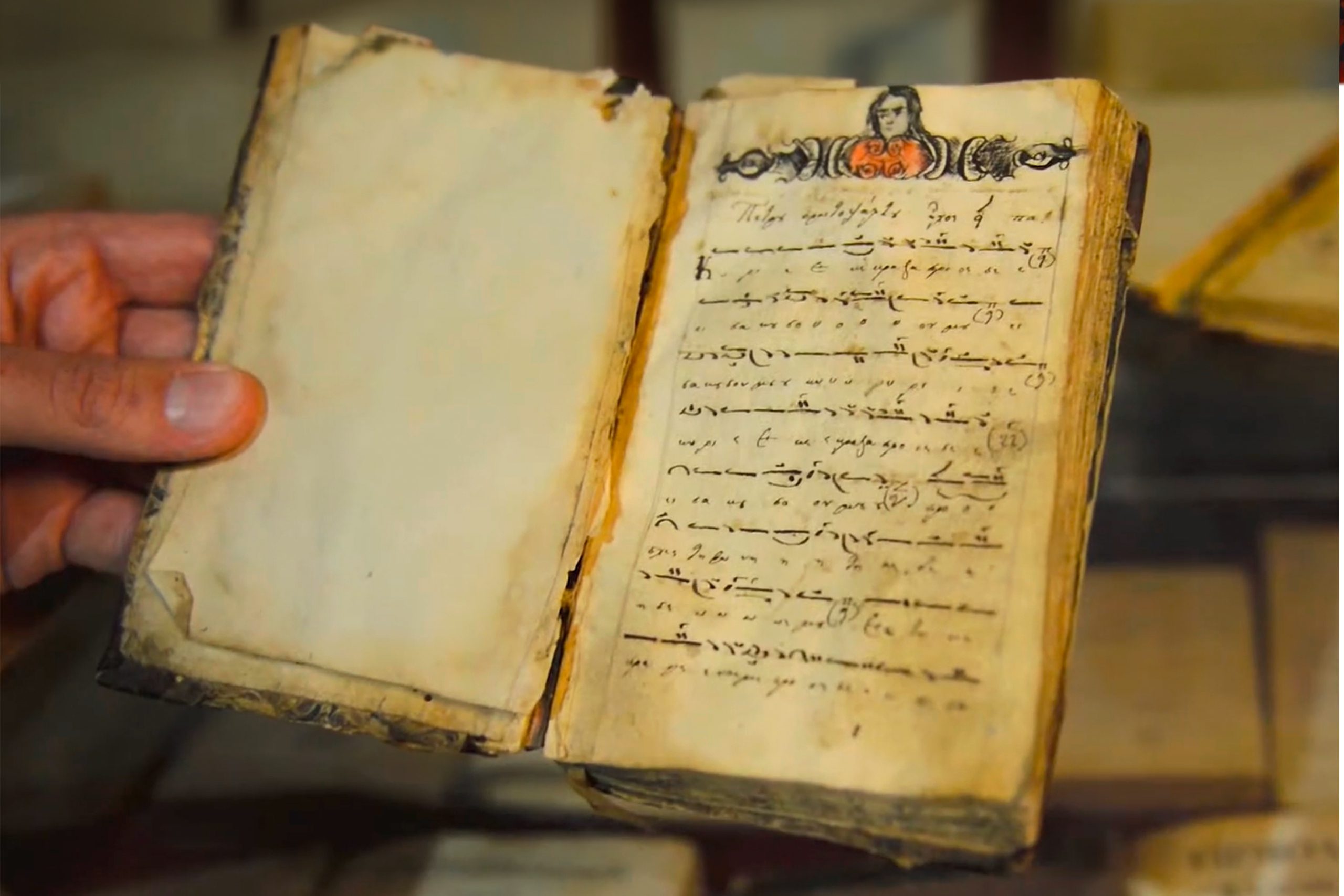
In monasteries, chant accompanies daily offices like Vespers, using neumatic notation from 10th-century manuscripts preserved at Machairas. Village churches simplify for lay participation, with “psaltes” (chanters) leading antiphonal singing where congregations respond. Modes like Plagal Fourth (for sorrow) or First (for joy) tie to liturgical calendar, with Cypriot inflections – flatter thirds or raised sevenths – echoing Eastern scales. This style’s a cappella nature, without instruments, emphasizes voice as divine instrument, a principle rooted in early Church fathers like John Chrysostom.
Regional variations exist: southern chant is more ornate, northern incorporates Turkish glissandi, reflecting Ottoman legacy. Training occurs in “psaltiki scholeia,” where masters teach by rote, preserving oral traditions that UNESCO praises for cultural transmission.
Fun Facts That Add Charm
In 1494, Goul painted frescoes in a chapel mentioning a chant school, linking art to music education. A quirky practice: chanters “warm up” with taxim-like improvisations, believed to invite the Holy Spirit, a custom noted in 18th-century traveler accounts by Richard Pococke. UNESCO listed it in 2011 alongside tsiattista, noting its role in modal preservation. Famous 20th-century psaltis Simon Karas recorded Cypriot variants in 1930s, influencing Greek revival. And in folklore, chant originated from angels teaching Saint John of Damascus, with Cypriot versions “softened by sea winds,” explaining their melodic flow.
One tale: during Ottoman times, a psaltis chanted so movingly that a pasha converted, as recounted in 19th-century chronicles by Archimandrite Kyprianos. Modern festivals feature “chant battles,” where psaltes compete in modes, echoing ancient contests.
Deeper Role in Faith and Society
The chant’s symbolism extends to theology: modes evoke emotions aligned with liturgical seasons, like Lenten sorrow in Plagal Second, drawing from ancient Greek ethos theory where music influenced soul. In monasteries, it structures daily horologion – eight services cycling modes – fostering discipline. Village churches use it for communal bonding, with antiphonal singing reinforcing hierarchy: lead psaltis sets tone, congregation responds, mirroring society’s order.
Socially, it preserved dialect amid foreign rule, with texts in medieval Greek keeping language alive. In divided Cyprus, it bridges communities – joint chants at events like the Kykkos Festival promote dialogue. Ethnomusicology at the Cyprus University of Technology analyzes its acoustics, noting how nasal delivery carries in stone churches, linking to Byzantine hagiology where voice emulates angelic song.
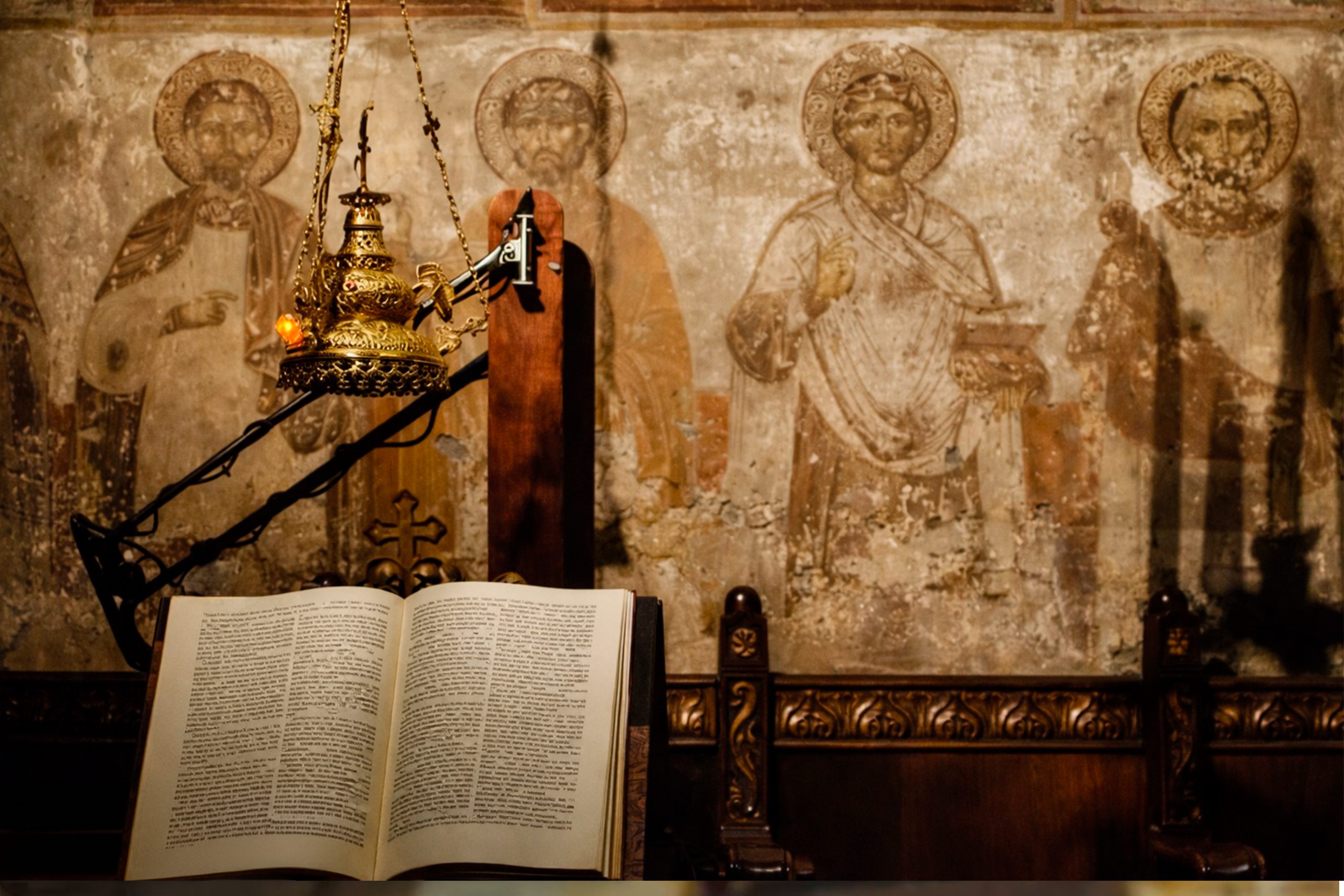
Influences from Arab maqams added microtones, traded via Ottoman millets, while Venetian polyphony introduced subtle harmonies in some variants, but purists kept monophony. This depth makes chant a cultural archive, preserving modes from the 8th-century octoechos system, influenced by Jewish psalms and Syrian hymns.
Byzantine Chant in Cyprus Today
In contemporary Cyprus, Byzantine chant endures as a living practice, with monasteries like Machairas hosting schools teaching traditional delivery. Amid 1974 division, it fosters unity, with bicommunal choirs performing at events like the Nicosia Festival. Climate change affects wood for instruments used in accompaniment, prompting sustainable sourcing. Artists like the Chronos Ensemble fuse it with jazz, while UNESCO’s 2011 listing spurred digital archives at the Centre of Cypriot Music Research. In a globalized world, it represents resilience, with online platforms sharing lessons for diaspora communities.
Opportunities for Exploration
Cultural centers like the Byzantine Museum in Nicosia host chant demonstrations, open daily for €4. Festivals like the Religious Music Festival in Limassol in July feature live performances, with workshops on modes. Guided tours through the Cyprus Tourism Organization cost €15-20, visiting monasteries like Kykkos for sessions. Spring or fall avoids heat, pairing with Troodos hikes where chant echoes in chapels. Many venues offer online recordings for remote access.
A Chant That Echoes Eternity
Byzantine chant in Cypriot style holds value as a localized guardian of Orthodox melody, where distinct phrasing and delivery preserve ancient modes in monasteries and churches. This isn’t just music; it’s a link to Byzantine roots, blending history with emotion in every note. Knowing it enriches appreciation for Cyprus as a spiritual crossroads. Engagement with its sound or mode evokes renewed wonder at cultural endurance. In a digital age, the chant affirms voice’s power to connect past and present.