Imagine a rugged hillside in Cyprus, where ancient cedars cling to rocky slopes and the air hums with the distant call of a hidden survivor. This is the realm of the Cyprus mouflon, a wild sheep that has roamed the island’s mountains for millennia, embodying the untamed spirit of Mediterranean wilderness. Let’s explore this elusive creature, a living link to Cyprus’ prehistoric past that still graces its landscapes today. Sadly, this endemic mammal is listed as Endangered in IUCN Red List.
A Gentle Giant of the Hills
The Cyprus mouflon, known scientifically as Ovis gmelini ophion, is a subspecies of wild sheep belonging to the broader family of Bovidae, which includes goats, antelopes, and cattle. These animals are ungulates – hoofed herbivores adapted to rugged terrains across Europe, Asia, and Africa and all modern sheep breeds are it’s descendants.
Zooming into zoological details, the Cyprus mouflon belongs to the Caprinae subfamily, sharing traits with ibex and wild goats but distinguished by its non-shedding wool and seasonal breeding cycles. Genetic studies reveal close ties to Anatolian and Iranian mouflons, with mitochondrial DNA suggesting a basal lineage from early domestication escapes. In Cyprus, the mouflon stands out as an endemic treasure, perfectly tuned to the island’s dry, mountainous environments, where it grazes and navigates steep cliffs with effortless grace.
Echoes of Ancient Journeys
The story of the Cyprus mouflon begins in the misty depths of geological time, when the Mediterranean Sea underwent dramatic changes. Around 10,000 years ago, during the Early Neolithic, humans likely introduced mouflon ancestors to Cyprus from the Anatolian mainland, as evidenced by archaeological finds. These early settlers, drawn to the island’s fertile soils and strategic position, brought sheep for sustenance, but some escaped or were released, evolving in isolation.
Over centuries, the mouflon intertwined with Cypriot folklore – ancient myths whisper of sacred rams guarding mountain spirits – and even influenced religious practices, symbolizing resilience in early Christian and pagan rites. Geologically, Cyprus’ uplift from the sea floor during the Miocene era created the Troodos Mountains, providing the perfect cradle for this species’ adaptation amid shifting climates and island isolation.
Graceful Forms in the Mist
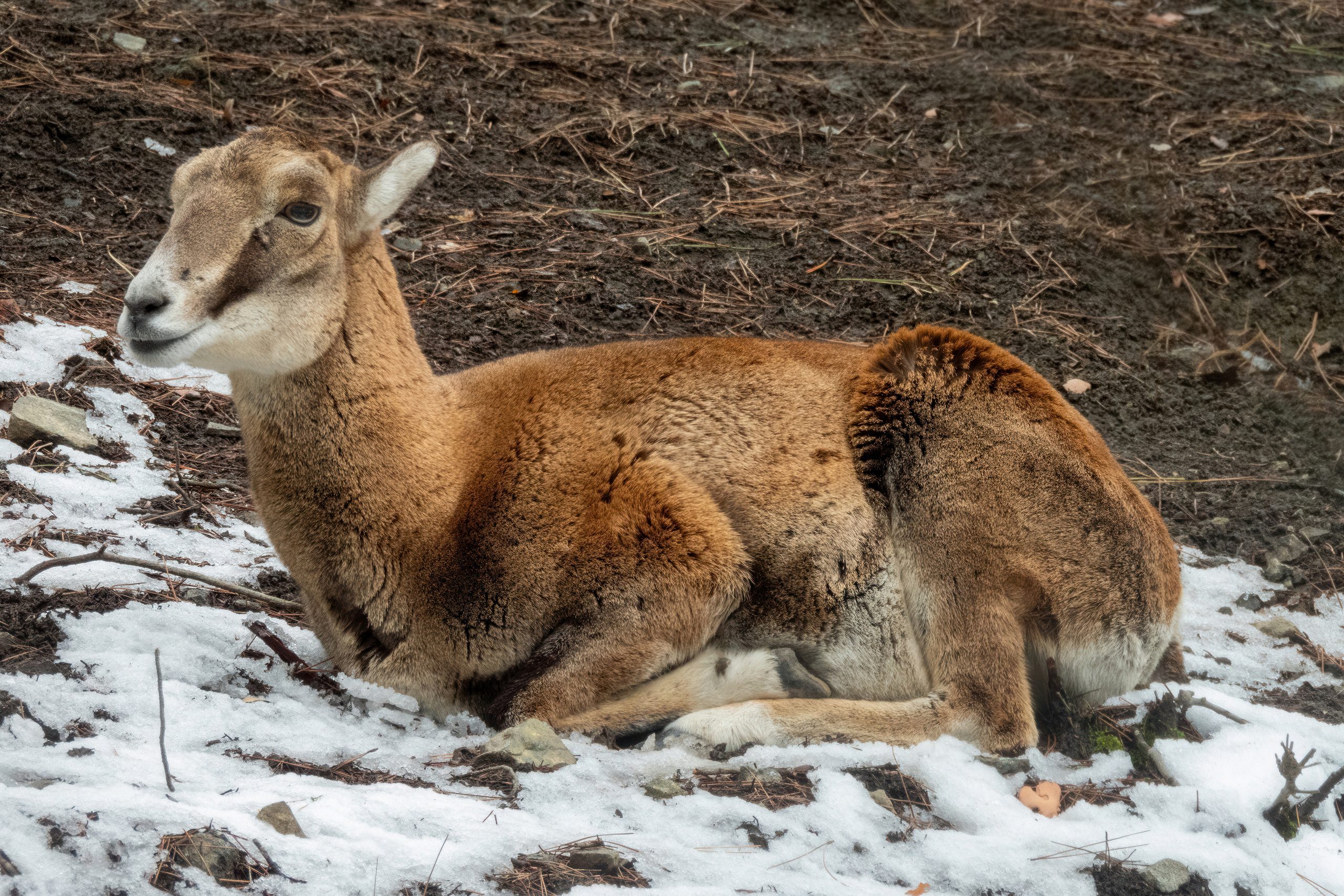
What makes the Cyprus mouflon truly captivating is its elegant yet sturdy build, honed by island life. Males, or rams, boast impressive curved horns that can span up to 85 centimeters, spiraling outward like ancient scrolls, while females, or ewes, have none at all. Their coats blend seamlessly with the rocky terrain – reddish-brown in summer fading to grayish in winter – allowing them to vanish like shadows among the pines.
Behaviorally, they form small herds, led by vigilant rams, and exhibit remarkable agility, leaping across boulders to evade predators, though absent in Cyprus. In the broader sheep family, they’re akin to the Asiatic mouflon (Ovis gmelini), but Cyprus’ isolation has sculpted a more compact form, weighing 25-35 kilograms (up to 50 for rams), adapted for sparse forage in pine forests and shrublands.
A Forest Feast Unveiled
The Cyprus mouflon, or Ovis gmelini ophion, is no picky eater it’s a versatile forager, munching on whatever the seasons serve up in its rugged home. Like many wild sheep in the broader Bovidae family, it balances grazing on soft greens with browsing tougher plants, adapting to the island’s dry spells and lush bursts. This flexibility keeps it thriving where resources ebb and flow.
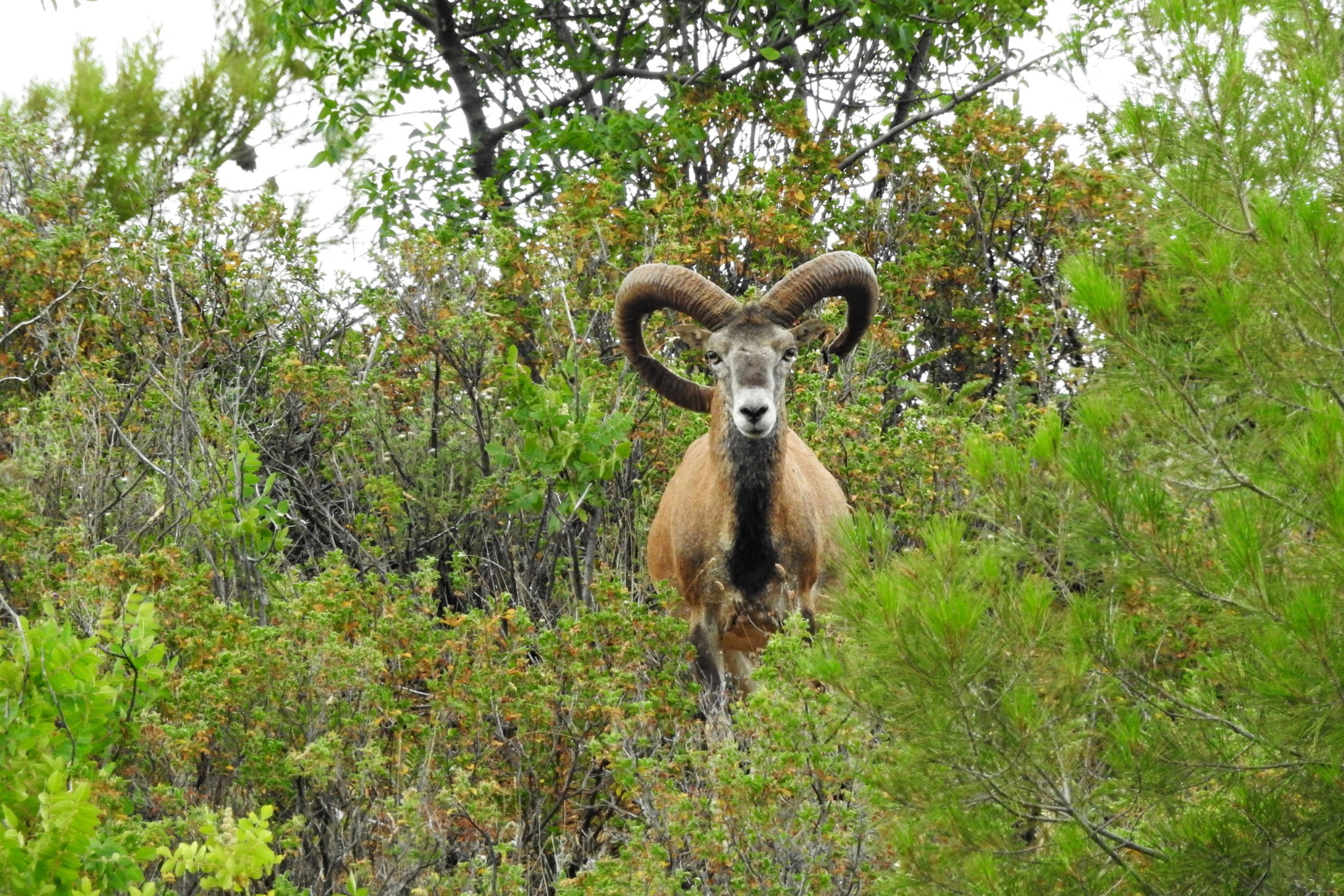
Botanically, the mouflon’s plate features stars like pine needles (Pinus brutia), golden oak acorns (Quercus alnifolia), and strawberry tree leaves (Arbutus andrachne), especially in spring at 20% of the diet. Fruits spike to key roles in cooler months, while grasses dominate year-round at 40-90%, depending on the spot. Zoologically, this rumen-powered digestion handles fibrous fare efficiently, echoing how other Ovis species ferment tough plants. Compared to Corsican or Sardinian cousins, Cyprus mouflon eat fewer bushes overall, save for winter, highlighting their unique island tweaks.
Quirky Tales from the Treetops
• Did you know the Cyprus mouflon is a master of mimicry? Rams have been observed rubbing their horns against aromatic shrubs like rockrose (Cistus spp.), perhaps to mask their scent from predators – a clever trick in a land where they came from – once roamed by wolves.
• Fun fact: during rutting season, males clash horns in dramatic duels that echo through valleys, a sound locals liken to thunderclaps from Zeus himself.
• Acorns are a hidden favorite for forest mouflon in autumn and winter, but researchers often underestimate them since only shells survive digestion – the soft insides vanish!
• Another quirky tidbit: These sheep spit out tough seeds while chewing their cud, leaving piles at rest spots, a behavior shared with island goats.
• And did you know they occasionally nibble mushrooms or lichens? It’s like a wild salad bar, with spring bringing tender tree sprouts and winter forcing a fruit-focused shift.
A Modern Guardian of the Peaks
Today, the Cyprus mouflon stands as a symbol of Cypriot conservation triumph. Once teetering on extinction in the early 1900s due to overhunting, protective measures by the Game and Fauna Service have boosted numbers to around 3,000 in the Paphos Forest reserve. In modern life, they embody eco-tourism’s rise, drawing birdwatchers and hikers to trails where their presence signals healthy ecosystems.
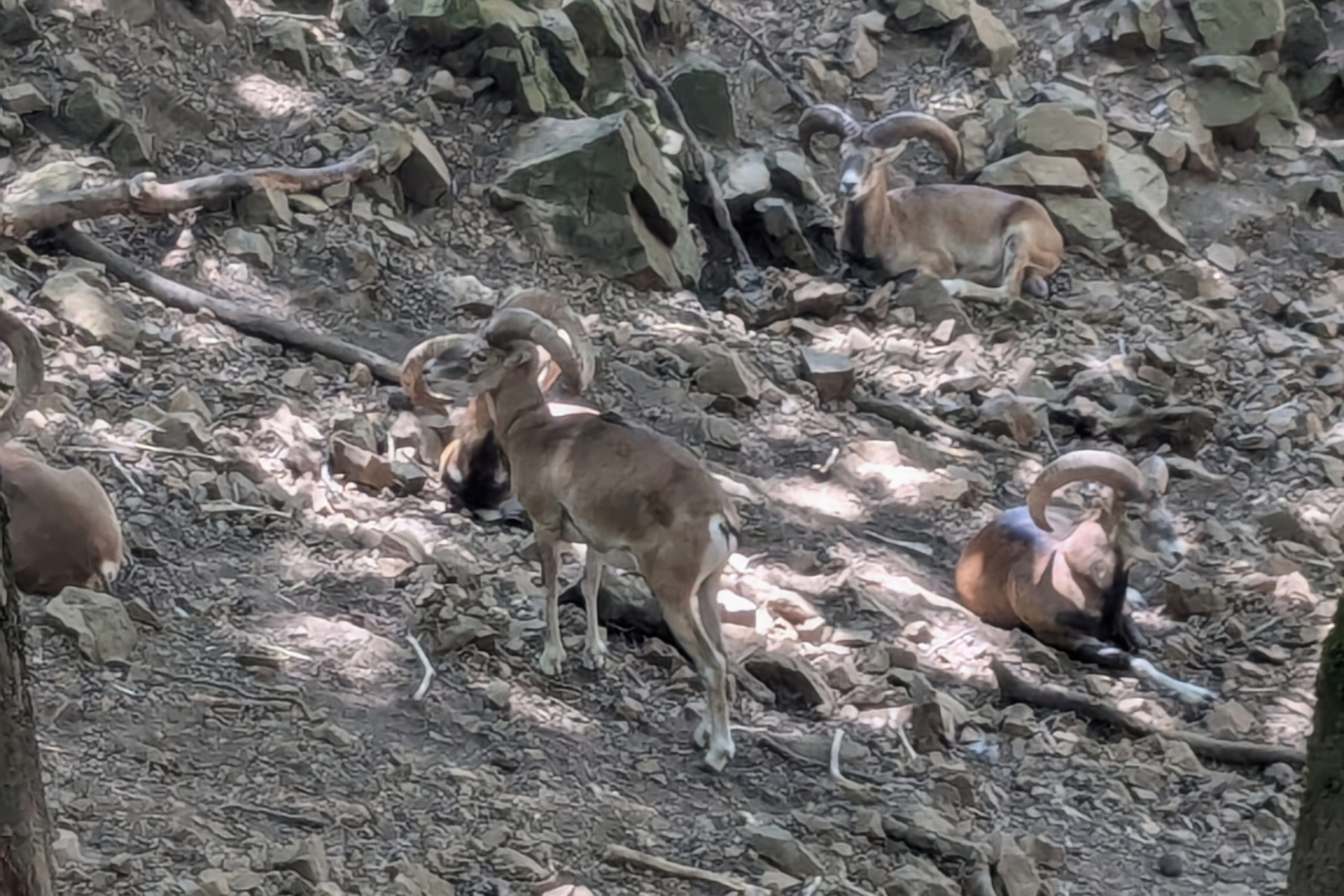
You’ve likely seen them before without realizing it they are the symbol of Cyprus Airways and are featured on the 1, 2, and 5 cent Euro coins of Cyprus!
Culturally, they’re woven into Cypriot identity featured in stamps, folklore festivals, and even wine labels from mountain vineyards. Yet, challenges persist: climate-driven droughts force them nearer human areas, risking disease from livestock, while invasive wild boars compete for scarce resources.
Spotting Shadows in the Cedar Groves
Spotting a mouflon is no simple feat; their shyness and agility make them masters of evasion, vanishing into thickets at a whisper. To glimpse a Cyprus mouflon, venture to the Troodos National Forest Park or Paphos Forest in spring or autumn, when herds are most active at dawn or dusk.
Guided eco-tours from Stavros tis Psokas station offer the best chances hike quietly along cedar-lined paths, binoculars in hand, and feel the thrill of spotting a ram silhouetted against the sunset. The experience is serene yet invigorating, like stepping into a living museum of Cyprus’ wild heritage, with the earthy scent of pines and distant bleats creating an immersive symphony of nature.
Why the Mouflon Matters to Cyprus’ Soul
In a world of rapid change, the Cyprus mouflon reminds us of nature’s quiet endurance, a thread connecting prehistoric migrations to today’s conservation battles. Worth knowing because it highlights Cyprus as a biodiversity jewel – a microcosm of Mediterranean resilience where geology, history, and wildlife entwine. By cherishing this endemic icon, we honor the island’s unique story, ensuring its wild whispers echo for generations.