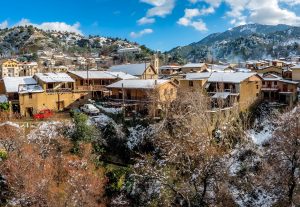
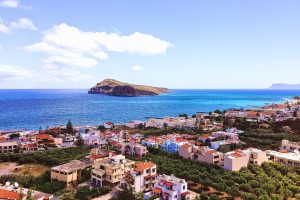
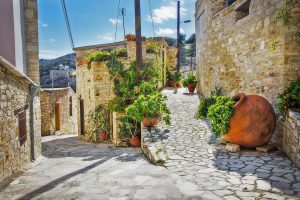
Cyprus villages offer something that coastal resorts cannot provide: the authentic rhythm of island life unchanged over centuries. Stone houses, narrow cobbled streets, old churches, local tavernas, and village squares where elderly men sip coffee define these settlements. Most sit within the Troodos mountain range or on its foothills, where cooler temperatures and fertile land shaped communities for millennia.
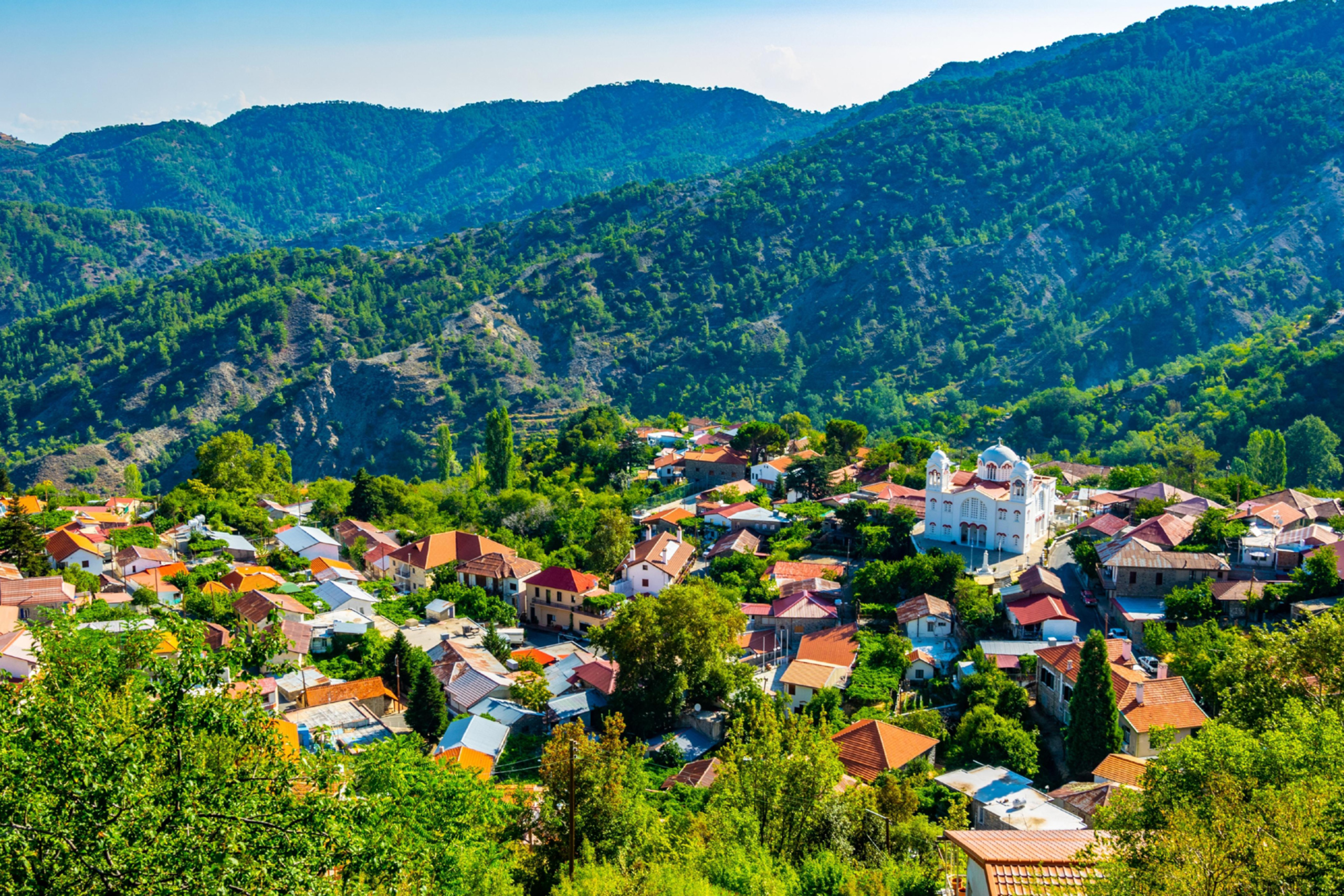
Unlike sanitized tourist attractions, these villages remain lived in places where generations of the same families have stayed. Each settlement carries its own character, from lace making Lefkara to wine country Omodos to the perfectly preserved ghost village of Fikardou. A visit to even one of these places reveals more about Cyprus than a week spent on any beach.
Lefkara and the lace that reached Leonardo da Vinci
Lefkara divides into upper Lefkara and lower Lefkara, both offering stone architecture and peaceful streets on the southern slopes of the Troodos Mountains. The name combines the Greek words lefka meaning white and ori meaning hills. The village is internationally famous for lefkaritika, intricate handmade lace with patterns inspired by nature and environment. Local women sit outside their homes working these patterns using techniques passed through generations, a sight that has remained unchanged for centuries.
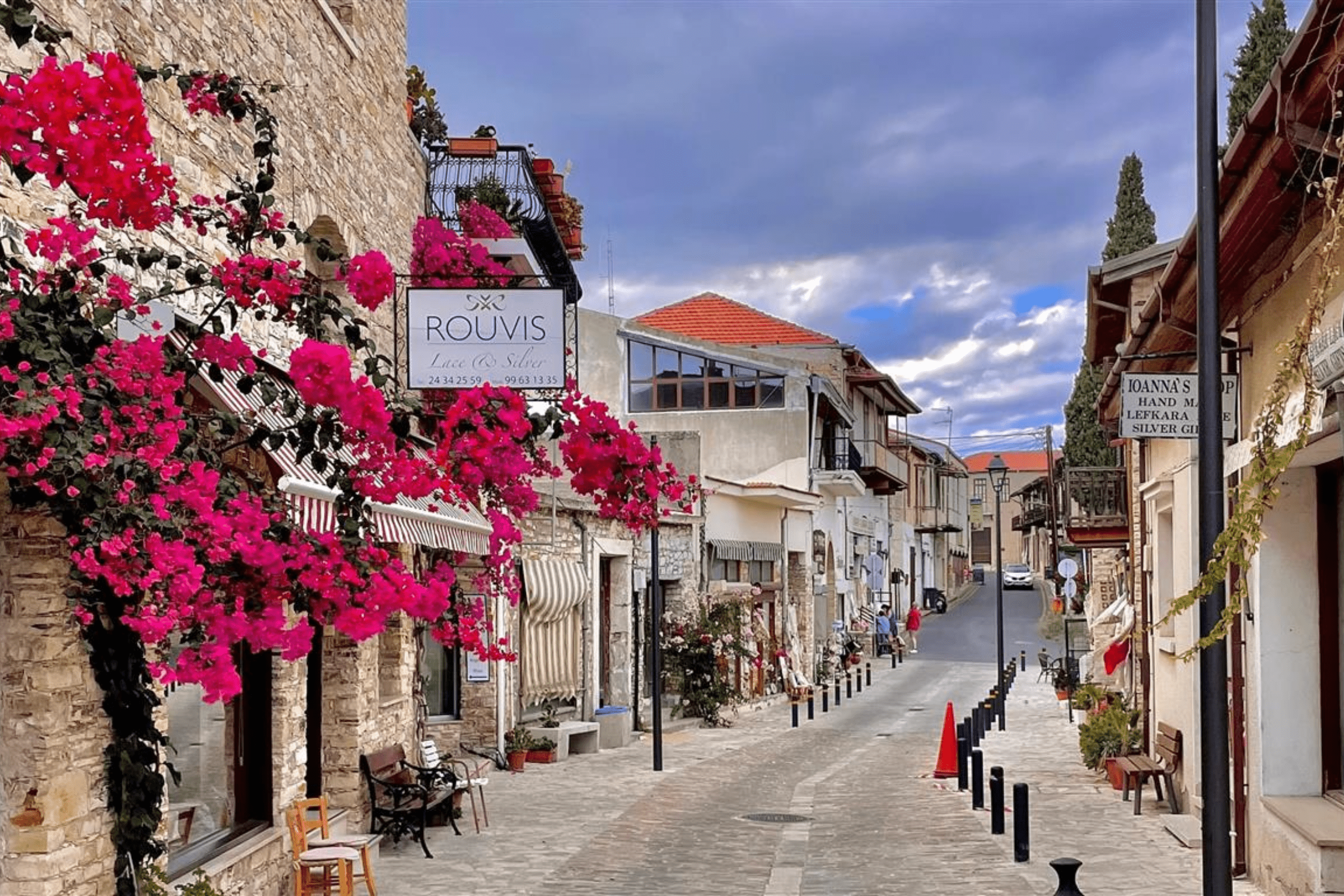
Historical accounts claim Leonardo da Vinci visited Lefkara in 1481 to purchase a tablecloth for Milan Cathedral, though this cannot be fully verified. The village also produces fine silverwork sold from small shops throughout the cobbled center. The Lefkara Handicraft Centre showcases traditional embroidery and lace work. The village received recognition as one of the thirty most attractive towns in Europe. A small folk art museum preserves historical objects while craft shops and cafes cater to regular visitor flows.
Omodos and five centuries of winemaking
Omodos sits at 810 meters elevation in the Limassol district wine region known as Krasochoria, meaning wine villages. The village was established around the Monastery of the Holy Cross, called Timios Stavros, which remains its spiritual heart and main attraction. The monastery dates to Byzantine times and houses important religious relics. The village square functions as a lively social center surrounded by traditional tavernas, cafes, and shops selling handmade lace, local sweets, and wines.
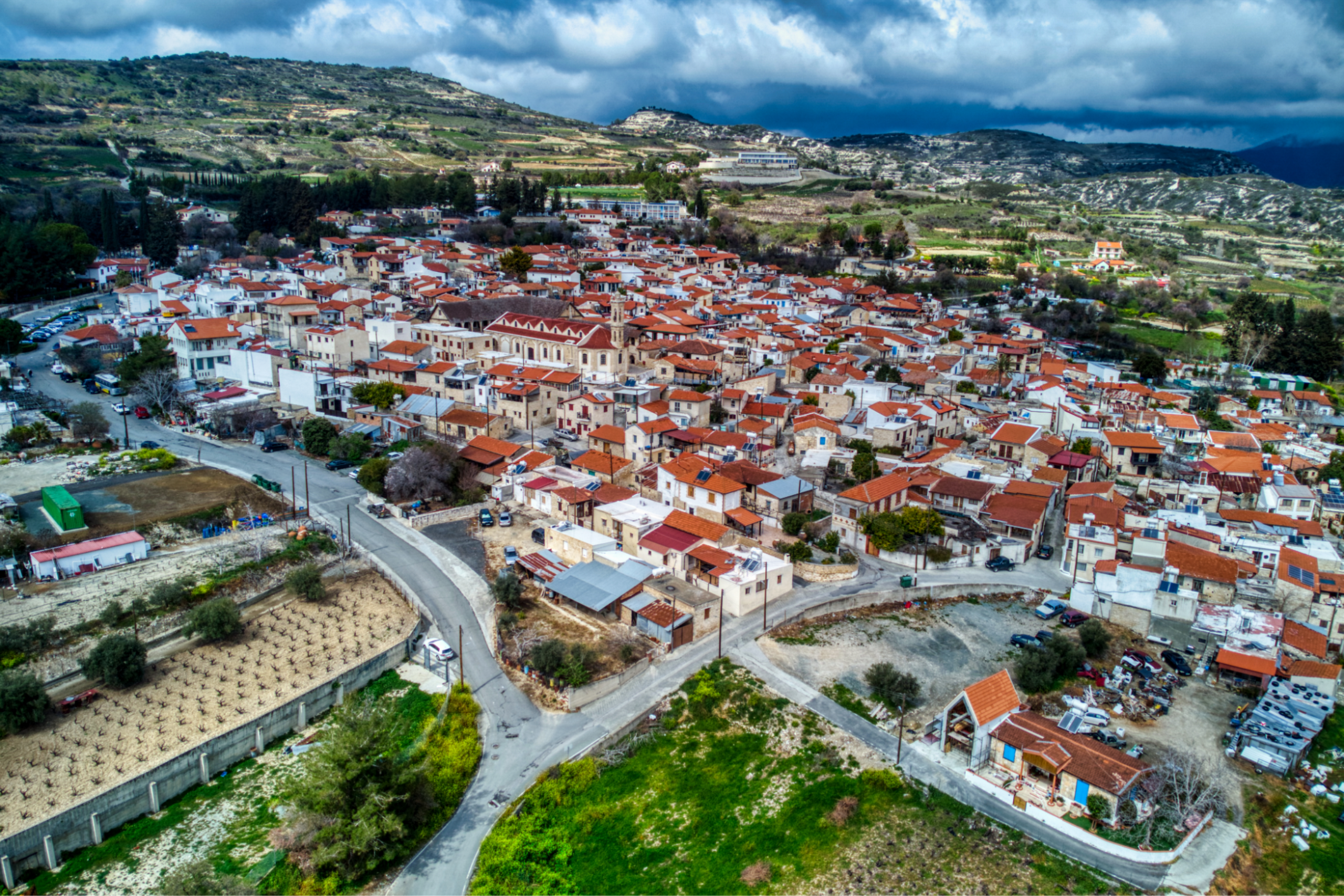
A medieval winepress dating back 500 years demonstrates the village’s deep connection to viticulture. Family run wineries offer tastings of Xynisteri white wine, Mavro red wine, and Commandaria dessert wine. The August wine festival draws visitors from across Cyprus. Walking Omodos means passing stone houses, narrow cobbled streets, and shops where the smell of zivania and wine mingles with the scent of fresh bread from nearby bakeries.
Kakopetria where evil rocks and good trout meet
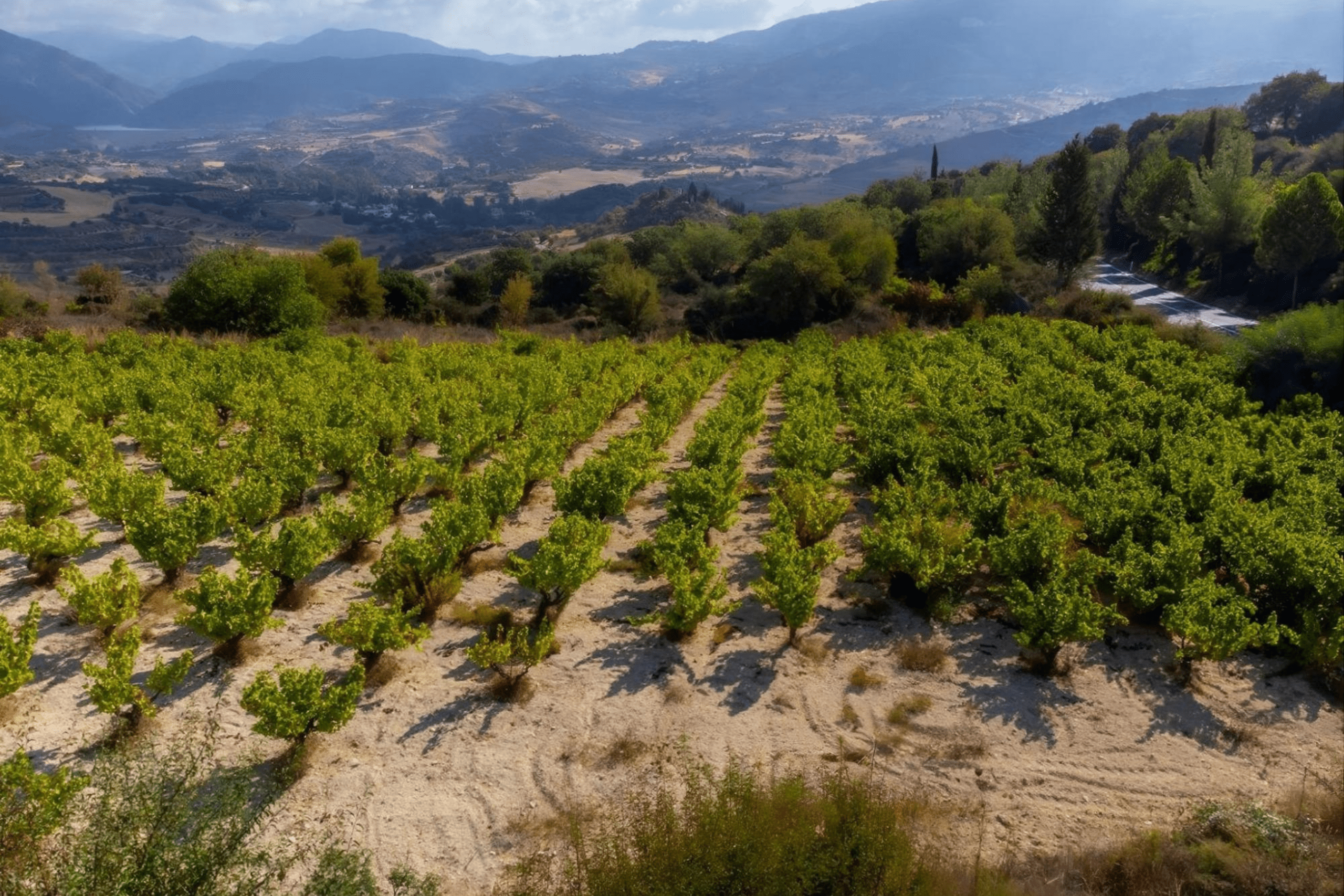
Kakopetria sits at 670 meters elevation on the banks of the Karkotis River in the Nicosia district, roughly 55 kilometers from the capital. The name translates roughly to evil rock, referencing local legend about a rock that rolled over to crush two newlyweds. The old quarter called Palea Kakopetria is a protected heritage site with traditional stone houses, overhanging balconies, and flower filled streets.
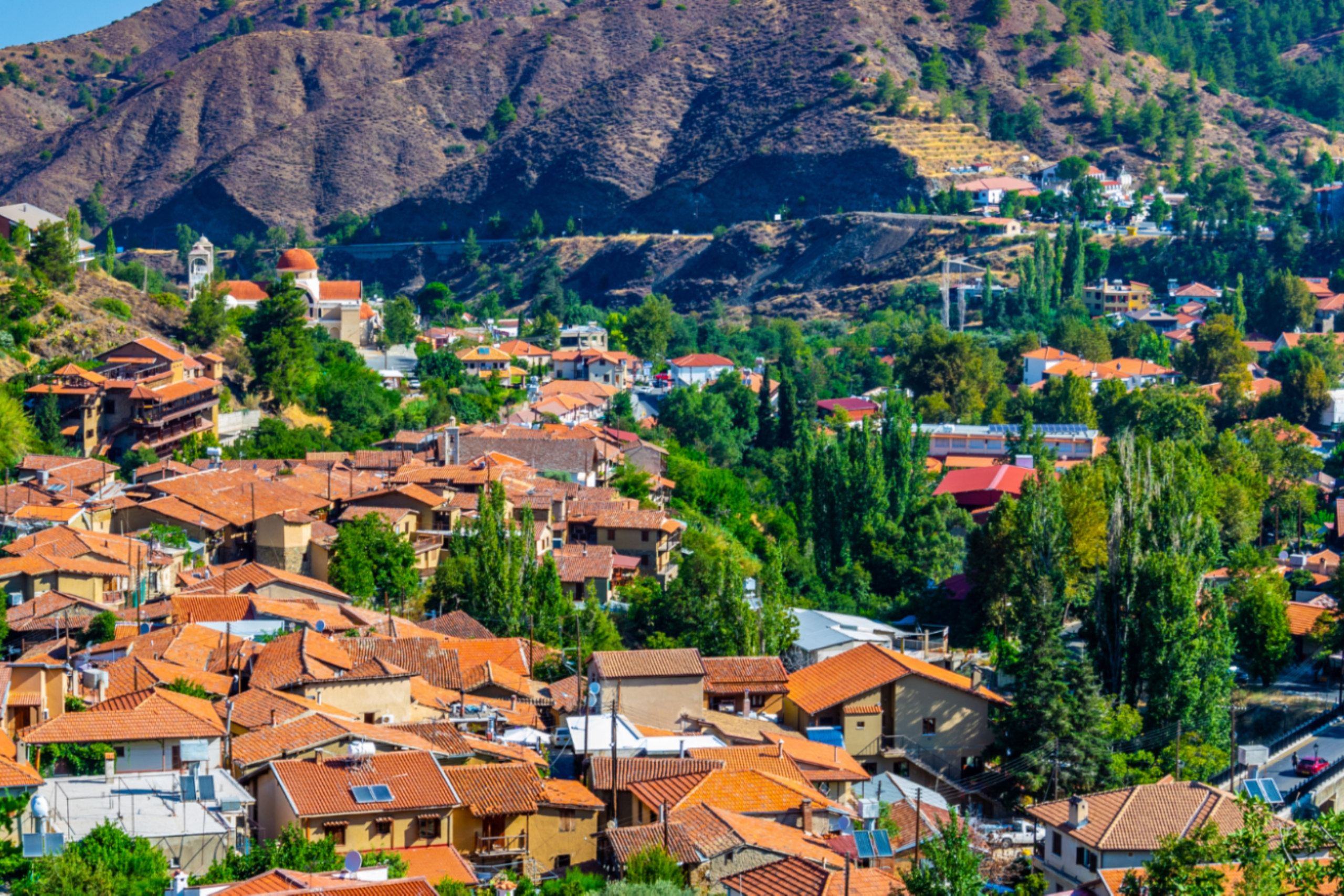
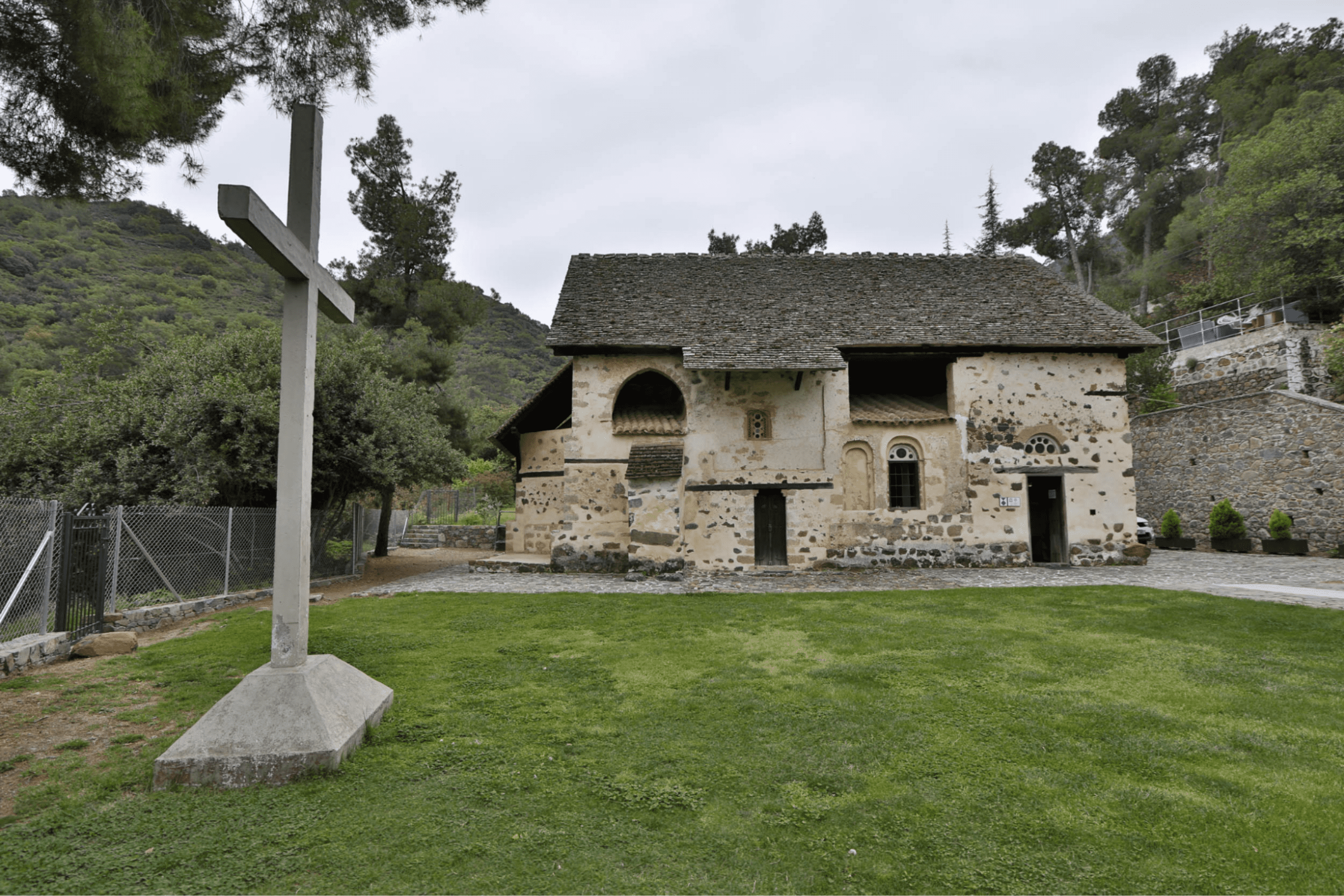
The Church of Agios Nikolaos tis Stegis, a UNESCO World Heritage Site one kilometer from the village center, contains extraordinary 11th to 17th century frescoes and represents one of the finest painted churches in Cyprus. The surrounding area offers apple orchards, cherry trees, and freshwater trout farms. The village square serves some of the best loukoumades honey doughnuts in the region. The Troodos National Forest Park begins nearby, with hiking trails through forests, waterfalls, and river walks.
Fikardou the perfectly preserved ghost village
Fikardou sits abandoned except for a handful of residents in the Nikosia district foothills, preserving 18th century rural architecture in extraordinary condition. The entire village functions as an open air museum where original woodwork and stone masonry techniques remain intact and visible. Two restored houses operate as museums: the House of Katsinioros and the House of Achilleas Dimitri.
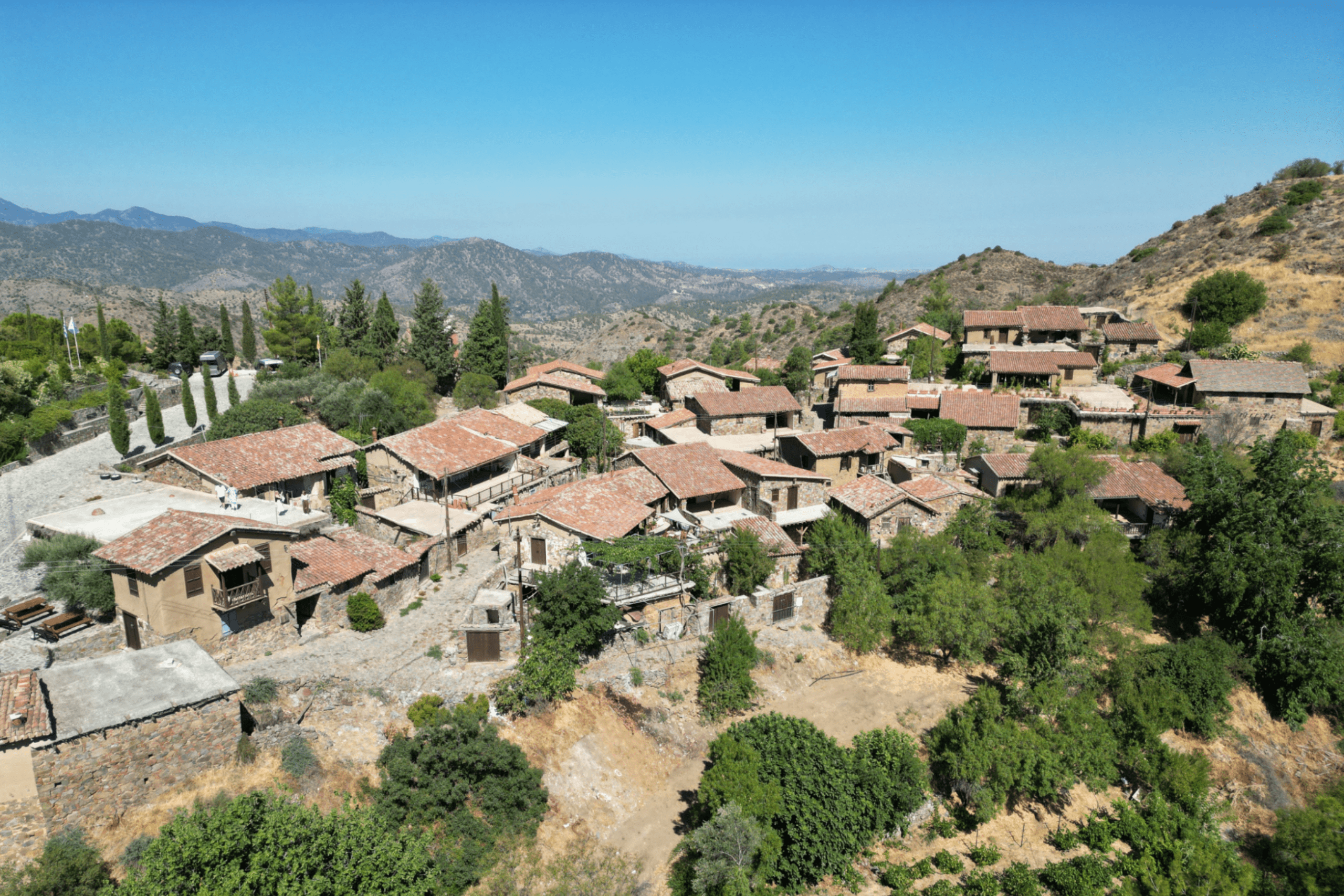
The village won a Europa Nostra Award for heritage conservation, recognizing the exceptional quality of its preservation. The buildings date primarily to the 16th and 18th centuries, with traditional architectural features including wooden balconies, stone arches, and clay tile roofs. Pine forests surround the village, with walking trails offering nature experiences alongside architectural exploration. Fikardou pairs naturally with a visit to the nearby Machairas Monastery, roughly 10 kilometers away through mountain roads.
Kalopanayiotis for thermal springs and Byzantine art
Kalopanayiotis occupies a dramatic hillside position in the Marathasa Valley, known for sulfur springs believed to possess healing properties. The thermal baths have attracted visitors for centuries, with the springs analyzed as containing sulfate, chloride, bicarbonate, and magnesium. The Agios Ioannis Lampadistis Monastery receives UNESCO World Heritage listing as one of Cyprus’s ten painted Byzantine churches.
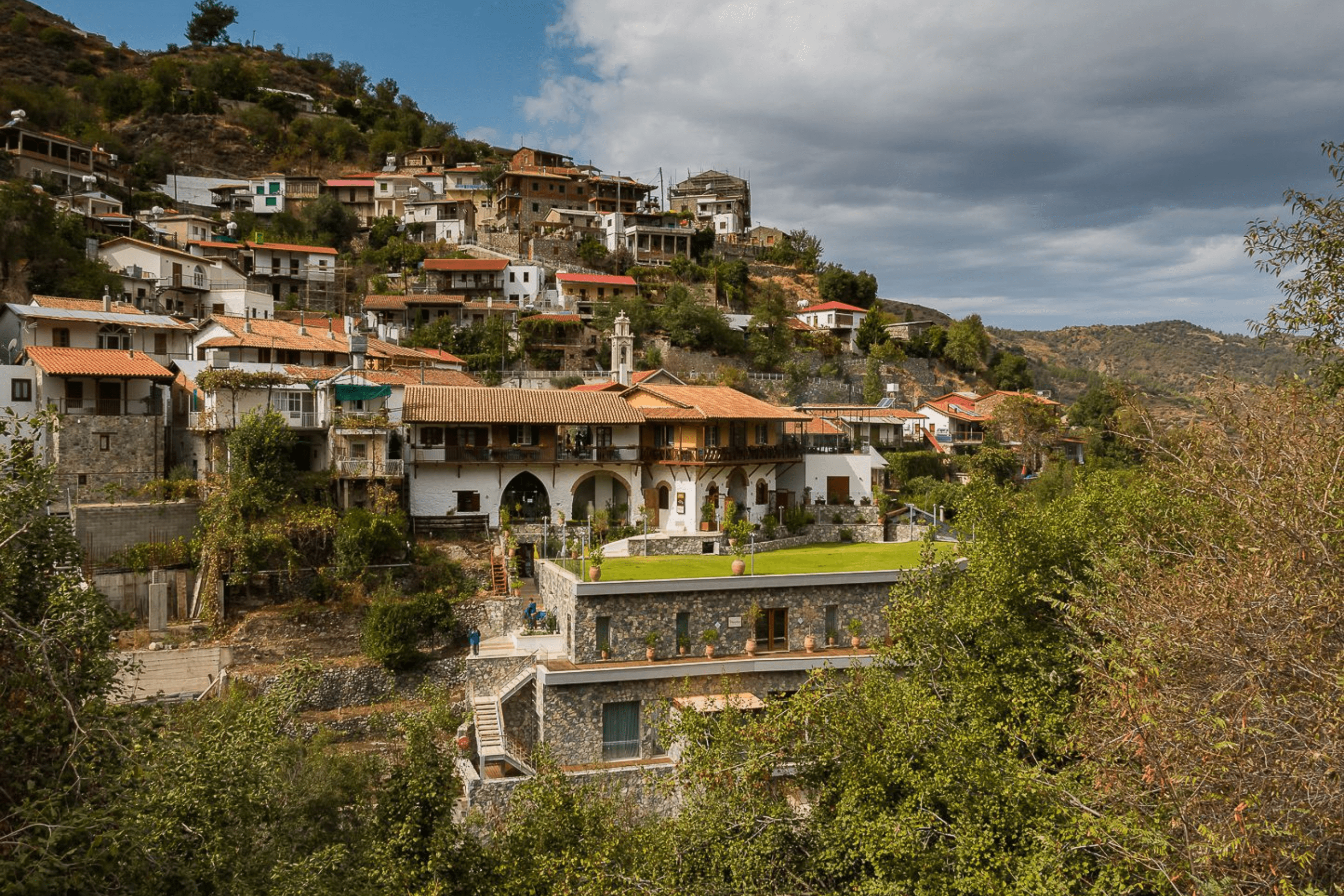
The monastery complex contains three interconnected churches from different periods, each with remarkable frescoes spanning several centuries. The Nympheum building next to the monastery provides visitor facilities and information. The village itself features traditional stone houses on steep hillside streets with valley views. Local tavernas serve mountain food including fresh mushrooms, wild greens, and trout from nearby streams. The village serves as one of Cyprus’s official Christmas villages from November through January, with festive activities every weekend.
Planning village visits across Cyprus
Renting a car is essential for visiting most villages, as public buses serve mountain areas infrequently. Spring from March to May and autumn from September to November provide the most pleasant temperatures for village exploration. Summer heat makes afternoon visits uncomfortable in villages lacking shade.
Most villages have at least one taverna serving traditional food, though some smaller settlements close restaurants during weekdays outside tourist season. Accommodation in restored stone houses and agrotourism properties provides immersive experiences beyond day trips. The Cyprus Agrotourism Company has licensed over 100 traditional properties across mountain villages.
Morning visits allow parking before tourist buses arrive, and midweek visits reduce crowds at popular spots like Omodos and Lefkara. Combined with Byzantine church visits, winery tours, and hiking trails, the villages provide enough content for multiple dedicated day trips from any coastal base.