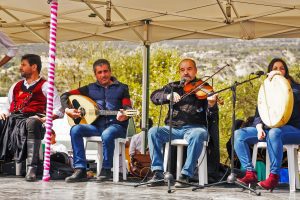
Rap and hip-hop in Cyprus are not about imitation. For many young Cypriots, they have become one of the clearest ways to talk about pressure, identity, frustration, and belonging on a small island shaped by global culture and local tension. What sounds like music often functions as a public conversation, direct, emotional, and grounded in everyday experience. Through rhythm and dialect, young artists are documenting modern Cyprus as it is lived, not as it is marketed.

- A voice that arrived quietly, then stayed
- Why rap works so well in Cyprus
- The power of dialect: sounding like real life
- What the lyrics are really talking about
- Cities are more than backdrops
- An older instinct in a modern form
- More than music, a shared public space
- How to encounter this culture as a visitor
- Why this matters now
A voice that arrived quietly, then stayed
Hip-hop began to gain a foothold in Cyprus in the late 1990s, arriving without fanfare and often without understanding. At first, it lived on the margins of youth culture, overshadowed by rock, metal, and mainstream pop scenes that leaned heavily on English or formal Greek. Early attempts often sounded borrowed, more like echoes of elsewhere than expressions of home.
That changed gradually. As artists became more confident and more rooted, the music stopped trying to sound foreign. It began to absorb the island itself. The turning point came when recording tools became cheaper and online platforms removed the need for approval from radio stations or labels. Bedrooms became studios. Uploads replaced auditions. Rap did not need permission anymore, and once that barrier disappeared, honesty followed.

Why rap works so well in Cyprus
Rap is flexible by nature. It allows anger, humor, critique, and self-reflection to exist in the same verse. That flexibility matters in a society where young people often feel spoken about rather than listened to.
Cyprus is modern, educated, and connected, yet it is also small, socially tight, and shaped by unresolved political and economic realities. Rap fits that contradiction. It gives space to complain without sounding weak, to criticize without rejecting belonging, and to speak personally while still sounding public. In that sense, it functions less like entertainment and more like an everyday language for things that are hard to say elsewhere.
The power of dialect: sounding like real life
One of the most defining features of Cypriot hip-hop is language, especially the use of the Greek Cypriot dialect. For decades, dialect was something to be corrected in school or softened in public. It belonged to home, jokes, arguments, and emotion, but rarely to art that demanded seriousness.
Rap reversed that hierarchy. When artists perform in dialect, they are not only choosing a sound. They are asserting that this language is capable of complexity, poetry, and public truth. It feels closer to lived reality because it is the language people actually think in.
Online, this becomes even more visible. Because the dialect has no single standardized written form, artists and fans experiment freely. Greek letters mix with Latin ones. English slang slips in and out. Spellings shift from song to song. What looks messy on the page is actually a living record of identity being negotiated in real time.
What the lyrics are really talking about
The subject matter of Cypriot rap rarely drifts into abstraction. Instead, it stays close to everyday experience, shaped by shared anxieties and quiet frustrations that many young people recognise immediately. Economic uncertainty, social pressure, and the sense of living within systems that feel distant or unresponsive appear again and again, sometimes directly and sometimes through metaphor.
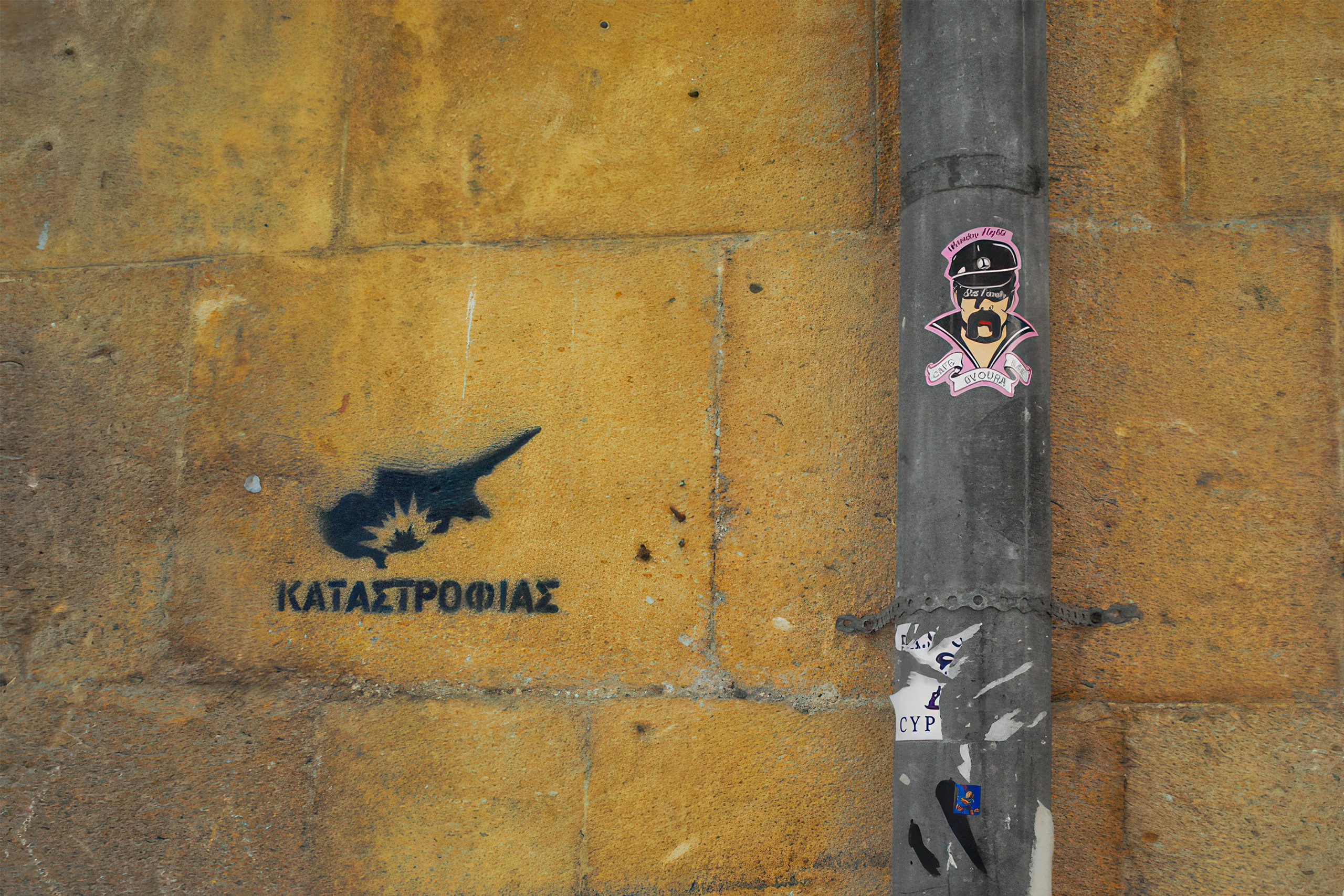
For many artists, the aftermath of the 2013 financial crisis lingers beneath the surface. Even when it is not named explicitly, its influence remains present in themes of stalled progress, mistrust of institutions, and the uneasy feeling that effort does not always guarantee stability. This underlying tension shapes how success, ambition, and loyalty to place are described.
What stands out is how rarely these songs try to resolve the contradictions they describe. Pride in Cyprus exists alongside disappointment. Attachment to the island coexists with the desire to leave. Rather than offering answers, the lyrics document what it feels like to live inside those opposing impulses at the same time.
Cities are more than backdrops
Urban space in Cyprus does more than provide scenery for music videos. It actively shapes the tone and concerns of the scene.
In Nicosia, the physical reality of division is impossible to ignore. Everyday routines unfold beside checkpoints and buffer zones, and that proximity creates a constant awareness of separation, history, and unresolved tension. Even when artists do not reference politics directly, the atmosphere of the city influences how issues of identity and belonging are framed. Cultural venues near the dividing line, including shared spaces dedicated to dialogue and collaboration, have become natural gathering points for artists who prefer expression over slogans.

Limassol offers a different energy. Its open seafront, dense street life, and strong dance culture lend themselves to performance and visibility. Here, hip-hop often feels outward-facing, shaped by movement, public space, and interaction. The city demonstrates how global influences can be absorbed without erasing local character, allowing international sounds to sit comfortably alongside distinctly Cypriot attitudes.
An older instinct in a modern form
Although rap is often described as a modern import, its appeal in Cyprus connects to much older cultural habits. The island has a long tradition of verbal performance in dialect, Tsiattista, which was inscribed on the UNESCO Representative List of Intangible Cultural Heritage in 2011.
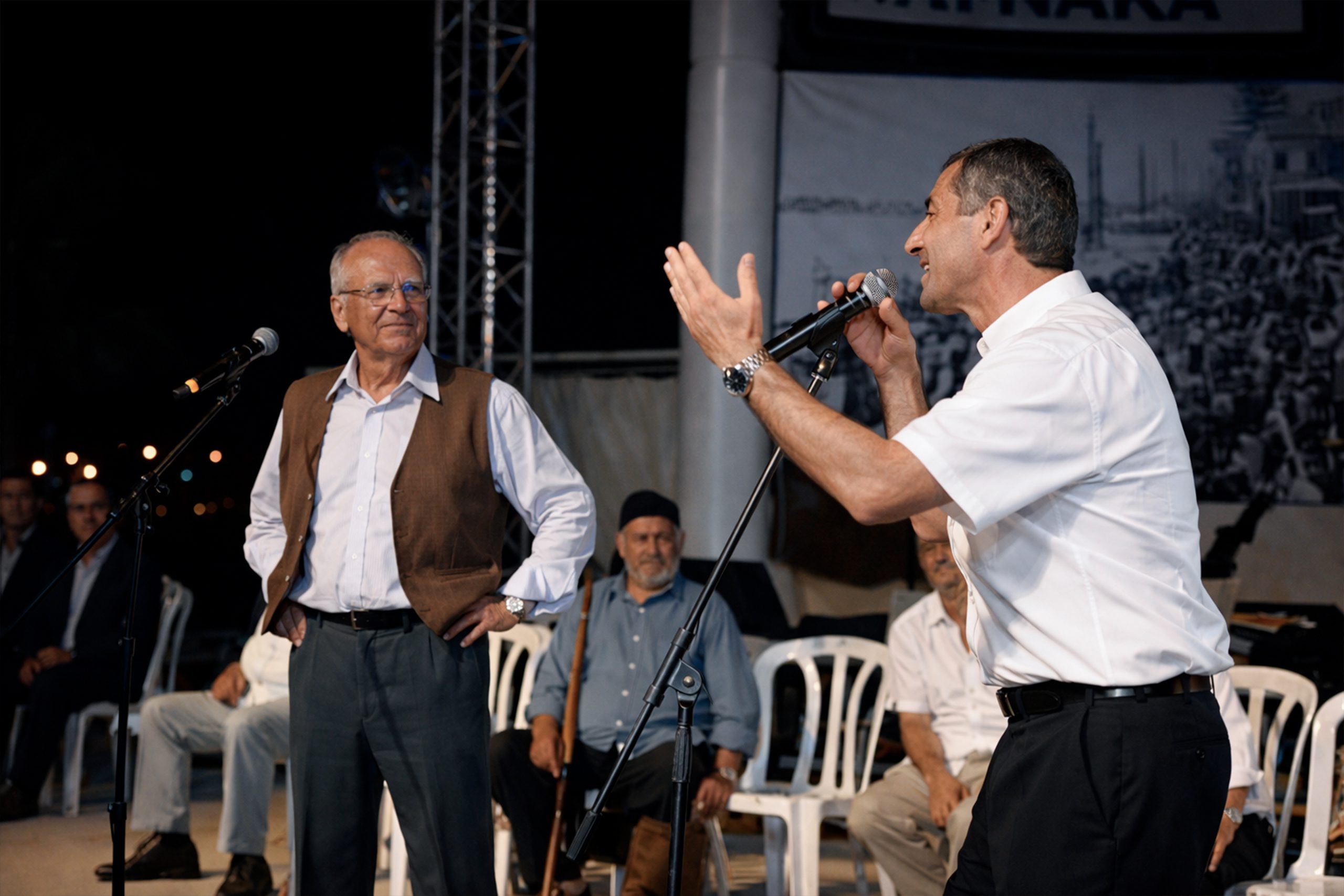
The similarities are not accidental. Both rely on rhythm, wit, verbal agility, and the ability to respond quickly to an audience or an opponent. When viewed through this lens, freestyle sessions and battle rap do not feel foreign at all. They appear instead as contemporary extensions of a deeply rooted instinct to compete, impress, and communicate through language.
What has changed are the tools and the platforms, not the impulse itself.
More than music, a shared public space
For many young Cypriots, hip-hop functions as a rare space where emotional and social complexity is allowed to exist without simplification. It permits criticism without rejection and attachment without idealisation. Artists can speak openly about contradiction without being forced into neat conclusions.
The culture is reinforced by a strong do-it-yourself ethic. Many artists handle their own production, filming, and distribution, building audiences directly rather than through institutional channels. This independence protects the tone of the music. Messages remain sharp, personal, and unfiltered by commercial expectations. As a result, the scene feels participatory rather than distant. It belongs to those who create it and those who recognise themselves in it.
How to encounter this culture as a visitor
Experiencing Cypriot hip-hop does not require specialist knowledge. Its presence is visible to anyone paying attention.
Online platforms, particularly YouTube, serve as informal archives where tracks, visuals, and language experiments accumulate over time. The comment sections often reveal how deeply specific phrases, accents, or references resonate with listeners, offering insight into what feels authentic and what does not.
Live events provide another entry point. Hip-hop culture in Cyprus includes dance, DJing, and community gatherings alongside music. Festivals focused on movement and street culture, as well as smaller urban venues known for showcasing local talent, create spaces where the audience response becomes part of the performance. Familiar lines trigger immediate recognition, and the atmosphere often shifts quickly between humour, intensity, and reflection.
Why this matters now
Rap and hip-hop matter in Cyprus because they capture the island as it is being lived, not as it is presented. They record uncertainty, resilience, frustration, and creativity in real time, offering a counterbalance to polished narratives and nostalgic imagery.
This music does not replace traditional culture. It adds to it. By keeping dialect alive, questioning authority, and expressing emotions that rarely appear in official discourse, Cypriot rap strengthens cultural identity rather than diluting it.
Listening to these voices means hearing Cyprus speak to itself, honestly and without rehearsal. It is culture in motion, unfolding line by line and beat by beat, shaped by the people living it right now.