

Mosaics and mosaic art

Articles: Mosaics and mosaic art

Stories in this category and its subcategories.

Salamis Bathhouse Mosaics

Salamis Bathhouse Mosaics

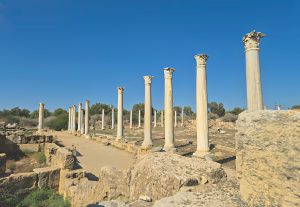
The Salamis bathhouse mosaics show how Roman Cyprus combined leisure, engineering, and civic identity inside one of the island’s most ambitious public complexes. These floors were designed to shape movement and atmosphere, pairing mythic scenes with technical skill, imported materials, and heated rooms that made bathing a daily performance of status. This article explains how the mosaics worked within the bathhouse system, what their imagery signalled, and why their survival still matters for understanding Roman urban life on Cyprus. googleusercontent-com A Capital Built to Be Seen Salamis was not an ordinary provincial town. For long periods, it functioned as the administrative and commercial heart of Cyprus, benefiting from trade routes that linked the Aegean, the Levant, and Egypt. When the…

Read more
Ayios Herakleidios Mosaics

Ayios Herakleidios Mosaics

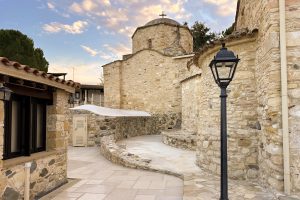
The mosaics at Ayios Herakleidios, in the inland territory of Tamassos, show an early Christian community expressing belief through geometry rather than mythic scenes or imperial display. Laid across successive basilica phases, the floors use repetition, careful placement, and durable materials to create a sense of order during periods of instability. This article explains how the site developed around the saint’s tomb, what the patterns and Chi-Rho symbol were designed to do, and how the mosaics survive alongside a living monastery today. googlemaps.com An Inland Sanctuary at Tamassos Unlike Cyprus's major early Christian monuments along the coast, the Ayios Herakleidios complex developed inland, near copper-rich Tamassos, a former city-kingdom once dedicated to pagan gods. The location is essential to understanding…

Read more
Kourion Mosaics Apollo To Basilicas Guide

Kourion Mosaics Apollo To Basilicas Guide

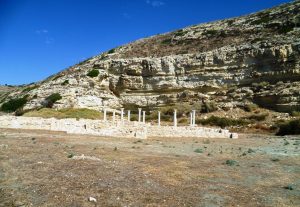
Kourion’s mosaics record Cyprus’s shift from a classical city organised around temples and civic life to an early Christian centre rebuilt under episcopal authority after mid-fourth-century earthquakes. In villas and basilicas, floors and inscriptions became a visual language that guided movement, reinforced belief, and redefined what power looked like in public space. wikimedia-org This article explains how disaster opened the ground for change, how the Episcopal Complex reshaped the city’s core, and how mosaic imagery at sites like the House of Eustolios shows a community rebuilding identity as well as architecture. Apollo Hylates and Old Order For centuries, Kourion thrived as a Greco-Roman city, complete with temples, baths, theatres, and elite villas. Public life revolved around civic institutions and traditional…

Read more
