- Geographic and Historical Setting
- Sacred Landscape and Ritual Environment
- Aphrodite at Amathus: A Local and Universal Goddess
- Fertility Rites and Seasonal Ceremonies
- Royal Cult and Political Authority
- Cultural Exchange and Mediterranean Connections
- Archaeological Evidence and Site Remains
- Preservation and Cultural Significance Today
- Conclusion
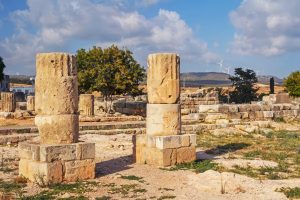
Geographic and Historical Setting
Amathus, located on the southern coast of Cyprus near modern Limassol, was one of the most important ancient city-kingdoms of the island. Among its most significant religious features was the Sacred Grove of Aphrodite, a sanctuary associated with fertility, royal authority, and long-standing local traditions that predated classical Greek influence. Unlike urban temple complexes built in later periods, the sacred grove represented an earlier form of worship in which natural landscape and ritual space were closely connected. The site functioned as a center of spiritual life where religious practice was embedded within the rhythms of nature, agriculture, and seasonal renewal.
pinterest-com
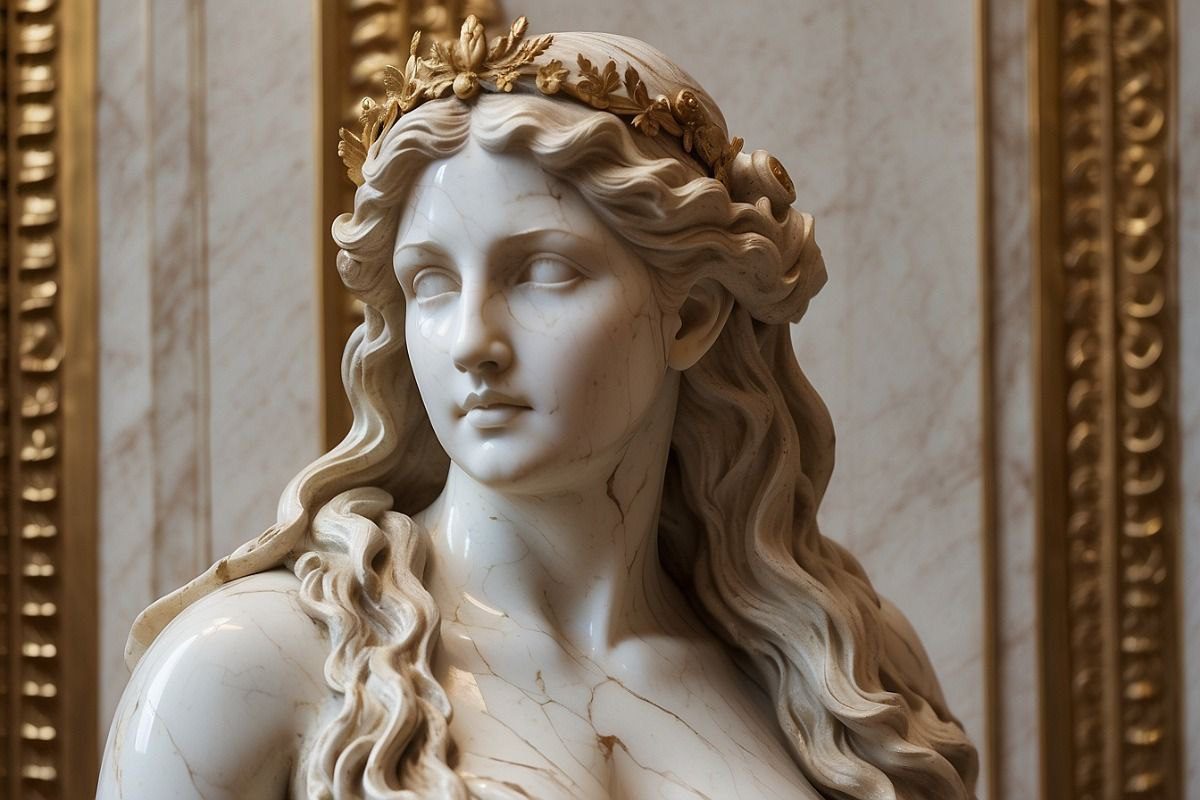
Archaeological and literary evidence suggests that Amathus maintained a distinct cultural identity within Cyprus, blending indigenous traditions with influences from the eastern Mediterranean. The worship of Aphrodite at Amathus was deeply rooted in pre-Hellenic fertility cults that later merged with the Greek conception of the goddess. This layered religious history gave the sanctuary a unique character. Rather than serving solely as a mythological birthplace, as in Palaepaphos, Amathus became known as a living center of ritual activity that linked divine fertility with political and social order.
Sacred Landscape and Ritual Environment
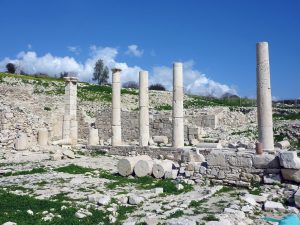
The Sacred Grove at Amathus was not confined to a single temple building but extended across a natural setting that included trees, open spaces, and altars. Groves in the ancient world were often considered sacred because they symbolized life, growth, and the generative power of nature. In the case of Aphrodite, whose identity was closely tied to fertility and regeneration, the grove served as an appropriate environment for ritual practice. Worshippers gathered in this landscape to perform ceremonies that honored the goddess and sought her blessing for agricultural abundance, human fertility, and communal well-being.
spottinghistory-com
The open-air nature of the sanctuary reflects continuity with earlier Bronze Age religious traditions, in which sacred space was defined more by symbolic boundaries than by monumental architecture. Offerings discovered at the site include figurines, pottery, and votive objects, suggesting that individuals and families participated in rituals tied to personal and communal hopes for prosperity. The grove therefore functioned as both a public sanctuary and a place of intimate devotion.
Aphrodite at Amathus: A Local and Universal Goddess
The form of Aphrodite worshipped at Amathus combined local Cypriot elements with broader Mediterranean religious concepts. Before Greek influence became dominant, the goddess may have been associated with a more general fertility deity linked to earth, water, and reproduction. As Greek culture spread, these earlier beliefs were identified with Aphrodite, allowing the sanctuary to integrate into the wider Hellenic religious world while retaining its distinctive character.
efa-gr
This blending of traditions made Amathus an important religious bridge between cultures. While the goddess shared attributes with the Aphrodite worshipped elsewhere, local rituals and symbols preserved older layers of meaning. The cult emphasized not only romantic love but also the generative forces that sustained communities through agriculture and reproduction. The sanctuary’s continued use across centuries demonstrates how adaptable and enduring these beliefs were.
Fertility Rites and Seasonal Ceremonies
Fertility rituals were central to the religious life of the Sacred Grove. These ceremonies were closely tied to the agricultural calendar, marking planting, harvest, and seasonal transitions. Offerings of grain, fruit, and flowers symbolized gratitude for past abundance and hope for future prosperity. Animal sacrifices may also have been performed as part of communal rites that reinforced social bonds and collective reliance on divine favor.
Such rituals were not limited to agricultural fertility but extended to human life. The goddess was invoked in matters of marriage, childbirth, and family continuity. The sacred grove provided a setting where private prayers and public festivals merged, creating a shared spiritual experience that linked individual desires with the welfare of the community. These practices highlight the ancient understanding of fertility as a universal force connecting nature, society, and the divine.
Royal Cult and Political Authority
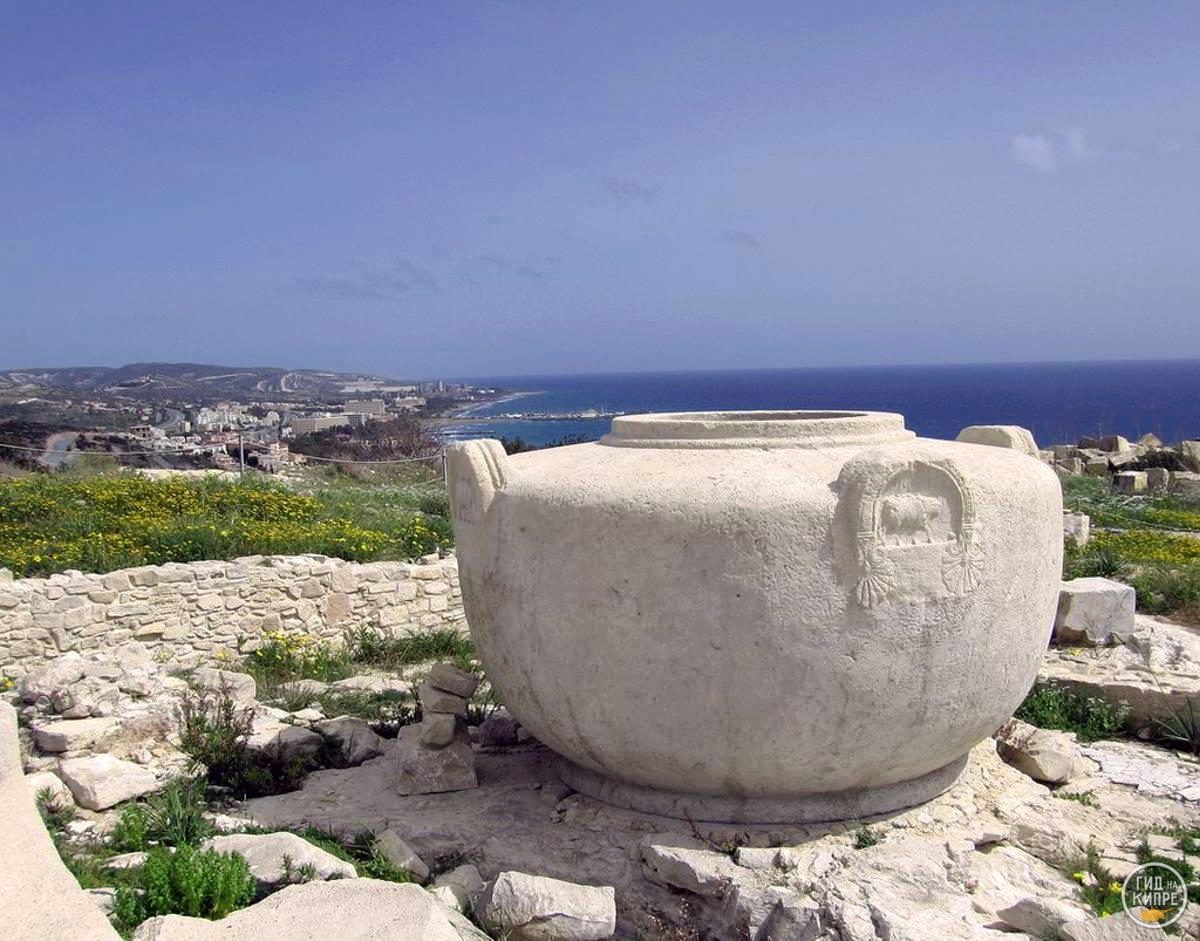
The Sacred Grove of Aphrodite at Amathus was also closely connected to royal authority. In many ancient Cypriot city-kingdoms, rulers held religious roles alongside political power. At Amathus, the king may have acted as chief priest or patron of the sanctuary, reinforcing the idea that political leadership was sanctioned by divine favor. Rituals conducted at the grove would have symbolized not only agricultural renewal but also the stability and legitimacy of royal rule.
gidnakipre-ru
This association between fertility cult and kingship reflects a broader pattern in the ancient Mediterranean, where rulers were seen as mediators between the human and divine realms. By participating in ceremonies at the sanctuary, the king demonstrated his responsibility for ensuring the prosperity and protection of the community. The sacred grove thus functioned as a place where political authority was ritually affirmed and integrated into religious tradition.
Cultural Exchange and Mediterranean Connections
Amathus occupied a strategic coastal position that facilitated trade and cultural exchange. As merchants and travelers moved through the region, religious ideas circulated alongside goods. The cult of Aphrodite at Amathus absorbed influences from the Near East and the Greek world, while also contributing to the broader Mediterranean understanding of the goddess. Artistic motifs and ritual practices associated with the sanctuary appear in other regions, indicating the movement of symbolic forms across cultural boundaries.
When Cyprus came under Roman rule, Aphrodite was identified with Venus, and the sanctuary continued to attract attention within the imperial religious landscape. The persistence of worship at Amathus demonstrates how local traditions could be integrated into larger political and cultural systems without losing their distinctive identity.
Archaeological Evidence and Site Remains
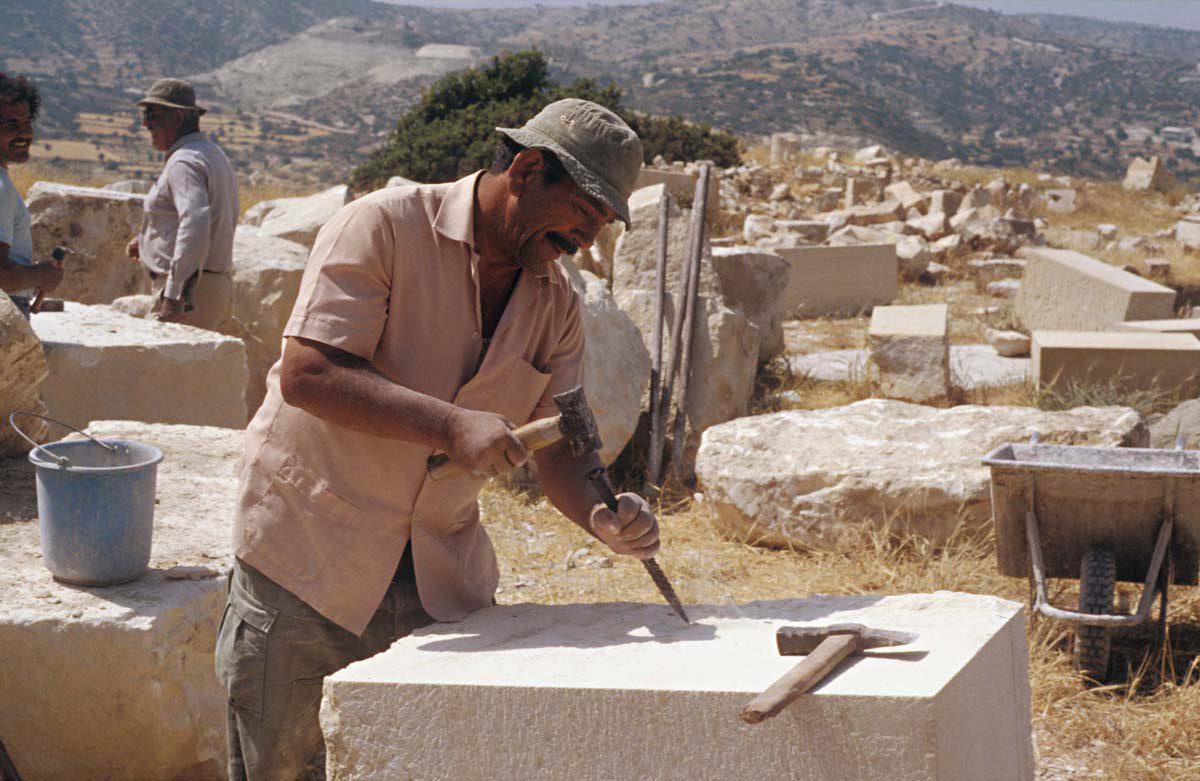
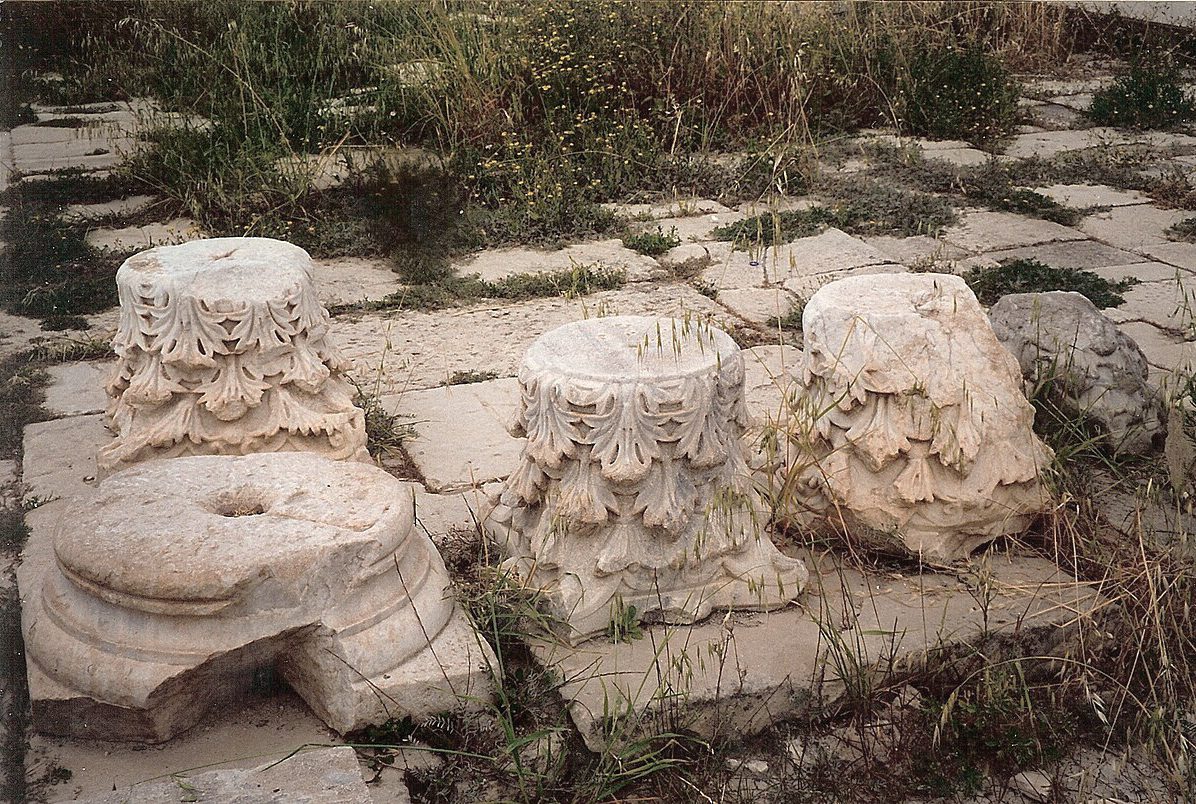
Excavations at Amathus have revealed foundations of temples, altars, and votive deposits associated with the sacred area. Stone sculptures, inscriptions, and ritual objects provide evidence of continuous use and evolving religious practice. These remains help scholars reconstruct the layout of the sanctuary and understand the types of ceremonies performed there.
wikimedia-org
The archaeological record shows that the sacred grove underwent changes over time, reflecting shifts in architectural style and ritual emphasis. However, the core identity of the site as a center of Aphrodite worship remained stable. This continuity highlights the enduring importance of the sanctuary within Cypriot religious life.
Preservation and Cultural Significance Today
Today, the ruins of Amathus are preserved as an archaeological site that attracts visitors interested in the island’s ancient heritage. Conservation efforts focus on protecting the remains and interpreting the sacred landscape for modern audiences. Although the grove itself has not survived in its original form, the archaeological evidence allows researchers to understand its role within ancient religious practice.

stablediffusionweb-com
The significance of the Sacred Grove of Aphrodite lies in its representation of an early form of religious space where nature and ritual were inseparable. It stands as a testament to the deep roots of fertility worship in Cyprus and its influence on broader Mediterranean traditions.
Conclusion
The Amathus Sacred Grove of Aphrodite was a vital center of mythological and ritual life in ancient Cyprus, where fertility rites, seasonal ceremonies, and royal cult traditions converged. Its sacred landscape embodied the connection between nature, community, and divine power. Through centuries of cultural change, the sanctuary preserved its core identity while adapting to new influences, becoming an important link between local tradition and pan-Mediterranean religion. Today, it remains a key archaeological and cultural site that illustrates how ancient societies expressed their understanding of life, renewal, and authority through sacred space.